Coyotes and Predators in Georgia
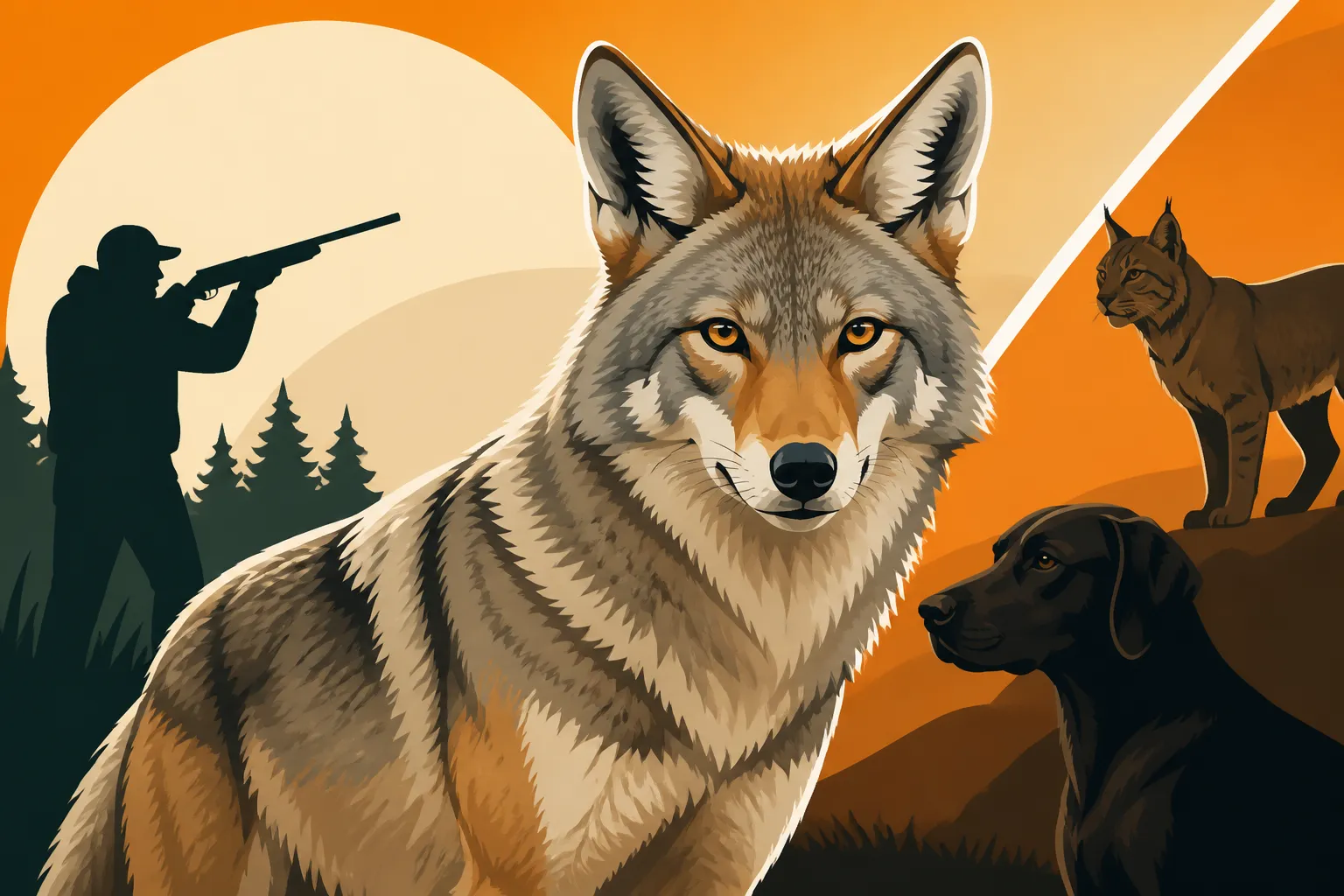
The increasing presence of coyotes and other predators across Georgia has become a significant concern for landowners, farmers, and hunters alike. You've likely seen more of them yourself, heard their eerie calls echoing through the woods, or perhaps even found evidence of their impact on your local deer or turkey populations. This comprehensive guide is here to unravel the complexities of Georgia's predator landscape, offering deep insights into their biology, their effects on our cherished game species, and the most effective strategies for managing these adaptable animals within our beautiful state.
The Shifting Landscape of Georgia's Predator Population
For generations, the mention of predators in Georgia often brought to mind bobcats, foxes, and perhaps even black bears in the northern mountains or a rare panther sighting from times long past. However, the last few decades have dramatically altered this picture, primarily with the widespread establishment of the coyote. This newcomer has reshaped ecological dynamics, creating both challenges and opportunities for wildlife management and hunting enthusiasts. Understanding this evolving landscape is crucial for anyone who spends time outdoors in Georgia.
The Arrival and Spread of Coyotes
Unlike many of our native species, coyotes are not indigenous to Georgia. They are truly an invasive species, having steadily expanded their range eastward from the Great Plains, adapting to nearly every habitat type imaginable along the way. In Georgia, their presence was first noted in the northern counties in the 1970s, likely entering from states like Alabama and Tennessee. From there, they quickly colonized the entire state, from the Appalachian foothills to the coastal plain. It’s hard to find a patch of Georgia woods, agricultural field, or even suburban green space these days where coyotes haven't made themselves at home.
Their successful colonization can be attributed to several factors. First, their incredible adaptability allows them to thrive in diverse environments, from dense pine plantations to open agricultural fields and even the fringes of urban areas. They are highly opportunistic feeders, making use of whatever food sources are available, whether it's deer fawns, rabbits, rodents, insects, or even discarded human food. Secondly, the absence of natural predators like wolves, which historically kept coyote numbers in check in other parts of their range, allowed their populations to grow largely unchecked. This rapid expansion has undeniably impacted local ecosystems, particularly concerning game species that hadn't evolved alongside such an efficient predator. The sheer number of sightings and reports from hunters and landowners across the state is a testament to how thoroughly these animals have integrated into Georgia's wildlife community.
Native Predators and Their Status
While coyotes grab many headlines, Georgia still boasts a healthy population of native predators that play vital roles in the ecosystem. Our most common native carnivores include bobcats, red foxes, gray foxes, and, in certain regions, black bears. Bobcat numbers are generally stable and widespread, found in almost every county, though they are often elusive and primarily nocturnal. These skilled hunters primarily prey on rabbits, rodents, and birds, occasionally taking a fawns or turkey. Red and gray foxes are also present throughout the state. Red foxes tend to prefer more open, agricultural landscapes, while gray foxes are more common in denser woodlands and swampy areas, and are unique among canids for their ability to climb trees. Both fox species primarily hunt small game, but can certainly impact turkey poults and quail.
Black bears, predominantly found in the mountainous northern counties, the Ocmulgee River corridor, and the Okefenokee Swamp region, are omnivores. While their diet largely consists of berries, nuts, and insects, they are opportunistic and will prey on fawns, especially in spring, and scavenge carrion. Their populations are generally healthy and well-managed by the Georgia Department of Natural Resources (DNR). Other less common predators include various raptors, such as great horned owls and several hawk species, which primarily target small mammals and birds. These native predators have coexisted with Georgia's game animals for millennia, contributing to a natural balance. The challenge now is understanding how this established native predator community interacts with the newer, highly efficient coyote population, and what that means for game management.
Ecological Impact of Predator Changes
The arrival and proliferation of coyotes have introduced a significant variable into Georgia's ecological equation. Historically, deer and turkey populations in Georgia evolved with a different suite of predators, mainly bobcats and foxes, which generally exert less pressure on fawn and poult survival than coyotes. The coyote's opportunistic nature and efficient hunting strategies mean they are highly effective at preying on vulnerable young game animals. This has led to concerns about reduced fawn survival rates for white-tailed deer and lower poult-to-hen ratios for wild turkeys, especially in areas with high coyote densities.
Beyond direct predation on game animals, coyotes also compete with native predators for food resources. While this competition is often complex and varies by region and habitat, it can indirectly affect the populations of bobcats and foxes. For instance, if coyotes are effectively depleting shared prey bases, it could potentially put additional pressure on native carnivores. However, it's not always a straightforward competitive exclusion; sometimes, native predators adapt their diets or hunting territories. The long-term ecological consequences of this dynamic are still being studied, but it’s clear that the food web has been altered. This means that hunters and wildlife managers must now factor in a much more prominent and widespread predator when assessing game populations and planning for future hunting seasons.
Understanding Coyote Behavior and Ecology in Georgia
To effectively manage coyotes or to increase your chances of successfully hunting them, it’s absolutely essential to understand their intricate behaviors and ecological niche here in Georgia. They are incredibly intelligent, adaptable, and often elusive creatures, which makes them both fascinating and challenging. By delving into their daily routines, dietary preferences, and social structures, we can gain a clearer picture of how to interact with these pervasive animals and predict their movements across the landscape.
Habitat Preferences Across the State
One of the most remarkable aspects of coyotes is their ability to thrive in an astonishing array of habitats throughout Georgia. From the dense, mixed hardwood and pine forests of the northern mountains to the sprawling agricultural fields and timber company lands of the Piedmont and Coastal Plain, coyotes make themselves at home. You'll find them in the thick, swampy bottomlands along rivers like the Ocmulgee and Altamaha, as well as in the open longleaf pine savannas of South Georgia. Their preference isn't necessarily for one specific type of cover, but rather for areas that provide a combination of dense cover for denning and resting, proximity to water sources, and access to varied food supplies.
In agricultural areas, they often utilize the edges of fields, fencerows, and small woodlots, using these corridors to travel undetected and to hunt for rodents, rabbits, and even deer. In forested regions, clear-cuts and areas with thick undergrowth provide ideal cover, while mature timber allows for easy travel. Even in suburban areas, coyotes will exploit green spaces, drainage ditches, and undeveloped parcels, moving silently between backyards and parks. What really drives their habitat use is the availability of prey and security. They're masters of using topographical features, changes in vegetation density, and even human structures to their advantage. When scouting for coyotes, or any game, recognizing these preferred habitat characteristics can give you a significant advantage, helping you identify potential travel corridors, den sites, and hunting grounds. Using tools like GoHunt's mapping features can be incredibly useful for pinpointing these varied terrain types and understanding how coyotes might move through them.
Dietary Habits and Prey Selection
Coyotes are famously opportunistic omnivores, meaning they'll eat just about anything they can get their paws on. Their diet is incredibly varied and fluctuates seasonally based on what's most abundant. In Georgia, their primary food sources often include small mammals like rabbits, mice, voles, and squirrels, which are available year-round. They'll also readily consume insects, reptiles, and amphibians, especially during warmer months. During late spring and early summer, when deer fawns are born, these vulnerable newborns become a significant food source. Studies across the Southeast, including Georgia, have shown that fawns can comprise a substantial portion of a coyote's diet during this critical period. This impact on Georgia Fawn Survival Rates is a major concern for deer managers and hunters.
Wild turkeys are another target, particularly turkey poults and eggs during nesting season. Turkeys often nest on the ground, making them highly susceptible to predation. Later in the year, as acorns and other soft mast become available, coyotes will incorporate these plant materials into their diet, acting as important scavengers. They are also known to scavenge carrion, including deer killed by vehicles or other hunters. This adaptability in their diet is a key factor in their success. It means they rarely face food shortages and can quickly exploit any new food source that becomes available, which often puts them in direct conflict with game populations that hunters value.
Reproductive Cycles and Pack Dynamics
Coyote social structures are complex, often revolving around a breeding pair that forms the core of a pack. In Georgia, coyotes typically breed in late winter, usually between January and March, with pups being born about 60-63 days later, generally in April or May. Litters can range from 3 to 12 pups, though 5-7 is a common average. The size of the litter is often influenced by food availability; in areas with abundant prey, litters tend to be larger. The den site is usually a secluded location, such as a hollow log, a rock crevice, an old badger hole, or a dug-out area under dense brush. Both parents participate in raising the pups, bringing food back to the den.
As the pups grow, they begin to venture out with the adults to learn hunting skills. By late summer or early fall, the family unit often disperses, with young coyotes striking out to find their own territories. However, some offspring may remain with their parents for a longer period, forming a larger, more cooperative pack, especially if food is plentiful. These packs exhibit fascinating social dynamics, communicating through a variety of barks, yips, and howls. The distinctive chorus you often hear at dusk or dawn is usually a pack vocalizing, establishing their territory and communicating with neighboring groups. While they don't form the large, cohesive packs seen in wolves, these family groups can be incredibly effective hunters, especially when targeting larger prey like deer. Understanding these seasonal changes in their social structure and movements is vital for anyone trying to predict their presence and implement effective control measures.
The Impact of Predators on Georgia's Game Species
There's no denying that the rising predator population, especially the ubiquitous coyote, has shifted the dynamics for many of Georgia's prized game species. For hunters, seeing fewer deer or turkeys can be a frustrating experience, and it's natural to wonder what's causing it. While habitat loss and other factors certainly play a role, the influence of predators on deer, turkey, and small game populations is a significant piece of the puzzle that demands our attention. It’s not just about one animal eating another; it's about the cumulative effect on population health and hunter success across the state.
Coyote Predation on Deer Fawn Survival
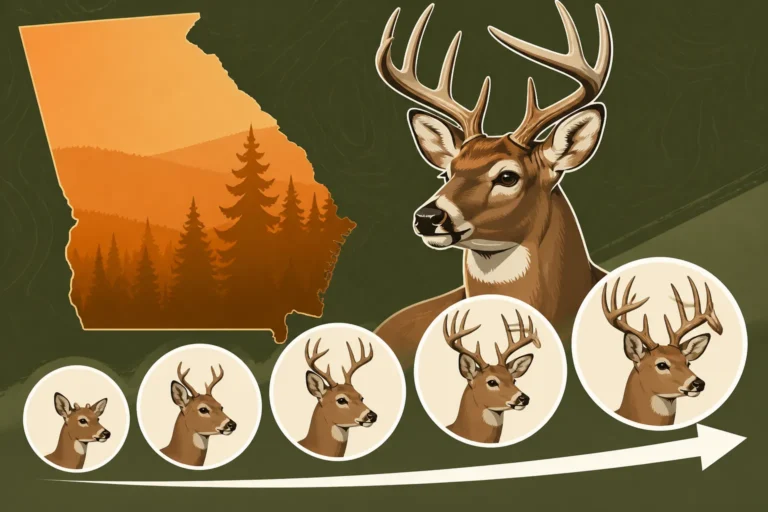
This is perhaps the most talked-about and studied impact of coyotes in Georgia. Whitetail deer fawns, typically born in late spring and early summer, are incredibly vulnerable during their first few weeks of life. They spend much of their time bedded down, relying on camouflage and remaining motionless to avoid detection. Unfortunately, coyotes are highly efficient at finding these hidden fawns. Numerous studies conducted in Georgia and other southeastern states have consistently shown that coyotes are the leading cause of fawn mortality. Some research indicates that up to 70% or more of fawns can be lost to coyote predation in their first few months, significantly impacting the overall recruitment of new deer into the population.
This intense predation pressure can lead to skewed age structures in deer herds, with fewer young deer surviving to maturity. Over time, this can result in reduced deer numbers, lower buck-to-doe ratios, and fewer opportunities for hunters. The situation is particularly acute in areas with high coyote densities and less-than-optimal fawning cover. For deer hunters hoping to fill their Georgia's Twelve-Deer Bag Limit or pursue a mature buck, understanding the extent of this fawn predation is crucial. While coyotes rarely take adult, healthy deer, their impact on the youngest generation can have profound, long-term effects on the health and size of local deer populations, making effective coyote management a key component of a broader deer management strategy.
Turkey Poult-to-Hen Ratios and Predator Influence
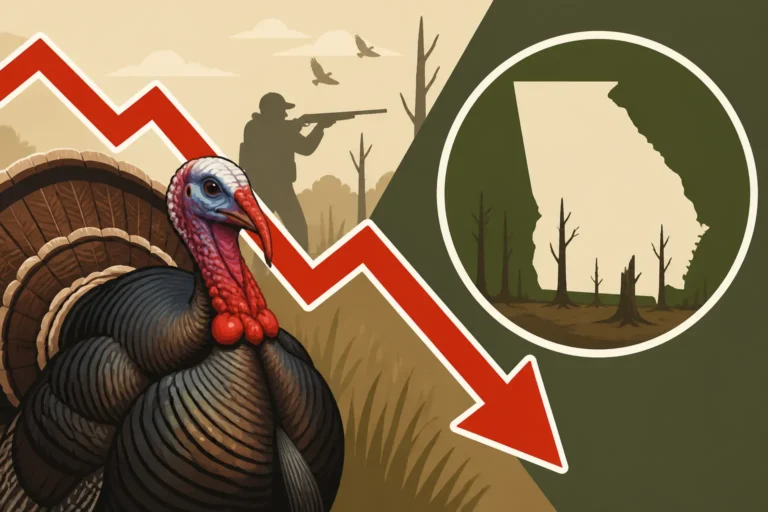
Wild turkeys in Georgia have also faced challenges, and predation on nests and poults is a significant contributing factor to Georgia Turkey Population Trends. Turkey hens nest on the ground, often in relatively open areas or under sparse cover, making their eggs and newly hatched poults highly susceptible to a variety of predators, including coyotes, raccoons, opossums, bobcats, and foxes. While coyotes are known nest predators, their impact is perhaps even more pronounced on young poults. These small, flightless birds are easy targets for opportunistic coyotes, especially during their first few weeks of life.
The poult-to-hen ratio, a key metric used by wildlife biologists to gauge reproductive success, has shown declines in many areas, and predator pressure is frequently cited as a primary cause. When fewer poults survive to adulthood, it directly impacts the overall turkey population, leading to fewer birds on the landscape and reduced hunting opportunities during Spring Turkey Hunting in Georgia. Landowners and hunters interested in boosting their turkey numbers often find that implementing integrated predator control programs, alongside habitat improvements, can make a noticeable difference in poult survival and, consequently, the number of birds they see come springtime.
Small Game Populations and Predator Pressure
Beyond deer and turkeys, Georgia's small game species also feel the squeeze from robust predator populations. Rabbits and squirrels, traditional mainstays of small game hunting, are primary food sources for coyotes, foxes, and bobcats. While these small game species are generally resilient and have high reproductive rates, intense predator pressure in localized areas can certainly depress their numbers. Hunters who enjoy Rabbit Hunting Georgia Fencerows or Squirrel Hunting Georgia Bottomland Hardwoods may notice fewer animals in areas with high predator densities.
Quail, another beloved small game bird, are particularly vulnerable. Georgia Wild Quail Decline Since the 1960s is a complex issue, primarily driven by habitat loss, but predation on nests, poults, and even adult birds by a suite of predators—including coyotes, foxes, raccoons, and snakes—certainly compounds the problem. Efforts to restore quail habitat through managed pine ecosystems are often coupled with predator control to give these birds a fighting chance. While predators are a natural component of any ecosystem, the sheer efficiency and widespread nature of the coyote population in Georgia mean that their collective impact on small game populations is an important consideration for anyone looking to manage for a diverse and abundant wildlife community.
Legal Framework and Regulations for Predator Control
Before you grab your gear and head out to address a predator problem, it's absolutely crucial to understand the legal framework governing predator control in Georgia. The Georgia Department of Natural Resources (DNR) sets specific rules for hunting and trapping various species, and knowing these regulations will ensure you're operating within the bounds of the law. While coyotes are often seen as a nuisance, and their management is generally less restricted than game animals, there are still important guidelines to follow to hunt responsibly and legally.
Hunting Seasons and Methods for Coyotes
One of the key things to understand about coyotes in Georgia is that there is no closed season and no bag limit. This means you can hunt coyotes year-round, day or night, as long as you have a valid hunting license. This unrestricted status reflects the DNR's recognition of their non-native, often problematic, impact on native wildlife. While firearms are generally legal for coyote hunting, specific regulations regarding weapon type might apply depending on the location (e.g., archery-only zones or certain public lands may have restrictions). Standard centerfire rifles, shotguns, and rimfire rifles are all common choices.
Hunters can use a variety of methods to pursue coyotes. Calling, either with electronic or mouth calls, is extremely popular and effective, mimicking the sounds of prey or other coyotes to draw them in. Still-hunting, ambushing, and even incidental take while hunting other species are also common. While night hunting is permitted, there are specific Night Hunting Rules for Georgia Coyotes concerning the use of artificial lights and thermal or night vision optics, particularly when hunting from a vehicle or on public roads. Always double-check the latest Georgia Hunting Regulations guide published by the DNR, as rules can occasionally change or vary by specific Wildlife Management Area (WMA) or local ordinance. Some counties may have restrictions on discharging firearms near residential areas, so local laws should always be consulted in addition to state regulations.
Trapping Regulations for Predators
Trapping is another highly effective method for controlling predator populations, particularly coyotes, foxes, raccoons, and bobcats. However, trapping is much more heavily regulated than hunting and requires a specific Georgia trapping license in addition to a hunting license. There are specific seasons for furbearer trapping, which typically run through the colder months, although coyotes can often be trapped year-round under certain conditions if they are causing damage.
The types of traps allowed are also regulated. Generally, foothold traps and body-gripping traps (Conibears) are permitted, but there are restrictions on their size, placement, and whether they must be submerged in water. For instance, specific setback distances from public roads, trails, or dwellings are often mandated to ensure public safety and prevent accidental captures of pets. All traps must be checked daily, and caught animals must be dispatched humanely or released if they are not the target species. Additionally, trappers must have landowner permission if trapping on private land. The nuances of Running a Trapline in Rural Georgia can be complex, and prospective trappers should thoroughly study the Georgia Trapping Regulations, consider taking a trapper education course, and potentially seek mentorship from experienced trappers to ensure compliance and ethical practice. Remember that some species, like bobcats, also have specific tag and reporting requirements, even if they are taken incidentally during coyote trapping.
Specific Rules for Night Hunting and Thermal Devices
Night hunting for coyotes has grown significantly in popularity, largely due to the effectiveness of thermal and night vision optics. It allows hunters to target these primarily nocturnal animals when they are most active. In Georgia, night hunting for coyotes is generally legal year-round on private lands, provided you have landowner permission. However, the use of artificial lights and night vision/thermal devices comes with important caveats. For instance, you cannot hunt any wild animal or bird from a vehicle, boat, or aircraft with a light. This rule often leads to confusion. You can often use artificial light or night vision/thermal optics to spot a coyote from a static position, but generally not to shoot from a vehicle while driving.
The most critical distinction usually revolves around how the device is used in conjunction with a firearm. While thermal scopes on firearms are often permitted for night hunting coyotes on private land, hunters must be absolutely sure of their target and what lies beyond it. The effectiveness of Thermal Hunting Georgia Hogs at Night also extends to coyotes, making it a powerful tool. However, public lands often have stricter rules, with many WMAs prohibiting night hunting entirely or restricting it to specific dates or methods. It is imperative to check the specific regulations for any public land you intend to hunt. Misinterpreting these rules can lead to serious legal consequences, so always err on the side of caution and consult the latest DNR regulations directly or contact a game warden if you have any doubts.
Effective Predator Management Strategies for Landowners and Hunters
When faced with declining game numbers or livestock depredation, many landowners and hunters realize that simply hoping the problem goes away isn't a viable strategy. Active predator management, especially for coyotes, often becomes a necessary component of a holistic wildlife plan. This isn't about eradication, which is largely impossible and often undesirable for ecological balance, but rather about bringing predator populations down to a level that allows game species to thrive or minimizes economic losses. Implementing a well-thought-out strategy requires a combination of methods, tailored to your specific property and goals.
Habitat Management to Mitigate Predation
One of the most overlooked, yet highly effective, strategies for mitigating predator impact is strategic habitat management. This isn't about eliminating predators directly, but rather about giving prey species a better chance to survive. For deer, improving fawning cover is paramount. This means creating and maintaining areas of dense, thick cover where does can hide their fawns during their vulnerable first few weeks. Examples include thickets of young pines, dense briar patches, or areas with thick undergrowth. Such cover makes it harder for coyotes and other predators to locate fawns, increasing their chances of survival.
For turkeys, dense nesting cover is critical. Leaving areas of taller grasses, brush piles, or regenerating clear-cuts provides crucial concealment for nesting hens. Similarly, creating areas with abundant insect populations provides essential food for turkey poults, allowing them to grow quickly and become less vulnerable. For small game like quail, maintaining a patchwork of diverse habitats, including native grasses, brushy edges, and open woods with prescribed burns, can offer escape cover and abundant food sources. By making your property less of a buffet and more of a fortress for game animals, you can significantly reduce the impact of predation. Using mapping software like GoHunt can help you identify areas on your property that currently offer good cover or highlight spots where improvements could be made to better protect vulnerable game.
Integrated Trapping Programs
Trapping, when done legally and ethically, is widely considered one of the most efficient and targeted methods for reducing localized predator populations. Unlike hunting, which often relies on the predator responding to a call or being in a specific location, traps work 24/7. An integrated trapping program usually involves setting a series of traps strategically across a property during the cooler months, when furbearer seasons are open, and when coyotes are most active. This can effectively remove a significant number of individuals from a specific area.
Trapping is particularly effective around areas where fawns or poults will be born, or near livestock operations experiencing depredation. It's crucial to understand trap types, proper trap placement, and lure/bait use for maximum effectiveness. A trapper must be diligent in checking traps daily and must adhere strictly to Georgia's trapping regulations. For landowners dealing with persistent issues, hiring a professional trapper or investing time and effort into learning the skill themselves can yield substantial results. The idea isn't to remove every single coyote, but to reduce their density to a point where game populations can rebound, particularly during critical periods like fawning and nesting season. This focused, sustained effort is often more impactful than sporadic hunting efforts alone.
Targeted Hunting Techniques
While trapping provides consistent pressure, targeted hunting also plays a vital role in predator management. This includes methods like calling, stand hunting, and opportunistic encounters. Calling coyotes, either with electronic calls (which mimic distress calls of prey or coyote vocalizations) or mouth calls, can be incredibly effective. Coyote Calling in Georgia Farm Country can often bring in curious or territorial coyotes, especially during the breeding season or when they are aggressively defending a food source. Understanding coyote vocalizations and seasonal behaviors is key to successful calling.
Stand hunting, often done from a treestand or ground blind, can be effective around known travel corridors, den sites, or areas with high game concentrations, particularly if you are also hunting deer. By sitting quietly and patiently, hunters can intercept coyotes moving through an area. Predator Calling in Georgia Pine Plantations and other diverse habitats demands specific tactics to account for wind, visibility, and cover. Many hunters also take coyotes incidentally while deer or turkey hunting. While shooting a coyote might seem like a small act, every coyote removed contributes to local population control. Combining these targeted hunting techniques with habitat management and trapping can create a robust, multi-faceted predator management plan that provides sustained pressure on local predator populations, helping to alleviate pressure on desired game species.
Gear and Tactics for Predator Hunting in Georgia
Successfully hunting predators in Georgia, especially coyotes, requires a specific set of gear and tactics. These animals are notoriously wary, intelligent, and highly adaptable, meaning you can't just stumble into success. Whether you're a seasoned hunter looking to add predator control to your repertoire or a newcomer hoping to make an impact, understanding the right equipment and strategic approaches is crucial. From the calls you blow to the optics you use, every detail can make a difference in drawing in these elusive canids.
Calling Strategies for Coyotes and Other Predators
Calling is perhaps the most exhilarating and effective method for hunting coyotes and other predators in Georgia. It involves mimicking sounds to entice a predator to come within shooting range. There are several categories of calls, each with its own purpose:
- Distress Calls: These imitate an injured or dying prey animal (rabbit, fawn, bird, rodent). Coyotes, being opportunistic, are often drawn in by the sound of an easy meal. This is a go-to strategy, especially when new to calling. Start with soft whimpers and gradually increase the volume, taking breaks to scan your surroundings.
- Howls and Barks: These calls mimic other coyotes. They can be used for various reasons:
- Locator howls: To find out where coyotes are without necessarily calling them in. A lone howl at dawn or dusk can often elicit a response.
- Challenge howls: To provoke a territorial coyote into investigating. This can be effective during the breeding season (winter months) when males are more aggressive.
- Pup distress calls: Often effective during late spring and summer when adults are protective of their young.
- Lures and Scents: While not "calls" in the auditory sense, applying commercial coyote lures or urines to nearby brush or a mock scrape can add another layer of attraction, appealing to their strong sense of smell and curiosity.
For Coyote Calling in Georgia Farm Country, open areas allow for longer-range calling and spotting. In thick pine plantations or swampy bottoms, shorter, softer calls might be more effective, focusing on drawing them into small clearings or shooting lanes. Always set up with the wind in your face or crosswind, as coyotes will almost always circle downwind to scent-check the source of the sound. Be patient, silent, and ready to shoot at a moment's notice, as they can appear quickly and unexpectedly.
Firearms and Optics for Predator Control
Choosing the right firearm and optics setup for predator hunting in Georgia depends on your preferred range, terrain, and the specific predator you're targeting.
- Rifles: For coyotes, popular choices include flat-shooting, fast calibers like .223 Remington (5.56 NATO), .22-250 Remington, .204 Ruger, and 6.5 Grendel. These cartridges offer excellent accuracy and velocity, which is crucial for often-small, fast-moving targets. Even a .22LR can be effective for close-range shots with careful placement. For closer encounters in thick cover, a shotgun loaded with buckshot or heavy predator loads (like T-shot) can be devastating. When considering Rifle Calibers for Georgia Bear or other larger predators, obviously, more powerful calibers are necessary.
- Optics: A good quality rifle scope with sufficient magnification (e.g., 3-9x, 4-12x) is essential for precision shots. For night hunting, thermal optics or night vision devices are game-changers, allowing you to detect and identify animals in complete darkness. Thermal Scopes Legal for Georgia Hogs often refers to their use for coyotes as well, but as mentioned, always verify specific local and public land regulations. Binoculars (8x or 10x) are indispensable for scanning broad areas and confirming identity before raising your rifle. A rangefinder is also highly beneficial, especially in varied terrain, to accurately gauge distances.
Always pattern your shotgun or zero your rifle thoroughly before heading afield. Consider suppressor use where legal for hearing protection and to avoid spooking other animals, though regulations on Suppressors for Georgia Predator Hunting should be checked.
Utilizing Trail Cameras and Scouting Tools
In the strategic game of predator hunting, intelligence gathering is just as important as your shooting skills. This is where trail cameras and advanced scouting tools truly shine.
-
Trail Cameras: Deploying trail cameras year-round can provide invaluable data. You'll learn about:
- Presence: Confirm if coyotes are in your area and, if so, their approximate numbers.
- Travel patterns: Discover their preferred routes, crossings, and times of day they are most active. This helps you identify optimal stand locations or trap sets.
- Behavior: Observe their interactions with other wildlife or their response to specific food sources.
- Time of activity: Confirm if they are primarily nocturnal, crepuscular, or occasionally diurnal. This is especially helpful for planning night hunts.
Place cameras on game trails, near water sources, pinch points, or where you've found fresh sign.
-
Scouting Tools: Modern mapping applications are indispensable for Scouting Georgia Public Land Before Season and private tracts. Tools like GoHunt (or similar platforms like onX Hunt) allow you to:
- Analyze aerial imagery: Identify potential habitat preferences, travel corridors (like creek bottoms or fencerows), clear-cuts, and open areas.
- Overlay public/private land boundaries: Crucial for knowing where you can legally hunt.
- Mark waypoints: Pinpoint sign, den sites, stand locations, and entry/exit routes.
- Monitor weather patterns: Understand how wind direction will impact your setup.
-
Physical Scouting: Don't underestimate the power of "boots on the ground" scouting. Look for tracks, scat, and other signs of coyote activity. Fresh tracks in mud or dust near water sources or field edges are dead giveaways. Scat often contains fur and bone fragments from their prey. Knowing how to Reading Georgia Mud for Fresh Deer Movement can also reveal coyote activity. By combining visual scouting with trail camera intel and digital mapping, you can develop a highly effective strategy, minimizing guesswork and maximizing your chances of successful predator control.
Coexisting with Georgia's Predator Populations
While predator management often focuses on control and reduction, it's equally important for Georgians to learn how to coexist with these animals, particularly coyotes, which are now a permanent fixture in our landscape. This means understanding their behaviors, taking proactive steps to protect domestic animals and livestock, and recognizing the broader role these animals play within the ecosystem. Coexistence isn't about ignoring the challenges, but rather finding sustainable ways to minimize conflict and foster a healthier balance.
Protecting Livestock and Domestic Animals
One of the most significant concerns associated with increasing predator populations, especially coyotes, is the potential for depredation on livestock and domestic pets. Farmers raising chickens, goats, sheep, or even calves can experience substantial economic losses. Pet owners, particularly those in rural or suburban fringe areas, often worry about their dogs and cats. Fortunately, there are many proactive measures you can take to protect your animals:
- Fencing: Secure fencing is paramount. For smaller livestock like chickens, robust poultry netting, electric fences, or even hardware cloth buried a few inches into the ground (to prevent digging) are essential. For larger livestock, well-maintained electric fences or woven wire fences can deter coyotes.
- Night Confinement: Confining vulnerable animals (poultry, small calves, sheep) to secure enclosures at night is highly effective, as coyotes are most active during these hours. Barns, coops, or sturdy pens offer excellent protection.
- Guard Animals: Livestock guardian dogs (such as Great Pyrenees, Anatolian Shepherds, or Akbash dogs) are specifically bred and trained to protect livestock. They are incredibly effective at deterring coyotes and other predators. Donkeys and llamas can also be effective guardians against smaller predators.
- Removing Attractants: Don't inadvertently invite coyotes onto your property. Secure trash cans, clean up spilled pet food, remove fallen fruit, and never leave pet food bowls outside overnight. If you feed feral cats, do so in a way that doesn't also provide a food source for coyotes.
- Supervision: Always supervise small pets when they are outside, especially at dawn, dusk, and night. If you live in an area with high coyote activity, consider keeping cats indoors entirely. These preventative measures, when consistently applied, can dramatically reduce the risk of depredation and foster safer environments for both your animals and the local wildlife.
Understanding Human-Wildlife Interactions
As coyotes have moved into more suburban and even urban environments, direct human-wildlife interactions have become more common. While coyotes are generally timid and wary of humans, habituated animals can become bolder, sometimes approaching people or pets. It's crucial to understand how to react to these encounters to minimize conflict.
- Never Feed Coyotes: This is the golden rule. Intentional or unintentional feeding (e.g., leaving out pet food, unsecured trash) is the fastest way to habituate a coyote to humans, leading to increased boldness and potential problems.
- Hazing: If you encounter a coyote that doesn't immediately flee, haze it. Make loud noises (shout, bang pots), throw small objects (not at the animal, but near it), wave your arms, or use a air horn or pepper spray. This reinforces their natural fear of humans and teaches them to stay away.
- Protect Children: Always supervise young children when they are outdoors, especially in areas where coyotes are known to be present.
- Report Aggressive Behavior: If a coyote exhibits unusually aggressive or bold behavior, or appears sick or injured, report it to the Georgia Department of Natural Resources (DNR) or local animal control. Do not approach the animal yourself.
By consistently practicing these behaviors, we can maintain a healthy distance between humans and coyotes, reducing the likelihood of negative interactions and allowing both to coexist peacefully within shared habitats.
The Broader Role of Predators in the Ecosystem
While coyotes often receive negative attention due to their impact on game animals and livestock, it's important to remember that predators, including coyotes, play a vital and complex role in maintaining healthy ecosystems. They are not inherently "bad" animals; they are simply fulfilling their ecological niche.
- Natural Selection and Herd Health: Predators help to weed out weak, sick, or injured individuals from prey populations. This natural selection pressure strengthens the overall health and genetic fitness of deer, turkey, and other species. They prevent overpopulation, which can lead to habitat degradation and widespread disease, as seen in cases like EHD Die-Offs in Georgia Deer.
- Rodent Control: Coyotes and foxes are incredibly efficient at controlling rodent populations, which can benefit agriculture by reducing crop damage and limit the spread of diseases carried by rodents.
- Scavenging: Predators, especially coyotes, act as important scavengers, cleaning up carrion and helping to prevent the spread of disease from decaying carcasses.
- Balance: In a truly balanced ecosystem, predators help regulate prey numbers, ensuring that no single species dominates to the detriment of others. The challenge in Georgia is that the coyote is a relatively new player, and the ecosystem is still adapting to its presence. Effective management aims to restore a balance that allows for healthy game populations while acknowledging the permanent presence of these adaptable canids. Understanding these broader ecological contributions helps us to approach predator management not just as a problem to be solved, but as part of a larger, interconnected natural system.
The Future of Predator Management in Georgia
The dynamic between Georgia's hunters, landowners, game species, and predator populations is constantly evolving. As coyotes continue to thrive and expand their influence, the strategies for managing them must also adapt. It's a long game, not a quick fix, and it requires ongoing commitment from wildlife agencies, researchers, and the hunting community. The future of predator management in Georgia hinges on continued research, active hunter participation, and a willingness to adapt our approaches based on sound science and real-world results.
Ongoing Research and Monitoring Efforts
The Georgia Department of Natural Resources (DNR), along with universities and conservation groups, is continuously engaged in research and monitoring to better understand Georgia's predator populations and their impact. These efforts involve:
- Population Surveys: Using various methods, including camera surveys, scent stations, and harvest data, to estimate Georgia Coyote Range and Density and population trends of coyotes, bobcats, and foxes. This data helps track changes over time and identify areas of high predator density.
- Fawn and Poult Survival Studies: Biologists attach radio collars to newborn fawns and turkey poults to track their survival rates and identify causes of mortality. These studies are critical for quantifying the impact of predators and informing management decisions regarding Georgia Fawn Survival Rates and Nest Predation and Georgia Turkey Hatches.
- Dietary Analysis: Examining coyote scat and stomach contents provides insight into their primary food sources across different regions and seasons, helping to understand their ecological role and potential impact on specific game species.
- Habitat Impact Assessments: Research into how different habitat types influence predator-prey dynamics, and how habitat management practices can mitigate predator impacts, is ongoing. This helps inform recommendations for landowners looking to improve conditions for game animals.
This scientific foundation is absolutely vital. Without accurate, up-to-date information, management strategies would be based on guesswork rather than proven effectiveness. Hunters and landowners who report their sightings and harvest data contribute valuable information to these ongoing efforts, playing a direct role in the state's wildlife management.
Hunter Participation and Conservation
Hunters are arguably the most important component of Georgia's predator management strategy. The year-round, unrestricted hunting season for coyotes offers a unique opportunity for individuals to directly contribute to local population control. Every coyote removed, especially in critical times and areas (like during fawning season or near turkey nesting sites), can have a positive impact on game recruitment.
Beyond direct removal, hunters contribute significantly through:
- Reporting: Reporting observations of coyote activity, especially unusual behavior or suspected depredation, provides valuable data to wildlife agencies.
- Financial Contribution: Hunting license fees and taxes on hunting equipment (through the Pittman-Robertson Act) directly fund wildlife research, habitat management, and enforcement efforts that benefit all wildlife, including the development of predator management strategies.
- Advocacy: Responsible hunters advocate for sound wildlife management practices and educate others about the importance of balanced ecosystems.
The future effectiveness of predator management relies heavily on continued and increased participation from the hunting community. It's an opportunity for hunters to actively conserve the very game they pursue, ensuring healthy populations for generations to come.
Adapting to Evolving Predator Dynamics
The reality is that coyotes are here to stay in Georgia. Eradication is not a realistic or even desirable goal. Therefore, the long-term focus must be on adapting to their permanent presence and continuously refining management strategies to minimize their negative impacts while appreciating their role in the ecosystem. This means:
- Integrated Management: Moving beyond a single approach, combining habitat improvements, targeted trapping, and consistent hunting pressure will be key. No one method is a silver bullet; a multifaceted approach is required.
- Education: Continued education for landowners, farmers, and the general public on responsible practices for coexisting with coyotes (e.g., not feeding, securing attractants) is crucial to prevent habituation and reduce conflicts.
- Flexible Regulations: Wildlife agencies must remain flexible, adapting regulations and management guidelines as new research emerges and as predator populations and their impacts evolve across the diverse landscapes of Georgia.
- Focusing on Recruitment: The ultimate goal is to ensure robust recruitment of young game animals into the population. Predator management needs to be viewed as a tool to support this, alongside habitat restoration and careful harvest management for deer and turkeys.
The journey of managing Georgia's predators is ongoing. By staying informed, participating actively, and embracing adaptive strategies, we can work towards a future where Georgia's diverse wildlife populations, including our valuable game species, can thrive in balance with their cunning and adaptable predatory neighbors.
Disclaimer
Please remember that hunting and trapping regulations can change. It is your responsibility to consult the latest Georgia Department of Natural Resources (DNR) hunting and trapping regulations booklet or website before engaging in any hunting or trapping activities. Always obtain proper licenses and landowner permission, and prioritize safety and ethical practices.