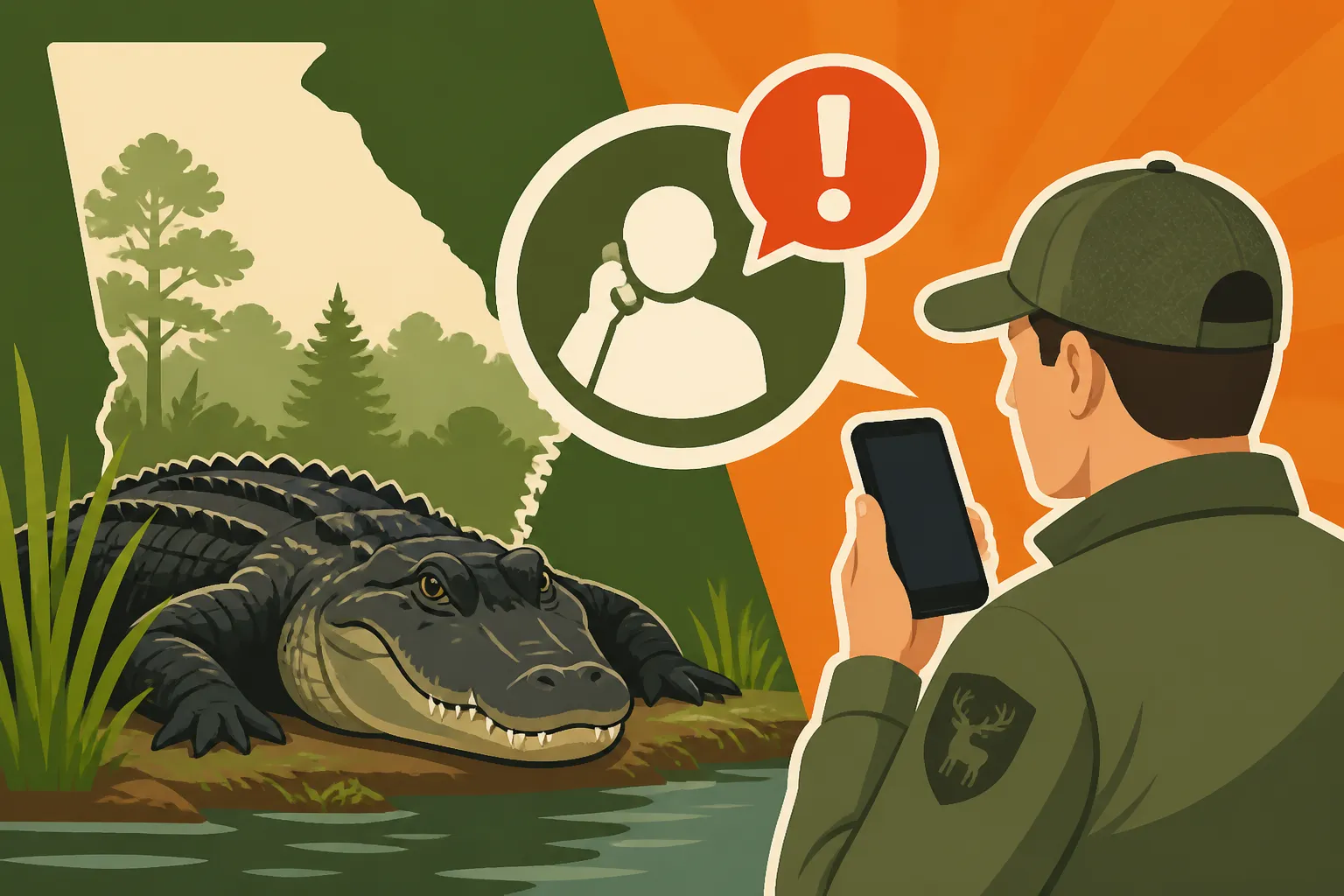
Reporting a Nuisance Alligator in Georgia
Picture this: you're enjoying your backyard pond or walking along a quiet stream in South Georgia, and suddenly, there it is – a sizable alligator, perhaps a little too close for comfort, or worse, acting aggressively. It's unsettling, even alarming, and leaves you wondering what to do. This guide is here to walk you through exactly how to report a nuisance alligator in Georgia, what to expect from the authorities, and how to navigate these potentially stressful encounters safely.
Understanding What Constitutes a Nuisance Alligator
Before you pick up the phone, it’s really important to understand what truly qualifies an alligator as a "nuisance" in the eyes of Georgia's wildlife authorities. Not every alligator sighting warrants a call, and sometimes, they’re just being alligators in their natural habitat. Trust me, nobody wants to waste precious wildlife resources on a gator that's just minding its own business.
Defining Aggressive Behavior
A true nuisance alligator is one that has lost its natural fear of humans and poses a direct threat to people, pets, or livestock. This isn't just a gator sunning itself on a bank or swimming across a pond. We're talking about specific, concerning behaviors. For instance, an alligator might be considered a nuisance if it's consistently approaching boats or swimmers, or if it's repeatedly showing up in residential areas far from its usual water source, seemingly seeking out interactions. If a gator is hissing, lunging, or making aggressive displays toward people or pets, that's a clear red flag. You might also notice it lingering near docks or popular swimming spots, becoming a persistent and visible presence that genuinely threatens public safety.
One common frustration I hear is people mistaking a large alligator for an aggressive one. Just because a gator is big doesn't mean it's dangerous. However, if that large alligator starts to associate humans with food, that's where the problem really escalates. Feeding alligators, whether intentionally or accidentally, is the number one cause of nuisance behavior. It teaches them to approach people, which is incredibly dangerous for both the gator and the community. This behavior might also include an alligator showing up consistently in unusual places, like a golf course pond adjacent to houses or a retention pond in a suburban development.
Alligator Sightings Versus Real Threats
Many alligator sightings, especially in areas where they are naturally common, are just part of living in Georgia. Alligators are an integral part of our ecosystem, particularly in the southern and coastal regions of the state. It's not uncommon to see them in rivers, lakes, ponds, and even drainage ditches, especially during warmer months. These animals have been here long before us, and a respectful distance is usually all that's needed. For some context, you might be interested in Georgia Alligator Population Estimate and Where Georgia's Alligators Concentrate to understand just how prevalent they are in certain areas.
So, when is a sighting more than just a sighting? If an alligator appears to be stalking pets or small children, that's a serious concern. If it's blocking access to public areas, or if it has actually attacked a pet or livestock, then it absolutely needs to be reported. However, if it's just basking in the sun on a secluded bank or swimming peacefully in the middle of a large body of water, it's likely not causing any harm. I've even heard stories of gators using a convenient culvert to get from one pond to another, which can be alarming to see but isn't necessarily a threat. It's about discerning between an alligator simply existing and one actively posing a danger.
Why You Should Never Feed Alligators
This cannot be stressed enough: never feed an alligator. It's not just illegal; it's incredibly irresponsible and creates long-term problems for both the alligators and the human population. When you feed an alligator, even just once, you teach it to associate humans with food. This fundamentally alters their natural behavior, turning them from wary wild animals into bold, habituated creatures that approach people without fear. This is precisely what transforms a wild alligator into a "nuisance" alligator. Once an alligator becomes accustomed to being fed, it will continue to seek out food from human sources, often becoming aggressive when it doesn't get what it expects.
The consequences of feeding an alligator are severe. For the alligator, it often means relocation or, unfortunately, euthanasia, because a habituated gator is a danger to the community and cannot simply be moved to another area where it would likely repeat the behavior. For humans, it means increased risk of attack, especially for pets and children who might unknowingly get too close. This is a frustration I hear often: people trying to "help" a gator by feeding it, only to create a dangerous situation for everyone involved. It's a tough lesson, but for the safety of all, keeping wild animals wild means keeping human food out of their diet.
The Reporting Process: Who to Call and What to Expect
When you encounter an alligator that genuinely fits the "nuisance" description, knowing who to call and what information to provide can make all the difference in a swift and effective response. This isn't the time to call 911 unless there's an immediate, life-threatening emergency. We're talking about contacting the wildlife professionals who are trained to handle these situations.
Initial Observations and Safety Measures
Before you even think about calling, take a moment to observe the situation from a safe distance. Seriously, give the gator a wide berth. Alligators are faster than you think, especially over short distances. Try to note key details: what is the alligator doing? Is it actively approaching people or pets? What size does it appear to be (roughly, length estimates can be helpful)? Where exactly is it located? Is it in a residential area, a public park, or a remote body of water? Having this information ready will be crucial when you make your report.
While observing, prioritize safety above all else. Keep children and pets away from the water's edge. If you're on a boat, maintain a respectful distance. Do not try to approach, harass, or provoke the alligator in any way. I know it can be tempting to try to scare it off, but that can backfire spectacularly and put you in harm's way. Remember, even if it looks docile, it's still a powerful wild predator. Many people forget that alligators are particularly active during warmer months, and understanding Why Alligator Nuisance Calls Rise in Summer can help prepare you for potential encounters.
Contacting Georgia's Wildlife Authorities
In Georgia, the primary agency responsible for managing alligators and responding to nuisance complaints is the Georgia Department of Natural Resources (DNR), specifically their Wildlife Resources Division. They have a dedicated team for wildlife emergencies and nuisance animal calls. You'll want to find the contact information for your regional DNR office, or their general dispatch number for wildlife conflicts. A quick search online for "Georgia DNR nuisance alligator report" will typically lead you to the right contact.
When you call, be prepared to provide all the details you observed. They'll want to know the exact location, including street addresses or landmarks, the size of the alligator, its behavior, and how long it has been present. They might also ask if anyone has been feeding the alligator or if there have been any previous incidents in the area. Be calm and precise with your information; exaggerating or minimizing details won't help. This is where apps like GoHunt, while primarily for hunting and mapping, can sometimes offer geographical context, helping you describe the precise location of the sighting if you're in a less familiar area.
What Happens After You Report a Nuisance Gator?
Once you've made the call, the wheels start turning. The Georgia DNR doesn't just send anyone out; they dispatch trained professionals who understand alligator behavior and safe removal techniques. It's a process, and it might not always be as instantaneous as you hope, depending on the severity and urgency of the situation.
DNR Assessment and Response
After receiving your report, the Georgia DNR will assess the situation based on the information you provided. If it's a genuine nuisance alligator posing a threat, they will typically dispatch a certified nuisance alligator agent. These aren't just regular game wardens; these are individuals with specialized training and permits to handle potentially dangerous alligators. The agent's first step will be to confirm the alligator's nuisance behavior. They'll observe the gator to verify if it's truly a threat to public safety, and not just a wild animal in its natural habitat. This assessment is critical because not all reported alligators will be removed.
The agent will look for signs of habituation, aggressive displays, or if the alligator has indeed preyed on pets or livestock. If the alligator is deemed a nuisance, the agent will then work to remove it. This could involve trapping the alligator, snaring it, or, in some cases, humanely dispatching it on site if trapping is not feasible or if the alligator's behavior presents an immediate danger that can't be mitigated otherwise. This is a serious decision, and it's not taken lightly, as the DNR is committed to conserving these fascinating American Alligators in Georgia.
Removal and Relocation Policies
Georgia's policy regarding nuisance alligators typically involves their removal from the problematic area. However, relocation isn't always a straightforward or viable option, especially for truly habituated or aggressive animals. While it might seem like the most humane solution to just move the gator, relocating a nuisance alligator can often just transfer the problem to a new location or, worse, result in the alligator returning to the original site. Alligators have an incredible homing instinct and can travel surprising distances to get back to familiar territory.
Furthermore, introducing a habituated alligator into a new wild population can disrupt the existing ecosystem, potentially spreading disease or increasing competition for resources. Therefore, in many cases, especially with larger or more aggressive nuisance alligators that have lost their fear of humans, the most responsible course of action for public safety and wildlife management is to humanely euthanize the animal. This is a harsh reality, but it underscores the importance of never feeding alligators in the first place. You might be interested in how the DNR manages larger gators, as seen in topics like Minimum Legal Alligator Length in Georgia, which sometimes influences decisions about removal.
Understanding Georgia's Alligator Management Programs
Georgia's alligator management program is a comprehensive effort aimed at balancing public safety with the conservation of a healthy alligator population. It includes monitoring population trends, regulating hunting seasons (like those covered in Alligator Hunting in Georgia), and, of course, responding to nuisance complaints. The DNR uses data from nuisance calls, along with other surveys, to track alligator distribution and behavior across the state. They also issue special permits to qualified individuals (nuisance alligator agents) who are authorized to trap and remove problem alligators.
This proactive management is vital, especially as Georgia's human population grows and develops into areas that were once solely alligator habitat. The goal is to minimize human-alligator conflicts while ensuring the long-term health of these incredible reptiles. Hunters, too, play a role in this management, helping to maintain population balance in designated areas. It's a complex dance between conservation, public education, and direct intervention when an alligator truly becomes a threat.
Coexisting with Alligators in Georgia
Living in Georgia means sharing our beautiful landscapes with a diverse array of wildlife, and that includes alligators, especially in the southern half of the state. While nuisance encounters can be frightening, the vast majority of alligators want nothing to do with people. The key is understanding their behavior and taking preventative measures to avoid conflict.
Preventative Measures Around Waterways
If you live near water or frequently visit areas where alligators are known to reside, there are several common-sense steps you can take to minimize the risk of an encounter. First and foremost, never swim or allow pets to swim in waters known to have alligators, especially at dawn, dusk, or night. These are prime hunting times for alligators, and their low profile makes them incredibly hard to spot in dim light. I've often seen folks let their dogs splash in retention ponds, completely unaware of what might be lurking.
Secondly, keep your pets on a leash and away from the water's edge. Alligators view small animals as potential prey, and a loose pet is an easy target. Always dispose of fish scraps and animal carcasses properly, far away from any water body. These can attract alligators, drawing them closer to human activity. Regularly clean up any debris or dense vegetation around your docks or shorelines that could provide cover for a lurking gator. Maintaining a clear line of sight can help you spot them before they become a surprise.
Safe Practices in Alligator Country
When you're out enjoying Georgia's natural beauty, especially in places like the Okefenokee Swamp or along coastal rivers, remember you are in alligator country. Always be aware of your surroundings. Use common sense. If you see an alligator, give it a wide berth and do not approach it. A good rule of thumb is to stay at least 60 feet away – that's about four car lengths. Don't try to get a closer look or take a selfie. It's just not worth the risk. For more insights on where these animals tend to congregate, you might find Georgia Alligator Nuisance Complaints informative.
Educate your children about alligator safety. Teach them to never approach wild animals and to be cautious around water. Keep an eye out for warning signs posted in public areas that indicate alligator presence. If you're camping or fishing near alligator habitat, make sure food is stored securely and garbage is properly contained to avoid attracting any wildlife. Alligators are naturally wary of humans, and maintaining that healthy fear is the best way to ensure both our safety and theirs.
When to Be Extra Cautious
There are certain times and situations when you should exercise extra caution regarding alligators. Breeding season and nesting season, typically in late spring and early summer, can make alligators more territorial and protective. Females guarding nests can be particularly aggressive. So, if you're out fishing or kayaking in May or June, be especially vigilant. Georgia Alligator Egg Nest Surveys provide valuable information on these critical periods.
Also, be wary after heavy rains or flooding. Alligators can be displaced from their usual habitats and end up in unexpected places, like flooded fields, ditches, or even residential yards. They're simply seeking new water or trying to get back to their familiar territory. This is when calls to the DNR often spike, as confused gators turn up in unusual spots. Always remember that any alligator, regardless of its size, should be treated with respect and caution. By understanding these behaviors and taking simple precautions, we can peacefully coexist with these ancient reptiles that call Georgia home.
Disclaimer
This article is for general informational purposes only and does not constitute professional advice. Laws, prices and regulations vary by location and change over time. Consult a qualified professional for guidance on your specific situation.