Georgia Waterfowl on the Atlantic Flyway
Hunting waterfowl in Georgia can feel like chasing ghosts sometimes, especially when you're trying to figure out where the birds are going to be and what regulations you need to follow. It's a challenging but deeply rewarding pursuit, and understanding the nuances of the Atlantic Flyway and Georgia's unique habitats is key to success. This comprehensive guide is here to walk you through everything you need to know about pursuing ducks and geese in the Peach State, from understanding migration patterns to scouting hot spots and choosing the right gear.
Understanding Georgia's Place on the Atlantic Flyway
Georgia, with its diverse landscapes stretching from the Appalachian Mountains to the Atlantic coast, plays a crucial role for migratory waterfowl traveling the Atlantic Flyway. This isn't just a random pathway; it's a superhighway for millions of birds heading south for the winter or staging for their return trip north. For hunters, grasping this fundamental concept is the first step toward consistent success.
What is the Atlantic Flyway?
The Atlantic Flyway is one of four major migratory bird routes across North America, stretching from Greenland and the Canadian Arctic down to the Caribbean and South America. It's an invisible aerial highway that birds instinctively follow, guided by ancient patterns and environmental cues. Think of it as a funnel, gathering birds from vast northern breeding grounds and directing them south. Georgia sits squarely in the middle-to-southern portion of this funnel, acting as a critical wintering ground, a refueling stop, and a crucial sanctuary for many species. Birds like mallards, wood ducks, green-winged teal, and Canada geese use this flyway annually. The health of the entire flyway relies on healthy habitats along its entire length, and Georgia's swamps, marshes, and agricultural lands are vital components of this interconnected system.
What makes the Atlantic Flyway so impactful for Georgia hunters is the sheer volume and variety of birds it brings. While local populations of wood ducks are year-round residents, the bulk of our harvestable birds are migrants from much further north. Understanding when these migrations peak and what weather patterns push birds south can dramatically influence hunting success. A strong cold front pushing down from the north often means a fresh influx of birds, sometimes overnight, offering incredible opportunities. Conversely, mild winters can keep birds further north, making hunting in Georgia more challenging in certain years.
Key Migration Corridors Through Georgia
Within the broader Atlantic Flyway, Georgia has several distinct corridors that waterfowl tend to follow, largely dictated by major river systems, coastal features, and agricultural regions. For instance, the coastal plain, particularly the marshlands and estuaries along the Atlantic coast, serves as a significant wintering area for diving ducks like redheads and bluebills, as well as dabblers like pintails and wigeon. Birds follow the coastline, utilizing the vast expanses of brackish and saltwater marshes for food and refuge. Major river systems, such as the Altamaha, Ocmulgee, Oconee, and Savannah, act as inland highways. These rivers, with their extensive bottomland hardwoods, oxbow lakes, and associated wetlands, provide critical habitat for migrating wood ducks and mallards, in particular.
Further inland, agricultural areas, especially those with flooded timber or seasonal impoundments used for farming rice or corn, create attractive feeding grounds for dabbling ducks and geese. The Piedmont region, while not as renowned as the coast or the major river systems, still sees significant numbers of wood ducks and mallards utilizing smaller creeks, beaver ponds, and farm impoundments. Knowing these localized corridors helps hunters focus their scouting efforts. For example, a hunter targeting Hunting Coastal Georgia Marsh Waterfowl will focus on different terrain and tactics than someone pursuing birds in the flooded hardwoods of the Altamaha. Recognizing these patterns, often with the aid of mapping tools like GoHunt, allows hunters to predict bird movements and be in the right place at the right time.
Common Waterfowl Species You'll Encounter in Georgia
Georgia's position on the Atlantic Flyway means we host a diverse array of waterfowl throughout the season. From the fast-flying teal to the majestic Canada goose, each species has its own behaviors, habitat preferences, and challenges for hunters. Knowing what you're looking for, and more importantly, what to expect in specific habitats, is crucial for both identification and successful hunting.
Dabbling Ducks and Their Habitat Preferences
Dabbling ducks are perhaps the most common and sought-after waterfowl in Georgia. These birds feed primarily in shallow water, tipping forward to "dabble" for vegetation, seeds, and invertebrates. They typically launch directly into the air when startled, rather than running across the water. The king of dabblers in Georgia is arguably the wood duck, a year-round resident that's also heavily augmented by migrants from the north. You'll find wood ducks in virtually any wooded swamp, beaver pond, or creek system across the state. They love timbered wetlands and can often be found navigating tight turns in creeks, a behavior that often leads to success for those practicing Pass-Shooting Georgia Wood Ducks.
Other prominent dabblers include mallards, green-winged teal, blue-winged teal, gadwall, and pintails. Mallards, while not as abundant as in the Midwest, are still a highly prized bird, often found in flooded fields, larger swamps, and impoundments where grain or natural seeds are present. Teal, especially the green-winged variety, are incredibly fast-flying and prefer shallow, open mudflats or flooded fields. Blue-winged teal are typically early migrants, often passing through Georgia well before the main season opens, while green-winged teal arrive later and stay longer. Gadwall and pintails are more common in coastal marshes and larger inland wetlands, often preferring slightly more open water than wood ducks but still feeding in relatively shallow areas.
Diving Ducks and Deeper Waters
Diving ducks, as their name suggests, feed by diving completely underwater to forage for aquatic vegetation, shellfish, and small fish. Unlike dabblers, they need a "running start" across the water to take flight. While not as universally distributed as dabblers, certain areas of Georgia, particularly along the coast and on large reservoirs, can offer excellent diving duck hunting. Redheads, canvasbacks, and scaup (bluebills) are the most common diving ducks seen in Georgia. Redheads are often found in brackish coastal waters, feeding on submerged aquatic vegetation. They are beautiful birds and offer a challenging hunt in windy conditions.
Scaup, both greater and lesser, are frequent visitors to coastal sounds, estuaries, and larger open bodies of water like Lake Lanier or Lake Oconee during migration. They can appear in massive rafts, offering exciting, if sometimes frustrating, hunting. Canvasbacks, known for their distinctive sloped profile and swift flight, are less common but highly prized. They tend to favor larger, open water bodies and feed heavily on aquatic vegetation. Hunting diving ducks often requires different tactics than dabblers, including larger decoy spreads in open water and a keen understanding of Hunting Coastal Georgia Marsh Waterfowl where birds might concentrate. These species also tend to be more tolerant of rougher weather, making them a great option when a cold front whips through the state.
Geese and Other Migratory Birds
Beyond ducks, Georgia also hosts significant populations of migratory geese. The primary species is the Canada goose, which has both migratory and resident populations within the state. Resident Canada geese are often found on golf courses, farm ponds, and agricultural fields year-round, while migratory birds arrive from northern breeding grounds as temperatures drop. Snow geese and specklebelly geese (greater white-fronted geese) are also seen, though in much smaller numbers, primarily along the coast and in specific agricultural areas in the southern part of the state.
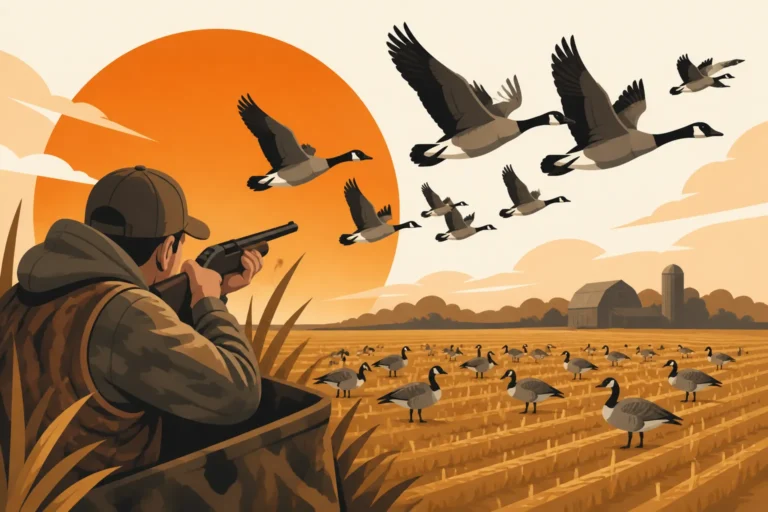
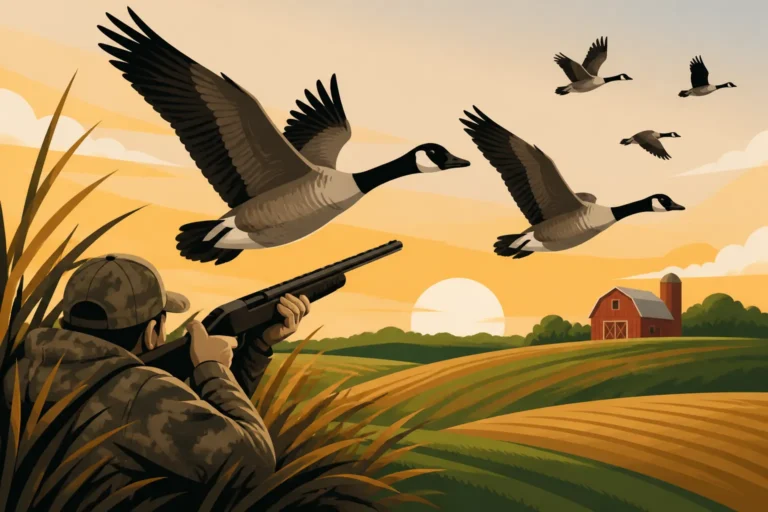
Hunting geese, especially the larger Canada geese, often involves setting up in harvested agricultural fields where they feed on waste grain. This requires extensive scouting, often with the help of mapping tools like GoHunt which can help identify potential feeding areas. Layout blinds, large decoy spreads (often full-body decoys), and powerful calls are typically employed. While geese are larger targets, they can be incredibly wary, especially later in the season. Beyond geese, hunters might also encounter other migratory game birds like coots and mergansers. Coots are often plentiful but rarely targeted due to their preference for fish, which gives their meat a strong flavor. Mergansers, too, are fish-eaters, but are occasionally harvested as incidental birds during duck hunts.
Prime Waterfowl Hunting Habitats Across Georgia
Georgia's varied topography and hydrology create a tapestry of habitats perfect for waterfowl. From the salty expanses of the coast to the dense, flooded timber of inland rivers, understanding these distinct environments is paramount to successful waterfowl hunting. Each habitat type calls for specific strategies, gear, and a keen eye for bird behavior.
Coastal Marshes and Estuaries
The coastal region of Georgia, stretching from Savannah down to the Florida border, is arguably the state's most iconic waterfowl destination. This expansive area of salt and brackish marsh, dotted with tidal creeks, estuaries, and barrier islands, provides critical wintering habitat for a vast number of ducks and geese. Species like pintails, wigeon, redheads, scaup, and buffleheads thrive in these nutrient-rich waters. The sheer scale of the marsh can be intimidating, but careful scouting reveals patterns of bird movement and preferred feeding grounds. Tides play a huge role here; birds often move with the rising and falling water, seeking out new food sources or retreating to open water for safety.
Hunting in these coastal environments often involves boats – everything from shallow-draft jon boats to larger marsh skiffs – to access remote areas. Decoy spreads can range from small bunches in tight creeks to large, diverse spreads in open sounds. Hunters typically use layout blinds, marsh blinds, or simply brush themselves into the Spartina grass. The challenges here include navigating strong tides, dealing with rapidly changing weather, and often battling mosquitoes and sand gnats, even in cooler months. However, the reward can be phenomenal, with diverse bags of fast-flying coastal ducks. Understanding the nuances of Hunting Coastal Georgia Marsh Waterfowl is a true art form.
Inland Swamps and River Bottoms
Moving inland, Georgia's extensive river systems and their associated floodplains offer a completely different, yet equally productive, waterfowl hunting experience. The Altamaha, Ocmulgee, Oconee, Satilla, and Flint Rivers, among others, carve out vast bottomland hardwood swamps, oxbow lakes, and sloughs that are paradise for wood ducks and mallards. These areas are characterized by cypress and tupelo trees, often partially submerged, creating ideal foraging and roosting sites. The water levels in these swamps are highly dependent on rainfall, and identifying areas with suitable water depth is key.
Hunting here often means seeking out flooded timber, sloughs, or small, hidden openings in the dense canopy. Small boats, kayaks, or even just waders are common modes of transport. Decoy spreads tend to be smaller and more focused, often consisting primarily of wood duck and mallard decoys. Calling is crucial, especially soft clucks and quacks to draw birds through the trees. The challenge in these environments lies in navigating dense cover, dealing with fluctuating water levels, and often long hauls into remote areas. However, the intimate experience of calling in a flock of wood ducks through ancient hardwoods is unforgettable. This is where hunters often master tactics for Pass-Shooting Georgia Wood Ducks through tight timber.
Agricultural Fields and Impoundments
Beyond the wilder wetlands, Georgia's agricultural landscape provides critical feeding grounds for ducks and, especially, geese. Many farms across the state, particularly in the Piedmont and Coastal Plain, plant corn, soybeans, and other crops that, once harvested, leave waste grain accessible to waterfowl. Additionally, some landowners manage "green tree reservoirs" or impoundments – flooded fields or timber stands specifically managed for waterfowl attraction. These areas are magnets for mallards, pintails, and various goose species, particularly Canada geese.
Hunting agricultural fields typically involves setting up in layout blinds or large, camouflaged ground blinds directly in the field. Large spreads of full-body decoys, often numbering in the dozens or even hundreds, are used to mimic a feeding flock. Careful scouting is absolutely essential here to determine where birds are consistently feeding. This often requires early morning or late evening drives, watching fields from a distance, or using mapping apps like GoHunt to identify potential feeding patterns. For geese, targeting Canada Geese on Georgia Farmland requires patience and an understanding of their wary nature. Impoundments, especially those with managed water levels, can be incredibly productive, offering more traditional duck hunting over water, but with the added benefit of controlled food sources. Access to these areas is almost exclusively on private land, often through leasing or by gaining permission from landowners.
Navigating Georgia's Waterfowl Season and Regulations
Understanding Georgia's waterfowl regulations is just as critical as knowing where to hunt. These rules, set by both federal and state agencies, are designed to manage populations sustainably and ensure fair chase. Missing a detail can lead to fines, confiscated gear, and loss of hunting privileges. It's not always straightforward, but knowing the essentials is key for every waterfowl hunter.
Key Season Dates and Bag Limits
Georgia's waterfowl seasons are divided into several segments, or "splits," to maximize opportunities while accounting for migratory patterns. Typically, there's an early teal season in September, followed by various duck and goose splits that run from late November through January. These season dates can shift slightly year to year based on federal frameworks and state biological data, so always check the current Georgia DNR hunting regulations guide. It's your bible. For example, specific regulations exist for early migratory species, and understanding Duck Migration Timing Through Georgia is important for planning.
Bag limits also vary significantly by species. For example, the daily limit for ducks might be six, but within that limit, there are restrictions on specific species like mallards (often limited to two, with only one hen), pintails (often one), or canvasbacks (often one). Wood ducks typically have a higher individual limit within the overall bag. Geese also have their own bag limits, with Canada geese often having a more generous limit than less common species like snow geese or specklebellies. It's paramount to be able to identify your birds in flight, particularly before taking a shot, to avoid violating these species-specific limits. An accidental hen mallard could put you over your limit, so knowing your ducks is critical.
Federal and State Stamp Requirements
Beyond your general Georgia hunting license, waterfowl hunters have additional requirements. The most important is the Federal Migratory Bird Hunting and Conservation Stamp, universally known as the "Federal Duck Stamp." This stamp, required for anyone 16 years of age or older to hunt migratory waterfowl, is more than just a permit; 98 cents of every dollar spent on a Federal Duck Stamp goes directly to acquire and protect wetland habitat for birds and other wildlife. It's a cornerstone of waterfowl conservation in the U.S. This is a non-negotiable item for any duck or goose hunter.
In addition to the Federal Duck Stamp, Georgia requires hunters of migratory birds to possess a Georgia Migratory Bird Stamp, often part of the state's comprehensive hunting license packages. You also need to register for the Harvest Information Program (HIP). This is a federal program that collects harvest data to help wildlife agencies make sound management decisions. It's free and just involves answering a few questions about your previous year's hunting success when you buy your state license. Make sure you meet the Georgia Federal Duck Stamp Requirement and complete your Georgia HIP Certification for Bird Hunters before heading afield. Many states now allow digital versions of licenses and stamps, but it's always wise to carry a physical copy or at least have a screenshot on your phone in case of cell service issues in remote hunting locations.
Special Zones and Exceptions
Georgia's waterfowl hunting regulations also include special zones and exceptions that hunters need to be aware of. For example, the state is often divided into different "duck zones" for specific purposes, such as defining certain season dates or restricting hunting methods. While not as complex as some states with multiple zones, understanding the Georgia Duck Zone Boundaries for any given season is important, especially if you hunt near county lines or on certain Wildlife Management Areas (WMAs) which may have their own unique regulations.
Some WMAs or National Wildlife Refuges (NWRs) within Georgia have specific quota hunts, draw hunts, or special regulations that differ from statewide rules. These might include restrictions on hunting days, shooting hours, boat motor size, or even the types of blinds allowed. Always check the specific regulations for any WMA or NWR you plan to hunt well in advance. For instance, areas like the Altamaha River Wildlife Management Area are incredibly popular but come with their own set of rules. Additionally, there are federal baiting regulations that apply to all waterfowl hunting. It is illegal to hunt waterfowl over bait, and understanding what constitutes "baiting" (e.g., placing grain, salt, or other feed to lure birds) is absolutely critical to avoid serious legal trouble. When in doubt, always err on the side of caution or consult directly with Georgia DNR.
| Species | Primary Habitat | Preferred Food | Key Identification Traits |
|---|---|---|---|
| Wood Duck | Flooded timber, beaver ponds, forested swamps | Acorns, seeds, aquatic insects | Crested head, iridescent plumage, square tail |
| Mallard | Flooded fields, larger swamps, impoundments | Grain, seeds, aquatic plants | Green head (drake), yellow bill, curled tail |
| Green-winged Teal | Shallow mudflats, flooded fields, marshes | Small seeds, invertebrates | Small size, green speculum, fast flight |
| Pintail | Coastal marshes, open wetlands, flooded fields | Aquatic vegetation, seeds | Long neck, slender body, distinct pintail (drake) |
| Redhead | Brackish coastal marshes, large open water | Submerged aquatic vegetation | Round red head (drake), blue bill |
| Scaup (Bluebill) | Coastal sounds, estuaries, large reservoirs | Mollusks, crustaceans, aquatic insects | Black head/chest, gray back, white wing stripe |
| Canada Goose | Agricultural fields, large impoundments, lakes | Waste grain, grasses, aquatic plants | Black neck/head with white chin strap |
Essential Gear and Tactics for Successful Waterfowl Hunting
Waterfowl hunting is a gear-intensive pursuit, and having the right equipment matched with effective tactics can make all the difference between a successful hunt and a frustrating one. From convincing decoys to reliable firearms and protection from the elements, every piece plays a role in attracting birds and getting them within range.
Decoy Spreads and Calling Strategies
Decoys are the cornerstone of almost any waterfowl hunt, acting as visual magnets to lure birds into shooting range. The type and size of your spread will largely depend on the species you're targeting and the habitat you're hunting. For dabbling ducks in flooded timber or small ponds, a relatively small spread of a dozen or two wood duck and mallard decoys might be all you need, placed in a natural-looking cluster or J-hook pattern. In larger, more open waters for diving ducks or in agricultural fields for geese, hunters often deploy much larger spreads, sometimes hundreds of decoys, to create the illusion of a massive, safe feeding or resting area. Adding movement to your spread with jerk strings or motorized decoys can significantly increase effectiveness, particularly on calm days. For geese, full-body decoys tend to be more effective than silos or shells, as geese are notoriously wary.
Calling is the auditory complement to your visual decoy spread. For ducks, a good call can grab attention, turn reluctant birds, and ultimately bring them into range. Mastering basic mallard quacks, hen greetings, comeback calls, and feeding chuckles is essential. For wood ducks, a high-pitched "woo-eek" call can be incredibly effective in tight cover. Goose calling is an art form in itself, requiring mastery of honks, clucks, and moans to mimic a contented flock. Practice, listening to live birds, and learning from experienced callers are the best ways to improve. Remember, less is often more with calling; sometimes a few soft calls are far more effective than blasting away. In areas with high hunting pressure, knowing how to use more subtle calls and varying your calling can make a huge difference.
Shotguns, Ammunition, and Chokes
A reliable shotgun is critical for waterfowl hunting. Most hunters opt for 12-gauge shotguns due to their versatility in handling various shot sizes and payloads, though 20-gauge shotguns are also popular, particularly for younger or smaller hunters. Pump-action, semi-automatic, and over/under shotguns are all viable choices. The key is to find a gun you shoot well and that can withstand the often harsh conditions of waterfowl hunting – mud, water, and cold. For specific recommendations, consider firearms like those from Benelli or Winchester, known for their reliability in the field.
Ammunition choice is equally important. Federal regulations mandate the use of non-toxic shot for all waterfowl hunting. This means lead shot is strictly prohibited. Common non-toxic alternatives include steel, bismuth, and tungsten-alloy loads. Steel shot is the most common and affordable, but it's lighter than lead, requiring larger shot sizes for equivalent knockdown power. Bismuth and tungsten-alloy loads are denser, performing more like lead, but come at a higher cost. Shot size selection depends on the species and conditions; for ducks, #2, #3, or #4 steel are popular choices, while geese often require larger BB or BBB steel. Your choke choice also impacts your pattern. Modified chokes are a versatile choice for most waterfowl situations, offering a good balance of spread and density, though improved cylinder or full chokes may be preferred for closer-range (timber) or longer-range (open water) shots, respectively. Understanding Waterfowl Loads for Coastal Georgia Divers is key to ensuring you're using the right ammunition for the job.
Boats, Blinds, and Weather Protection
Accessing many of Georgia's prime waterfowl habitats requires a boat. In coastal marshes, shallow-draft jon boats or specialized marsh boats are essential for navigating tidal creeks and open sounds. For inland swamps and beaver ponds, smaller jon boats, canoes, or kayaks are often used to penetrate dense cover. Always prioritize safety: wear life vests, carry all required safety gear, and be mindful of changing weather and water conditions, especially on larger rivers or the coast.
Blinds provide concealment from the sharp eyes of approaching birds. These can range from natural cover (brushing yourself into reeds or trees), to portable layout blinds in open fields, to permanent custom-built blinds on impoundments. For coastal hunting, specialized marsh blinds designed to be anchored in the mud are common. For general river or swamp hunting, lightweight portable blinds or simply utilizing the natural cover of flooded timber works well. The goal is to blend seamlessly into your surroundings.
Finally, weather protection is paramount. Waterfowl hunting often takes place in cold, wet, and windy conditions. Layered clothing is essential to stay warm and dry, allowing you to adapt to changing temperatures. Waterproof and windproof outer layers are a must. Waders, particularly chest waders, are indispensable for navigating shallow marshes, flooded timber, and retrieving birds. Neoprene waders offer excellent insulation, while breathable models are more comfortable in warmer weather. Good quality waterproof boots, gloves, and a warm hat complete the ensemble. Always be prepared for the worst Mother Nature can throw at you, because cold, wet hunters are miserable hunters. Having durable Waders for Georgia Tidal Marsh Hunting can make or break a cold morning hunt.
Conservation Efforts and the Future of Georgia Waterfowl
Waterfowl hunting is inextricably linked to conservation. For generations, hunters have been at the forefront of protecting and enhancing waterfowl populations and their habitats. In Georgia, as across the entire Atlantic Flyway, these efforts are ongoing and vital for ensuring healthy bird populations for future generations.
Habitat Restoration and Management
The most critical aspect of waterfowl conservation is habitat. Ducks and geese rely on vast networks of healthy wetlands, marshes, forests, and agricultural lands for breeding, migration, and wintering. In Georgia, significant efforts are focused on restoring and managing these crucial habitats. Organizations like Ducks Unlimited, the Georgia Department of Natural Resources (DNR), and various private land trusts work tirelessly to acquire, restore, and enhance wetlands. This often involves projects like restoring hydrology to drained wetlands, planting waterfowl-friendly vegetation, controlling invasive species, and managing water levels in impoundments to provide ideal foraging conditions.
Many Wildlife Management Areas (WMAs) and National Wildlife Refuges (NWRs) in Georgia are actively managed with waterfowl in mind. For example, some WMAs intentionally flood fields or timber stands at specific times to create prime wintering habitat. These managed areas not only provide excellent hunting opportunities but also serve as crucial refuges for birds to rest and feed undisturbed. The long-term health of Georgia Waterfowl on the Atlantic Flyway depends on these sustained habitat restoration and management projects, ensuring that vital stopover and wintering sites remain productive despite increasing development pressures.
Hunter Contributions to Conservation
It's impossible to talk about waterfowl conservation without highlighting the massive contributions of hunters. The Federal Duck Stamp, as mentioned earlier, is a prime example. Since its inception in 1934, sales of the stamp have generated over $1.2 billion, conserving more than 6 million acres of wetland habitat. Hunters are the primary purchasers of these stamps, directly funding habitat protection. Beyond the duck stamp, state hunting license fees and excise taxes on firearms and ammunition (through the Pittman-Robertson Act) also generate billions of dollars for wildlife conservation and management.
Moreover, many hunters are actively involved in volunteer efforts, participating in habitat restoration projects, conducting bird surveys, and advocating for conservation policies. Organizations like Ducks Unlimited, Delta Waterfowl, and local hunting clubs are largely powered by the dedication and financial support of waterfowl hunters. This direct link between hunting and conservation is a powerful model that has successfully sustained waterfowl populations for decades. Every time you purchase a Georgia Migratory Bird Stamp Cost or a federal stamp, you are contributing directly to these vital efforts.
Challenges and Long-Term Outlook
Despite these significant conservation successes, waterfowl populations and their habitats face ongoing challenges. Habitat loss due to urban development, agricultural expansion, and climate change remains a major threat. Rising sea levels and increased storm intensity can degrade coastal marshes, while altered rainfall patterns can impact the availability of water in inland wetlands. Additionally, diseases like avian influenza can pose risks to bird populations, necessitating careful monitoring by wildlife agencies.
The long-term outlook for Georgia's waterfowl is cautiously optimistic. Through continued hunter funding, dedicated work by conservation organizations, and sound scientific management by state and federal agencies, there's hope that Georgia will remain a vital link in the Atlantic Flyway. However, it requires constant vigilance, adaptive management strategies, and continued hunter engagement to address emerging threats. Staying informed about regulations, participating in conservation efforts, and practicing ethical hunting are all ways to ensure a vibrant waterfowl hunting tradition for generations to come.
Scouting and Accessing Georgia's Waterfowl Hotspots
Finding where the ducks and geese are is often the hardest part of waterfowl hunting. It's a game of hide-and-seek, constantly changing with weather, water levels, and hunting pressure. Effective scouting and knowing your access options are paramount to consistently finding birds in Georgia.
Using Mapping Tools and Public Resources
In this modern age, scouting has been revolutionized by digital mapping tools. Services like GoHunt, OnX Hunt, and the Georgia Outdoors App provide invaluable aerial imagery, public/private land boundaries, and topographic maps. These tools allow hunters to identify potential roosting areas, feeding grounds, and water bodies from the comfort of their home. Look for patterns: where are the creeks flowing into larger rivers? Are there flooded timber stands adjacent to agricultural fields? Where are the beaver ponds concentrated? Identifying these potential hotspots on a map can save countless hours of aimless wandering.
Beyond digital maps, public resources from the Georgia Department of Natural Resources (DNR) are indispensable. The DNR publishes annual hunting regulations that include detailed information on season dates, bag limits, and specific WMA rules. Their website also often provides public land maps, harvest reports (which can give you an idea of where birds are being taken), and contact information for wildlife biologists who can sometimes offer insights. Checking federal agencies like the U.S. Fish and Wildlife Service (USFWS) for National Wildlife Refuge information is also crucial, as many NWRs offer managed waterfowl hunts. Don't underestimate the power of simply talking to local landowners, bait shop owners, or other hunters; local knowledge is often the best knowledge.
Public Land Opportunities WMAs, NWRs
Georgia boasts a significant amount of public land that offers waterfowl hunting opportunities, primarily through its Wildlife Management Areas (WMAs) and National Wildlife Refuges (NWRs). These areas are managed to provide diverse wildlife habitats and recreational access. WMAs like Altamaha River, Butler Island, and Redlands are well-known for their waterfowl potential, particularly during peak migration. These areas often feature managed impoundments, extensive river bottomlands, or coastal marsh access.
Hunting on WMAs and NWRs typically comes with specific rules and regulations that can differ from statewide laws. This might include specific hunt dates, limited access through quota hunts or draws, restrictions on boat motors, or requirements for specific types of blinds. Always consult the individual WMA or NWR regulations carefully before planning your hunt. Some public lands may also require a Georgia WMA Access Stamp in addition to your regular licenses. While public lands can sometimes see higher hunting pressure, they offer consistent opportunities and are well worth the effort of scouting and understanding their unique rules. Knowing where to access Georgia Public Land Hunting Hours and any special regulations can greatly improve your chances.
Gaining Private Land Access
While public lands are valuable, some of the best waterfowl hunting in Georgia occurs on private land. This is especially true for hunting over agricultural fields or on private impoundments and timber holdings. Gaining private land access can be challenging but is often incredibly rewarding. The best approach is often through polite inquiry and building relationships with landowners. A knock on the door, a clear explanation of your intentions, and an offer to help with chores or provide game meat can sometimes open doors.
Many private land opportunities are also available through hunting leases or by joining a hunting club. These arrangements provide exclusive access to properties, often with dedicated waterfowl management. Lease costs can vary widely depending on the quality of the land, location, and amenities. If you're considering a lease or club membership, do your due diligence, visit the property, and ensure it aligns with your hunting goals. Remember, whether on public or private land, always respect property boundaries, leave no trace, and hunt ethically. Securing permission for Hunting Small Private Tracts in Georgia can often lead to overlooked and highly productive waterfowl opportunities.
Disclaimer
Please be aware that hunting regulations, season dates, and license requirements in Georgia are subject to change. Always consult the most current Georgia Department of Natural Resources (DNR) hunting regulations guide before heading afield. This content is for informational purposes only and does not constitute legal advice. It is your responsibility to understand and comply with all applicable hunting laws.