Georgia Deer Population Estimate
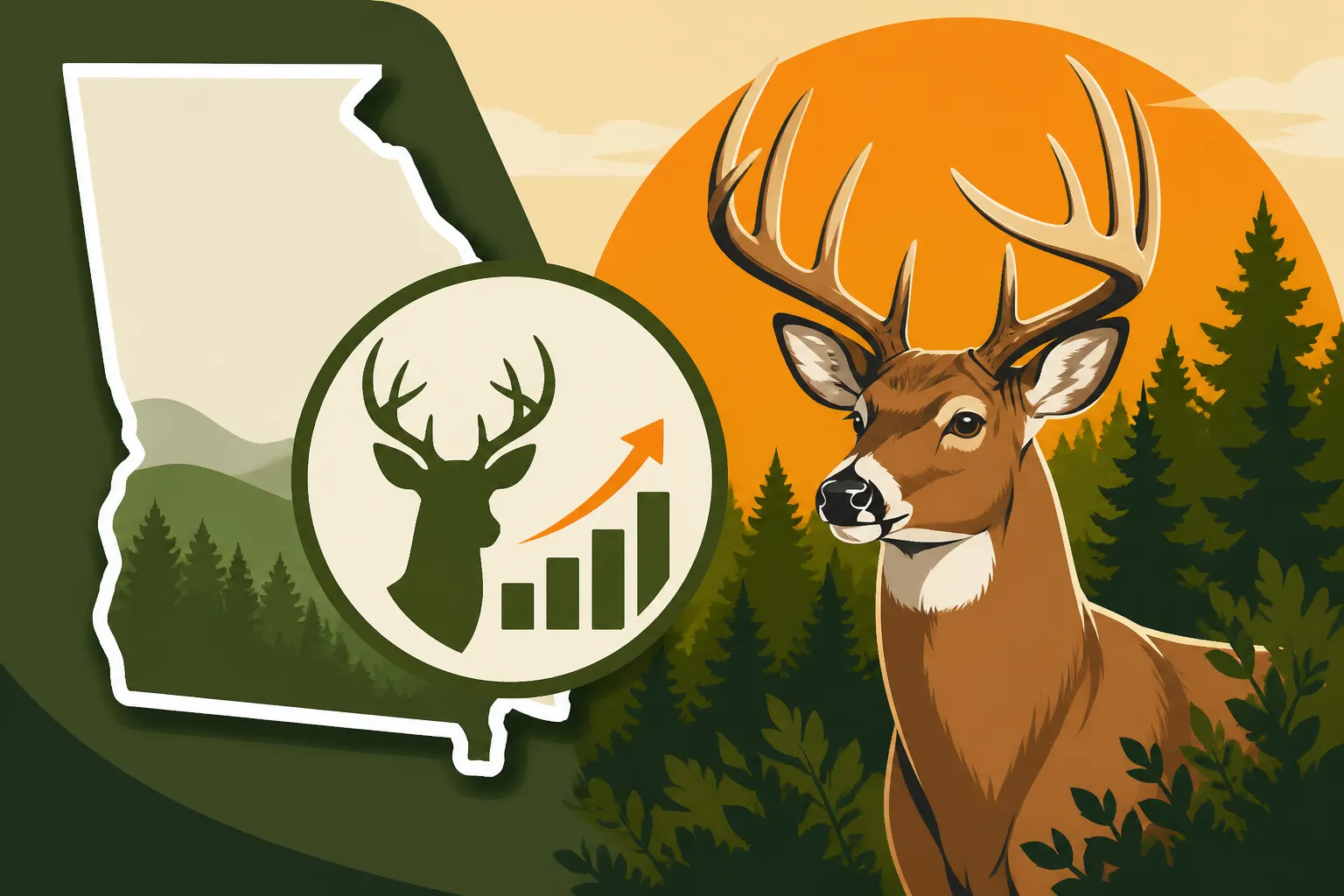
It's easy to feel like the deer are everywhere sometimes, especially when they're eating your azaleas, and other times, you can walk for miles through prime timber without seeing a single track. This fluctuation and uncertainty about deer numbers can be a real head-scratcher for Georgia hunters. This comprehensive guide will pull back the curtain on how wildlife biologists in Georgia estimate the whitetail deer population, dive into the regional variations you can expect to see across the state, and explore the many factors that influence these ever-changing numbers.
Understanding Georgia's Deer Herd Numbers
For those of us who spend countless hours in the woods, the health and size of the deer herd are always on our minds. We want to know if our efforts will be rewarded, if the next generation of hunters will have healthy populations to pursue, and if our local deer are truly thriving. But getting a clear picture of exactly how many deer are out there is far more complex than a simple headcount.
Why Deer Population Estimates Matter to Hunters
Understanding deer population estimates isn't just academic; it directly impacts our hunting experience and the regulations we follow. When wildlife agencies, like the Georgia Department of Natural Resources (DNR), have a solid grasp on deer numbers, they can set appropriate bag limits, define season lengths, and implement management strategies that ensure sustainable hunting for years to come. For instance, if a region's deer population is booming and exceeding its habitat's carrying capacity, you might see more generous antlerless harvest opportunities. Conversely, if numbers are dipping, seasons might be more restrictive to allow the herd to rebound. Knowing these estimates helps us understand the "why" behind rules like Georgia's Twelve-Deer Bag Limit or the specific structures of Georgia Deer Season Structure Explained. It also empowers us to make more informed decisions about our own hunting pressure and impact on local populations.
The Challenges of Counting Whitetails
Imagine trying to count every single squirrel in your backyard, let alone every deer in Georgia's diverse landscapes, from the dense mountain forests to the vast coastal plains. It's an immense undertaking. Whitetails are masters of camouflage and stealth, and their nocturnal habits make direct observation difficult. They move constantly, their numbers fluctuate with fawning seasons and harvest pressure, and they inhabit a mosaic of public and private lands, some easily accessible, others nearly impenetrable. Furthermore, factors like urbanization mean deer are found in increasingly fragmented habitats, making consistent counting methods even harder to apply statewide. It’s not like counting cattle in a pasture; it’s more like tracking ghosts in a wilderness.
How Georgia DNR Estimates Deer Populations
Given the monumental task of counting every deer, wildlife agencies rely on a combination of scientific methods and hunter data to piece together a reliable estimate. It's a continuous process that involves a lot of analysis and adjustment.
Utilizing Hunter Harvest Data
One of the most valuable sources of information for Georgia DNR comes directly from us, the hunters. Every deer legally harvested in Georgia must be reported through the Georgia Game Check system. This mandatory reporting provides a wealth of data, including the county of harvest, the date, and whether the deer was antlered or antlerless. This information is meticulously collected and analyzed. Biologists look at trends in harvest numbers over time, success rates among hunters, and the age structure of harvested bucks and does. For instance, if the average age of harvested bucks is increasing, it might suggest a healthy, older age structure in the herd, while a decrease could signal higher pressure on younger animals.
This harvest data, when combined with hunter effort (how many hunters are in the field and for how long), helps create a clearer picture of deer density in different areas. The Georgia DNR uses models that factor in known harvest rates to project total population numbers. It's a bit like taking a small, carefully measured sample from a large pot of stew to understand the ingredients of the whole. This data is critical for understanding annual fluctuations and long-term trends, and that's why accurate Georgia Deer Harvest Reporting Rules are so important for all of us. Companies like GoHunt provide mapping tools that can help visualize such data overlays, giving hunters additional context for their scouting efforts.
Incorporating Other Scientific Methods
While hunter harvest data is a cornerstone, it's not the only tool in the biologist's toolbox. Georgia DNR also employs a range of other scientific methods to fine-tune their population estimates.
- Spotlight Surveys: In certain areas, especially in the flat, open pine savannas of the coastal plain, biologists conduct spotlight surveys at night. Driving predetermined routes, they use powerful spotlights to count deer, providing a direct observation of deer density in those specific transects. This method offers a snapshot of actual deer seen per mile, which can then be extrapolated to broader areas with similar habitat.
- Camera Traps and Remote Sensing: The use of trail cameras has become increasingly sophisticated. By deploying arrays of cameras in specific grids and analyzing the frequency of deer sightings, biologists can estimate population density. Furthermore, advanced remote sensing techniques, though still evolving, can sometimes be used to assess habitat quality and indirectly infer deer numbers based on vegetation health and cover.
- Fawn Recruitment Studies: Understanding how many fawns survive to adulthood is crucial for predicting future herd growth. Studies focusing on fawn recruitment, often involving collaring does and their fawns, track survival rates and identify factors influencing fawn mortality, such as predation. This insight into Predator Impact on Fawn Recruitment directly informs population models, helping to forecast whether the herd is growing, shrinking, or holding steady.
- Deer Health Assessments: Monitoring the health of the deer herd through examinations of harvested animals provides clues about population density relative to habitat quality. A healthy, well-fed deer herd typically indicates that the population is within the carrying capacity of its environment. Conversely, signs of poor health, such as lower body weights or reduced antler growth, could suggest overpopulation or habitat stress.
- Disease Surveillance: Diseases like Chronic Wasting Disease (CWD) and Epizootic Hemorrhagic Disease (EHD) can significantly impact deer populations. Active surveillance for these diseases, especially within Georgia's Georgia's Chronic Wasting Disease Management Area, helps biologists understand their prevalence and potential impact on herd numbers, enabling proactive management responses.
By combining all these data points, Georgia DNR compiles a comprehensive picture of deer populations, regional densities, and trends, making the estimates as accurate as possible for the complex system that is Georgia's whitetail herd. This layered approach ensures that decisions are not based on a single piece of information but a holistic understanding.
Regional Differences in Georgia Deer Density
Georgia is a geographically diverse state, and it should come as no surprise that deer populations and densities vary significantly from one region to another. What you see in the mountains is vastly different from what you'll encounter in the swamps of the coastal plain. This regional variation is key for hunters planning their seasons.
North Georgia Mountains and Piedmont Region
The North Georgia mountains, part of the southern Appalachian range, present a challenging but rewarding landscape for deer. The habitat here is characterized by steep terrain, dense hardwood forests, and often less fertile soil compared to other parts of the state. Deer densities in these areas, while healthy, tend to be lower than in the agricultural regions to the south. Deer movements are often dictated by elevation, mast crops, and cover, with hunters needing to understand Wind and Thermals on a Mountain Ridge to be successful. You might not see as many deer per square mile, but the deer that thrive here are often robust and well-adapted to their environment.
Moving into the Piedmont region, which spans the central part of the state, you'll find a mix of forested lands, agricultural fields, and increasing suburban development. This region generally supports higher deer densities than the mountains. The presence of varied food sources – from acorns in hardwood bottoms to crops like soybeans and peanuts on farms – provides a rich buffet for whitetails. Hunting the edges of these farms, often near creek bottoms or timber blocks, can be highly productive. Many hunters focus on areas around Athens, Macon, and Columbus, where there's a good blend of habitat. Public lands like the Oconee National Forest offer prime opportunities, but even small private tracts in the Piedmont can hold excellent deer.
Coastal Plain and Southwest Georgia Strongholds
When you head south of the Fall Line into Georgia's Coastal Plain, you enter some of the most productive deer habitat in the state. This vast region, encompassing everything from expansive pine plantations to dense river bottoms and agricultural heartlands, boasts the highest deer densities. The fertile soils, coupled with extensive row cropping (corn, peanuts, cotton, soybeans), provide an almost endless food supply. Deer here often have smaller home ranges due to the abundance of resources, and they can grow to impressive sizes.
Southwest Georgia, in particular, is legendary for its deer hunting. Counties like Early, Baker, and Calhoun consistently produce large-bodied, mature bucks, making it a hotspot for those looking for trophy animals. This is where you really see Why Southwest Georgia Grows Big Bucks. The landscape here is a mosaic of large agricultural fields, managed timberlands (often longleaf pine savannas), and dense, nearly impenetrable swamp bottoms. Deer thrive in this environment, using the thick cover for bedding and security and venturing into fields to feed. Hunting the Extended Southwest Georgia Season can be incredibly productive for filling tags, as deer are often still very active.
Suburban and Exurban Deer Hotspots
Perhaps one of the most surprising and growing areas for high deer density is in and around Georgia's suburban and exurban communities, particularly those bordering metropolitan Atlanta and other larger cities. While you might not think of them as traditional hunting grounds, deer adapt incredibly well to these environments. With abundant ornamental plantings, gardens, and small pockets of green space, deer find ample food. Furthermore, these areas often have fewer predators and significantly reduced hunting pressure due to firearm discharge restrictions and smaller land parcels.
The result is often an overpopulation of deer, leading to increased deer-vehicle collisions and property damage. In some of these areas, special archery-only seasons or managed hunts are implemented to help control populations. For hunters living near these zones, securing access to small private tracts can offer unique opportunities, often with surprisingly large deer that have grown old due to lack of pressure. These unique areas often require a different approach to scouting and hunting, sometimes even focusing on Hunting Small Woodlots Near Suburban Atlanta.
Factors Influencing Georgia's Deer Population
Understanding the sheer numbers is one thing, but knowing why those numbers are what they are requires a deeper dive into the environmental and biological forces at play. Georgia's deer population is a dynamic system, constantly shaped by a complex interplay of habitat, predators, and disease.
Habitat Quality and Food Availability
The availability and quality of habitat are arguably the most crucial factors dictating deer population numbers and health. Deer are creatures of opportunity when it comes to food, and Georgia offers a diverse buffet. In areas with rich, diverse forage — like the mast-producing hardwoods of the Piedmont or the agricultural fields of the Coastal Plain — deer populations generally thrive. A good acorn crop in the fall can significantly boost deer health, allowing does to be more productive and bucks to pack on critical pounds before the rut. Conversely, a poor acorn year can lead to nutritional stress, particularly in areas like the North Georgia mountains where food sources might be less diverse. Understanding Hunting After a Poor Acorn Year can be vital for hunters.
Beyond natural forage, human land use plays a massive role. Extensive clear-cutting can initially create a surge of new browse, benefiting deer, but as the forest matures, food resources diminish. Agricultural practices, on the other hand, often create ideal conditions with abundant food sources like corn, soybeans, and peanuts providing consistent nutrition. Access to water is also critical, especially during the hot Georgia summers. Areas with perennial streams, rivers, and swamps, such as the Altamaha River corridor, tend to support robust deer populations, providing both hydration and dense cover. Organizations like the Quality Deer Management Association (QDMA), now a part of the National Deer Association (NDA), emphasize the importance of habitat management for healthy herds.
Predator Impact on Fawn Recruitment
While Georgia's deer herd has recovered remarkably since the early 20th century, the impact of predators on fawn survival is a persistent factor influencing population dynamics. The primary predators of fawns in Georgia are coyotes and black bears, with feral hogs also known to prey on newborn fawns.
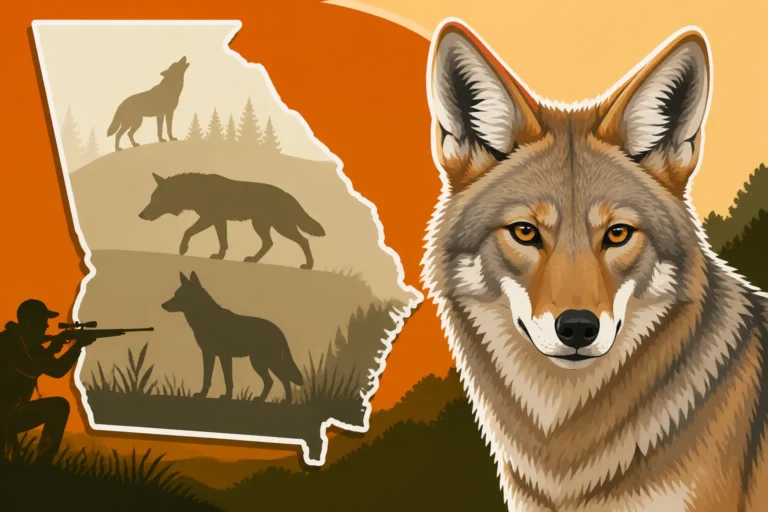
Coyotes, which are not native to Georgia but have expanded their range across the state over the last several decades, are particularly efficient fawn predators. Research has consistently shown that coyote predation can account for a significant portion of fawn mortality, especially in the first few weeks of a fawn's life. In areas with high coyote densities, this predation can suppress population growth or even lead to declines, making it harder for deer numbers to bounce back after other stressors. Hunters often see this firsthand, noting fewer fawns trailing does in areas with heavy coyote sign. This is why many hunters are keenly interested in Coyote Calling in Georgia Farm Country.
Black bears, predominantly found in the mountainous northern part of the state and some specific southern zones, also prey on fawns, though their impact is generally less widespread than coyotes. Feral hogs, while not obligate predators, are opportunistic and will certainly take a fawn if discovered. While predation is a natural part of any ecosystem, understanding its intensity helps biologists predict deer population trends and set harvest recommendations. It's a delicate balance; too many predators can hinder population growth, but predators also play a role in culling weaker animals and maintaining overall herd health.
Disease and Environmental Factors
Disease outbreaks and environmental stressors can wreak havoc on deer populations, sometimes causing localized but significant declines. The most common and impactful disease historically in Georgia has been Epizootic Hemorrhagic Disease (EHD).
- Epizootic Hemorrhagic Disease (EHD): EHD is a viral disease transmitted by biting midges, often called "no-see-ums" or "gnats." It typically flares up in late summer and early fall, especially during drought conditions when deer congregate near limited water sources, increasing contact with infected midges. Symptoms include fever, swelling, and internal bleeding, often leading to death. While EHD does not typically impact the entire state simultaneously, localized outbreaks can cause considerable deer mortality, as seen in past EHD Die-Offs in Georgia Deer. Deer that survive an EHD infection often develop immunity, but the disease can re-emerge in subsequent years as new, susceptible fawns are born.
- Chronic Wasting Disease (CWD): CWD is a neurological disease affecting deer, elk, and moose, always fatal. While Georgia was fortunate to remain CWD-free for a long time, the discovery of CWD in a deer carcass in a South Georgia county in 2023 was a game-changer. This led to the establishment of Georgia's Chronic Wasting Disease Management Area and heightened vigilance. CWD can have devastating long-term impacts on deer populations if it becomes established and widespread, changing management strategies significantly to mitigate its spread and impact. Monitoring for Georgia CWD Testing for Hunters is now a crucial component of wildlife management.
- Environmental Stressors: Beyond disease, other environmental factors can stress deer. Severe droughts can reduce forage quality and water availability, leading to malnutrition. Extremely harsh winters (though less common in much of Georgia) can also increase mortality rates, especially for fawns and older deer. Flooding, particularly in river bottoms and swamps, can displace deer and lead to losses. These natural events, combined with human-induced changes like habitat fragmentation, constantly mold the landscape in which Georgia's deer live and thrive, or sometimes struggle.
Historical Trends and Future Outlook for Georgia Deer
The story of Georgia's whitetail deer population is one of dramatic change, from near extirpation to a remarkable comeback, and now to a period of careful management in the face of new challenges. Understanding this history helps us appreciate where we are today and where we might be headed.
Past Declines and Remarkable Recovery
It's hard to imagine now, but at the turn of the 20th century, Georgia's deer population was in dire straits. Unregulated market hunting, coupled with widespread habitat destruction due to logging and agriculture, decimated the whitetail herd. By the 1930s and 40s, deer were considered rare in most parts of the state, with only isolated pockets remaining, primarily in the wildest parts of the Coastal Plain and mountains. The future looked bleak for Georgia deer.
However, a monumental conservation effort, spearheaded by the Georgia Game and Fish Commission (the precursor to the Georgia DNR) and supported by federal funding through acts like the Pittman-Robertson Act, began to turn the tide. This involved strict hunting regulations, the establishment of Wildlife Management Areas (WMAs), and perhaps most significantly, extensive trap-and-transfer programs. Thousands of deer were captured from resilient populations in areas like the Piedmont National Wildlife Refuge and the coastal swamps, and then relocated to suitable habitats across the state where deer had been extirpated. This ambitious restoration project, combined with a re-growth of forests on abandoned farmlands, allowed Georgia's deer herd to explode. By the late 20th century, deer were once again common, and Georgia was widely recognized as a premier destination for whitetail hunting, a testament to what dedicated conservation can achieve. This period of recovery is a fascinating part of the history of White-Tailed Deer Across Georgia.
Adapting to Modern Management Challenges
Today, Georgia's deer population is robust, estimated to be well over one million animals, though the exact figure constantly shifts. The challenge now is less about restoring numbers and more about balancing them with habitat capacity, minimizing human-deer conflicts, and adapting to emerging threats. The DNR, with the help of various partners and hunters, actively manages the herd for sustainable health and diverse recreational opportunities.
One of the biggest modern challenges is the increasing urbanization and fragmentation of habitat. As Georgia's population grows, more rural land is converted into suburban developments, leading to localized overpopulation of deer where hunting pressure is limited. This creates conflicts, such as increased deer-vehicle collisions and damage to landscaping, requiring innovative management solutions like archery-only zones or special permits. Another significant challenge, as mentioned, is the recent detection of CWD. This demands a proactive and adaptive approach, including rigorous monitoring, carcass movement restrictions, and public education to prevent its spread.
Furthermore, balancing hunter expectations with scientific management is an ongoing task. Some hunters desire more trophy bucks, leading to discussions about antler restrictions, while others prioritize ample opportunity for venison. The Georgia DNR constantly evaluates data, conducts public surveys, and adjusts regulations to strike a balance that supports a healthy herd and satisfies the diverse interests of the state's hunting community. Tools like those offered by GoHunt, which integrate various layers of data including property lines and harvest statistics, become increasingly valuable for hunters to navigate these complex landscapes and make informed decisions on their hunts. Ultimately, the future of Georgia's deer herd depends on continued vigilance, sound scientific management, and the active participation of informed hunters.
| Region of Georgia | Typical Deer Density (Deer per sq. mile) | Key Habitat Types | Primary Hunting Challenges | Notes |
|---|---|---|---|---|
| North Georgia Mountains | 10-20 | Steep hardwoods, mixed pine-hardwood, dense cover | Rugged terrain, lower density, difficult access | Focus on mast crops and cover for successful hunts |
| Piedmont Region | 20-40 | Mixed forests, agricultural fields, suburban edges | Balancing public/private land access, hunting pressure | Excellent opportunities due to diverse food and cover |
| Coastal Plain (Central & East) | 30-50 | Pine plantations, bottomland hardwoods, agriculture | Dense cover, warm weather, potential for EHD | High overall numbers, varied habitat, great for antlerless harvest |
| Southwest Georgia | 40-70+ | Extensive agriculture, managed timber, river swamps | Access to prime private land, warm weather | Known for larger body sizes and trophy buck potential |
| Suburban/Exurban Zones | Highly variable, often 50-100+ | Residential areas, green spaces, fragmented woodlots | Limited access, specific regulations (archery-only) | High densities due to reduced pressure, often surprising quality |
Disclaimer
Please note: Hunting regulations and wildlife management practices in Georgia are subject to change. Always consult the most current regulations issued by the Georgia Department of Natural Resources (DNR) before planning any hunting activities. The information provided here is for general educational purposes and does not constitute legal advice.