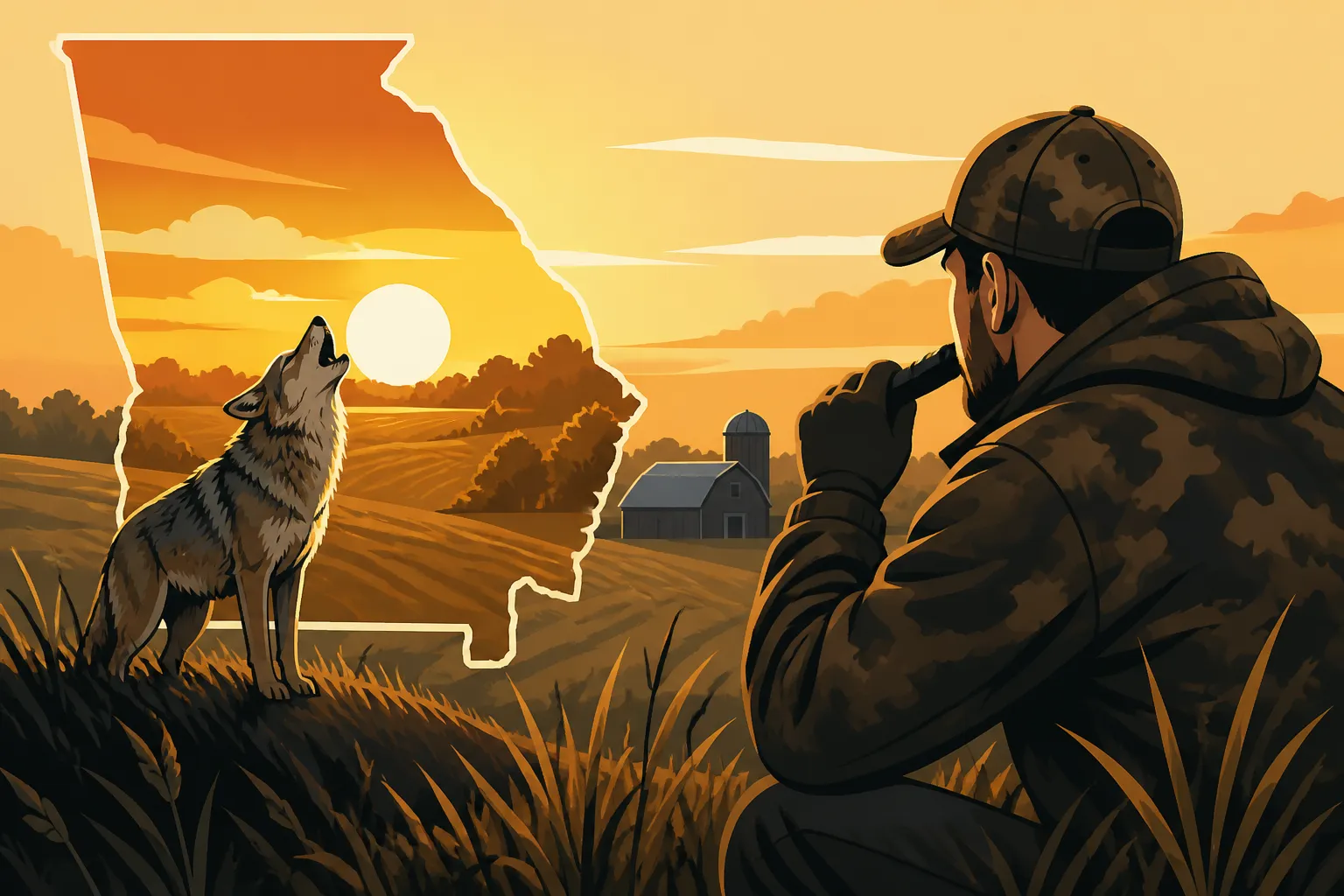
Coyote Calling in Georgia Farm Country
Living in Georgia's beautiful farm country, many of us enjoy the peace and quiet, the vast fields, and the sense of rural life. But that tranquility can often be shattered, and livelihoods threatened, by a booming coyote population. These clever predators can decimate deer fawn crops, prey on small game, and even impact poultry and livestock, leaving landowners and hunters frustrated. This comprehensive guide will walk you through effective coyote calling strategies tailored specifically for Georgia's agricultural landscapes, helping you manage these elusive animals.
Understanding Coyote Behavior in Agricultural Landscapes
Before you even think about setting up a call, it’s crucial to understand why coyotes are so at home in Georgia's farm country. They're not just passing through; they've made these areas their primary hunting grounds and nurseries. Knowing their habits and preferences in these specific environments gives you a massive advantage when trying to call them in.
Why Coyotes Thrive in Farm Country
Georgia's agricultural lands offer an irresistible smorgasbord and perfect sanctuary for coyotes. Think about it: fields of corn, soybeans, peanuts, and pastures are teeming with rodents – mice, rats, voles – which are a primary food source for coyotes, especially smaller ones and pups. Beyond that, the edges of these fields provide an abundance of rabbits and other small game like quail and even turkeys, which coyotes are more than happy to snatch up. When spring rolls around, those freshly dropped deer fawns become an easy meal, posing a significant threat to our deer herd recruitment. It’s not uncommon to hear tales of coyotes patrolling fencerows specifically looking for newborn fawns, and it’s a big reason why many hunters and landowners are so keen to control their numbers.
What makes these areas even more appealing is the unique blend of food and cover. While dense forests offer plenty of places to hide, farm country provides a mosaic of open hunting grounds interspersed with dense pockets of safety. Imagine a thick fencerow bordering a sprawling peanut field. That fencerow offers immediate, secure cover for coyotes to den, rest, and observe, while the open field is a buffet. Small woodlots, overgrown ditches, creek bottoms, and even brushy areas around old barns or equipment sheds become crucial sanctuaries. These fragmented habitats create ideal ambush points and quick escape routes, allowing coyotes to operate efficiently and evade detection. They can quickly move from deep cover to the edge of an open field, scan for prey, make a move, and disappear just as fast.
Another subtle but significant factor in their success in these areas is often less hunting pressure compared to large, continuous tracts of timber. While deer hunters might focus on deeper woods or specific food plots, the "in-between" spaces of farm country are often overlooked for predator hunting. Landowners might be busy with crops or livestock, and public land options specifically targeting coyotes in agricultural zones might be limited. This can create a false sense of security for coyotes, allowing them to establish territories and grow their numbers unchecked. When you combine abundant food, excellent cover, and sometimes lower hunting pressure, you have the perfect recipe for a thriving coyote population, making them formidable adversaries but also excellent candidates for strategic calling.
Seasonal Changes and Coyote Activity
Coyote activity isn't static throughout the year; it fluctuates dramatically with the seasons, largely driven by breeding cycles, pup-rearing, and food availability. Understanding these shifts is key to successful calling. In late winter and early spring, roughly January through March, coyotes are in their breeding season. This is when you'll hear more howling and territorial vocalizations. Males will be aggressively patrolling, and both sexes are highly responsive to challenge howls or even lonesome howls, as they’re seeking mates or defending their territory. This can be an excellent time to use a combination of distress calls followed by a subtle coyote vocalization.
As spring progresses into summer, typically April through August, it becomes pup-rearing season. The female is often denned up with the pups, and the male is constantly on the hunt, bringing food back to the den. Both parents are extremely protective of their young during this period. Pup distress calls can be incredibly effective then, drawing in protective parents who perceive a threat to their litter. It's also a time when they're actively hunting easy meals for their growing families, making fawn distress or rabbit distress calls particularly potent. However, during the hottest parts of summer, mid-day calling might be less effective, with activity peaking closer to dawn and dusk. This heightened need for food for their young contributes significantly to the impact coyotes have on deer fawns and other small game populations, as they’re actively seeking out vulnerable prey.
Come fall and winter, roughly September through December, young coyotes begin to disperse from their family units, looking for new territories. This dispersal period, combined with cooler weather and increased hunger as natural food sources diminish, leads to increased movement and a greater focus on hunting. This is often when coyotes are most responsive to a wider variety of calls, including general prey distress sounds like cottontail or bird distress calls. Their urgency to find food can make them less cautious, leading to more aggressive responses to calls. This is also when many deer hunters are in the woods, and coyotes are often seen trailing deer, sometimes even taking advantage of wounded animals. Understanding these seasonal shifts allows you to tailor your call selection and strategy, increasing your odds of bringing in a Georgia coyote.
Essential Gear for Calling Coyotes in Georgia
Stepping into the world of coyote calling, especially in the unique environment of Georgia's farm country, requires more than just a call and a gun. Having the right gear can make all the difference between a frustrating silence and a successful hunt. It’s about being prepared for the conditions, the environment, and the cunning nature of the coyote itself.
Choosing the Right Calls
When it comes to calls, you primarily have two categories: electronic calls and mouth calls. Electronic calls are incredibly popular for good reason. Brands like Foxpro and Lucky Duck offer a vast library of realistic sounds, from various distress cries (rabbit, bird, fawn, rodent) to a wide array of coyote vocalizations (howls, barks, pup distress). The biggest advantage is the remote control, which allows you to place the call away from your setup, drawing the coyote's attention away from your position. This also gives you the flexibility to adjust volume and switch sounds without moving a muscle, minimizing your presence. Imagine a coyote locking onto a distressed rabbit sound 50 yards from your stand, completely unaware you're nestled quietly in the fencerow with a perfect shot angle. Many seasoned hunters swear by electronic calls for their versatility and realism, especially when trying to mimic specific prey sounds that might be common in a Georgia peanut field or pine thicket.
Mouth calls, on the other hand, offer a different kind of challenge and reward. Diaphragm calls, similar to turkey calls, allow for hands-free operation and a wide range of vocalizations once mastered. Open reed calls, which you blow across a reed, are excellent for producing various distress sounds, from shrill rabbit squeals to raspy bird cries. The learning curve for mouth calls can be steeper, requiring practice to achieve realistic and consistent sounds. However, their portability, reliability (no batteries needed!), and the intimate control you have over the sound's inflection can be a huge asset. Some hunters find that mouth calls can often evoke a more natural response from coyotes, especially on highly pressured animals that might have become wary of electronic sounds. The key for both types is realism and volume control. You want to sound like a genuine, distressed animal or a natural coyote, not a screeching toy. Starting with softer, more subtle sounds and gradually increasing volume can often be more effective than blasting out calls right from the start.
Optics and Thermal Imaging
Georgia's farm country often means large, open fields interspersed with dense cover, making good optics absolutely indispensable. A quality pair of binoculars, perhaps 8×42 or 10×42, is essential for scanning those distant field edges, creek bottoms, and fencerows. Coyotes often approach cautiously, using every bit of available cover, and they can be incredibly difficult to spot against a backdrop of harvested crops or winter-bare trees. You need to be able to pick out the subtle flick of an ear or the low profile of a approaching animal before it spots you.
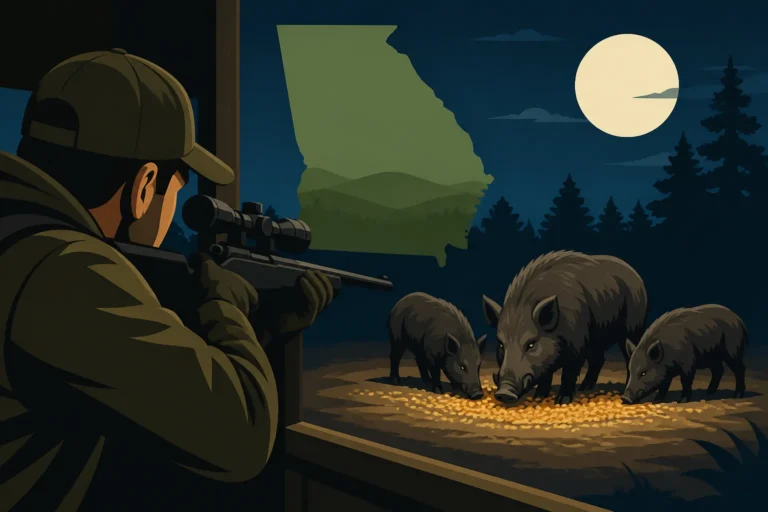
For those who venture out after dark, thermal or night vision optics become game-changers. Night Hunting Rules for Georgia Coyotes allow for the use of artificial lights, including thermal and night vision devices, for hunting coyotes on private land year-round. Given that coyotes are largely nocturnal, especially in areas with human activity, being able to hunt them under the cover of darkness can be incredibly effective. Thermal imagers detect heat signatures, allowing you to spot a coyote moving through dense brush or across a dark field even when it’s completely invisible to the naked eye. This technology has revolutionized night hunting, turning what was once a hit-or-miss affair into a much more precise and productive endeavor. While dedicated thermal scopes for your rifle are an investment, even a handheld thermal monocular can greatly increase your ability to locate and identify targets, allowing you to set up for a shot with confidence.
Firearms and Ammunition Considerations
The choice of firearm for coyote hunting in Georgia farm country often comes down to distance and terrain. For the longer shots across open fields, a rifle is typically the weapon of choice. AR-15 platforms chambered in .223 Remington or 5.56 NATO are incredibly popular due to their accuracy, rapid follow-up shot capability, and modularity. Other excellent calibers include .22-250, .204 Ruger, or even a versatile deer caliber like a .243 Winchester. These cartridges offer flat trajectories and enough punch to humanely dispatch a coyote at typical farm field ranges. It’s crucial to select ammunition designed for varmints, often lighter, faster, and designed to fragment on impact, minimizing ricochet risk in open areas. For those closer encounters, perhaps in a thick woodlot adjacent to a field or when hunting at night, a 12-gauge shotgun loaded with buckshot (like #4 buck) can be devastatingly effective. When a coyote busts out of thick cover at 20 yards, a scattergun provides a much wider pattern, increasing your chances of a hit.
One piece of gear that has become increasingly popular and, dare I say, almost essential for predator hunting, is a suppressor. Beyond reducing noise for your own hearing protection and making follow-up shots less jarring, suppressors can make a huge difference in how coyotes react to the shot. Often, the report of an unsuppressed rifle will send coyotes scattering and make them much harder to call in the future. With a suppressor, the shot is muffled, potentially allowing you to call in multiple coyotes from a group or at least not spook every animal in the vicinity. Plus, it’s a courtesy to landowners and neighbors in more populated farm areas. If you're considering this option, check out our guide on Suppressors for Georgia Predator Hunting to understand the regulations and benefits. Regardless of your firearm choice, proper shot placement is paramount for an ethical kill, aiming for the vitals or shoulder. A wounded coyote is a lost coyote, and that's not the goal for responsible hunters.
Strategic Calling Techniques for Farm Fields
Calling coyotes in Georgia's farm country isn't just about making noise; it's about making the right noise in the right place at the right time. These animals are incredibly intelligent and wary, and a well-thought-out strategy will dramatically increase your success rate. It's a game of chess, not checkers, and understanding the nuances of the agricultural environment is your biggest advantage.
Locating Prime Calling Stands
Finding the perfect setup spot is arguably the most critical step in coyote calling. In farm country, you're looking for areas that offer a combination of cover for you, good visibility, and natural travel corridors for coyotes. Think about field edges where corn or soybean stubble meets a dense fencerow or a patch of woods. Creek bottoms that wind through fields are absolute magnets, providing water, cover, and a natural highway for animals. Isolated woodlots or thickets within a larger field can also be hotspots, often serving as bedding areas or staging points. When you're scouting, pay close attention to signs like tracks in muddy field roads, scat, or even hair snagged on fences. These tell-tale signs indicate recent coyote activity.
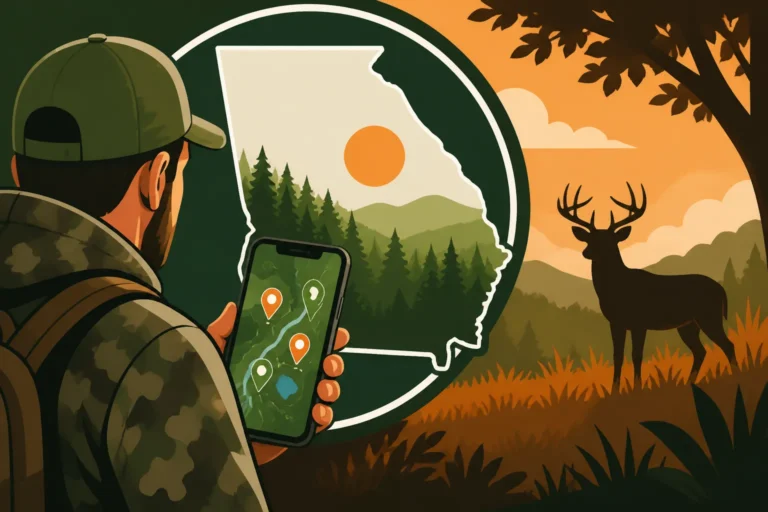
Wind direction is not just important; it is absolutely paramount. A coyote's nose is its most powerful tool, and if it catches your scent, your hunt is over before it begins. You must position yourself so the wind is blowing from the direction you expect the coyote to approach, directly into your face, or across your body if you're set up along an edge. Never let the wind blow your scent into the area you're calling from or where you expect coyotes to appear. This often means carefully circling downwind of a promising area to get into position. Using tools like aerial maps or apps like GoHunt is invaluable for this kind of scouting. They allow you to meticulously study the terrain, identify potential travel routes, and plan your approach and setup before you even set foot on the ground. Our guide on Reading Aerial Photos for Piedmont Deer offers fantastic insights into using these tools to identify key features, which applies just as well to pinpointing coyote hotspots and planning your ambush in farm country. Identifying those subtle funnels, pinch points, and natural breaks in cover will give you a significant edge.
Sound Sequences and Cadence
Once you're in position, it's time to become the master of deception. Coyote calling isn't just about hitting play on a distressed rabbit sound and hoping for the best. It's about creating a believable scenario. Most hunters start with a prey distress sound, like a cottontail rabbit, a bird in distress, or even a fawn bleat. These sounds tap into a coyote's primary instinct: food. Start with softer, shorter bursts, especially if you're in a quiet area, and gradually increase volume and duration. Think of it as painting a picture with sound – an animal in trouble, slowly escalating its cries for help.
After a few minutes of distress, if nothing shows up, consider adding a coyote vocalization. A pup distress call can be incredibly effective, especially during the spring and summer when adults are protective of their young. A lone howl or a challenge howl can also pique the interest of a dominant male or a curious young disperser. The key is variety and not overdoing it. Don't blast calls continuously for 30 minutes straight. Typically, a sequence might involve 1-2 minutes of calling, followed by 3-5 minutes of silence, then another 1-2 minutes of a different call or a varied cadence. Repeat this for at least 15-20 minutes, sometimes longer. Many experienced callers will stay on a stand for 30-45 minutes, especially in heavily pressured areas or during colder months when coyotes might take longer to respond. It’s during those silent stretches that coyotes often approach, listening, trying to pinpoint the source of the sound. The "stand time" is crucial; impatience is a coyote hunter's worst enemy.
The Art of the Setup
Your setup is just as important as your calling sequence. Concealment is non-negotiable. Whether you're tucked into a thick fencerow, using a natural brush pile, or employing a portable ground blind, you need to break up your outline and blend into your surroundings. Remember, a coyote's eyesight is excellent, especially for movement. Even the slightest twitch can give you away. Position yourself so you have clear shooting lanes in the direction you expect the coyote to approach, but ensure you remain hidden.
Decoys can be incredibly effective in farm country. A motion decoy, like a small fur-covered spinner or a dying rabbit flapping its legs, placed 20-50 yards in front of you and slightly off to the side, can draw a coyote's attention away from your position. The coyote will often focus entirely on the decoy, providing you with precious seconds to raise your firearm and take a shot. The visual element can make your auditory calls much more convincing, especially for coyotes that might be a bit call-shy.
Finally, scent control cannot be stressed enough. Coyotes have an uncanny ability to detect human odor from hundreds of yards away. While it's impossible to be 100% scent-free, taking precautions helps. Wear clean clothes, spray down with scent elimination products, and always play the wind. Even with perfect calling, if a coyote catches a whiff of you, it's gone, usually unseen. In the close quarters of many Georgia farm setups, these small details collectively make a massive difference in your success.
Night Hunting and Public vs. Private Land Tactics
Coyotes in Georgia's farm country are often most active when the sun goes down. This nocturnal behavior, coupled with the vastness of agricultural landscapes, creates both unique challenges and incredible opportunities for hunters. Navigating these scenarios effectively requires a deep understanding of regulations and thoughtful strategy.
Navigating Georgia's Night Hunting Regulations
Hunting coyotes at night in Georgia is completely legal on private land, which is a huge advantage given their nocturnal tendencies. However, there are specific rules you need to adhere to. You are generally allowed to use artificial lights, including spotlights, thermal imaging, and night vision devices, to hunt coyotes. This opens up a whole new world of tactics, as these animals are much less wary under the cloak of darkness. When setting up at night, safety is paramount. Always be aware of your surroundings, your backstop, and any structures or roads nearby. Clear communication with anyone else hunting with you is also non-negotiable.
It's also worth noting that while night hunting for coyotes is allowed, there are often specific regulations concerning specific weapon types or methods, especially if you’re hunting on or near public land. While most farm country hunting is private, familiarize yourself with the nuances by checking out our detailed resource on Night Hunting Rules for Georgia Coyotes. This guide covers everything from light intensity rules to equipment specifics, ensuring you stay legal and safe. Operating at night demands extra caution, excellent knowledge of your hunting area, and reliable gear to illuminate or detect targets safely.
Calling Coyotes on Private Farmland
Most of Georgia's prime coyote hunting in farm country will happen on private land. This means cultivating good relationships with landowners is absolutely essential. Many farmers are desperate for coyote control due to livestock depredation (think calves, chickens, and even small household pets) or the impact on deer and turkey populations, so offering your services can be a win-win. When approaching a landowner, be respectful, professional, and clearly articulate your methods and safety precautions. Reassure them you're there to help manage a problem, not just for sport.
When hunting on private land, you have more flexibility with your setups and tactics. You can place calls and decoys strategically without worrying about other hunters. Focus your efforts on areas where landowners report issues, such as near calving pastures, poultry houses, or field edges where deer sign is heavy. Showing the landowner your success, even just by showing them the coyotes you've removed, builds trust and ensures future access. Tools like GoHunt can be invaluable here for researching property boundaries, understanding terrain, and identifying potential access points for scouting, even before you knock on a door. Remember, your primary role on private land is often damage control, so understanding the landowner's specific concerns helps you prioritize your calling locations and techniques. Another helpful read if you're looking for new access is Hunting Small Private Tracts in Georgia.
Public Land Challenges and Opportunities
While the bulk of farm country hunting is private, there are still public land opportunities for coyote hunting in Georgia, particularly on certain Wildlife Management Areas (WMAs) or smaller parcels of national forest land that might border agricultural zones. The main challenge on public land is often increased hunting pressure. Coyotes on public land tend to be more wary, more nocturnal, and less responsive to aggressive calling. They've likely heard it all before. This means you need to be more subtle, more patient, and more strategic.
Look for smaller, overlooked parcels that other hunters might bypass. These could be small woodlots, isolated creek bottoms, or less accessible corners of WMAs that adjoin farmlands. Our guide on Finding Ground Others Walk Past can offer some excellent strategies for identifying these hidden gems. You'll need to scout heavily, looking for fresh sign away from main trails and roads. Understanding the WMA rules and regulations for coyote hunting is also critical, as they can sometimes differ from statewide private land rules, particularly concerning night hunting or specific weapons. Public land coyotes often require longer stand times, softer calling sequences, and meticulous scent control, as they're conditioned to be on high alert. However, with enough persistence and careful scouting, success on public land is absolutely achievable. Don't forget to study our Scouting Georgia Public Land Before Season guide to truly maximize your efforts.
Advanced Tactics and Common Pitfalls
Coyote calling can sometimes feel like a game of cat and mouse, especially when dealing with those notoriously wily Georgia coyotes. As you gain experience, you'll encounter new challenges, and knowing how to adapt and overcome them is what separates a consistent caller from a frustrated one.
Dealing with Call-Shy Coyotes
Ah, the call-shy coyote. These are the Ph.D. holders of the coyote world, the ones who have heard every rabbit squeal, every fawn bleat, and every challenge howl imaginable. They’ve been called, shot at, and lived to tell the tale, making them incredibly difficult to fool. When you suspect you’re dealing with call-shy coyotes, it's time to shake up your strategy. First, vary your calls. If you've been using rabbit distress, switch to a bird in distress, a rodent squeak, or even a less common prey animal specific to your area. Sometimes, a series of subtle, low-volume pup distress calls can bring in a protective parent that might ignore a standard rabbit call.
Another effective tactic is to extend your stand times significantly. Instead of a 20-minute stand, commit to 45 minutes or even an hour. These coyotes might circle widely, take their time, and approach with extreme caution. Your patience is their undoing. Furthermore, try hunting different times of day or night. If you've been calling only at dawn and dusk, try a mid-morning hunt or a full night hunt with thermal optics, taking advantage of their nocturnal tendencies. Finally, consider using more coyote vocalizations – a series of lone howls to locate them, followed by subtle barks or even a female invitation howl during breeding season. The goal is to present something they haven't heard before, or to mimic a situation so compelling that their caution is momentarily overridden.
Environmental Factors and Their Impact
Georgia's weather can be notoriously unpredictable, and environmental factors play a huge role in coyote activity and the effectiveness of your calls. Wind is perhaps the most significant. A strong, gusty wind makes it incredibly difficult for coyotes to pinpoint the source of a sound, and it can carry your scent far downwind. On very windy days, it's often best to call in more sheltered areas like creek bottoms or dense woodlots, or to postpone your hunt if possible. Light, consistent breezes, however, are your friend, as they help carry your calls and aid in scent control.
Rain, fog, and even heavy dew can also impact sound travel. Moisture in the air can muffle sounds or cause them to "stick" closer to the ground. Conversely, a clear, still morning after a cold front can be ideal, as sounds travel further, and coyotes are often more active. Temperature inversions, common on still mornings, can trap scent and sound closer to the ground, allowing coyotes to detect you from further away or making it harder for your calls to project. Even barometric pressure can influence animal activity. While we can't control the weather, we can adjust our tactics. On blustery days, stick to tighter cover and shorter calling distances. On calm days, you can afford to spread out and use longer-range calls. Always be mindful of how these conditions affect not just your ability to call, but also the coyote's ability to hear, smell, and move.
The Role of Scent Control
We’ve touched on it before, but scent control is so critical it deserves its own dedicated section. A coyote's sense of smell is legendary, estimated to be hundreds, if not thousands, of times better than a human's. If a coyote smells you, no amount of perfect calling will bring it in. It will simply circle downwind and either depart or observe you from a safe distance, usually unseen. This isn't just about playing the wind; it's about minimizing your scent signature in every way possible.
Always wear clean hunting clothes, stored separately from everyday items that might carry household odors. Washing your hunting clothes in scent-eliminating detergents and then air-drying them outdoors can help. Using scent-eliminating sprays on your clothes, boots, and even your gear before heading into the field provides an extra layer of protection. Some hunters swear by rubber boots to prevent leaving human scent on the ground as they walk. Most importantly, always, always, always play the wind. Even if you've done everything else perfectly, if the wind shifts and blows your scent towards the area you're calling, you're done. This means constantly monitoring wind direction throughout your stand. Sometimes, a subtle wind shift is your cue to pack up and try another location. Neglecting scent control is perhaps the single biggest reason why otherwise skilled callers fail to bring in Georgia coyotes in farm country.
| Feature | Electronic Calls | Mouth Calls |
|---|---|---|
| Sound Variety | Vast library (distress, howls, barks, etc.) | Limited by skill, but versatile within types |
| Realism | High, once sound files are good | High, if caller is skilled and practiced |
| Ease of Use | Easy to operate, remote control | Requires practice and skill, steeper learning curve |
| Hands-Free | Yes, with remote | Yes, with diaphragm calls |
| Volume Control | Excellent, precise with remote | Good, controlled by breath and technique |
| Placement | Can be placed away from hunter (attracts attention away from you) | Must be operated by hunter (can draw attention to you) |
| Reliability | Battery-dependent, susceptible to cold/wet | Mechanical, highly reliable, no batteries |
| Cost | Generally higher (entry to high-end options) | Generally lower (can be very affordable) |
| Best For | New callers, vast sound options, long-range calling, night hunting | Experienced callers, close-quarters, versatility in tone, backup |
Disclaimer
Hunting is an activity with inherent risks. Always prioritize safety, understand and follow all Georgia Department of Natural Resources hunting regulations, and respect private property. This guide is for informational purposes only and does not substitute for proper hunter education, local regulations, or personal judgment.