Spring Turkey Hunting in Georgia
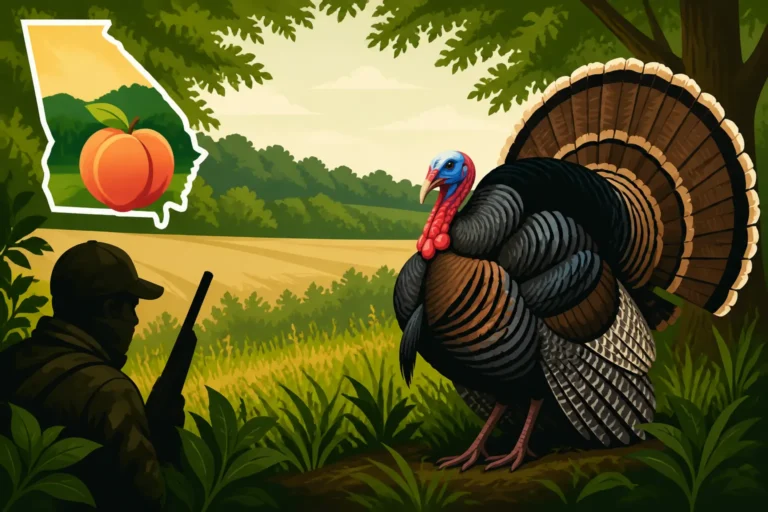
Spring turkey hunting in Georgia is an annual ritual for many, a thrilling dance between hunter and gobbler that tests patience, woodsmanship, and calling skill. However, anyone who's chased a longbeard through Georgia's diverse landscapes knows it's rarely a walk in the park. From call-shy birds on public land to unpredictable weather and dense cover, the challenges are real. This comprehensive guide will equip you with the knowledge and tactics needed to navigate Georgia's spring turkey season, from understanding regulations and gear to mastering scouting and calling, giving you the best shot at success.
Understanding Georgia's Spring Turkey Landscape
Georgia is a state of incredible diversity, not just in its geography but also in its turkey populations. From the rolling hills of the Piedmont to the vast pine forests of the Coastal Plain and the rugged peaks of the North Georgia mountains, each region presents a unique challenge and opportunity for the spring turkey hunter. Understanding these nuances is crucial for tailoring your strategy and maximizing your chances of success.
Population Trends and Key Regions
Over recent years, Georgia, like many other states, has seen fluctuations in its wild turkey population. While pockets of strong numbers still exist, there’s been a noticeable decline in many areas, leading to adjustments in hunting regulations. The Georgia Department of Natural Resources (DNR) monitors these trends closely, and hunters on the ground often feel the impact directly through fewer gobbling birds or increased hunting pressure. This decline means that finding birds requires more diligent scouting and a deeper understanding of localized populations.
The Piedmont region, with its mix of agriculture, hardwoods, and suburban sprawl, can hold decent numbers, particularly where there's less pressure and good habitat connectivity. Birds here often frequent field edges in the mornings and retreat to timbered creek bottoms as the day progresses. The Coastal Plain, especially the southwestern part of the state, has historically been known for its strong turkey populations, thanks to extensive timber operations that create prime habitat of pine plantations, open understory, and mixed hardwoods. However, even here, localized declines are being observed. Meanwhile, the North Georgia mountains, with their steep terrain and vast tracts of national forest, offer a more challenging but incredibly rewarding experience. Turkeys in the mountains are often spread out, and their behavior is heavily influenced by topography and weather, requiring hunters to cover significant ground and understand thermal currents. For more detailed insights, you might want to look into Georgia Turkey Population Trends to get a broader picture of what wildlife managers are seeing across the state.
Habitat Diversity Across the State
Georgia's varied habitats play a direct role in turkey distribution and behavior. In the mountainous regions, turkeys often roost in tall hardwoods along ridge lines or in sheltered coves. They feed on acorns, insects, and new growth in clearings or along logging roads. Hunters must contend with steep climbs and the unique challenge of using terrain to their advantage, often focusing on saddles and benches that serve as travel corridors.
The Piedmont offers a patchwork of hardwood forests, planted pines, and agricultural fields. Turkeys here thrive on the mast crops from oak and hickory trees, insects in pastures, and waste grain in harvested fields. Roost sites are frequently found in mature timber near water sources or field edges. Hunters often employ tactics that involve setting up along field edges at dawn or working creek bottoms and hardwood draws throughout the day. In the Coastal Plain, the landscape shifts to vast longleaf and loblolly pine plantations interspersed with cypress swamps, creek bottoms, and agricultural fields. Turkeys in this region often prefer roosting in tall pines or hardwoods near water. They forage in recently burned pine stands, field edges, and wetland fringes. The flatter terrain can make silent approaches easier, but dense palmetto thickets and thick undergrowth can also make locating birds and navigating challenging. Understanding these regional habitat preferences is key to effective scouting and successful setup selection.
Mastering Georgia's Turkey Season Regulations
Navigating hunting regulations can sometimes feel like trying to untangle a ball of fishing line after a big bite – confusing, frustrating, and prone to knots. Georgia's turkey season rules have seen some significant changes recently, and staying on top of them is absolutely crucial. Missing a detail can mean the difference between a legal harvest and a hefty fine, or even worse, contributing to the very population declines we're trying to reverse.
Key Season Dates and Bag Limits
Georgia's spring turkey season is typically structured with a staggered opener: private land opens first, usually in late March, followed by public lands (Wildlife Management Areas or WMAs) about a week later in early April. This gives private land hunters a head start and helps distribute pressure on public lands. The season usually runs through mid-May, offering several weeks of opportunity. However, dates can vary slightly year to year, so always double-check the current Georgia DNR regulations well in advance. This is where getting familiar with resources like Georgia Spring Turkey Season Rules becomes incredibly important.
Perhaps the most significant recent change has been to the bag limit. For many years, Georgia hunters enjoyed a three-gobbler season limit, with one per day. However, due to concerns over declining turkey populations, the statewide bag limit was reduced to two gobblers per season, with a daily limit of one gobbler. This change impacts how hunters plan their season, encouraging more selective harvesting and emphasizing the value of each bird. It also means that if you're lucky enough to tag a gobbler early, you need to think carefully about how you'll pursue your second bird, ensuring it's a mature tom. This reduced limit really drives home the message of conservation and responsible hunting, making every successful hunt feel even more special.
Licensing and Reporting Requirements
Before you even think about hitting the woods, you need to make sure your paperwork is in order. All hunters, unless exempt (e.g., certain landowners hunting their own property), must possess a valid Georgia hunting license. If you're hunting turkeys, you'll also need a Georgia Big Game License and a Migratory Bird Harvest Information Program (HIP) permit, even though turkeys aren't migratory, it's a federal requirement that bundles with other bird hunting. Non-residents will need specific non-resident licenses, which are typically more expensive.
The easiest way to purchase your license is online through the Go Outdoors Georgia website or via their mobile app. You can also buy them from authorized license vendors across the state. Once you've harvested a turkey, the next critical step is reporting it. Georgia has mandatory harvest reporting for turkeys (and deer). You must report your harvest within 24 hours of taking the bird. This can be done online through the Georgia Game Check system on the Go Outdoors Georgia website or app, or by calling their toll-free number. This data is vital for wildlife managers to track harvest numbers, monitor population health, and make informed decisions about future regulations. Failing to report a harvest is a violation, so make it a habit immediately after you've tagged your bird. Familiarize yourself with Georgia Turkey Checking Requirements to ensure you're always compliant. Using tools like the GoHunt app can also help you quickly access and understand these regulations and reporting procedures right from your phone while you're in the field.
Essential Gear for Georgia Spring Turkeys
Ask any seasoned turkey hunter, and they'll tell you that while skill and patience are paramount, having the right gear can make or break your hunt. Georgia's spring conditions – often warm, humid, and buggy – demand specific considerations when it comes to what you carry into the woods. From the tools you use to bring a gobbler in close to the clothing that keeps you comfortable, every item plays a role in your success and enjoyment.
Shotguns, Chokes, and Ammunition
When it comes to putting a gobbler down ethically and effectively, your shotgun setup is king. While 12-gauge shotguns are still the most popular choice, 20-gauge options have gained significant traction thanks to advancements in ammunition technology, particularly with tungsten super shot (TSS) loads. These dense pellets allow for smaller gauges to achieve impressive patterns and energy at distance, making a 20-gauge a formidable turkey gun. Regardless of gauge, the key is pattern density. You want a tight, even pattern of at least 100 pellets in a 10-inch circle at your maximum ethical shooting distance, typically 40-50 yards.
This brings us to chokes. A super-full or extra-full turkey choke is almost universally recommended. These specialized chokes constrict the shot column more than a standard full choke, producing tighter patterns. Brands like Indian Creek, Carlson's, and Tru-Glo make excellent turkey-specific chokes. When choosing ammunition, modern high-density loads like Federal Heavyweight, Winchester Long Beard XR, or any TSS offering from manufacturers like Apex Ammunition are game-changers. They dramatically improve effective range and knockdown power. The absolute most important step is to pattern your gun with your chosen choke and ammunition before the season. Shoot at multiple distances (20, 30, 40, 50 yards) to understand your setup's limitations and point of impact. There's nothing more frustrating than having a gobbler at 35 yards and missing because you didn't pattern your gun. For more on optimizing your setup, check out Turkey Shotguns and Chokes.
Calls, Decoys, and Blinds
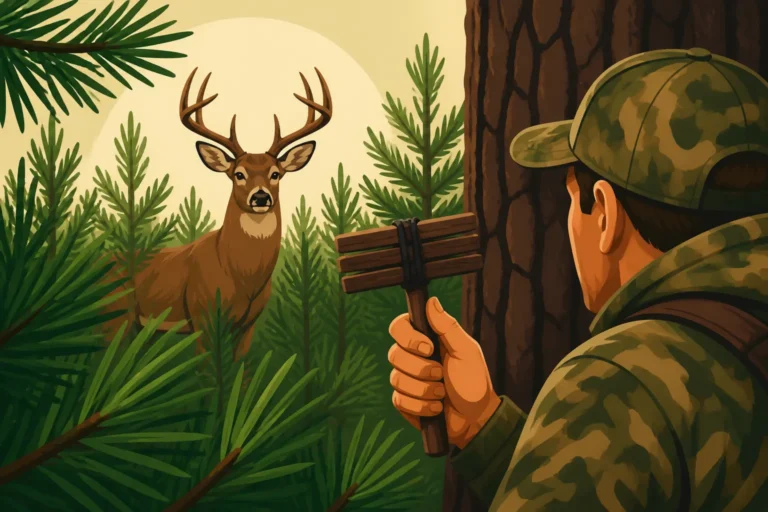
Your ability to communicate with a gobbler is fundamental to spring turkey hunting. There's a vast array of calls, and most successful hunters carry a variety to adapt to different situations and bird moods. Mouth (diaphragm) calls are popular for their hands-free operation and versatility, allowing for everything from soft purrs to excited cutting. Slate or glass calls produce realistic yelps and clucks, and their volume can be controlled easily. Box calls are loud and excellent for locating birds or getting aggressive. Knowing when and how to use different calls is a skill developed over time, but having options is crucial. Get started with a few key calls, practice year-round, and listen to real turkeys to refine your technique. Turkey Calls Worth Carrying in Georgia offers a great breakdown.
Decoys add a visual element that can be incredibly effective, especially on private land or less pressured public areas. A single hen decoy is often all you need to draw a gobbler into range. Adding a jake decoy can sometimes ignite a dominant gobbler's territorial instincts, bringing him in aggressively. Full-strut gobbler decoys, while effective, can also be risky, as they can attract other hunters. Placement is key: always set decoys where the gobbler will approach with his head up, offering a clear shot, and never directly between you and the incoming bird. Learn more about effective Decoy Placement for Pressured Georgia Birds. For concealment, a good camouflage pattern is essential. Ground blinds are fantastic for static sits, especially with kids or if you need to minimize movement. They offer excellent concealment but restrict mobility. If you prefer to be mobile, a simple camo net or natural cover is often sufficient, but always remember to break up your outline and be mindful of your backdrop.
Clothing and Bug Protection for Southern Springs
Georgia's spring weather can be a mixed bag: chilly mornings that quickly turn into warm, humid afternoons. This demands a layering approach to your clothing. Start with moisture-wicking base layers to manage sweat, then add a lightweight, breathable outer layer in an effective camouflage pattern. Brands like Nomad, Sitka, and First Lite offer excellent turkey hunting clothing designed for comfort and concealment in varied conditions. Remember that blending in isn't just about color; it's about breaking up your silhouette. A full facemask and gloves are non-negotiable for concealing exposed skin.
Perhaps even more important than the clothes themselves in Georgia are snake boots and robust bug protection. The state is home to several venomous snake species, and walking through dense undergrowth or creek bottoms puts you at risk. High-quality snake boots or gaiters are a wise investment. As for bugs, Georgia springs are notorious for ticks, mosquitoes, and gnats. Permethrin-treated clothing (applied before you wear it) is highly effective at repelling ticks and mosquitoes. Couple that with a reliable skin-applied repellent containing DEET or picaridin, and you'll be much more comfortable. Don't underestimate the distraction of incessant bug bites when you're trying to remain perfectly still for an incoming gobbler. Staying comfortable and protected will allow you to focus on the hunt. For tips on managing the heat and bugs, check out Lightweight Layering for Warm-Weather Sits and Bug Protection for Early Archery Season.
Proven Scouting and Locating Strategies
Successfully hunting turkeys in Georgia often boils down to doing your homework before the season even begins. You can have the best calls, the fanciest shotgun, and the most realistic decoys, but if you don't know where the birds are, it's all for naught. Scouting isn't just about finding turkeys; it's about understanding their habits, their preferred strut zones, their travel routes, and most importantly, where they roost.
Pre-Season Reconnaissance and Roost Scouting
Pre-season scouting is arguably the most critical component of a successful spring turkey hunt. This means hitting the woods well before opening day, ideally in late February or early March, to look for fresh sign. Look for tracks in mud or sandy areas, dusting bowls (bare patches of dirt where turkeys dust themselves), scattered feathers, and droppings. These indicators tell you that turkeys are in the area. Focus on areas with good food sources, like oak flats or agricultural fields, and water sources.
The holy grail of pre-season scouting, however, is locating active roost sites. Turkeys typically return to the same general area to roost night after night. About an hour before sunset, position yourself in an area where you can hear well, perhaps near a known creek bottom or ridge line, and listen. You might hear fly-up cackles, or if you're lucky, a gobbler letting out a tree call. Return before dawn the next morning, well before first light, to listen for fly-down cackles and, more importantly, the explosive sound of a gobbler cutting loose from the limb. Once you've pinpointed a general roosting area, mark it on your map or GPS. Knowing where a gobbler spends the night gives you a massive advantage for setting up before dawn on opening morning. Remember, silent entry and exit are key during roost scouting – you don't want to alert the birds to your presence. For detailed advice on this crucial step, refer to Roost Hunting Georgia Gobblers.
Using Technology and Topography Maps
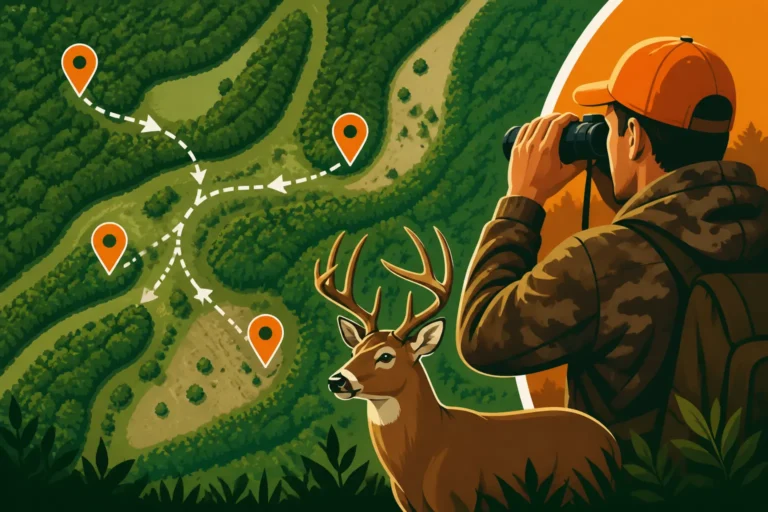
In today's hunting world, technology is an indispensable tool for scouting. Gone are the days of relying solely on paper maps and guesswork. Satellite imagery and topographical maps, accessible through apps like GoHunt, have revolutionized how we approach pre-season reconnaissance. Before you even set foot in the woods, you can use these tools to identify potential roosting areas (mature timber near water), strut zones (open fields, logging roads, ridge tops), and travel corridors (creek bottoms, saddles, fencelines).
When you're trying to figure out if a particular WMA has terrain that favors your run-and-gun style, consulting detailed satellite imagery and topographical maps, perhaps through a platform like GoHunt, can save you hours of on-the-ground scouting. These apps allow you to mark waypoints for fresh sign, historical roost sites, or even potential ambush points. They can show you property boundaries, crucial for avoiding trespass on private lands adjacent to public hunting areas. During the hunt, they help you navigate silently to your chosen setup location in the dark, and track your movement to ensure you don't get lost, especially in vast areas like the Chattahoochee National Forest or the Okefenokee Swamp region. Many hunters use apps like GoHunt to mark potential roosting sites and food plots during their off-season scouting trips, layering different data points to build a comprehensive picture of turkey activity. This digital scouting can significantly narrow down your search areas, allowing your physical scouting efforts to be more focused and efficient. To effectively plan your hunts and understand the lay of the land, you should also look into Scouting Georgia Public Land Before Season.
Effective Calling and Decoy Tactics
The heart of spring turkey hunting lies in the art of calling – mimicking the sounds of a hen to entice a lovesick gobbler into range. But it's more than just making turkey noises; it's about timing, nuance, and reading the bird's mood. Coupled with strategic decoy placement, effective calling can turn a silent morning into an unforgettable encounter.
Adaptable Calling for Pressured Birds
Georgia gobblers, especially on public land or areas with significant hunting pressure, can become notoriously "call-shy" or "hung-up." This means they'll gobble their heads off from a distance but refuse to commit, often staying just out of sight. The key to breaking these birds is adaptability. Don't be afraid to experiment with different calls and calling sequences. If aggressive yelping isn't working, switch to softer clucks and purrs. A gobbler that's heard a thousand excited hens might be more intrigued by a subtle, contented hen sound. Sometimes, less is more; a few soft tree yelps from your mouth call right before fly-down, followed by silence, can be incredibly effective.
When a gobbler hangs up, resist the urge to keep hammering him with calls. Often, backing off the calling entirely and letting him wonder where the "hen" went can be the best strategy. If he doesn't come in after a period of silence, try a soft series of clucks or a fly-down cackle followed by wing beats (using your hat or hands) to simulate a hen flying off the roost. This can sometimes make him nervous enough to come investigate. Changing your position slightly, moving towards the gobbler (if the terrain allows for a silent approach), can also break a stalemate. This is where mastering the Calling a Georgia Gobbler Off the Roost technique really pays off. Remember, every bird is different, and what works one day might not work the next. Pay attention to his responses and adjust your calling accordingly.
Decoy Setups for Different Scenarios
Decoys can be a powerful tool, but they need to be deployed thoughtfully. The classic setup is a single hen decoy, positioned 15-20 yards in front of your blind or calling position, facing slightly away from you. This creates a realistic scene and often draws the gobbler to approach the hen, presenting a broadside or slightly quartering-away shot. For open field edges or situations where you want to provoke a dominant gobbler, a jake decoy paired with a hen can be highly effective. The jake's presence can challenge a tom to come in and assert his dominance. When using a jake, ensure it's positioned so the approaching gobbler sees it first, encouraging him to puff up and strut.
However, decoys aren't always the answer, especially on heavily pressured public land where other hunters might mistake your decoy for a real bird. In such situations, or in dense cover where visibility is limited, going "naked" (no decoys) and relying solely on calling and concealment might be safer and more effective. If you do use decoys, consider their realism; cheap, shiny decoys can spook wary birds. Realistic, motion-activated decoys or even simple cloth decoys that offer a silhouette can be good options. Always ensure your decoys are visible and positioned safely, and remember to pack them away when moving. The goal is to make the scene as natural and enticing as possible without giving away your position or creating a safety hazard. When you're considering your approach to a specific area, think about tactics that work in particular environments like Turkey Tactics for Piedmont Field Edges, which often involves careful decoy placement.
Here's a quick comparison of popular turkey calls to help you choose:
| Call Type | Description | Pros | Cons | Best Use Case |
|---|---|---|---|---|
| Mouth Call | Latex or reed stretched over a frame, held in mouth. | Hands-free, versatile (yelps, clucks, purrs), wide range of sounds. | Requires practice to master, can cause gag reflex initially. | Versatile for all situations, especially when hands are occupied. |
| Slate/Pot Call | Striker rubbed across a slate, glass, or aluminum surface. | Realistic, easy to learn, good volume control, consistent sounds. | Requires two hands, can be affected by moisture, striker noise. | Mid-range calling, soft purrs, excited yelps. |
| Box Call | Two pieces of wood rubbed together (a lid on a box). | Loud, excellent for locating, very realistic yelps and cutts. | Requires two hands, can be bulky, limited sound range. | Locating birds at a distance, aggressive calling. |
| Locator Calls | Mimics owls, crows, or coyotes to provoke shock gobbling. | Excellent for pinpointing gobblers without alarming them. | Doesn't directly call birds in, can over-aggressively locate. | First light/last light scouting, mid-day locating. |
Public Land vs. Private Land Approaches
Hunting turkeys in Georgia offers a wide spectrum of opportunities, from vast public lands teeming with challenges to more managed private properties with potentially more predictable birds. Each setting demands a slightly different mindset and set of tactics. Understanding these differences is key to planning a successful spring season, whether you're navigating crowded WMAs or working a quiet private tract.
Navigating Public Land Challenges
Public land in Georgia, especially popular Wildlife Management Areas (WMAs) and National Forests, can be a crucible for turkey hunters. The primary challenge is hunting pressure. More hunters mean more eyes and ears in the woods, which can quickly make gobblers wary and call-shy. Birds on public land often gobble less, come in silently, or hang up well out of range. This requires a more patient, persistent, and often more aggressive approach from the hunter.
To succeed on public land, you need to be prepared to work harder. This often means walking farther than most people are willing to go, deep into areas that see less pressure. Use apps like GoHunt to identify remote ridges, deep creek bottoms, or thickets that might deter other hunters. Silent entry and exit are paramount. Get to your chosen spot well before first light, using a headlamp with a red light setting to minimize disturbance. When a bird gobbles, assess his direction, and use topography and cover to close the distance silently, often employing a "run-and-gun" tactic where you move, call, listen, and move again. Don't be afraid to break off from a hung-up bird and go find another one. Also, be acutely aware of other hunters. Always practice extreme caution, positive target identification, and wear some form of blaze orange or pink when moving between locations on public land, especially once firearms season is open. For more strategies on tackling shared resources, learn about Run-and-Gun Turkey Tactics on Public Land and what it takes to succeed on WMAs and national forests.
Maximizing Private Land Opportunities
Hunting private land often presents a stark contrast to public areas. With less pressure, turkeys on private tracts can be more responsive to calls, less wary, and more predictable in their movements. This doesn't mean it's easy, but the odds can be more favorable. If you have access to private land, whether through ownership, a lease, or a generous landowner, focus on detailed scouting of that specific property. Identify key roosting areas, feeding locations (e.g., green fields, oak flats, recently harvested fields), and strutting zones. Turkeys on private land might use fields more openly and consistently, especially during the early morning.
On private land, you can often set up static blinds more effectively, allowing for less movement and greater concealment. Decoys tend to be more effective here as well, as birds are less likely to have negative associations with them. The private land opener, which precedes the public land opener, offers a golden opportunity to hunt less pressured birds before they become educated. This early window is often highly productive. Building a good relationship with the landowner is also crucial; offer to help with chores, respect their property, and always share your harvest if they are interested. Knowing the ins and outs of your specific tract will allow you to tailor your strategy to exactly what those birds are doing. Compare this with Hunting the Private-Land Turkey Opener in March versus Hunting the Public-Land Turkey Opener in April to understand the nuances of planning your opening weekend.
Adjusting to Mid-Season and Late-Season Gobbler Behavior
The spring turkey season is a dynamic period, and gobbler behavior can shift dramatically as the weeks progress. What works on opening day might fall flat in mid-April or May. Understanding these changes and adapting your tactics accordingly is crucial for consistent success throughout the season, especially as hens become less receptive and gobblers get more cagey.
Dealing with Hung-Up and Call-Shy Birds
As the season wears on and turkeys encounter more hunters, gobblers often become "educated." They’ll gobble at every call but remain stubbornly out of range, often staying on the other side of a property line, a creek, or a thicket. These "hung-up" birds are the bane of many turkey hunters' existence. The key here is extreme patience and often, a radical change in approach. Instead of aggressive calling, try soft, subtle purrs and clucks. Sometimes, complete silence after an initial call can be more effective, letting the gobbler's curiosity get the better of him. Make him think the hen is losing interest or moving away.
Another tactic for a hung-up bird is a silent move. If you can use terrain or dense cover to get closer without being detected, a subtle change in position can sometimes be enough to seal the deal. Try to get ahead of the bird or parallel to him if he's working a line. If he's consistently hanging up in the same spot, consider a setup that anticipates his pattern, perhaps setting up further back from where he typically stops. Sometimes, it's also about letting the day progress; a bird that's tight with hens in the morning might be more susceptible to calling mid-day once hens go to nest. This phase of the season is where good woodsmanship and knowing when to back off the call or completely change your location becomes vital.
Understanding Breeding Cycles and Gobbling Lulls
Turkey breeding cycles are not static; they evolve throughout the spring. Early in the season, gobblers are often eager and less wary, actively seeking out hens. As more hens become receptive and begin nesting, gobblers will often be "henned up," meaning they're with a harem of real hens and less likely to respond to your calls. This period can lead to a noticeable "gobbling lull," where the woods seem quieter, and birds are harder to locate. This often happens around late April or early May, which is well described in articles like When Georgia Gobblers Go Quiet in May.
During these lulls, your tactics need to change. Focus less on aggressive calling and more on scouting. Look for visual cues like dusting bowls, strut marks, and fresh droppings in areas turkeys are frequenting. Mid-day hunting becomes more productive as hens leave gobblers to go to their nests, making those lonely toms more receptive to calls. Instead of traditional roost setups, focus on known feeding areas, water sources, or shaded creek bottoms where a lonesome gobbler might be cruising. You might need to cover more ground and be more patient, waiting for an opportunity rather than forcing it with aggressive calling. This later season hunting often tests your resolve, but can yield some of the most satisfying harvests. Remember, a gobbler still wants to breed, even if he's less vocal. You just have to find him when he's most vulnerable.
Post-Harvest Care and Safety Considerations
Bringing a gobbler to the gun is a moment of pure exhilaration, the culmination of scouting, calling, and patience. But the hunt isn't truly over until the bird is safely recovered, properly cared for, and you've returned home safely. In Georgia's often warm spring weather, proper game care is especially important to ensure your hard-earned venison (or rather, "turkey-son"!) is of the highest quality.
Field Dressing and Game Care
Once you've made a successful shot, approach the bird cautiously to confirm it's expired. Don't rush. Once confirmed, the clock starts ticking, especially on a warm Georgia morning. The first step is often to secure the bird's fan (tail feathers) and beard (if desired) for mounting or display. Many hunters will simply cut the tail fan off at the base, and remove the beard from the breast.
For the meat, the most efficient method to cool the bird down is to field dress it. This involves removing the entrails, which helps the body cavity cool much faster. You can make a small incision around the vent and carefully remove the internal organs. Some hunters prefer to breast out the bird immediately, especially if they are far from their vehicle or a cooler. To do this, make an incision down the center of the breastbone, then carefully separate the breast meat from the bone on both sides. This yields the largest and most valuable portion of meat. If you plan to take the whole bird home, ensure the body cavity is clean and consider packing it with ice or placing it in a cooler as soon as possible. In warm weather, bacteria can multiply quickly, so prompt cooling is paramount. A clean game bag can also help protect the bird from dirt and insects during transport.
Safety Practices in the Spring Woods
Safety in the spring turkey woods cannot be overstated. Unlike deer hunting, where you might primarily be still-hunting or sitting, turkey hunting often involves mimicking game animals and moving stealthily through the woods, sometimes in areas with other hunters. This unique dynamic creates specific safety considerations.
First and foremost, always identify your target positively. Never shoot at a sound or movement. Ensure it is a gobbler, and that you have a clear shot at its head and neck. This prevents accidental shooting of hens, non-target species, or, tragically, another hunter. Secondly, consider wearing some blaze orange or blaze pink when you are moving to and from your hunting location. While you wouldn't wear it when actively calling or sitting in a blind, a blaze orange vest or hat can be critical when walking in the pre-dawn darkness or scouting mid-day. Georgia law requires hunters to wear blaze orange during firearms deer season, but it's a wise precaution for movement during turkey season as well, especially on crowded public lands. Review Georgia Blaze Orange Requirements to be fully informed.
Communicate clearly with hunting partners, letting them know your general location and intentions. Avoid wearing red, white, or blue clothing, as these colors are present on a gobbler's head and can attract unwanted attention from other hunters. Finally, always be aware of your surroundings – know your backstop, identify potential hazards like steep terrain or water, and carry a basic first-aid kit. A successful hunt is always a safe hunt.
Disclaimer
Please note that hunting regulations, season dates, and bag limits are subject to change by the Georgia Department of Natural Resources (DNR). Always consult the most current Georgia Hunting Regulations prior to any hunting activity. This article is for informational purposes only and should not be considered legal advice or a substitute for official regulations.