Why Georgia Turkey Numbers Declined
It's a disheartening thing to notice, isn't it? That familiar morning gobble seems a little quieter these days, and finding a flock of hens and poults in the summer feels less like an everyday occurrence and more like a lucky sighting. Many of us Georgia hunters have seen the wild turkey population shift firsthand, and it leaves us wondering: what exactly is going on? This comprehensive guide will dive deep into the multifaceted reasons behind the decline in Georgia's wild turkey numbers, examining the ecological, environmental, and human-influenced factors at play.
The Alarming Trend: Understanding the Decline in Georgia's Wild Turkeys
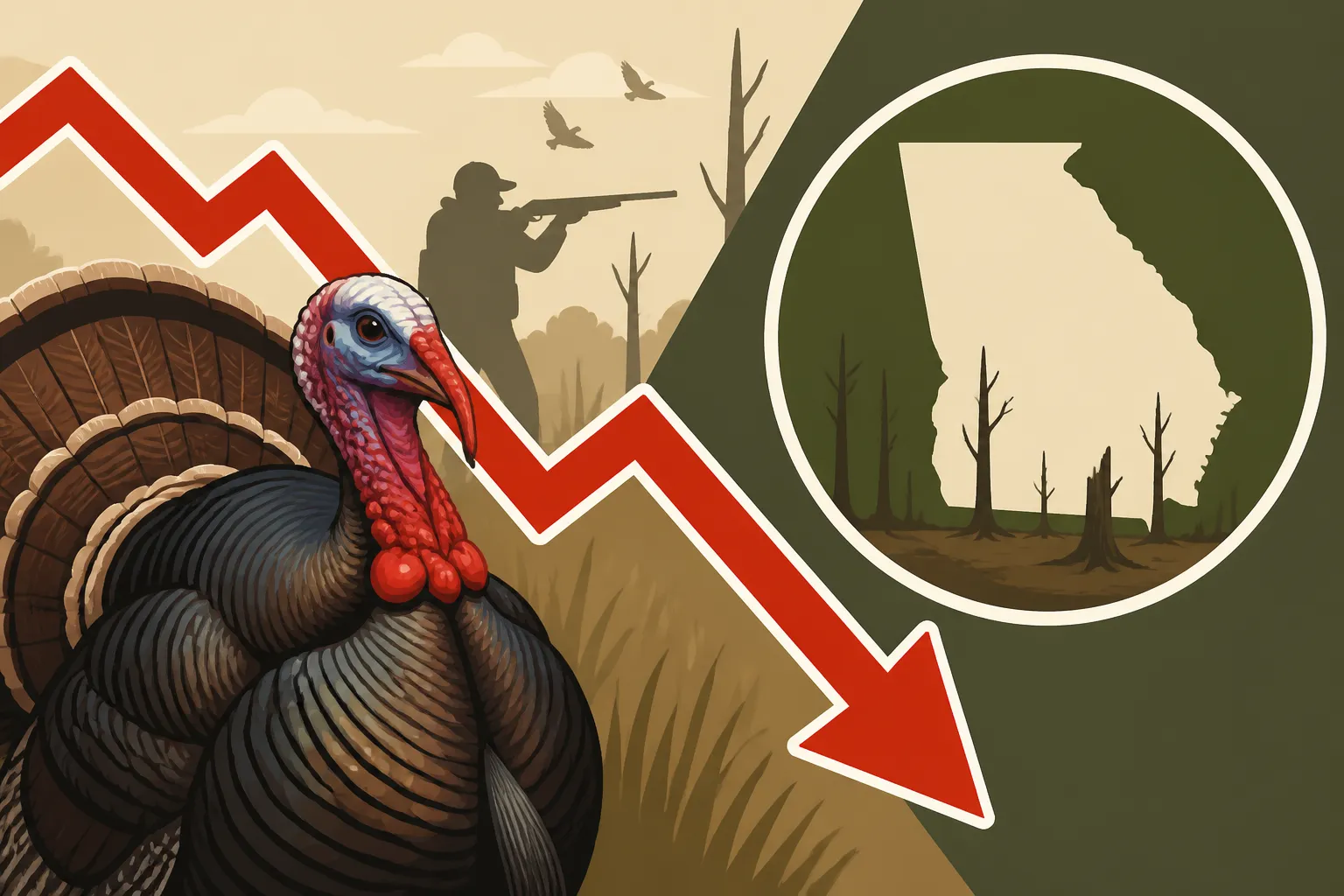
For generations, the wild turkey has been a symbol of successful conservation efforts. Once nearly extirpated from much of its historic range, including Georgia, these magnificent birds made a spectacular comeback through trap-and-transfer programs. But over the last decade or so, many hunters, landowners, and wildlife biologists have started noticing a worrying trend: fewer birds, quieter woods, and tougher hunts. This isn't just anecdotal; the numbers, unfortunately, support these observations, sparking conversations about what needs to be done.
Historical Abundance and Modern Reality
Think back to the stories from older hunters, or even your own experiences from 15-20 years ago. It wasn't uncommon to hear multiple gobblers sounding off from different directions on a spring morning, or to see large numbers of turkeys foraging in fields during the fall. The woods felt alive with their presence. This abundance was a testament to the resilience of the species and the hard work of wildlife agencies. However, starting around the mid-2010s, that trajectory began to flatten, and in many areas, even decline. It's a stark contrast to the boom times, leaving many of us scratching our heads and longing for those days of widespread sightings.
Now, we're faced with a new reality where every turkey encounter feels a little more precious. The optimism that once surrounded turkey restoration has been tempered by the challenges of maintaining those populations. We're not talking about a collapse, but a consistent, slow erosion that signals underlying issues within the ecosystem. It's a shift that demands our attention, not just as hunters, but as stewards of Georgia's natural heritage. The current situation means we need to adapt our understanding and our efforts to ensure these birds continue to thrive.
Data Points and Hunter Observations
While our personal experiences in the field are incredibly valuable, wildlife agencies like the Georgia Department of Natural Resources (DNR) collect hard data to monitor population health. This includes spring harvest numbers, which have shown a downward trend in many counties. More importantly, brood surveys — which track the number of poults seen with hens during the summer — have consistently indicated low poult-to-hen ratios. These ratios are a critical indicator of reproductive success and future population health; simply put, if not enough young birds survive to adulthood, the population will shrink. You can dive deeper into these figures by looking at Georgia Turkey Population Trends.
These scientific observations often align perfectly with what we're seeing on the ground. Hunters report fewer gobblers, less consistent gobbling activity, and a general scarcity of birds, especially in areas that were once hotspots. This alignment between scientific data and hunter observations creates a compelling, albeit concerning, picture. It's not just a few bad seasons; it's a pattern that suggests a systemic issue affecting the birds' ability to reproduce and survive across broad landscapes. Understanding these data points is crucial for developing effective conservation strategies.
Understanding the Turkey's Lifecycle
To truly grasp why turkey numbers are declining, we need to understand the critical stages of their annual lifecycle and where vulnerabilities exist. It all starts with nesting in the spring, where hens lay their clutch of eggs, typically 10-12, in a well-concealed nest on the ground. This period is fraught with danger, as predators can easily find and destroy nests. If successful, the poults hatch and face immediate challenges, including exposure to cold, wet weather and a gauntlet of predators during their first few weeks when they are most vulnerable.
Survival through the summer, particularly the first 30-60 days, is paramount for the poults. They need abundant insect protein to grow rapidly and develop their flight feathers. Hens need adequate cover to hide their broods and access to food and water. If a hen loses her first nest, she may re-nest, but subsequent clutches are often smaller and face even tougher odds as the season progresses. By fall, the surviving poults are larger and more resilient, but the numbers that started at hatching can be drastically reduced. This entire cycle, from nesting to poult survival to winter survival, is interconnected, and disruptions at any stage can have cascading effects on the overall population, leading us to ask: why Georgia Turkey numbers declined.
Habitat Woes: The Shrinking and Changing Landscape
One of the most significant factors contributing to the decline of wild turkeys in Georgia, and frankly, across much of the Southeast, is the degradation and outright loss of suitable habitat. Turkeys need a diverse landscape to thrive: dense cover for nesting, open woodlands for foraging, mature trees for roosting, and robust understory for poult rearing. When these critical components are altered or removed, the birds simply can't sustain their numbers. It’s not always obvious, but a subtle shift in the landscape can have profound effects on an entire turkey population.
Fragmentation and Loss of Crucial Roosting and Nesting Areas
Imagine a pristine hardwood bottom or a mixed pine-hardwood forest, the kind of place where a gobbler’s booming call echoes through the pines. These ideal habitats are becoming scarcer and more fragmented. Urban sprawl, particularly in the Piedmont region of Georgia, eats away at contiguous forests, breaking them into smaller, isolated blocks. When forests are broken up by roads, subdivisions, and commercial developments, turkeys lose large, uninterrupted areas where they can safely nest, roost, and forage without constant disturbance.
This fragmentation is especially detrimental to hens seeking secure nesting sites. They need dense, undisturbed cover to hide their nests from predators like raccoons, opossums, and coyotes. When these areas are reduced to narrow strips or small patches, nest predation rates often skyrocket. Furthermore, suitable roosting trees – typically large, mature pines or hardwoods offering good visibility and protection – become fewer and farther between. This forces turkeys to travel greater distances, exposing them to more dangers, and can concentrate them in smaller areas, making them more susceptible to both predation and hunting pressure.
Impact of Agricultural and Forestry Practices
Modern agricultural and forestry practices, while essential for human needs, often unintentionally reduce habitat quality for wild turkeys. Large-scale farming operations, with vast monoculture fields of corn, soybeans, or peanuts, offer abundant food during certain times of the year, but little in the way of nesting cover or protection for poults. The clearing of hedgerows, creek bottoms, and small woodlots to maximize tillable acreage removes vital travel corridors and security cover that turkeys rely on, particularly in agricultural strongholds in the Coastal Plain.
Similarly, intensive forestry practices can be a double-edged sword. While some timber management, like prescribed burns and thinning, can create excellent turkey habitat by promoting diverse understory, widespread clear-cutting followed by dense, even-aged pine plantations often leaves little for turkeys. These young, thick pine stands can be virtual biological deserts for turkeys for many years, lacking the open understory for foraging and the diverse cover for nesting that mature, thinned pine and hardwood stands provide. The uniformity limits insect availability for poults and restricts movement, forcing birds out of these areas.
The Critical Role of Diverse Understory
Perhaps one of the most overlooked aspects of prime turkey habitat is a robust and diverse understory. This isn't just about trees; it's the layer of shrubs, native grasses, wildflowers, and scattered small trees that grows beneath the main canopy. For turkeys, particularly young poults, this understory is life itself. It provides essential insect forage, which is crucial for the rapid growth and development of poults. A hen will lead her brood through these areas, allowing them to constantly pick at insects and other invertebrates.
Beyond food, the understory offers critical concealment from aerial predators like hawks and owls, and terrestrial predators like foxes. Without it, poults are sitting ducks. Think about a managed pine stand where prescribed burns are regularly conducted – it creates that open, grassy understory, full of insects and easy for poults to navigate while still offering cover. Conversely, a forest floor that's either too dense with briars to move through or too clear from overgrazing or aggressive spraying offers little benefit. This balance of cover and accessibility is vital, and its degradation is directly linked to struggling turkey populations and poor Poult-to-Hen Ratios and What They Mean.
The Predator Puzzle: A Complex Web of Threats
When we talk about declining turkey numbers, it's impossible to ignore the role of predators. While predation is a natural part of any ecosystem, an imbalance can put undue pressure on ground-nesting birds like wild turkeys, especially when combined with other stressors like habitat loss. It's a complex issue, and it's rarely just one predator, but rather a combination of factors working against the birds.
Increased Predation on Nests and Poults
Wild turkeys are extremely vulnerable during their nesting and early poult stages. Their nests are on the ground, making them easy targets for a variety of opportunistic predators. Raccoons, opossums, skunks, and snakes are notorious nest predators, often eating entire clutches of eggs. Even after hatching, poults face a gauntlet of threats. Small and flightless for their first couple of weeks, they are easy prey for foxes, bobcats, coyotes, and even birds of prey like owls and hawks.
The sheer number of these generalist predators, whose populations have often thrived in human-altered landscapes, can overwhelm a turkey's reproductive capacity. If a hen successfully hatches a nest, but then loses all or most of her poults to predators in the first few weeks, that year's reproductive effort is essentially a bust. The repeated failure to recruit new birds into the population year after year is a direct cause of decline. Many hunters will tell you they see fewer poults each summer, and often attribute this to the rising numbers of predators they encounter. This link between predation and low recruitment is one of the most significant factors in the turkey decline.
Predator Management Challenges
Addressing predator impacts is not as simple as it sounds. While some argue for widespread predator control, it's a labor-intensive, expensive, and often controversial endeavor. Furthermore, a blanket approach can disrupt the natural balance of an ecosystem. Effective predator management usually requires a targeted approach, focusing on specific problematic predators in specific areas, often during critical nesting seasons. For instance, removing a few key nest predators from a property just before nesting begins can have a measurable positive impact on local turkey recruitment.
However, on a large scale, maintaining such efforts is challenging. Many of Georgia's public lands, for example, have restrictions on predator trapping or hunting methods, making broad management difficult. Even on private land, consistent effort is needed, and many landowners simply don't have the time or resources. The adaptability of predators like coyotes, as discussed in Coyotes and Predators in Georgia, means they quickly fill any void, making sustained relief for turkeys an uphill battle. It's not about eradication, but about finding a balance that allows turkey populations to recover their footing.
The Rise of Generalist Predators
One of the undeniable shifts in Georgia's wildlife landscape over the past few decades has been the proliferation of highly adaptable, generalist predators. The coyote is a prime example. Once absent from Georgia, these intelligent canids have spread across the entire state and are now a significant predator of fawns and turkey poults. Unlike specialized predators that rely on one or two prey species, generalists like coyotes, raccoons, and opossums can thrive on a wide variety of food sources, including agricultural crops, carrion, and small mammals, allowing their numbers to remain robust even when turkey numbers are low.
This means that even if a local turkey population struggles, these predators don't necessarily decline in response. They simply shift their diet to other available food, maintaining a high population density that continues to exert pressure on any remaining turkeys. The fragmentation of habitat, which often leads to more "edge" habitat (the transition zone between two different habitat types), also benefits these generalist predators, as it provides them with easy access to both cover and foraging opportunities. This creates a relentless, year-round pressure on turkey populations, making it harder for them to rebound from other environmental challenges.
Reproductive Challenges: When Poult Survival Falls Short
Ultimately, a healthy wildlife population depends on its ability to successfully reproduce and recruit new individuals. For wild turkeys, this means hens laying eggs and those eggs hatching into poults that survive to adulthood. If the number of poults making it through their first few critical months consistently falls below a certain threshold, the population will inevitably decline, no matter how many adult birds are initially present. This issue of recruitment, or lack thereof, is perhaps the most direct cause of the current turkey decline.
Poult-to-Hen Ratios and What They Mean
Wildlife biologists frequently use a metric called the "poult-to-hen ratio" to gauge the reproductive success of a turkey population. It's a straightforward concept: the number of poults observed per hen. For a turkey population to be stable or growing, this ratio typically needs to be around 2.0 to 2.5 poults per hen or higher by late summer. This accounts for natural mortality of both adults and young birds. If the ratio consistently drops below this threshold, it's a clear red flag that the population is not replacing itself.
Unfortunately, many areas in Georgia have seen poult-to-hen ratios consistently below these critical levels for several years. This means that for every hen, fewer than two young birds are surviving to the point where they can contribute to the next generation. The implications are stark: if more birds are dying (from all causes, including hunting, predation, disease, and old age) than are being born and recruited, the population will continue to shrink. This metric is a powerful tool for understanding the health of the flock and why we need to pay close attention to things like Poult-to-Hen Ratios and What They Mean.
Weather's Impact on Early Brood Survival
Mother Nature plays a huge, often unpredictable, role in poult survival. Wild turkey poults are incredibly delicate during their first two weeks of life. They are not fully feathered and cannot regulate their body temperature effectively. A prolonged period of cold, wet weather during or immediately after hatching can be devastating. Heavy rains can chill poults to death, or even drown them if nests are in low-lying areas. Cold snaps can force hens to spend more time brooding, leaving less time for foraging and potentially stressing both the hen and her brood.
Imagine a spring where a hen successfully hatches ten poults, only for a week of incessant rain and unseasonably cool temperatures to hit right after. Even with the hen's best efforts, she might lose several, or even all, of her brood to hypothermia or disease exacerbated by the wet conditions. While turkeys have evolved to handle some variation in weather, a series of particularly harsh springs can decimate annual recruitment, leading to noticeable drops in overall turkey numbers a year or two down the line. This is a factor beyond human control, but its impact cannot be understated when looking at the complete picture of why Georgia turkey numbers declined.
Genetic Factors and Population Health
While predation and habitat are often highlighted, underlying genetic factors and overall population health can also play a subtle but significant role in reproductive success. A population that has become too small or isolated might experience a decrease in genetic diversity. This can lead to issues like reduced fertility, lower hatch rates, or poults that are less robust and more susceptible to disease or environmental stressors. While Georgia's turkey populations are generally widespread, localized pockets could potentially face such challenges.
Furthermore, the overall health of the adult hens directly impacts their ability to successfully nest and raise poults. If hens are stressed due to lack of adequate food sources, disease, or other environmental pressures, their body condition may suffer. A hen in poor condition might lay fewer eggs, have a lower incubation success rate, or be less effective at protecting and caring for her poults. This isn't usually a primary driver of large-scale decline but can be an amplifying factor, especially in conjunction with habitat degradation and increased predation.
Climate and Coexistence: Environmental Factors and Human Impact
Beyond the immediate issues of habitat and predation, broader environmental factors and the way humans interact with wildlife contribute to the ongoing challenges faced by Georgia's wild turkeys. From emerging diseases to the nuances of hunting pressure and statewide conservation efforts, understanding these elements is crucial for a holistic view of the population's future.
Disease and Parasites Affecting Turkey Health
Just like any wildlife species, wild turkeys are susceptible to various diseases and parasites that can impact their health and survival, particularly when populations are stressed or concentrated. Avian pox, blackhead disease, and parasitic worm loads can weaken birds, make them more vulnerable to predation, or directly cause mortality. While widespread epidemics leading to massive turkey die-offs are rare, chronic low-level disease can chip away at the population, especially affecting younger birds or those in poor condition.
Take, for instance, a severe outbreak of a particular parasite. While a healthy adult might tolerate it, a poult whose immune system is still developing, or an adult hen already stressed from nesting, could succumb. Such diseases can also reduce a bird's reproductive capacity, further contributing to low poult survival. The monitoring of wildlife diseases, similar to efforts related to Chronic Wasting Disease Risk in Georgia for deer, is an ongoing process that helps biologists understand these threats. While not always the loudest factor, subtle disease pressure can be a silent contributor to a population's struggles.
The Role of Hunting Pressure and Regulations
Hunting is often a topic of intense discussion when turkey numbers are down. It's a valid concern, and wildlife agencies regularly review regulations to ensure sustainable harvests. Historically, hunting seasons and bag limits were set during periods of booming turkey populations. However, as poult recruitment has declined, there's a strong argument that existing hunting pressure, particularly on gobblers, can become an issue, especially when hens aren't successfully replacing those birds. In response to these concerns, Georgia has made adjustments to its turkey hunting regulations, including reducing the statewide bag limit to two gobblers per season, a significant change that reflected the seriousness of the decline.
The thinking behind reducing bag limits is to allow more adult gobblers to survive, theoretically increasing breeding opportunities. While a single gobbler can breed multiple hens, having a robust population of mature gobblers ensures better genetic diversity and successful breeding across the landscape. The question of Has Georgia's 2022 Turkey Rule Change Worked is still being evaluated, but it highlights the adaptive management approach required. While regulated hunting is typically not the primary driver of broad population declines (compared to habitat loss or poor recruitment), it can exacerbate issues when underlying ecological problems persist, especially if hunter access and success on public lands are high.
Conservation Efforts and Future Outlook
Despite the challenges, many dedicated individuals and organizations are working tirelessly to reverse the decline in Georgia's wild turkey numbers. State wildlife agencies are implementing new strategies based on current research, focusing on improving habitat on public lands, monitoring populations more intensely, and adjusting hunting regulations as needed. Private landowners, often with guidance from groups like the National Wild Turkey Federation (NWTF), are undertaking habitat improvement projects, such as prescribed burning, thinning timber, and planting beneficial native species to create better nesting and brood-rearing cover. Tools like GoHunt can even assist landowners in mapping out and planning habitat improvement projects on their properties, helping to visualize how these changes might impact turkey movement and foraging.
The future of wild turkeys in Georgia hinges on a collaborative effort. It requires continued research to understand the most pressing issues, proactive habitat management across both public and private lands, and thoughtful regulation based on current science. Education is also key, helping hunters and non-hunters alike understand the complexities of turkey ecology and how they can contribute to conservation. Whether it's through supporting conservation organizations, participating in brood surveys, or advocating for sound wildlife management, every little bit helps in ensuring that the iconic sound of a Georgia gobbler continues to echo through our forests for generations to come. Using platforms like GoHunt for scouting and understanding terrain can help hunters locate areas with better habitat, even as they contend with overall lower populations.
Ultimately, the decline in Georgia's wild turkey numbers is a multi-faceted problem, without a single, easy answer. It's a combination of habitat loss and fragmentation, increased and often unmanaged predator pressure, and inconsistent poult survival exacerbated by weather patterns and potentially disease. It’s a call to action for all of us who cherish these birds and want to see them thrive again. Even when looking for new hunting spots, tools like GoHunt can provide valuable insights into public land boundaries, topography, and potential habitat features that might still hold some birds, even in challenging times. By understanding these complex interactions, we can work together to implement effective conservation strategies and hopefully turn the tide for Georgia's wild turkeys.
Factors Contributing to Georgia Wild Turkey Decline
| Factor | Primary Impact | Contributing Elements | Relative Impact Level |
|---|---|---|---|
| Habitat Loss/Degradation | Reduced nesting, roosting, and foraging areas | Urbanization, intensive agriculture, poor forestry | High |
| Increased Predation | Direct mortality of nests, poults, and adult hens | High populations of coyotes, raccoons, opossums | High |
| Poor Poult Survival | Low recruitment of young birds into the population | Cold, wet springs; lack of insect forage; disease | High |
| Disease/Parasites | Weakened birds, reduced reproduction, direct mortality | Avian pox, blackhead disease, heavy parasite loads | Medium |
| Hunting Pressure | Removal of adult gobblers | High harvest rates in areas with low recruitment | Medium |
| Weather Extremes | Direct mortality of poults, nesting success | Prolonged cold/wet spells, severe droughts | Medium |
Disclaimer
The information provided in this guide is for general informational purposes only and is not intended as professional advice. Hunting regulations, wildlife populations, and ecological conditions can change rapidly. Always consult the latest regulations and advisories from the Georgia Department of Natural Resources (DNR) or other relevant authorities before making any decisions related to hunting or wildlife management. The author and publisher are not responsible for any actions taken based on the information presented herein.