Georgia Wild Quail Decline Since the 1960s
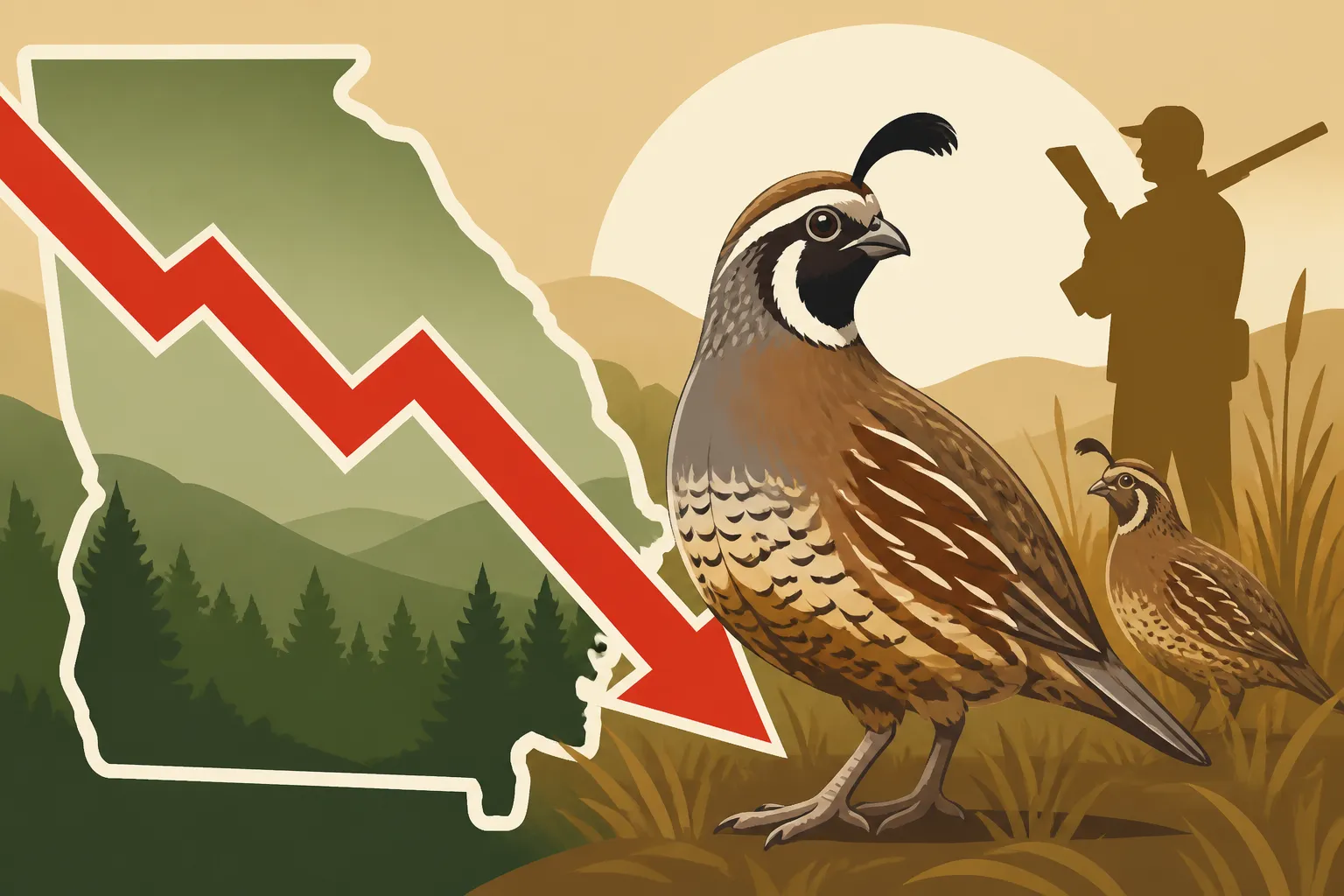
For many Georgia hunters, the memory or even just the tale of walking through piney woods and hearing the explosive flush of a wild bobwhite quail covey is a bittersweet one. The dramatic decline of these iconic game birds since the 1960s has left a significant void, not just in our hunting traditions but in the very fabric of our natural landscapes. It’s a frustrating reality to face, wondering what happened to a species that was once so prolific. This guide aims to thoroughly explore the complex, interconnected factors that led to the steep drop in Georgia's wild quail population, offering insights into their historical abundance and the challenges they face today.
The Golden Age: Georgia Quail Before the Decline
It’s hard for younger hunters to imagine, but there was a time when wild bobwhite quail were so abundant in Georgia that they were considered a staple of the Southern hunting experience. Veterans of the field will tell you stories of coveys flushing seemingly every hundred yards, a sound that defined fall and winter mornings. This wasn't just folklore; it was a reality rooted in specific environmental conditions that, unfortunately, no longer dominate the landscape.
Abundance in the Mid-20th Century
Back in the mid-20th century, Georgia's rural landscape was a patchwork quilt perfectly suited for bobwhite quail. Small-scale agriculture was king, with countless family farms dotting the countryside. These farms created an ideal mosaic of early successional habitat – small fields of row crops like corn, cotton, and peanuts, bordered by brushy fencerows, fallow fields growing up in weeds and native grasses, and open pine woodlands. This wasn't intentional quail management; it was simply a byproduct of the way people lived and worked the land. The practices naturally provided everything a bobwhite covey needed to thrive: abundant food sources, thick escape cover, and open ground for moving and dusting. Hunters could literally walk across vast stretches of land, encountering multiple coveys throughout the day, often needing nothing more than a good bird dog and a keen ear for that distinctive "bob-white!" whistle.
Lifestyle and Habitat Preferences of Bobwhites
Understanding why quail were so abundant means understanding their specific needs. Bobwhite quail are creatures of the "edge." They love transitions – where a field meets a forest, where dense cover thins out, or where mature timber opens up into a savanna-like structure. They thrive in early successional habitats, meaning areas that are constantly being disturbed, either by farming, logging, or, historically, by natural wildfires. This disturbance prevents dense, mature forests from taking over, which bobwhites can't use. They need seeds from weeds and agricultural crops, insects for protein (especially chicks), and diverse cover for nesting, brooding, roosting, and protection from predators. Think of a perfect quail habitat as having short, open ground cover for easy movement and foraging, interspersed with taller, dense clumps of grass and woody vegetation for hiding. This mix allows them to feed safely, raise their young, and quickly disappear when danger approaches.
Habitat Transformation: The Primary Culprit
While many factors contribute to the decline, the undeniable champion of detrimental change has been the radical transformation of Georgia's landscape, especially since the 1960s. The habitat that once made Georgia a quail paradise simply doesn't exist on the same scale today. It’s a bitter pill to swallow, knowing that the very ground these birds once called home has been irrevocably altered.
Agricultural Shift and Industrial Forestry
One of the biggest changes came from agriculture itself. Small family farms, with their patchwork fields and brushy edges, began to disappear. They were either bought out and consolidated into much larger, industrial-scale operations, or they simply went out of business. Large-scale farming often means huge, monoculture fields stretching for hundreds of acres, frequently tilled right to the property line. Fencerows, those vital strips of cover that provided shelter and travel corridors for quail, were seen as unproductive space and often removed to maximize tillable acreage.
Similarly, forestry practices shifted. The old method of selectively harvesting timber, or allowing natural regeneration, gave way to intense, industrial pine plantations. These operations often involve clear-cutting vast tracts, then planting dense stands of single-species pines that are managed for rapid growth. While these young pine stands can provide temporary cover, as they mature, they quickly create a dense, shaded canopy that chokes out the understory vegetation – the very grasses, forbs, and legumes that quail need for food and cover. This creates a "biological desert" on the forest floor, completely unsuitable for bobwhites. The open, park-like pine stands that were historically maintained by frequent fires became less common, further reducing prime quail habitat. This is precisely why efforts like those described in articles about Managed Pine and Georgia Quail Recovery are so critical today.
Urbanization and Fragmentation
As Georgia's population grew, so did its cities and suburbs. This urbanization directly consumed vast swaths of prime rural habitat, turning quail country into housing developments, shopping centers, and sprawling infrastructure. Think of the land around major metro areas – where once there might have been fields and pine islands, now there are subdivisions and highways. This not only destroys habitat directly but also fragments what remains.
Habitat fragmentation is particularly devastating for quail. When large, contiguous blocks of suitable habitat are broken into smaller, isolated patches by roads, residential areas, or unsuitable agricultural land, coveys become trapped. They can't easily move between these patches to find mates, new food sources, or escape pressure. This isolation leads to genetic bottlenecks, increased vulnerability to predators and disease, and ultimately, local extinctions. Even a small road can be a significant barrier for a quail covey. It's a classic example of death by a thousand cuts, where each small development chips away at the overall resilience of the quail population. Hunters trying to find these remaining pockets of birds often have to scout meticulously, perhaps using tools like GoHunt to analyze property lines and habitat types, trying to discern fragmented patterns.
Fire Suppression and Succession
Historically, fire played a natural and vital role in shaping Georgia's ecosystems. Native Americans used fire, and natural lightning strikes often ignited low-intensity fires that swept through pine forests and grasslands. These fires prevented the buildup of dense underbrush and allowed sunlight to reach the forest floor, promoting the growth of native grasses, forbs, and legumes that are crucial food and cover plants for quail. These open, savanna-like conditions were ideal.
However, with increased settlement and intensive forestry, fire suppression became the dominant management strategy. The goal was to protect timber resources and property. While understandable, this led to a drastic change in habitat. Without regular fires, open woodlands became thick and overgrown. Dense, woody vegetation crowded out the beneficial understory plants, making it impossible for quail to move, feed, or evade predators. The habitat "succeeded" to a more mature, closed-canopy state, which is simply not conducive to bobwhite survival. It underscores why prescribed burning is such a cornerstone of modern quail management, aiming to reverse decades of fire suppression and restore critical habitat.
Predation and Other Environmental Pressures
While habitat loss is the undeniable heavyweight champion of quail decline, it's not the only factor. A complex interplay of increased predator pressure and other environmental challenges has also taken a significant toll on Georgia's bobwhite population, making recovery even more difficult for the birds that remain.
Increasing Predator Populations
As human populations have grown and land use has changed, the landscape has also seen shifts in predator dynamics. Specifically, populations of generalist predators like raccoons, opossums, skunks, foxes, and especially coyotes have increased or expanded their ranges. These predators thrive in fragmented landscapes and often adapt well to human-altered environments.
For a ground-nesting bird like the bobwhite quail, increased predator numbers are devastating. Nests are highly vulnerable to raccoons, opossums, and snakes. Adult quail and chicks are easy targets for coyotes, foxes, and even feral cats and dogs. When quail habitat is fragmented and sparse, these birds become concentrated in smaller areas, making them easier for predators to find and exploit. It's a vicious cycle: less cover means more predation, and more predation makes it harder for coveys to rebuild their numbers. While predators are a natural part of any ecosystem, an imbalance – often exacerbated by habitat degradation – can significantly hinder the survival and reproductive success of vulnerable species like quail. This is a topic that ties into discussions about Coyotes and Predators in Georgia and their broader impact on game species.
Disease, Pesticides, and Climate Variability
Beyond predators, other environmental factors play a role, albeit often secondary to habitat. Diseases can certainly impact local populations, especially in stressed or concentrated coveys. While not always a widespread, single cause for decline, localized outbreaks can occur.
Pesticide use, particularly in large-scale agriculture, is another concern. Direct poisoning of quail from ingesting treated seeds or insects is a possibility, though perhaps less common than the indirect effects. More subtly, broad-spectrum pesticides can decimate insect populations, which are a critical food source for quail chicks. Without a readily available supply of protein-rich insects, young quail often don't survive to adulthood, impacting recruitment rates year after year.
Finally, climate variability, including increasingly erratic weather patterns, can affect quail. Extreme droughts can reduce food and water sources, while prolonged periods of cold, wet weather during nesting season can lead to high chick mortality. While quail are resilient, repeated adverse weather events can compound the challenges posed by habitat loss and predation, making it harder for populations to rebound.
Hunting Pressure: A Contributing Factor, But Not the Sole Cause
When wild game populations decline, one of the first questions many people ask is, "Are hunters shooting too many?" It’s a natural inquiry, but for Georgia's wild quail, the answer is far more nuanced. While hunting can certainly impact local populations, it’s largely overshadowed by the sheer magnitude of habitat loss.
Historical Bag Limits and Hunter Numbers
In the mid-20th century, when quail were incredibly abundant, bag limits were often generous, reflecting the healthy populations of the time. Hunters could take a fair number of birds, and the population seemed to shrug it off. However, as populations began to show signs of decline, hunting pressure sometimes exacerbated localized issues, particularly on public lands or easily accessible private tracts where multiple hunters might target the same coveys. It's a delicate balance, and without robust populations, any additional pressure can be felt more acutely. The stories of large groups of hunters converging on prime areas illustrate that even if overall hunting wasn't the cause of the decline, it could certainly contribute to a lack of rebound. Discussions about Georgia Wild Quail Season Opening Day and Georgia Quail Season Bag Limit often reflect these historical changes and adaptive management strategies.
Modern Regulations and Conservation-Minded Hunters
Today, hunting regulations for wild quail in Georgia are designed to be extremely conservative, reflecting the species' vulnerable status. Bag limits are low, and seasons are carefully set to avoid undue pressure on breeding populations. The reality is that fewer and fewer hunters are specifically targeting wild bobwhites compared to decades past, simply because the opportunities are so scarce. The frustration isn't about the inability to shoot a limit, but the inability to even find a covey.
The vast majority of modern quail hunters are passionate conservationists. They understand the plight of the bobwhite and are often at the forefront of habitat restoration efforts. Many hunters who still seek quail do so on managed properties, often "put-and-take" operations or shooting preserves, like those detailed in Georgia Shooting Preserve Season Rules, where birds are released specifically for hunting, taking pressure off wild populations. This shift demonstrates a community committed to the long-term health of the species, recognizing that responsible hunting is a part of sustainable wildlife management, but that habitat is the ultimate key. You'll find many hunters actively engaged in improving habitat on their land, understanding that their passion for Working Pointing Dogs on Wild Georgia Quail depends entirely on healthy wild populations.
The Road to Recovery: Modern Conservation Efforts
Despite the daunting challenges, there is hope for Georgia's wild bobwhite quail. Dedicated conservationists, landowners, and state agencies are working tirelessly to restore suitable habitat and give these iconic birds a fighting chance. It's a long, uphill battle, but every acre of restored habitat brings us closer to hearing that familiar covey flush again.
Managed Pine and Georgia Quail Recovery
One of the most promising strategies for quail recovery revolves around properly managed pine forests. This isn't about dense, industrial plantations, but rather about restoring the open, park-like longleaf pine savannas and mixed pine-hardwood stands that historically supported high quail numbers. Techniques include prescribed burning, which mimics natural fire regimes, thinning pine stands to allow sunlight to reach the forest floor, and controlling undesirable woody undergrowth. This management encourages the growth of native grasses, legumes, and forbs that provide essential food and cover.
The emphasis on Managed Pine and Georgia Quail Recovery has shown significant success on properties where it's implemented consistently. By creating the right mix of open ground, diverse herbaceous plants, and scattered woody cover, these habitats can once again support healthy coveys. This approach also benefits countless other wildlife species that rely on early successional habitats, making it a powerful conservation tool. This is a huge reason why many of the Best Georgia Counties for Wild Quail are often those with active land management.
Public and Private Land Initiatives
Conservation efforts aren't limited to a few landowners; they involve a broad coalition. State agencies, like the Georgia Department of Natural Resources (DNR), actively manage Wildlife Management Areas (WMAs) to create and maintain quail habitat. They conduct prescribed burns, thin timber, and plant beneficial food plots. These efforts, though often on smaller scales than what's needed statewide, serve as vital strongholds and demonstration sites for effective habitat management.
Furthermore, private landowners play an enormous role. Programs exist to help landowners implement habitat improvements on their property, often providing technical assistance and sometimes financial incentives. Many large tracts, particularly in Hunting South Georgia Plantation Country, are intensively managed for quail, providing critical insights and success stories. The challenge is scaling these efforts up across the broader landscape. It requires a sustained commitment, understanding of ecology, and often, significant investment. Even with these efforts, invasive species like those targeted in Feral Hog Hunting Year-Round in Georgia continue to pose a threat to sensitive habitats, underscoring the ongoing need for comprehensive wildlife management.
Here's a quick look at the major factors in quail decline:
| Factor | Primary Impact | Historical Trend | Current Status/Mitigation |
|---|---|---|---|
| Habitat Loss | Removal of fencerows, small farms; conversion to monoculture crops; dense pine plantations. | Abundant in mid-20th century due to small-scale agriculture. | Ongoing; focus on prescribed fire, thinning, native plantings. |
| Urbanization/Fragmentation | Direct habitat destruction; isolating remaining quail populations. | Less severe historically; rapidly increased since 1960s. | Ongoing; difficult to reverse; emphasizes conserving large tracts. |
| Fire Suppression | Leads to dense undergrowth, loss of beneficial native plants. | Natural and anthropogenic fires historically maintained habitat. | Reversing with widespread prescribed burning efforts. |
| Increased Predation | Higher nest and adult mortality from generalist predators (coyotes, raccoons, etc.). | Predator populations generally lower or less impactful in ideal habitat. | Management efforts, but habitat improvement is key long-term solution. |
| Pesticide Use | Direct poisoning; reduction of insect food sources for chicks. | Less prevalent historically; increased with industrial agriculture. | Monitoring, advocating for targeted pesticide use; organic farming benefits. |
| Climate Variability | Extreme weather events impacting nesting success and survival. | Natural variations, but increasing frequency/intensity. | Long-term issue; highlights importance of robust populations in healthy habitat. |
These factors combine to create a challenging environment for wild bobwhite quail. However, by understanding the roots of the problem, we can better appreciate the dedicated work being done by countless individuals and organizations to bring back the birds that mean so much to Georgia’s outdoor heritage.
Disclaimer
This article is for general informational purposes only and does not constitute professional advice. Laws, prices and regulations vary by location and change over time. Consult a qualified professional for guidance on your specific situation.