Georgia Annual Deer Harvest
It’s a common question that swirls through hunting camps and quiet woods alike: how was the deer season really this year? We pour over trail camera pictures and recount close calls, but understanding the bigger picture of Georgia’s deer herd health and hunter success often feels like peering into a fog. This comprehensive guide will pull back the curtain on Georgia's annual deer harvest data, explaining what those numbers actually tell us, how they're collected, and what factors truly influence them, so you can approach future hunting seasons with deeper knowledge and a more informed strategy.
Deciphering Georgia's Annual Deer Harvest Numbers
When you hear about Georgia's annual deer harvest, it's not just a single, simple figure. It’s a complex snapshot of our state's whitetail population, influenced by countless variables and providing crucial insights for wildlife managers and hunters alike. Understanding what goes into these numbers is the first step in making sense of the season's overall success.
The Data Behind the Hunt: What's Included?
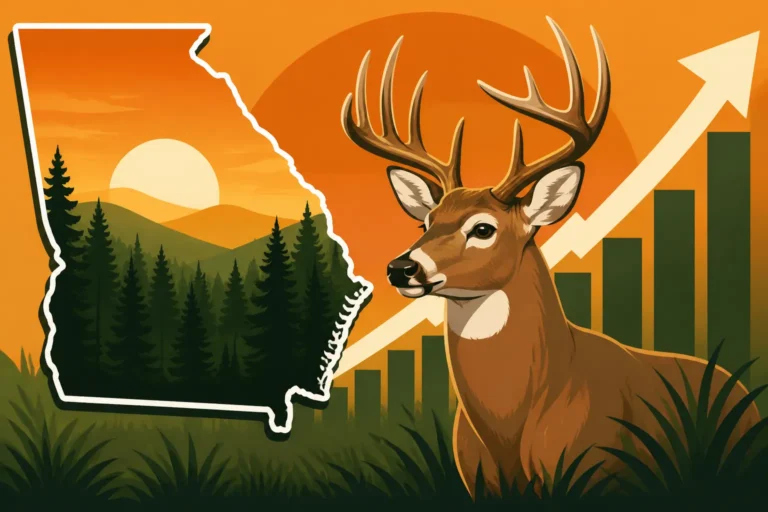
The term "annual deer harvest" in Georgia generally refers to the total number of white-tailed deer legally taken by hunters within a single hunting season. This typically includes both antlered bucks and antlerless deer (does and button bucks). The collection of this data is absolutely vital for wildlife agencies to assess the health, distribution, and population trends of the deer herd across our diverse state. Without it, managing a species that is both a natural resource and a potential agricultural nuisance would be like flying blind. When you're looking at these reports, you'll often see breakdowns by sex and age, which helps paint an even clearer picture of the herd's structure. For instance, a higher proportion of older bucks in the harvest might indicate that more deer are making it to maturity, while antlerless harvest numbers are key indicators of population control efforts.
How Georgia Game Check Works
For many hunters, reporting a deer after a successful hunt can feel like just another piece of paperwork, but the Georgia Game Check system is truly the backbone of our state's deer management strategy. Every single deer legally harvested in Georgia must be reported through this online system or phone service. Hunters are given a deadline to report their harvest, and it's essential that everyone participates diligently. This mandatory reporting is how the Georgia Department of Natural Resources (DNR) gathers the vast majority of its harvest data. Imagine trying to manage a multi-million dollar industry and a critical natural resource without accurate inventory! While no system is perfect, and sometimes hunters forget or delay reporting, it's the best tool we have to get a real-time pulse on the herd. When you’re using handy apps, such as those that might be offered by a company like GoHunt, you might even find integrated features that remind you or simplify the reporting process, making it less of a chore and more of a seamless part of your hunting experience. Ensuring that every deer is checked helps wildlife biologists track trends in localized areas as well as statewide. If you're wondering about the exact steps, you can learn more about Reporting a Deer Through Georgia Game Check.
The Impact of Hunter Participation
It might seem obvious, but the number of hunters actively pursuing deer in any given season directly impacts the total harvest figures. Even if deer numbers are robust, a decline in hunter participation can lead to a lower reported harvest. Conversely, a surge in hunter numbers, particularly on opening weekends, can push harvest totals higher, even if the overall deer population hasn't changed dramatically. Factors like economic conditions, fuel prices, or even simply how many young people are getting into hunting, all play a role. We also see differences in hunter effort. Are folks taking long trips to public lands, or are they mostly hunting their backyard plots? The dedication, time spent afield, and skill level of hunters across the state collectively shape the annual harvest. A good season for you might depend less on the statewide total and more on the localized hunter pressure where you choose to hunt, especially on public lands where folks might be Opening Weekend Tactics for Georgia Firearms Season.
Key Factors Influencing Georgia's Deer Harvest
The annual deer harvest isn't just a reflection of how many deer are in the woods; it's a complex interplay of environmental conditions, human activity, and the inherent biology of the deer themselves. Understanding these influencing factors can give you a better grasp of why harvest numbers fluctuate year to year and region to region.
Habitat and Food Availability
The foundation of any healthy deer population is robust habitat and consistent food sources. In Georgia, this means everything from the sprawling pine plantations of the Coastal Plain to the hardwood ridges of the North Georgia mountains. A banner mast crop year, with abundant acorns, persimmons, and other natural foods, can sometimes make deer harder to pattern and harvest. They don't have to move as much to find food, making them less visible and less reliant on planted food plots or agricultural fields. On the flip side, a poor mast year can concentrate deer around remaining food sources, potentially making them more vulnerable to hunters.
Beyond natural forage, agricultural fields play a huge role, particularly in the Piedmont and South Georgia. Standing corn, peanut fields, and soybean plots offer irresistible nutrition, influencing deer movement patterns and overall body condition. Changes in farming practices, such as when fields are harvested or what crops are planted, can dramatically shift where deer choose to feed and bed, directly impacting hunter success in those areas. This dynamic interaction between natural and agricultural food sources means that understanding the local landscape and its seasonal bounty is crucial for predicting deer behavior and, by extension, harvest potential.
Weather Patterns and Their Effects
Oh, the weather! It's the perennial topic of conversation for hunters, and for good reason. Weather is a huge factor in deer behavior and hunter comfort, both of which directly affect the annual harvest. Extremely mild autumns, for example, can suppress deer movement during daylight hours, as they don't need to expend as much energy foraging or seeking thermal cover. Warm weather also keeps hunters out of the woods, reducing overall effort. On the other hand, a sudden cold front can trigger increased activity, getting deer up and moving, especially during the rut.
Heavy rainfall can make tracking difficult, dampen scents, and even make some areas inaccessible, reducing hunter success. Conversely, extended droughts can concentrate deer around dwindling water sources, making them easier to pattern but also potentially stressing the herd. Thinking back to a really warm early season archery hunt, it's easy to see how oppressive heat and high humidity can keep both deer and hunters hunkered down. These weather variables often explain why a particular segment of the season, say the early archery opener, might have lower harvest numbers one year compared to another, even if the deer population remains stable.
Disease and Predation Pressure
While not always immediately visible, disease and predation exert a significant influence on deer populations and, consequently, the annual harvest. Diseases like Epizootic Hemorrhagic Disease (EHD), while often localized, can cause significant deer die-offs in specific areas, leading to noticeable drops in harvest numbers the following season. More recently, the emergence of Chronic Wasting Disease (CWD) in certain parts of Georgia is a serious concern, not only for deer health but also for how it might impact hunting regulations and hunter behavior long-term. Understanding Chronic Wasting Disease Risk in Georgia and How CWD Reached South Georgia is becoming increasingly important for hunters.
Predation, particularly from coyotes, also plays a role in fawn survival rates. While adult deer are rarely taken by coyotes, a high coyote population can mean fewer fawns make it to adulthood, which can slowly depress deer numbers over time. This continuous pressure from predators can impact Georgia Predator Impact on Fawn Recruitment, leading to fewer deer in the overall population available for harvest down the road. It’s a delicate balance in the ecosystem, and these natural pressures are always at play, even when we don't see them directly.
Changes in Regulations and Season Structure
Perhaps one of the most direct influences on harvest numbers comes from the Georgia Department of Natural Resources' management decisions regarding hunting regulations and season structure. Changes to bag limits, season lengths, or the legal methods of take can dramatically alter the harvest. For example, Georgia’s generous Georgia's Twelve-Deer Bag Limit allows for significant antlerless harvest, which is critical for managing herd health and controlling population growth. If that limit were to change, you'd almost certainly see a shift in the total harvest.
The timing and duration of specific seasons also matter. The popularity of Georgia's Long Firearms Deer Season compared to Bowhunting Georgia's Early Archery Season means that a large portion of the harvest will always come during the firearms period. Even small adjustments, like an extended season in certain counties (like the Extended Southwest Georgia Season), or changes to primitive weapons weeks, can slightly tweak the numbers. These regulations are designed to balance hunter opportunity with the long-term health and sustainability of the deer herd, always with an eye towards data gleaned from previous harvests.
Interpreting Harvest Trends for Your Hunting Strategy
Looking at the statewide annual deer harvest numbers can feel overwhelming, but when you break it down and understand the trends, this data becomes a powerful tool for planning your hunts. It’s not just about what happened last year, but what those patterns suggest for the future.
Regional Differences in Harvest Success
Georgia is a vast and ecologically diverse state, meaning deer harvest success isn't uniform. What works in the mountains often won't fly in the Coastal Plain, and the harvest numbers reflect this stark reality. For instance, North Georgia's rugged terrain and dense timber often lead to lower deer densities and, consequently, fewer overall deer harvested compared to the agricultural heartlands of the Piedmont or South Georgia. However, those mountain bucks often have to work harder and grow older, potentially leading to a higher average age class of harvested bucks.
In contrast, the productive agricultural landscapes of the Piedmont and Coastal Plain often boast higher deer densities, particularly in counties rich with food sources. These areas generally contribute a much larger proportion to the overall annual harvest. You can really dive into Deer Density by Georgia Region to see how these differences play out on a map. Some counties in the South Georgia region are consistently noted for high total harvests, or even for producing a higher number of mature, heavy-antlered bucks. Knowing these regional distinctions can help you decide where to focus your efforts. For example, if you're chasing sheer numbers for the freezer, a productive South Georgia farm county might be your best bet. If a trophy buck is your goal, you might focus on areas known for older age classes, even if the overall harvest is lower. Tools like those from GoHunt can sometimes even provide regional breakdowns of harvest data, helping you narrow down your search even further.
Understanding Long-Term Trends
One year's harvest number is just that – a number. But when you look at these figures over a decade or more, you start to see crucial long-term trends. Has the overall deer population been increasing, decreasing, or remaining stable? Are antlerless harvests consistently high, suggesting good herd control, or are they lagging, potentially leading to overpopulation in some areas? This long-term perspective is what wildlife biologists use to evaluate the success of their management strategies.
For a long time, Georgia’s deer population was on the rise, recovering from historical lows. Now, the focus is often on balancing herd health with habitat capacity, especially in areas where deer numbers might be stressing natural vegetation or creating issues for landowners. These trends also influence hunter expectations; if numbers are slowly declining in an area, you might need to adjust your tactics or expectations for success. Understanding Georgia Deer Harvest Records can provide a fascinating look at these historical trends, offering context for current conditions.
Using Data to Plan Your Next Hunt
This is where the rubber meets the road for us hunters! The annual harvest report isn't just for biologists; it's a valuable scouting tool. Many state wildlife agencies, including Georgia’s, often provide harvest data broken down by Wildlife Management Area (WMA) or even by county. This allows you to identify public lands or specific regions that consistently produce good harvest numbers. If you're seeing high harvest numbers for antlerless deer in a particular WMA, it could indicate a healthy, robust population. Conversely, if buck harvest numbers are consistently low in a familiar spot, it might be time to reassess your strategy or consider new locations.
For example, if you notice that a specific WMA consistently shows a strong harvest during the primitive weapons week, it might be worth focusing your efforts there during that timeframe. Combining this harvest data with your own Scouting Georgia Public Land Before Season (e.g., studying aerial maps, checking for food sources, identifying bottlenecks) can significantly increase your odds. Apps and platforms, like those offered by GoHunt, often integrate state data with mapping features, allowing you to visualize harvest hotspots right alongside topographic maps and property lines. This integration of broad harvest data with hyper-local scouting and mapping is truly the future of informed hunting.
| Region | Typical Terrain | Average Deer Density | Antlerless Harvest Role | Buck Quality Tendency |
|---|---|---|---|---|
| North Georgia | Mountains, steep hardwoods, dense timber | Moderate to Low | Population Control | Older, fewer, harder |
| Piedmont | Rolling hills, mixed woods, agriculture | Moderate to High | Herd Management | Good, varied |
| Coastal Plain | Flat pines, swamps, extensive agriculture | High | Population Control | High, strong genetics |
| Southwest Georgia | Rich agriculture, river bottoms | Very High | Aggressive Control | Excellent, high age |
The Hunter's Role in Data Collection
As hunters, we're not just consumers of a natural resource; we're integral partners in its management. Every successful hunt isn't just a personal triumph; it's a contribution to the scientific data that ensures healthy deer populations for generations to come. Our participation in harvest reporting is arguably one of the most important responsibilities we have as ethical hunters.
Why Accurate Reporting Matters
It's tempting after a long day in the woods, especially with a deer on the ground, to want to skip the "paperwork" and get straight to processing. But taking those few minutes to accurately report your harvest through the Georgia Game Check system is absolutely critical. Without accurate, timely data from every single hunter, wildlife biologists are left with incomplete information. This means they can't effectively gauge population trends, assess herd health, or make informed decisions about future season structures and bag limits.
Imagine if a significant portion of hunters neglected to report their deer. The data would show a falsely low harvest, potentially leading the DNR to believe the population is declining when it isn't. This could result in unnecessary restrictions on hunting opportunities in the future. Conversely, under-reporting antlerless deer could lead to areas becoming overpopulated, stressing the habitat and potentially increasing disease transmission. Our individual actions, even for just one deer, collectively build the complete picture that guides responsible wildlife management. It's a fundamental part of the hunting privilege and our duty to the resource.
Georgia's Deer Management Goals
The overarching goal of Georgia's deer management program is to maintain a healthy, viable deer population that is in balance with its habitat and provides sustainable recreational opportunities for hunters. This isn't a static target; it's a dynamic process that requires constant monitoring and adjustment. The harvest data we provide helps the DNR achieve several key objectives:
- Population Monitoring: Tracking deer numbers, age structures, and buck-to-doe ratios helps ensure the herd is neither overpopulated nor underpopulated in any given area.
- Habitat Protection: Preventing overpopulation helps protect critical habitat from being degraded by excessive browsing, which can impact not only deer but other wildlife species as well.
- Disease Surveillance: Harvest data, combined with biological samples taken at check stations or through CWD testing programs, is crucial for monitoring and responding to diseases like CWD.
- Hunter Opportunity: By ensuring a healthy, stable herd, the DNR can continue to offer generous hunting opportunities, allowing residents and non-residents alike to enjoy the tradition of deer hunting in Georgia.
It's a delicate dance between science, conservation, and recreation, and every hunter who takes the time to accurately report their harvest is an essential partner in keeping that dance in step for years to come.
Disclaimer
This article is for general informational purposes only and does not constitute professional advice. Laws, prices and regulations vary by location and change over time. Consult a qualified professional for guidance on your specific situation.