Thermal Hunting Georgia Hogs at Night
Feral hogs are a scourge across Georgia, tearing up fields, destroying crops, and impacting native wildlife populations, leaving many landowners and hunters feeling utterly exasperated and at a loss for how to control them. This comprehensive guide will walk you through the ins and outs of thermal hunting these destructive animals at night, offering actionable strategies and essential gear advice to help you reclaim your property and manage these prolific pests effectively.
The Scope of Georgia's Feral Hog Problem and Why Night Hunting Works
Georgia's landscape, from the rich agricultural fields of the Coastal Plain to the mixed woodlands of the Piedmont, provides an ideal environment for feral hogs to thrive. These intelligent, adaptable, and incredibly destructive animals reproduce at an alarming rate, making traditional daytime hunting methods feel like an endless game of whack-a-mole. It’s a battle many hunters and farmers are fighting every single day, and frankly, it often feels like the hogs are winning.
The Destructive Impact of Feral Hogs in Georgia
The sheer damage caused by feral hogs in our state is almost unbelievable. They root up pastures and crops, costing farmers millions of dollars annually in losses of peanuts, corn, and other vital commodities. Beyond agriculture, their rooting behavior devastates natural habitats, consuming acorns and other food sources crucial for native wildlife like deer and turkey. Imagine carefully managing your land for years, only to wake up one morning to find a prime food plot or newly planted field utterly destroyed overnight. It's a disheartening reality many Georgians face regularly.
Furthermore, these animals carry diseases that can affect livestock, pets, and even humans, adding another layer of concern. The Georgia Department of Natural Resources (DNR) consistently highlights the urgent need for robust management strategies due to the ecological and economic havoc these animals wreak. When you consider the estimated population, which is well into the hundreds of thousands, it becomes clear that a concerted effort, often involving specialized tactics, is absolutely necessary. For more on the scale of the issue, you might want to read about the broader problem of Feral Hogs Across Georgia
Why Night Hunting with Thermal is a Game Changer
So, why turn to thermal hunting at night? The answer is simple: it leverages the hog's natural behavior against them. Feral hogs are primarily nocturnal, especially in areas with high hunting pressure or during warmer months. They move and feed under the cover of darkness, making them incredibly difficult to spot with the naked eye. This is where thermal imaging technology shines, giving hunters a distinct advantage.
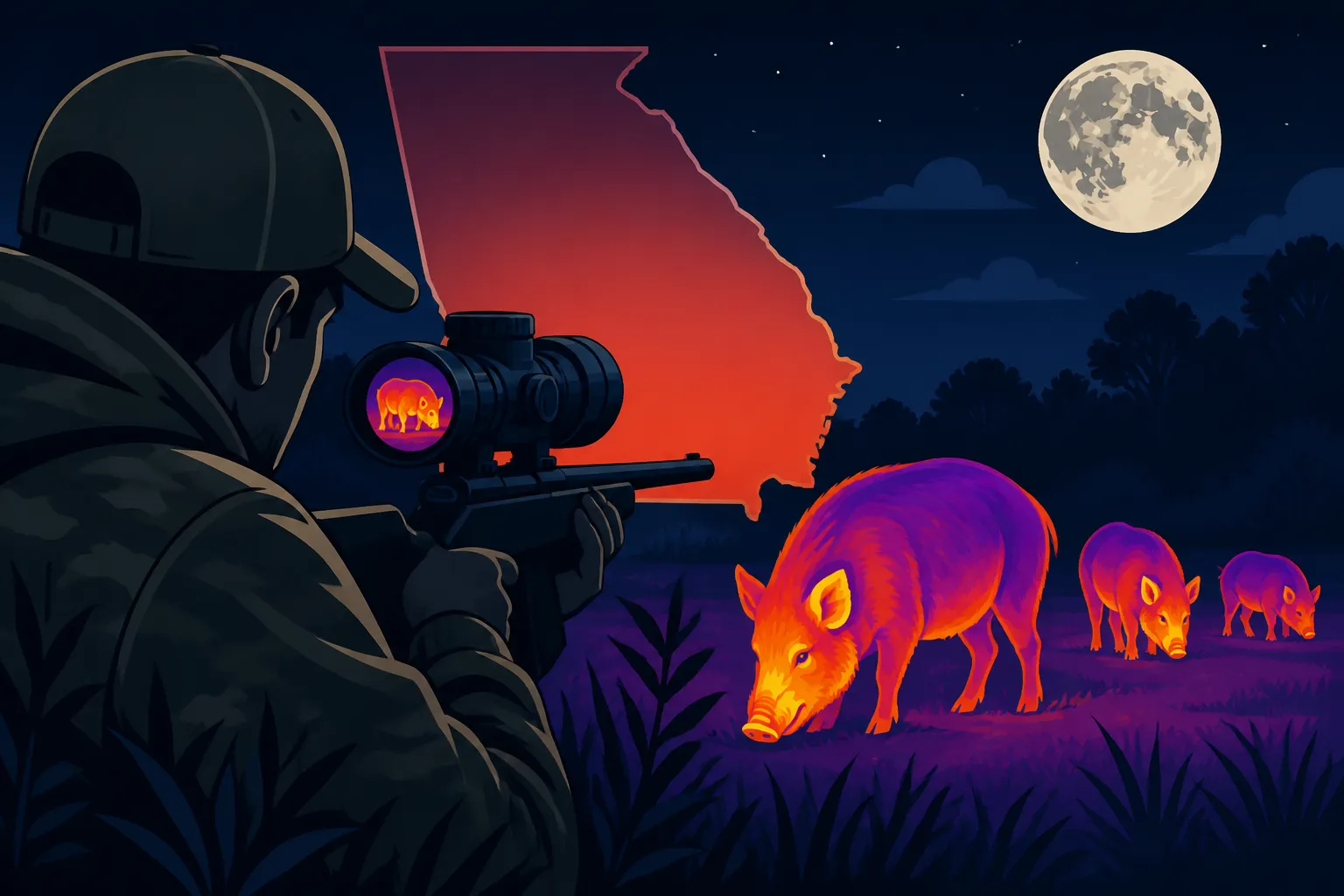
Thermal optics detect heat signatures, allowing you to "see" hogs regardless of light conditions – whether it's pitch black, foggy, or even through light brush. This capability transforms the hunting experience from a frustrating game of hide-and-seek into a highly effective eradication effort. You can spot a group of hogs from a significant distance, plan your approach, and engage them before they even know you’re there. This method drastically increases your success rate and helps to put a real dent in the local hog population, finally offering a sense of control over a seemingly insurmountable problem.
Navigating Georgia Regulations and Essential Thermal Gear
Before you head out into the Georgia night with your new thermal setup, it's absolutely crucial to understand the state's regulations and to select the right equipment. There’s nothing worse than getting geared up only to realize you’re not compliant or your equipment isn’t up to the task.
Georgia's Rules for Night and Thermal Hunting Hogs
Georgia is one of the more progressive states when it comes to combating feral hogs, recognizing the severity of the problem. Thankfully, this means the rules are generally quite favorable for hunters looking to make a difference. Feral hogs have no closed season or bag limit in Georgia, meaning you can hunt them year-round, day or night. This continuous pressure is vital for effective management.
Specifically for night hunting, Georgia allows the use of lights, including artificial lights, for hunting hogs. This is a critical distinction, as many other states restrict such methods. Furthermore, thermal and night vision devices are explicitly legal for hunting feral hogs at night. Always double-check the latest regulations on the Georgia DNR website before any hunt, as laws can change. It's important to differentiate hog hunting rules from those for other species; for instance, hunting deer at night is strictly prohibited. Understanding the full scope of Georgia Feral Hog Regulations is your first step. Remember, while the rules are permissive for hogs, exercising caution and ensuring you're targeting the correct animal is paramount for safety and compliance.
Choosing Your Thermal Imaging Equipment
When it comes to thermal gear, you generally have two main categories: thermal monoculars/scanners and thermal rifle scopes. Each serves a distinct purpose, and a truly effective setup often involves both.
- Thermal Monoculars/Scanners: These are handheld devices used for scouting and spotting. They are invaluable for scanning fields, tree lines, and timber for heat signatures, allowing you to locate hogs from a distance without pointing your weapon in an unsafe direction. A good quality scanner from a brand like Pulsar or ATN, or even newer ones you might find on GoHunt, can pick up a hog's heat signature from several hundred yards, giving you ample time to plan your approach. Think of it as your eyes in the dark, giving you situational awareness before you commit to a shot.
- Thermal Rifle Scopes: Once you've spotted hogs with your monocular, you'll need a thermal scope mounted on your firearm for accurate shot placement. These scopes project the thermal image directly into your sight picture, allowing you to aim precisely. Key features to look for include resolution (higher is better for clarity), refresh rate (smoother image movement), battery life, and ease of use. Brands like Trijicon, FLIR, and Sig Sauer offer excellent thermal scopes designed for hunting, and platforms like GoHunt often feature user reviews and comparisons that can help you make an informed decision based on your specific needs and budget.
Here’s a quick comparison to help you visualize the choice:
| Feature | Thermal Monocular/Scanner | Thermal Rifle Scope |
|---|---|---|
| Primary Use | Scouting, spotting, situational awareness, animal identification | Aiming and shooting |
| Mounting | Handheld | Mounted on firearm |
| Portability | High (often pocket-sized) | Moderate (adds weight/bulk to firearm) |
| Detection Range | Often excellent for spotting | Good for aiming once target is identified |
| Cost | Generally lower than scopes | Generally higher than scanners |
| Safety | Enables safe scouting without pointing weapon | Directly integrated with weapon, requires careful handling |
Weapon Choices for Thermal Hog Extermination
With your thermal optics sorted, you’ll need a reliable firearm. For night hunting hogs, popular choices include AR-platform rifles chambered in calibers like .223/5.56, .300 Blackout, or 6.5 Grendel. These rifles offer high capacity, quick follow-up shots, and the ability to mount various accessories. Given that you might encounter multiple hogs, a rifle with a magazine capacity of 20-30 rounds can be incredibly advantageous.
Shotguns loaded with buckshot are also effective in closer quarters, particularly in thick brush or swampy areas where hogs might be ambushed at shorter ranges. However, a rifle with a thermal scope provides greater precision and reach, which is often preferred for managing larger groups of hogs and ensuring clean kills. You might also consider a suppressor, which can drastically reduce muzzle blast, making it easier to take multiple hogs from a group without alarming the entire sounder and is legal for hunting in Georgia. If you're wondering about other hunting seasons, know that Hunting Hogs Alongside Any Other Georgia Season
Effective Strategies for Thermal Hog Hunting at Night
Thermal gear is powerful, but it’s just a tool. Success hinges on strategic planning, patient execution, and a deep understanding of hog behavior. Think of it as a chess match where you’re trying to outsmart a cunning, nocturnal opponent.
Pre-Hunt Scouting and Approach Techniques
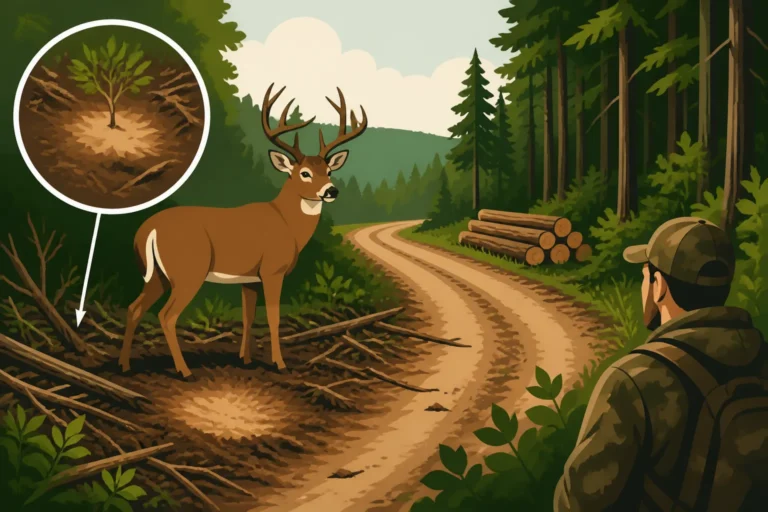
Even with thermal, scouting is paramount. During the day, look for fresh hog sign: rooted-up areas, wallows, rubs on trees, and tracks. Pay close attention to food sources, especially agricultural fields like corn, soybeans, or peanuts, and natural mast crops like acorns. Hogs are creatures of habit, often using the same travel corridors from bedding areas to feeding grounds. Mapping tools and satellite imagery, like those found on the GoHunt app, can be incredibly helpful for identifying potential travel routes, bottlenecks, and staging areas near prime food sources.
When night falls, approach your target area slowly and quietly. The wind is your absolute best friend and worst enemy. Hogs have an incredible sense of smell, far surpassing their eyesight, even in daylight. Always approach into the wind or with a crosswind. Use your thermal scanner constantly, sweeping fields and tree lines. Once you detect a heat signature, confirm it's a hog and assess the group size and their direction of travel. Many successful hunters utilize slow, careful stalks, using natural cover to minimize their silhouette against the night sky. Avoid wearing anything that can rustle loudly against brush. Remember, even though you’re hunting at night, remaining undetected is still key.
Shot Placement and Group Management
When you finally get within range, prioritize shot placement for an ethical, quick kill. For hogs, a shot behind the ear, in the brain, or through the shoulder for a heart/lung shot are all effective. The brain shot offers the quickest incapacitation, which is crucial if you intend to take multiple hogs from a group.
If you encounter a sounder (a group of hogs), the goal is often to take down as many as possible to reduce the population effectively. When you take the first shot, the remaining hogs will scatter. This is where a high-capacity rifle and quick follow-up shots are invaluable. Target the largest hogs or sows first, as they are the primary breeders. After the initial shot, if hogs are still visible and presenting good angles, quickly engage others. It’s chaotic, it’s fast-paced, and it requires composure, but it’s incredibly effective for population control. Don’t be surprised if you have to wait a few minutes after the first shots; often, some hogs will circle back or pause, giving you another opportunity.
Safety First in the Dark
Hunting at night, especially with thermal, presents unique safety considerations. Always know your target and what’s beyond it. While thermal helps distinguish animals from humans, it doesn't give you full environmental context in the same way daylight does. Never shoot at a sound unless you have positive identification via your thermal scope. Be aware of any fences, property lines, or structures in the area.
Carry a powerful conventional flashlight for walking in and out of your hunting area, especially for tracking after the shot. Always hunt with at least one partner, and ensure you both communicate effectively and know each other’s positions. Given the dark, communication is even more critical than during a daytime hunt, like when you're Deer Drives With Three or Four Hunters. Before you even step foot outside, your firearm should be unloaded until you’re in your designated hunting area and ready to engage. This might seem obvious, but in the dark, mistakes can happen quickly.
Maximizing Your Efforts and After-Action Considerations
Thermal hog hunting isn't just about the hunt itself; it’s also about what you do before and after to maximize your impact and ensure responsible practices. The effort you put in beforehand, and the diligence you show afterward, are what truly define a successful thermal hog hunting program.
Carcass Disposal and Environmental Responsibility
Once the hunt is over and you've harvested several hogs, you'll need a plan for carcass disposal. Due to the potential for disease transmission and simply the sheer volume of biomass, leaving carcasses haphazardly is not ideal. Many hunters simply drag the carcasses to a remote part of their property where scavengers can access them, or dig a shallow grave. In Georgia, it is permissible to leave hog carcasses on private property, but consideration for neighbors and preventing the spread of disease is important. If you’re hunting on public land or a WMA, check specific regulations regarding carcass disposal, as rules can vary. For larger numbers of hogs, contacting local agricultural extension offices might provide resources or guidance on mass disposal. Proper handling, as you would with any game animal, is key, even if you don't intend to consume the meat. Understanding the process of Field Dressing a Deer in Warm Weather can give you a good starting point for handling hog carcasses in warmer Georgia temperatures.
Continued Management and Community Involvement
One night of thermal hunting, no matter how successful, won’t eliminate the feral hog problem entirely. It’s an ongoing battle that requires sustained effort. Feral hogs reproduce quickly, with sows capable of having multiple litters per year. This means consistent pressure is needed. Consider setting up bait sites to draw hogs to specific, safe hunting locations. For instance, creating a regularly visited Baiting a Feral Hog Trap Site can not only help with trapping efforts but also provide a predictable hunting spot for thermal opportunities.
Building a community of hunters in your area who are also committed to hog control can significantly multiply efforts. Sharing information about hog movements, successful tactics, and even coordinating hunts can lead to better results. Talk to your neighbors and local landowners, especially if they are experiencing similar issues. Sometimes, collaborative hunting efforts or even combining resources for larger traps can make a huge difference. Remember, every hog removed is a win for Georgia’s wildlife, agriculture, and natural habitats.
Disclaimer
Hunting is an inherently dangerous activity. Always prioritize safety, follow all local, state, and federal laws, and ensure you have proper training and equipment. The information provided in this guide is for informational purposes only and should not be considered legal advice. Consult the Georgia Department of Natural Resources for the most current and comprehensive hunting regulations.