Hunting a Green Field Planted for Deer
Hunting green fields in Georgia provides hunters predictable deer patterns and reliable food sources during winter seasons.
Close the distance.
Archery, muzzleloader, and firearm techniques — calling, stand placement, still-hunting, spot-and-stalk, and the weapon rules that change at the state line.
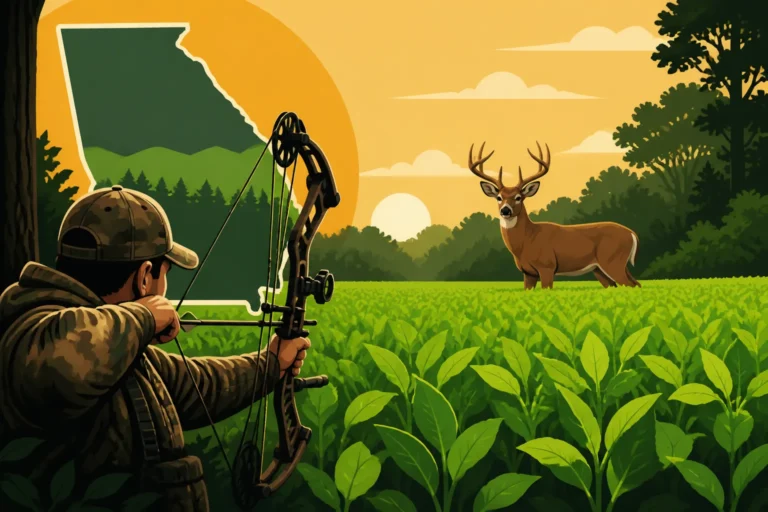
Hunting green fields in Georgia provides hunters predictable deer patterns and reliable food sources during winter seasons.
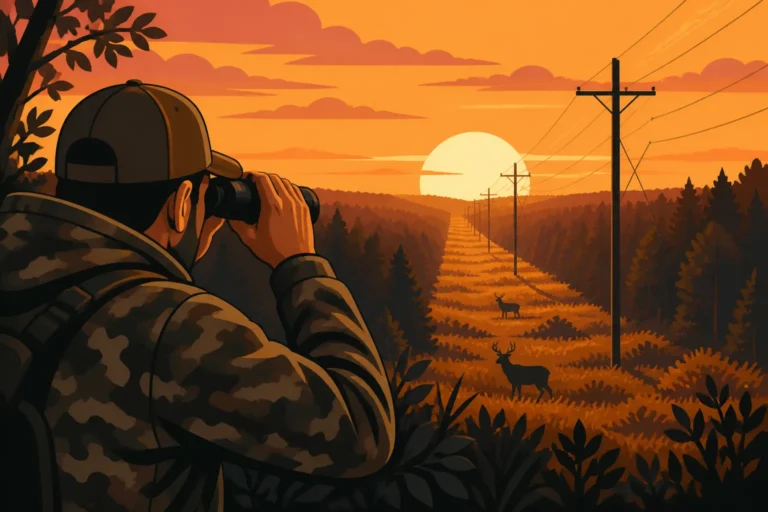
Glassing Georgia powerline cuts at last light helps hunters identify elusive white-tailed deer using edge habitats and food sources.
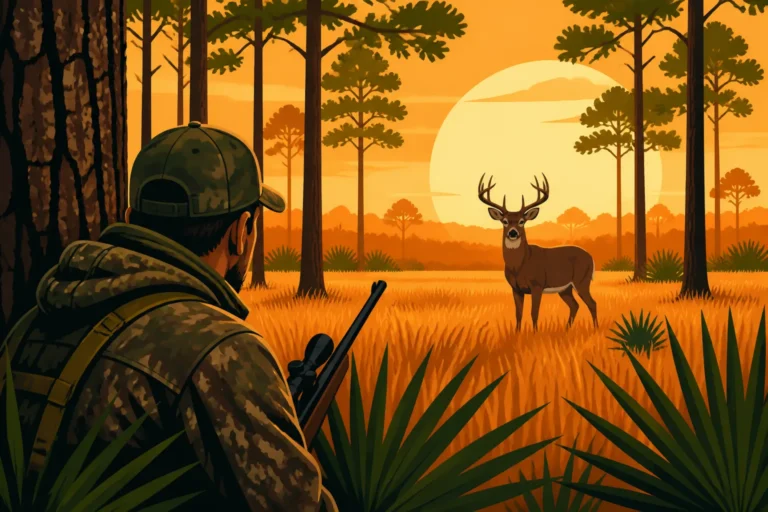
Georgia longleaf pine savanna deer hunting strategies, fire management effects, and wiregrass habitat movement patterns.
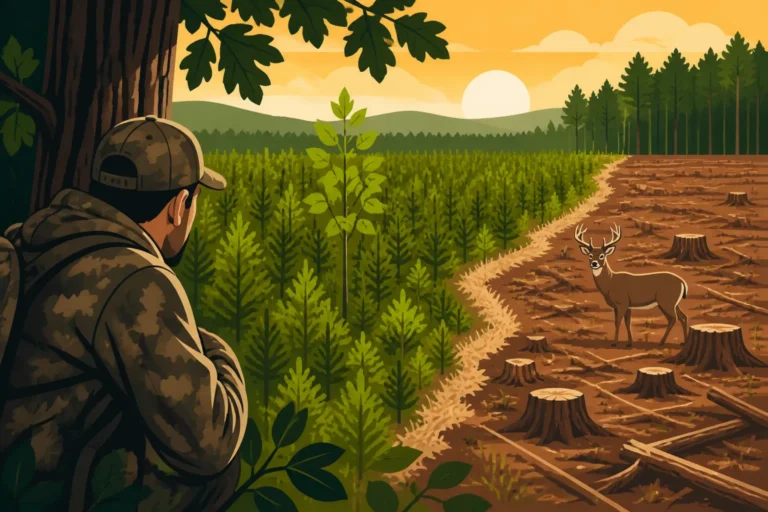
Hunting Georgia clear-cut regrowth edges provides white-tailed deer with food sources and secure bedding cover during the rut.
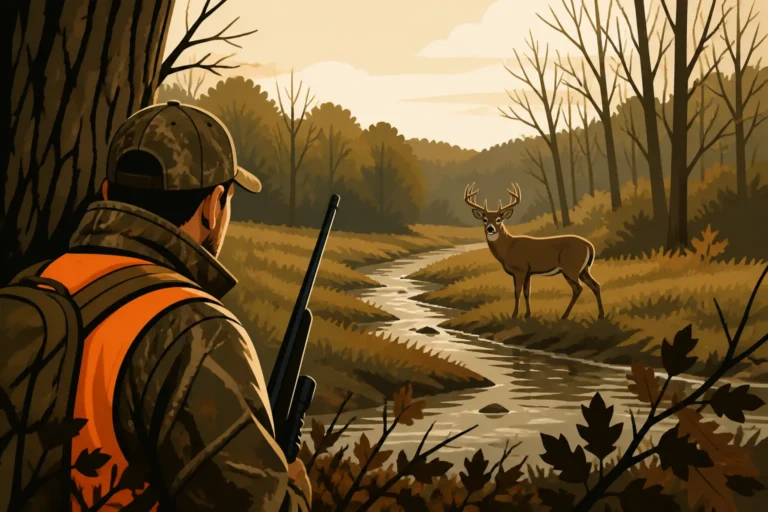
Creek bottoms provide Georgia deer with winter food, water, and thermal cover during January when other habitats are barren.
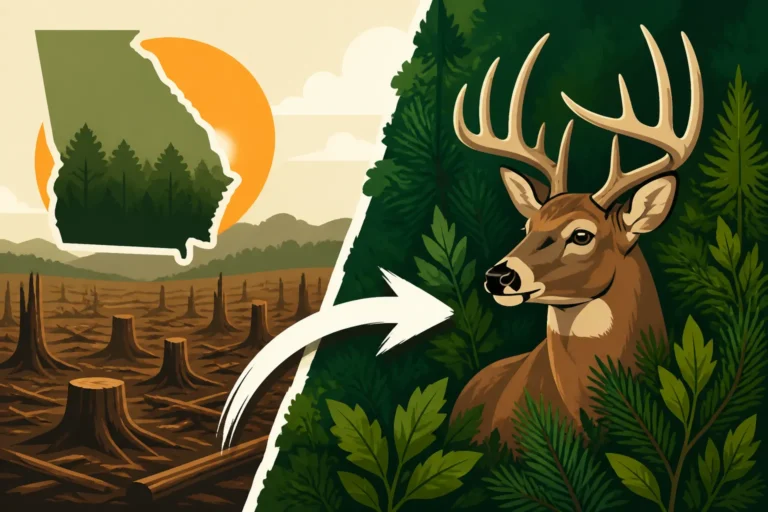
Late-season deer movement in Georgia shifts toward standing cover left after agricultural harvests, providing new hunting opportunities.
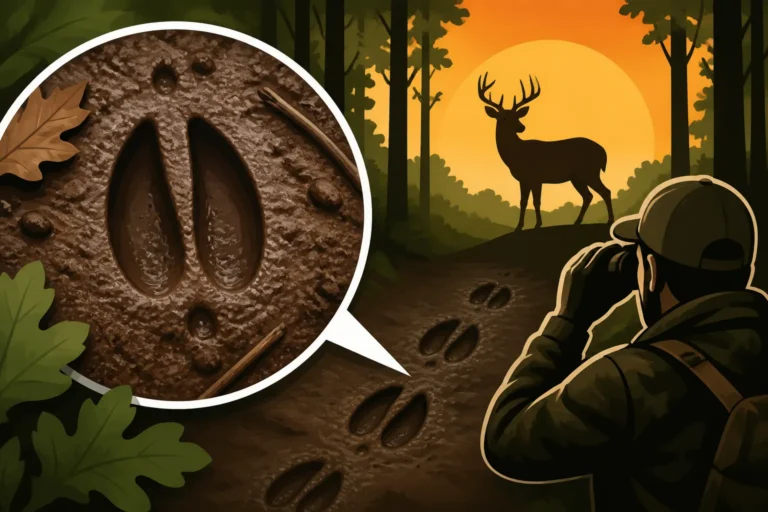
Fresh tracks in mud near creek crossings, logging road dips and field edges show recent deer travel, and rain turns those spots into a source of hunting intel.
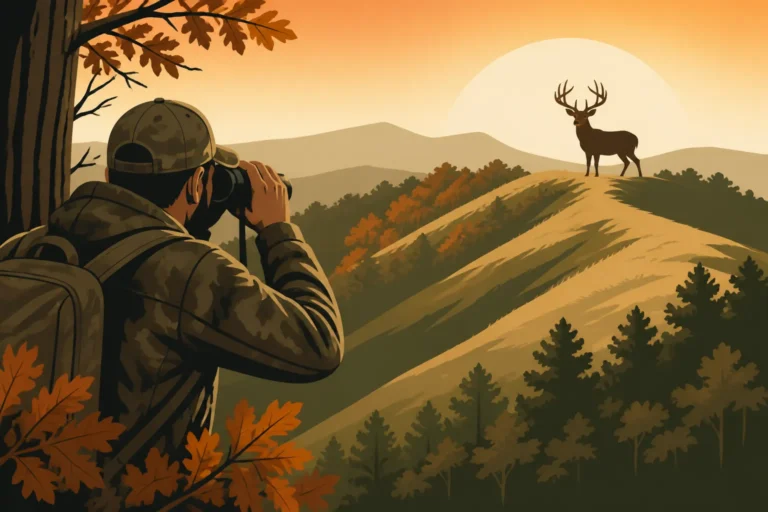
Ridge-top saddles and natural deer funnels explained using topographic maps and aerial imagery for hunting Georgia rutting bucks.
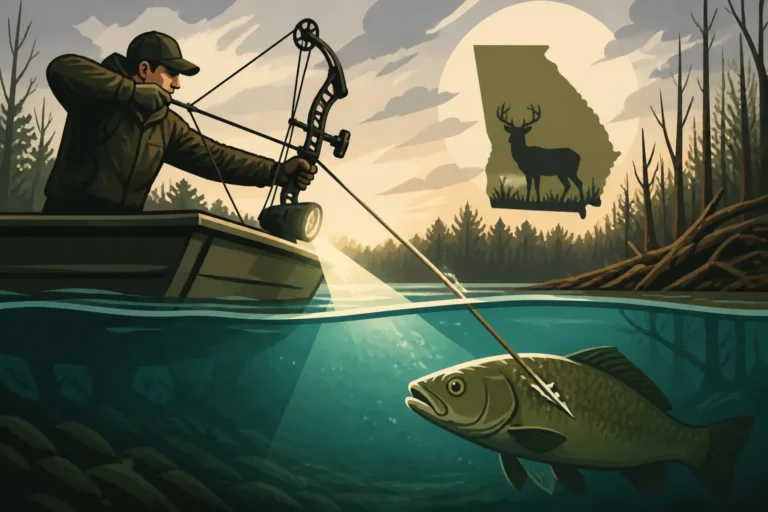
Bowfishing Georgia rivers during the off-season keeps archery skills sharp while stocking freezers with rough fish like carp and gar.
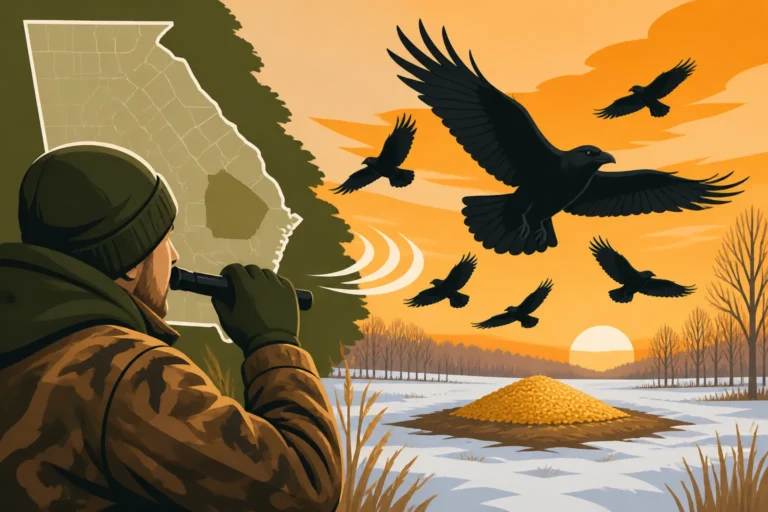
Winter crows gather by the hundreds or thousands at harvested cornfields, pecan groves and cattle feedlots because those sites offer a dependable energy source.