Dove Stools and Field Gear
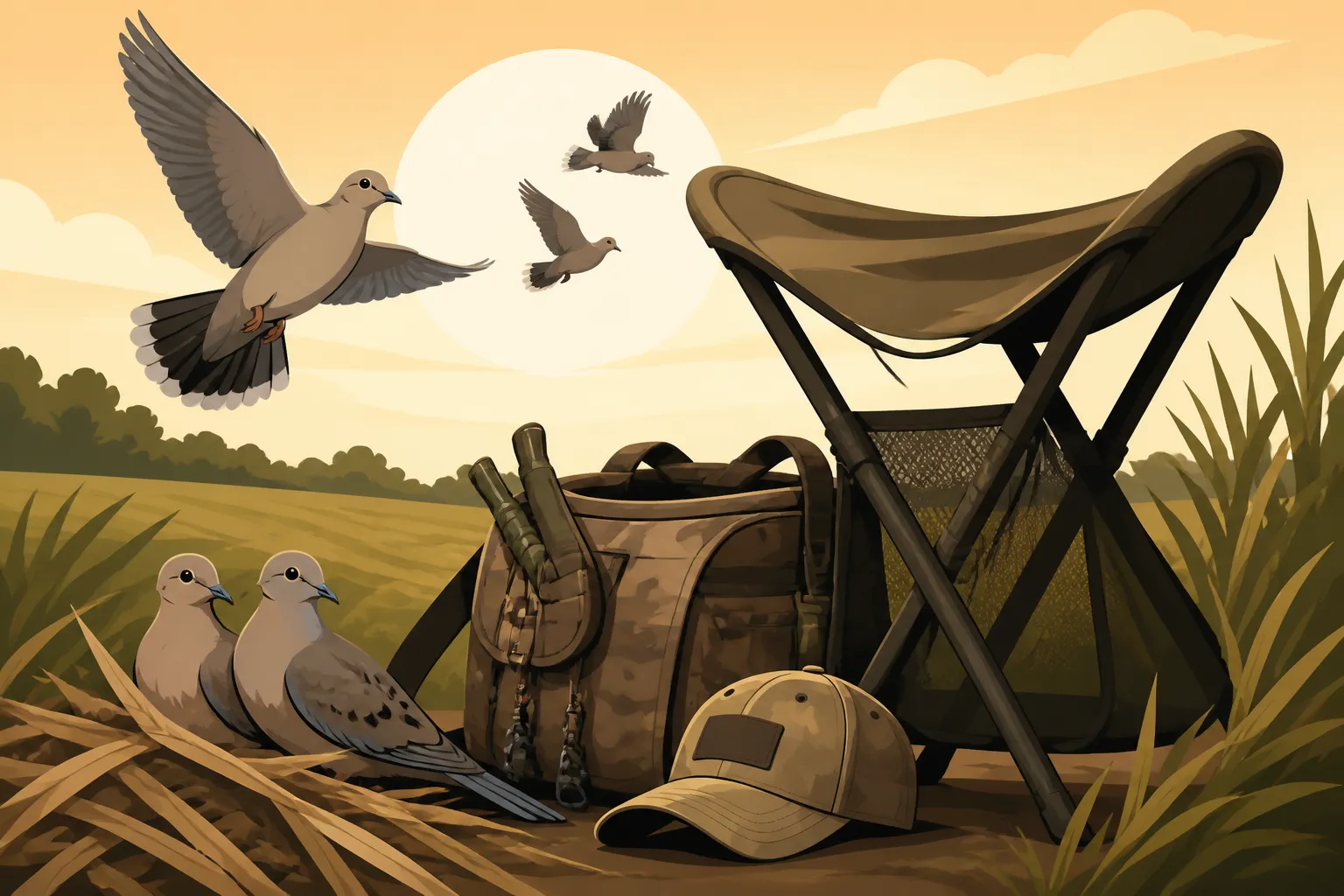
There's nothing quite like the excitement of a Georgia dove opener, but anyone who's spent hours under that scorching late-summer sun, waiting for birds to buzz in, knows that discomfort can quickly turn a fun day into a miserable one. This guide is all about making your dove hunts, from the first whistle to the last bird, as comfortable and efficient as possible by focusing on the unsung heroes of the field: your dove stool and other essential gear.
The Essential Role of a Good Dove Stool
When you picture dove hunting, you might think of fast-flying birds and quick shotgun swings. But the reality for most of us involves a lot of sitting and waiting. You're out there, often for hours, maybe by a freshly cut peanut field in Southwest Georgia or a sprawling sunflower patch in the Piedmont. Your comfort directly impacts your focus and enjoyment, and it all starts with where you park yourself.
Why Comfort Matters in a Dove Field
Think about it: you've woken up before dawn, driven to your spot, and now you're settled in, anticipating the morning flight. If you're perched on a wobbly bucket or squirming on a small, hard stool, every minute feels like an eternity. That discomfort isn't just annoying; it's distracting. You're less likely to maintain a steady position, less likely to track birds smoothly, and definitely less likely to stay patient when the flight slows down. A comfortable seat allows you to blend into your surroundings, stay still, and remain alert without constantly shifting or feeling the need to stand up and stretch. Especially on those hot Georgia days, good posture and support can make a world of difference in your stamina and overall mood. You want to focus on the birds, not on your aching back or numb rear end.
Types of Dove Stools and Their Features
Dove stools come in a surprising variety, each designed with different priorities in mind. Understanding the pros and cons can help you choose the best fit for your hunting style and the specific conditions of a Georgia dove field.
Bucket-Style Stools: These are probably the most common. They consist of a sturdy plastic bucket, often with a padded swivel seat on top.
- Pros: The bucket itself provides storage for shells, water bottles, snacks, or even harvested birds. The swivel seat is fantastic for tracking fast-moving doves without having to reposition your entire body, a huge advantage when birds come from unexpected angles. They're generally very stable and can handle uneven ground fairly well.
- Cons: They can be bulky to carry, especially if you have a long walk to your spot. The plastic can get hot in the sun, and some cheaper models might be less durable.
Folding Tripod/Quad-Leg Stools: These are lightweight, portable, and come with either three or four legs.
- Pros: Incredibly easy to carry, often with a shoulder strap or compact fold. Great for hunters who like to move around, adjusting their position as the flight patterns change throughout the day. They take up minimal space in a vehicle.
- Cons: Less storage capability than a bucket. The small seat can become uncomfortable after long periods, and stability can be an issue on very uneven ground, especially with tripod models. Many don't swivel, requiring you to stand or shift for birds coming from the sides or behind.
Chair-Style Blinds/Stools: These combine a chair with some form of integrated camouflage or shade.
- Pros: Offer maximum comfort with backrests and armrests. The built-in blind material helps you disappear into the field edge or fencerow. Some even have cup holders and side pouches.
- Cons: Much heavier and bulkier, making them less suitable for mobile hunting or long treks. They are often more expensive and might be overkill for a simple field setup. They also restrict your field of view somewhat, requiring you to really commit to a specific shooting lane.
Here's a quick comparison of common dove stool types:
| Stool Type | Key Features | Portability | Comfort | Storage | Ideal Use Case |
|---|---|---|---|---|---|
| Bucket Stool | Padded swivel seat, internal storage | Moderate | Good | High | Stationary hunting, carrying shells/water/birds |
| Folding Tripod/Quad | Lightweight, compact, no backrest | High | Fair | Low | Mobile hunting, quick repositioning, short sits |
| Chair-Style Blind | Backrest, armrests, integrated camo | Low | Excellent | Medium | Long sits, maximum concealment, fixed positions |
Portability and Durability Considerations
When you're slogging through a freshly cut corn field in the Georgia humidity, the last thing you want is gear that's a pain to transport or falls apart midway through the season. Think about how far you typically walk to your preferred spot. Are you setting up right next to the truck, or do you have a quarter-mile hike to that isolated patch of sunflowers? This is where Setting Up a Dove Field Before Opening Day really pays off in terms of knowing your access points. A lightweight, folding stool might be perfect for longer walks, allowing you to carry your shotgun, shell bag, and other essentials more easily. If you're right by the vehicle, a bulkier bucket or chair-style blind becomes a viable option.
Durability is another huge factor. Georgia's environment can be tough on gear. We have humid weather that can rust metal, mud that gets into every crevice, and unforgiving briars along field edges. Look for stools made with robust materials. Aluminum or steel frames are common, but check the quality of the hinges and fabric. Reinforced stitching on seats is critical. A swivel mechanism that feels sturdy, not wobbly, will last longer. If you invest in a good piece of gear, you want it to withstand several seasons of use, not just a single Georgia Dove Season Opening Weekend. Many hunters find that spending a little more upfront on a well-built stool saves them money and frustration in the long run.
Must-Have Field Gear Beyond the Stool
While your stool is crucial for comfort, it's just one piece of the puzzle. A successful and enjoyable dove hunt, especially during the often-sizzling early season, requires a well-thought-out selection of supporting gear. Neglecting these items can turn a great day into a test of endurance.
Shotgun and Ammunition Management
Your shotgun is, of course, the star of the show, but how you manage it and your ammunition in the field matters immensely.
- Shotgun Sling: A good sling is a game-changer, especially if you have any distance to cover to your hunting spot. It frees up your hands for carrying other gear, opening gates, or navigating through brush. Look for one that's comfortable, adjustable, and won't slip off your shoulder.
- Ammunition: Doves require a lot of shells, and it's easy to underestimate just how many. Georgia's Georgia Dove Season Bag Limit is generous, and you can burn through a couple of boxes in a good flight. Carrying enough shells is key, but so is carrying them efficiently. A simple box of shells can be awkward to carry and prone to spilling.
- Shell Pouch/Bag: This is where a dedicated shell pouch or bag becomes invaluable. It keeps your shells organized, easily accessible, and protected from the elements. Some clip onto your belt, others are worn over the shoulder, or are integrated into a game vest. The goal is to have fresh shells ready for reloading without fumbling or making unnecessary movement. You'll want to choose a Shot Size for Quail and Dove appropriate for these fast-flying birds, typically 7.5 or 8 shot.
Hydration and Cooling Strategies for Georgia Heat
Georgia dove season often kicks off when temperatures are still firmly in the 90s, with humidity that makes it feel even hotter. Dehydration and heat exhaustion are serious risks that can easily cut your hunt short. Planning for hydration and cooling isn't optional; it's essential for your safety and enjoyment.
- Water, Water, Water: Bring more water than you think you'll need. Insulated bottles or a cooler with ice are highly recommended. A gallon jug might sound like overkill, but you'll be glad to have it. Electrolyte drinks or powders can also help replenish essential salts lost through sweating.
- Cooling Towels: These synthetic towels, when soaked in water, stay cool for extended periods through evaporative cooling. Wrapping one around your neck can offer significant relief from the heat.
- Wide-Brimmed Hat and Sunglasses: Protect your face from the sun and reduce glare, making it easier to spot incoming birds.
- Lightweight, Breathable Clothing: Forget heavy cotton. Opt for Lightweight Layering for Warm-Weather Sits in performance fabrics that wick moisture away from your skin. Light colors can also help reflect sunlight. Even though it's hot, wearing long sleeves and pants can protect you from the sun's harsh UV rays, not to mention briars and bugs.
Shell Bags and Game Vests: Keeping Organized
Being organized in the field means you spend less time fumbling and more time focusing on the hunt. A good shell bag or game vest is instrumental in achieving this, especially when you're Working a Dove Field on Opening Day and need to react quickly.
- Shell Bags: These are purpose-built to hold multiple boxes of shotgun shells. They typically have a large main compartment and maybe a few smaller pockets for choke tubes, a knife, or your phone. Many feature a rigid opening that stays open for easy access and a comfortable shoulder strap.
- Game Vests: A game vest is often a more versatile option, especially for longer hunts or when you expect to carry out several birds. These vests typically have large front pockets for shells, and a spacious, easy-access game pouch across the back. Some even have internal pockets for water bottles or hydration bladders. The beauty of a vest is that it distributes weight evenly, making it more comfortable than a single shoulder bag. You can find models specifically designed for dove hunting that are light and breathable, perfect for Georgia's climate. They keep everything you need right on your person, minimizing the need to reach into a separate bag or bucket.
Practical Accessories for Enhanced Success
Beyond the basic comfort and essentials, there are a few accessories that can genuinely elevate your dove hunting experience, helping you draw more birds, stay concealed, and most importantly, stay safe. These are the items that often separate a good hunt from a truly memorable one.
Decoys and Mojo Birds: Drawing Them In
Doves are social creatures, and they are naturally drawn to the sight of other doves. This instinct can be leveraged effectively in the field with the right decoys.
- Static Decoys: These are stationary plastic or foam dove replicas that clip onto fences, branches, or even dedicated decoy stakes. Placing a few of these in prominent spots around your hunting setup can make your area look like a popular feeding or resting spot, encouraging passing birds to investigate. A small spread, say 6-12 decoys, can often be enough to make a significant difference. Placing them on the ground in a sparse area or on low branches nearby can be very effective.
- Mojo Doves/Motion Decoys: These battery-operated decoys have spinning wings that mimic a dove in flight. They create movement, which is a powerful attractant to real doves. When a flock is flying high or seems hesitant to commit, the flash of a spinning wing can be just what's needed to bring them within range. Place them in an open area where they are highly visible from a distance, usually 15-20 yards from your shooting position. Make sure they are not directly in your line of fire. These are particularly effective on days when birds are pressured or flying inconsistently, common during Dove Hunting Georgia Opening Weekend. Remember to check regulations regarding motorized decoys, though generally they are permitted for doves.
Camouflage and Concealment for Open Fields
Unlike deer hunting where you might be tucked into dense timber, dove hunting often takes place in open agricultural fields or along sparse treelines. Effective concealment here is less about disappearing entirely and more about breaking up your outline and blending with the surrounding environment.
- Camouflage Patterns: Earthy tones and patterns that mimic dry grass, corn stubble, or tree bark are excellent choices. A good quality camo shirt and pants will help you disappear into the field. Don't forget a camo hat or face mask, as your face and head are often the most exposed parts of your body.
- Natural Blinds: Utilize whatever natural cover is available. Sit with your back against a large tree trunk, in the shadow of a hay bale, or amongst a clump of tall weeds. The goal is to break up your human silhouette.
- Portable Ground Blinds: For hunters who want more complete concealment, a small, portable ground blind can be a great option. These are typically pop-up blinds that are lightweight and easy to set up. They offer excellent concealment from multiple angles and can also provide some much-needed shade on a hot day. Just remember that they also limit your field of view and movement, so practice shooting from within one before your hunt.
- Blending with the environment: The goal isn't to be invisible, but to be indistinguishable from the background. By minimizing movement and choosing appropriate patterns, you can fool doves into thinking you're just another part of the landscape. When scouting, using an app like GoHunt can help you identify subtle terrain features or brush lines that offer better natural concealment options in a field.
Hearing and Eye Protection: Safety First
Safety should always be your top priority in any hunting scenario, and dove hunting is no exception. With multiple shooters often in the same field, and the sheer volume of shots fired, protecting your senses is absolutely critical.
- Hearing Protection: This is non-negotiable. Shotgun blasts are incredibly loud and can cause permanent hearing damage over time.
- Earplugs: Simple foam earplugs are inexpensive and effective. They're a great choice if you don't need to hear game sounds, though they can make communication with fellow hunters difficult.
- Passive Earmuffs: These offer good noise reduction and are comfortable for extended wear. Again, they muffle all sound.
- Electronic Earmuffs: These are the gold standard for many hunters. They amplify ambient sounds like conversation and incoming birds, but instantly cut out dangerously loud noises like gunshots. This allows you to communicate with your buddies and hear birds flying in while still protecting your hearing. They are a fantastic investment for any shotgun sport.
- Eye Protection: Flying shotgun wads, stray pellets, or even just dust and debris kicked up in the field can pose a risk to your eyes.
- Shooting Glasses: Invest in a good pair of shooting glasses. They come in various tints for different light conditions – clear for overcast days, amber for brightening up dim conditions, and dark for sunny days. They protect against UV rays and potential impacts.
- Safety Glasses: Even basic clear safety glasses are better than nothing. Just make sure they offer full side protection. Given the number of shots you might take, and the potential for errant pellets from other hunters, protecting your vision is paramount.
Staying Prepared: Weather, Pests, and Emergency Items
Georgia's outdoor environment is beautiful but can also be challenging. A smart hunter always considers what nature might throw their way, from sudden thunderstorms to persistent insect attacks. Being prepared for these contingencies ensures your hunt remains safe and enjoyable.
Dealing with Georgia's Unpredictable Weather
Georgia weather, especially in late summer and early fall, can be a wild card. One minute it's bright sunshine, the next a torrential downpour. Being caught unprepared can lead to discomfort, equipment damage, or even health risks.
- Rain Gear: Always pack lightweight, packable rain gear, even if the forecast looks clear. A sudden afternoon thunderstorm can roll in quickly, especially in the Piedmont and mountain regions. A good rain jacket and pants will keep you dry, warm, and able to continue hunting or at least pack up comfortably.
- Temperature Swings: While early dove season is hot, later splits in October can see cooler mornings turn into warm afternoons. Layering is key. Start with lighter clothing and add or shed layers as the day progresses. This also applies to those crisp mornings when Hunting the Second Dove Split in October rolls around.
- Sun Protection: Beyond a hat and sunglasses, a broad-spectrum sunscreen is a must. Even on cloudy days, UV rays can cause sunburn, which will quickly diminish your enjoyment and focus. Don't forget exposed skin like the back of your neck and ears.
Bug Protection: Battling Gnats, Mosquitoes, and More
Ah, the joys of Georgia's insect population! From biting flies to relentless mosquitoes and gnats, these tiny terrors can make an otherwise perfect hunting day unbearable. Proper bug protection is absolutely critical.
- Insect Repellent: A high-quality insect repellent is your first line of defense. Look for products containing DEET or picaridin for maximum effectiveness. Apply it generously to exposed skin and clothing. Many hunters prefer unscented versions to avoid spooking game, though doves aren't typically bothered by scents.
- Thermacell Devices: These portable devices create a zone of protection against mosquitoes and gnats. They are incredibly effective and a favorite among hunters who spend time sitting still. The silent, odorless vapor they emit can provide a welcome bubble of peace in an otherwise buggy environment.
- Head Net: For truly aggressive swarms of gnats or mosquitoes, especially in shaded, damp areas, a head net can offer much-needed relief. It's not the most stylish look, but it can save your sanity when the bugs are thick. Remember that Bug Repellent That Holds Up in a Tree Stand will also hold up in a dove field.
First Aid and Essential Carry Items
Accidents happen, and being prepared for minor injuries or unexpected situations is a sign of a responsible hunter. A small, well-stocked first aid kit should always be part of your field gear, especially if you're venturing into more remote areas.
- Basic First Aid Kit: Include band-aids, antiseptic wipes, pain relievers, gauze, medical tape, and any personal medications. A snake bite kit might also be a good idea, depending on where you're hunting in Georgia, though a better strategy is to wear snake boots and watch your step. Knowing basic first aid is just as important as having the supplies.
- Knife/Multi-tool: Indispensable for a variety of tasks, from cutting string or tape to field dressing a bird (if you choose to do so on the spot).
- Whistle: A simple safety whistle can be crucial for signaling other hunters if you get separated or need assistance, especially important when Deer Drives With Three or Four Hunters are involved, or in large dove fields.
- Trash Bag: Pack out everything you pack in, and then some. Use it to collect your spent shotgun shells and any other trash. Leaving no trace is fundamental to hunting ethics and helps secure future access to hunting land.
- Cell Phone: For emergencies and communication. Just make sure it's fully charged and perhaps in a waterproof bag. Also useful for checking the Georgia Outdoors app for regulations or land boundaries, and for reporting your harvest with Georgia Deer Harvest Reporting Rules if you happen to be deer hunting simultaneously (though usually not with doves). Even if you don't have cell service, you might be able to use the GPS function on an app like GoHunt if you've downloaded maps beforehand.
Strategic Setup and Field Etiquette
Dove hunting isn't just about shooting; it's also about strategy, respect, and ensuring a positive experience for everyone in the field. How you set up and how you interact with other hunters can significantly impact both your success and the enjoyment of the day.
Optimizing Your Dove Field Setup
A well-chosen spot can make or break your hunt. Doves are creatures of habit, often following specific flight lines, especially when traveling between roosting areas, water, and feeding fields.
- Scouting is Key: Before opening day, take the time to scout the field. Look for flight paths, power lines where birds roost, water sources, and preferred feeding areas. This is where tools like GoHunt with its mapping features can really shine, allowing you to mark observations and potential setup spots. Pay attention to wind direction, as birds typically land and take off into the wind. Your goal is to intercept them along their natural travel corridors. Scouting Georgia Public Land Before Season applies just as much to doves as it does to deer.
- Concealment and Backdrop: Position yourself where you have a good backdrop to break up your silhouette. A line of trees, a fencerow, or even tall weeds can work wonders. Avoid sitting in wide-open spaces where you stick out like a sore thumb. Remember, doves have excellent eyesight.
- Shooting Lanes: Ensure you have clear shooting lanes in multiple directions. You don't want a perfectly good shot obstructed by a tree branch or thick brush. Consider your safety zones – always know what's beyond your target, especially if other hunters are in the field.
- Distance from Decoys: If using decoys or Mojo birds, set them up at an optimal distance, usually 15-25 yards, to ensure birds commit and are in good range for a clean shot. Positioning them directly in front of you can provide an excellent focal point for incoming birds.
Respecting Other Hunters and Landowners
Dove fields, especially on opening day, can be crowded. Good etiquette is paramount to ensure a safe and enjoyable experience for everyone.
- Spacing Out: Give other hunters plenty of space. A general rule of thumb is to maintain at least 40-50 yards between hunting parties. This ensures safety and reduces interference with each other's shooting. No one wants to feel like they're competing for birds or, worse, in someone else's firing line.
- Communication: If you're hunting with a group, communicate your positions. A simple "bird left," "bird high," or "taking it" can help coordinate shots and prevent accidental doubling up on a bird.
- Safety Zones: Always be aware of your muzzle direction and your shooting lanes. Never swing your gun towards another hunter or a non-target area. This is fundamental to Georgia Hunter Education Requirements.
- Landowner Relations: If you're hunting on private land, be extra respectful. Ask permission, follow any specific rules they have, and always thank them for the opportunity. Clean up your spent shells and any other trash. Good behavior by one hunter can help secure hunting access for many others down the line. Remember, Do You Need Written Permission in Georgia? often depends on the landowner's preference, but it's always best practice.
Post-Hunt Cleanup and Gear Care
The hunt doesn't end when the last shot is fired. Proper cleanup and gear care are vital for longevity, future enjoyment, and maintaining a good reputation as a hunter.
- Spent Shells: Always pick up all your spent shotgun shells. Leaving them scattered across a field is littering and creates a negative impression of hunters. Many shell bags have dedicated pockets for empties, or you can use a small plastic bag.
- Field Dressing: If you choose to field dress your birds, do so responsibly. Collect any offal and dispose of it properly, away from visible areas.
- Gear Inspection: Once you're home, take the time to inspect your gear. Wipe down your shotgun, especially if it's been exposed to rain or sweat, to prevent rust. Clean your stool and other equipment. If you used electronic earmuffs or a Mojo bird, remove the batteries to prevent corrosion during storage.
- Storage: Store your gear in a clean, dry place. This prevents mildew on fabrics and extends the life of all your equipment. Ensuring your gear is in top shape means it will be ready for the next Georgia Waterfowl Hunting on Coast and Swamp or another dove hunt when the season rolls around again.
Disclaimer
This article is for general informational purposes only and does not constitute professional advice. Laws, prices and regulations vary by location and change over time. Consult a qualified professional for guidance on your specific situation.