Snake Boots for Coastal Plain Walking
If you've spent any time at all chasing game through the vast, wild stretches of Georgia's Coastal Plain, you know the anxiety that comes with every step into dense cover. The rustle of pine needles, the thick underbrush, the ever-present humidity – it all creates the perfect habitat for some less-than-friendly slithery residents. This guide dives deep into why snake boots aren't just a good idea, but an absolute necessity for walking the Georgia Coastal Plain, helping you choose the right pair for peace of mind and protection on your next hunt.
Why Snake Boots Are an Absolute Must for Coastal Plain Hunting
When you're out there, miles from the nearest road, concentrating on that deer track or the faint gobble across the creek, the last thing you want is a sudden, terrifying encounter that could put you in the hospital. The Coastal Plain of Georgia is a beautiful, abundant place for hunters, but it’s also prime territory for venomous snakes. Ignoring this reality is simply asking for trouble, and frankly, it just isn't worth the risk to save a few bucks on footwear. Your safety and peace of mind are invaluable.
The Reptile Reality: What You're Up Against
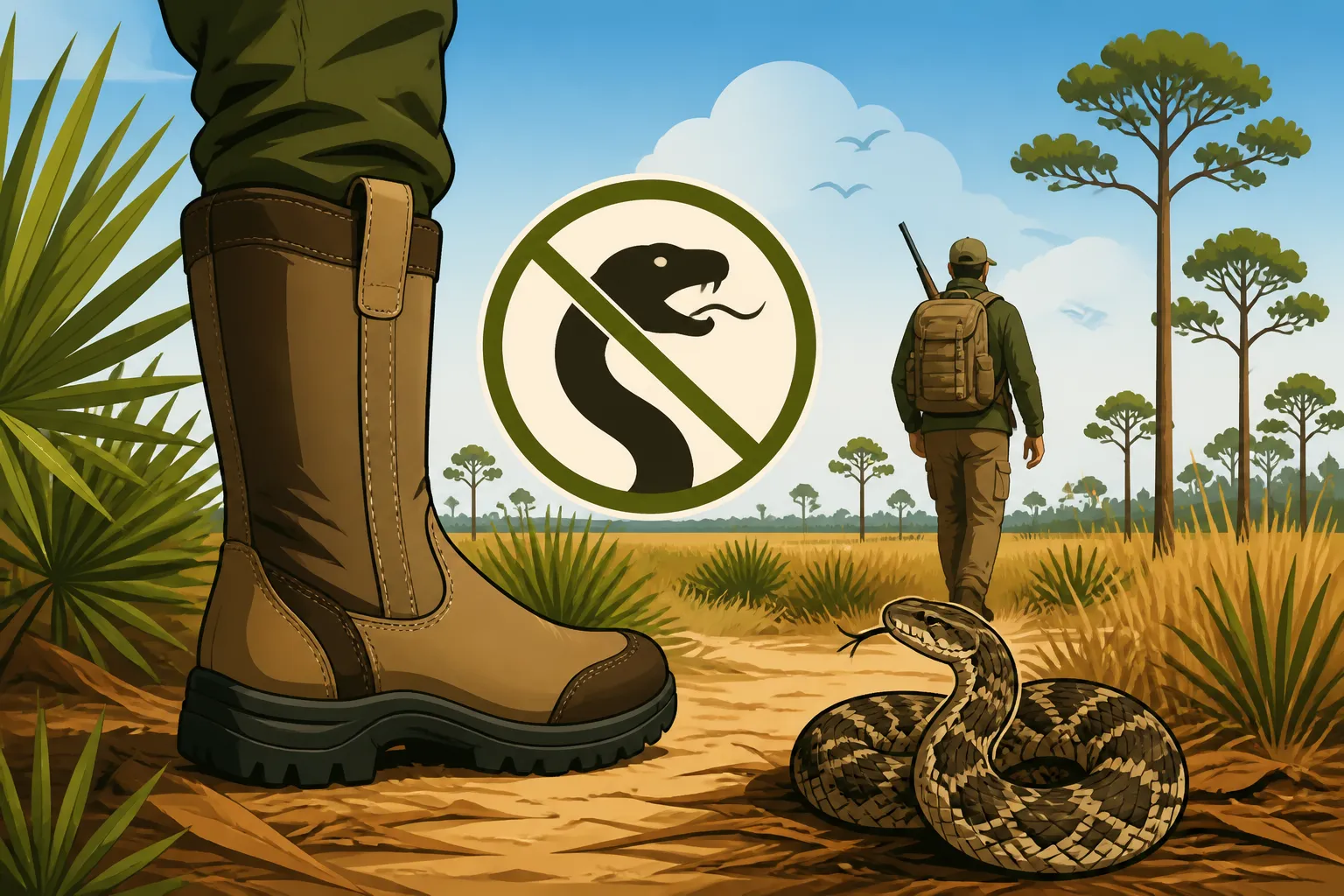
Let's be blunt: Georgia's Coastal Plain is snake country. We're talking Eastern Diamondback Rattlesnakes, Canebrake Rattlesnakes, Copperheads, and the infamous Cottonmouths (or Water Moccasins). These aren't creatures looking for trouble, but they are masters of camouflage, and their primary defense mechanism is a lightning-fast strike when they feel threatened. Imagine walking through a dense pine thicket in South Georgia, perhaps Still-Hunting South Georgia Pine Flats, and stepping just inches from a coiled rattlesnake you never saw. Your regular hunting boots, no matter how sturdy, are unlikely to offer sufficient protection against those fangs.
These venomous residents thrive in the very habitats we love to hunt. You'll find them sunning themselves on logging roads, nestled in thick palmetto patches, lurking along creek banks, or even hidden under piles of pine straw. The notion that you'll always see them before they see you is a dangerous fantasy. Especially in low light, or when you're focused on tracking game, a snake can be invisible until it's too late. A cottonmouth in the murky water of a cypress swamp or a diamondback hidden amongst dried leaves can ruin your hunting season, and potentially your life, in an instant.
The danger isn't just the initial bite; it's the aftermath. Being bitten by a venomous snake far from a road or medical facility introduces a whole new level of panic and urgency. Every minute counts when it comes to getting antivenom. The Coastal Plain is vast, and many of the best hunting spots are remote. Even with a hunting buddy and a solid plan, the time it takes to get to help can be excruciatingly long, and the consequences severe. Snake boots are your first, best line of defense, buying you precious time and hopefully preventing the venom from entering your system entirely.
Beyond the Bite: Other Gnarly Hazards
While snakebites are the most dramatic concern, the Coastal Plain throws a lot of other challenges at your feet. Think about the unforgiving vegetation: razor-sharp saw palmetto blades, thick briar patches that seem to grab at you from every angle, and various thorns that can easily pierce standard fabric or leather. I've had more than one good pair of pants shredded and my shins scraped raw from pushing through this stuff. A good pair of snake boots offers robust protection not just from fangs, but also from these everyday aggressors, keeping your lower legs intact and comfortable.
Then there's the terrain itself. You might be Reading Georgia Mud for Fresh Deer Movement along a river bottom, or navigating uneven ground in a clear-cut. Hidden stumps, gnarled roots, and slick, sandy soil can cause you to stumble or twist an ankle. Quality snake boots are built with sturdy soles and often offer excellent ankle support, giving you a more stable platform as you traverse these tricky areas. It’s not just about what might bite you; it’s about what might trip you up or poke you, compromising your ability to hunt safely and effectively.
Ultimately, protecting your lower legs from both venomous threats and abrasive terrain isn't just about avoiding injury; it's about prolonging your hunt and enhancing your overall experience. When you're not constantly worried about where you're stepping or flinching at every brush against your leg, you can focus on the hunt itself. You can move more quietly, cover more ground, and stay out longer, making those long days of Hunting Into the Extended Southwest Season or a full day chasing turkeys much more enjoyable and productive.
The Peace of Mind Factor on the Trail
There's a tangible difference in how you carry yourself when you're confident in your gear. Walking through dense cover, whether it's the undergrowth of a pine savanna or the thick edge of a swamp while Hunting Georgia Swamp and River Bottom Deer, without the constant nagging worry of a snake strike is liberating. Instead of your eyes being glued to the ground, scanning every shadow, you can lift your gaze, soak in the surroundings, and truly focus on the signs of game. Are those rubs fresh? Where did that gobbler sound come from? You become a more effective, and happier, hunter.
Even the most seasoned woodsman, the one who's "seen it all," knows that accidents happen. We all get complacent sometimes, or we're caught off guard. Snake boots aren't a sign of fear; they're a sign of preparation and respect for the environment. They're an insurance policy for your legs, allowing you to venture deeper into promising cover, like Where South Georgia Pine Flat Bucks Bed, or explore that remote patch of public land that others might shy away from due to concerns about snakes. Knowing you have that layer of protection lets you be bolder, within reason, in your pursuit.
This peace of mind isn't just about physical safety; it's about mental well-being on the hunt. Hunting is, for many of us, an escape – a chance to connect with nature and clear our heads. If you're stressed and constantly on edge, that enjoyment diminishes. By investing in quality snake boots, you're investing in a more relaxed, focused, and ultimately more rewarding hunting experience. You can enjoy the rustle of leaves, the call of a bird, and the thrill of the chase without an underlying current of anxiety.
Key Features to Look for in Quality Snake Boots
Not all snake boots are created equal. Just like you wouldn't use any old rifle for Rifle Setups for Georgia Deer Hunting or any call for Calling a Georgia Gobbler Off the Roost, you need to be discerning when it comes to your protective footwear. The Coastal Plain environment demands specific features to ensure both your safety and your comfort during those long, humid days afield. Taking the time to understand these features will make a huge difference in your satisfaction and protection.
Material Matters: Layers of Protection
The core purpose of a snake boot is to stop fangs, so the materials used are paramount. Look for boots constructed with robust, puncture-resistant layers. Many top-tier brands use combinations of thick, full-grain leather, heavy-duty Cordura nylon, or specialized synthetic materials like Kevlar. These aren't just single layers; they're often multi-layered defenses designed to spread the force of a strike and prevent penetration. Leather offers classic durability and a certain amount of natural protection, while modern synthetics often boast lighter weight and enhanced flexibility without sacrificing safety.
When comparing materials, consider the trade-offs. While full-grain leather can be incredibly durable and molds to your foot over time, it can also be heavier and may require more maintenance to keep it supple and waterproof. Synthetic materials, often reinforced with Kevlar, tend to be lighter, more flexible out of the box, and can offer superior waterproofing with integrated membranes. The key is that the protective material extends high enough on the boot – typically 16 to 18 inches minimum – to safeguard your lower calf, which is a common strike zone. A low-cut boot, no matter how tough, simply won't offer adequate protection.
Don't shy away from asking about the specific puncture resistance ratings or proprietary technologies a brand uses. While you won't get laboratory data, understanding how different boots achieve their protection can guide your choice. Some boots employ internal rigid plates, while others rely on extremely dense weave patterns. The goal is to create a barrier that a snake's fangs cannot penetrate, giving you the confidence to walk into that thick bedding area or dense briar patch.
Comfort is King: Fit, Weight, and Support
I've learned the hard way that uncomfortable boots can ruin a hunt faster than just about anything else. Georgia hunts often involve miles of walking, especially on public land, and frequently in hot, humid conditions. Heavy, ill-fitting boots will lead to fatigue, blisters, and ultimately, a cut-short hunt. When trying on snake boots, always wear the type of socks you'd normally hunt in – usually thicker, moisture-wicking ones. Walk around in them, climb some stairs, and make sure there's enough room in the toe box for your toes to wiggle without your foot sliding around.
Arch support is another critical factor, especially if you have high arches or are prone to foot fatigue. Some boots come with excellent integrated arch support, while others might benefit from aftermarket insoles. Think about the overall weight of the boot. While more protection can sometimes mean a slightly heavier boot, advancements in materials have led to surprisingly lightweight options that don't compromise safety. For long treks, particularly when Hunting the Okefenokee Swamp Fringe Deer or traversing large tracts of Hunting Longleaf Pine Savanna for Deer, every ounce counts.
The fit around your calf is also important. Too tight, and it can restrict circulation and become uncomfortable. Too loose, and the boot might shift, causing chafing or making it harder to walk securely. Some boots offer adjustable calf straps or lacing systems to help customize this fit. Remember, these boots are going to be on your feet for hours, potentially all day, so prioritizing comfort alongside protection is non-negotiable.
Traction and Support: Navigating Tricky Ground
The Coastal Plain is a mosaic of different terrains, and your boots need to handle them all. You might start your morning walking across a dew-soaked field edge, then transition to loose, sandy soil in a pine plantation, and later find yourself slogging through slick mud along a creek bottom. Excellent traction is vital for safety, preventing slips and falls that could lead to injury. Look for outsoles with aggressive, self-cleaning lug patterns that shed mud and provide grip on various surfaces.
Deep, multi-directional lugs are typically best for soft, uneven ground like mud or loose dirt. If you're frequently in areas with lots of pine straw or hard-packed trails, a more varied lug pattern might be beneficial. Pay attention to how the sole is attached to the boot – a well-constructed boot will have a durable bond that won't separate, even with heavy use in challenging conditions.
Beyond just traction, good ankle support is paramount. Stepping on a hidden branch, a slick root, or uneven ground can easily lead to a rolled ankle. Many snake boots, especially taller designs, integrate stiff shanks or internal supports to brace your ankle, reducing the risk of sprains. This added stability is crucial when carrying a pack, navigating tough terrain, or simply moving quickly to get into position. The last thing you want is an ankle injury miles from your vehicle.
Waterproofing for Wet Environments
Let's face it: Georgia is humid, and the Coastal Plain often means wet feet. Whether it's morning dew soaking through thin material, splashing through a shallow creek, or navigating a marshy area on a Coastal Georgia Barrier Island Hunts, keeping your feet dry is essential for comfort and preventing issues like trench foot or blisters. This is where reliable waterproofing comes in.
Look for boots that explicitly state they are "waterproof," not just "water-resistant." True waterproof boots will often incorporate a breathable, waterproof membrane, like those offered by reputable brands, that allows moisture vapor (sweat) to escape while preventing external water from entering. This technology is a game-changer for prolonged comfort in damp conditions. However, remember that even the best waterproof membrane is only as good as the boot's construction; seams and attachment points must also be sealed effectively.
While rubber boots are inherently waterproof, they often lack breathability, which can lead to sweaty feet in warmer weather. Many modern snake boots combine waterproof synthetic uppers with rubber lower sections to offer the best of both worlds: complete protection from standing water where it's most likely, and better breathability higher up. Always check user reviews for real-world performance, as some boots claim to be waterproof but don't hold up in truly wet Georgia conditions. GoHunt has a great selection of reviews from hunters who put their gear through its paces in similar environments.
Choosing the Right Snake Boot Style for Georgia's Diverse Terrain
The "best" snake boot isn't a one-size-fits-all answer. Your choice will depend on your personal preferences, the specific types of terrain you frequent most, and the duration of your hunts. From traditional pull-ons to secure lace-ups, understanding the pros and cons of each style will help you make an informed decision for your Georgia adventures.
Pull-On Boots: The Traditional Workhorse
The classic pull-on snake boot is a staple for many Georgia hunters. These boots are typically taller, often reaching just below the knee, and are known for their rugged simplicity. They're usually easy to get on and off, which is a real bonus after a long, tiring hunt, or when you just want to kick them off quickly at camp. Their construction is often quite robust, with fewer seams or moving parts like zippers, which can sometimes be points of failure.
Many pull-on boots, especially those made primarily of rubber or heavy-duty leather, are exceptionally durable and easy to clean. Mud and grime can often be simply hosed off. This makes them ideal for truly messy conditions, such as traversing muddy fields or slogging through shallow water in a beaver pond while Jump-Shooting Georgia Beaver Ponds for Wood Ducks. Their simplicity also often translates to a lower initial cost compared to some more complex designs.
However, the trade-off for this simplicity can be a less customizable fit. Pull-on boots, by nature, don't conform as snugly to your foot and calf as lace-up options. This can sometimes lead to a slightly looser feel, which might cause some rubbing or less ankle stability on extremely uneven terrain. For hunters who spend a lot of time on relatively flat ground or who prefer maximum ease of entry, pull-ons remain an excellent and reliable choice.
Zipper and Lace-Up Boots: Secure and Customizable
For hunters who prioritize a secure, glove-like fit, zipper and lace-up snake boots are often the preferred option. These styles allow you to cinch the boot tightly around your foot and calf, providing superior ankle support and preventing your foot from sliding around inside the boot, which can cause blisters. The customizable fit is a huge advantage for long walks or when navigating truly treacherous ground, like climbing steep banks or moving through thick, uneven clear-cuts.
Many of these boots combine the best of both worlds, featuring a zipper for quick entry and exit, along with laces to fine-tune the fit. This means you can get them on and off relatively quickly, but still have the security of a snug fit once you're out in the field. This precise fit can also enhance feel and responsiveness, making you more agile as you stalk game. When you're trying to move silently through thick hardwoods or skirt the edge of a standing peanut field, having your feet feel like an extension of your body can make all the difference.
The main drawbacks usually revolve around the mechanical parts. Zippers can get jammed with mud or debris, and laces can snag on briars. Regular cleaning and maintenance, especially of the zippers, are crucial to ensure their longevity and functionality. Despite these minor inconveniences, for hunters who demand maximum support and a personalized fit for those long, challenging days, the zipper and lace-up designs are hard to beat.
Snake Gaiters vs. Full Boots: The Trade-Off
Sometimes, the thought of wearing heavy, tall snake boots in the Georgia heat is a tough pill to swallow. This is where snake gaiters come into the conversation. Gaiters are protective sleeves worn over your regular hunting boots, extending up your calf. They're typically lighter, more breathable, and can be removed when you're out of snake-prone areas, offering a flexible option.
Gaiters might be a good choice for shorter hunts, or if you're primarily hunting in areas with less dense cover where the snake threat is perceived to be lower, but still present. They can offer a good balance of protection and comfort in situations where a full, heavy boot feels like overkill. For example, if you're just doing some light scouting or setting up trail cameras, gaiters over a comfortable pair of hiking boots might be perfectly adequate.
However, it's crucial to understand the trade-offs. While gaiters offer protection to your lower leg, they rely on your underlying boot for foot protection. This means if you're wearing lightweight hiking shoes, your foot itself may not be as protected as it would be in a full snake boot. Furthermore, gaiters can sometimes shift or snag, and they rarely offer the same level of integrated waterproofing or ankle support as a dedicated full snake boot. For true peace of mind and maximum protection in Georgia's Coastal Plain, especially in areas like the Okefenokee Swamp Fringe Deer, a full snake boot is almost always the superior choice. If you're looking for gear, resources like GoHunt often have comparative reviews of both options.
Considerations for Brands and Budget
Investing in quality snake boots is an investment in your safety and comfort, and like any good gear, you often get what you pay for. While I can't name specific prices, expect to commit a reasonable sum for a pair that will truly protect you and hold up to the rigors of Georgia hunting. Cutting corners here could be a decision you regret.
Many reputable outdoor and hunting brands offer excellent snake boots. When evaluating different options, don't just look at the price tag. Consider the brand's reputation for durability, customer service, and how well their products perform in conditions similar to Georgia's. Reading reviews from other hunters, especially those who hunt in warm, humid, and snake-heavy environments, can provide invaluable insight. Resources like GoHunt are fantastic for researching various models and seeing what real hunters are saying about different boots' performance.
Ultimately, your budget will play a role, but try to prioritize function and safety above all else. A mid-range boot might serve a casual hunter perfectly well, while a dedicated hunter who spends hundreds of hours afield each season might find the additional investment in a top-tier pair to be well worth it. Think of your snake boots as essential safety equipment, right up there with your safety harness in a treestand, and choose accordingly.
Here's a quick comparison of common snake boot features:
| Feature | Pull-On Boots | Zipper/Lace-Up Boots | Snake Gaiters (worn over regular boots) |
|---|---|---|---|
| Protection | High (full boot) | High (full boot) | Moderate (leg only, depends on underlying boot) |
| Comfort | Good (easy on/off, can be roomy) | Excellent (customizable fit) | Excellent (lighter, more breathable) |
| Ankle Support | Moderate | High | Low (depends on underlying boot) |
| Waterproofing | Varies (rubber often high, leather varies) | Varies (often integrated membranes) | Low (exposed seams, no foot protection) |
| Ease of Use | High (quick on/off) | Moderate (zipper quick, laces take time) | High (easy to put on/remove) |
| Weight | Moderate to Heavy | Moderate to Heavy | Light |
| Typical Terrain | Muddy, wet, general walking | Uneven, challenging, long treks | Light cover, shorter hikes |
Maintaining Your Snake Boots for Lasting Protection and Comfort
Just like any other piece of your hunting gear, from your favorite rifle to your best turkey call, snake boots require proper care and maintenance. Neglecting them can lead to premature wear, reduced effectiveness, and ultimately, a compromise in your safety. A little effort after each hunt goes a long way in ensuring your investment lasts and keeps you protected season after season.
Cleaning Your Boots After Every Hunt
The Coastal Plain is notoriously dirty. Mud, sand, pine straw, and all manner of organic debris cling to your boots. Allowing this grime to build up can degrade materials over time, especially if it gets into seams or zippers. After every hunt, take a few minutes to clean your boots. For rubber boots, a simple rinse with a garden hose is often sufficient. For leather or synthetic boots, use a soft brush to dislodge dried mud and dirt, then wipe them down with a damp cloth. If they're particularly dirty, a mild soap solution can be used, but always rinse thoroughly.
Pay special attention to the soles. Packed mud can reduce traction, and you don't want to track foreign seeds or invasive species from one hunting area to another. Also, carefully inspect the uppers for any thorns, burrs, or sharp pieces of debris that might be embedded in the material. These can cause small punctures or tears if left in place, potentially compromising the protective layers over time. For zipper boots, make sure the zipper teeth are free of debris and move smoothly. A little silicone spray can keep zippers operating freely, which is crucial when you're trying to get them on or off in the field.
Drying your boots properly is just as important as cleaning them. Never leave them to bake in direct sunlight or place them directly on a heat source, as this can dry out and crack materials, especially rubber and leather. Instead, allow them to air dry in a cool, well-ventilated area. You can stuff them with newspaper to absorb internal moisture and help them retain their shape.
Proper Storage for Longevity
Where and how you store your snake boots significantly impacts their lifespan. Extreme temperatures, particularly prolonged exposure to heat or freezing conditions, can damage the materials. Likewise, direct sunlight can break down rubber and synthetic fabrics, causing them to become brittle and crack. A damp, poorly ventilated storage area can lead to mildew and unpleasant odors, which nobody wants in their hunting gear.
The ideal storage location is a cool, dry, and well-ventilated space, out of direct sunlight. A closet, a gear locker, or even a corner of your garage (if it stays cool and dry) works well. To help your boots retain their shape, especially taller pull-on styles, consider using boot trees or stuffing them with rolled-up newspapers. This prevents them from slumping over and developing creases that can lead to cracks over time.
For leather snake boots, periodic conditioning is vital. Leather can dry out and crack, especially in Georgia's fluctuating humidity. Using a quality leather conditioner will keep the leather supple, help maintain its waterproof properties, and extend its life. Rubber boots can sometimes benefit from a UV protectant spray to prevent the rubber from breaking down due to sun exposure, even if stored indoors. This proactive care ensures that when opening day of Georgia's Long Firearms Deer Season rolls around, your boots are ready to go.
When to Consider Replacement
Even with the best care, snake boots don't last forever. They are a piece of safety equipment, and their effectiveness can diminish with wear and tear. It's crucial to regularly inspect your boots for signs that their protective capabilities might be compromised. Visible punctures, deep cuts, or significant abrasions on the protective upper material are clear indicators that the boot's integrity has been compromised. If you've walked through particularly gnarly terrain or had a close call, it's worth a thorough inspection.
For rubber boots, perform a "flex test." Flex the boot repeatedly in areas that see a lot of movement, like around the ankle and top of the foot. Look for small cracks or signs of material fatigue. If the rubber is becoming brittle or showing extensive cracking, it's time to replace them. Similarly, check the seams where different materials join. If seams are separating or stitching is coming undone, water can get in, and more importantly, fangs could potentially penetrate.
Don't try to squeeze another season out of a pair of boots that are clearly past their prime. The risk simply isn't worth the cost of a new pair. Your snake boots are an essential barrier between you and a potentially life-threatening situation. When in doubt, err on the side of caution and replace them. Many hunters find resources like GoHunt useful for comparing new models and finding replacements when their old faithful pairs finally wear out.
Disclaimer
This article is for general informational purposes only and does not constitute professional advice. Laws, prices and regulations vary by location and change over time. Consult a qualified professional for guidance on your specific situation.