Working a Dove Field on Opening Day
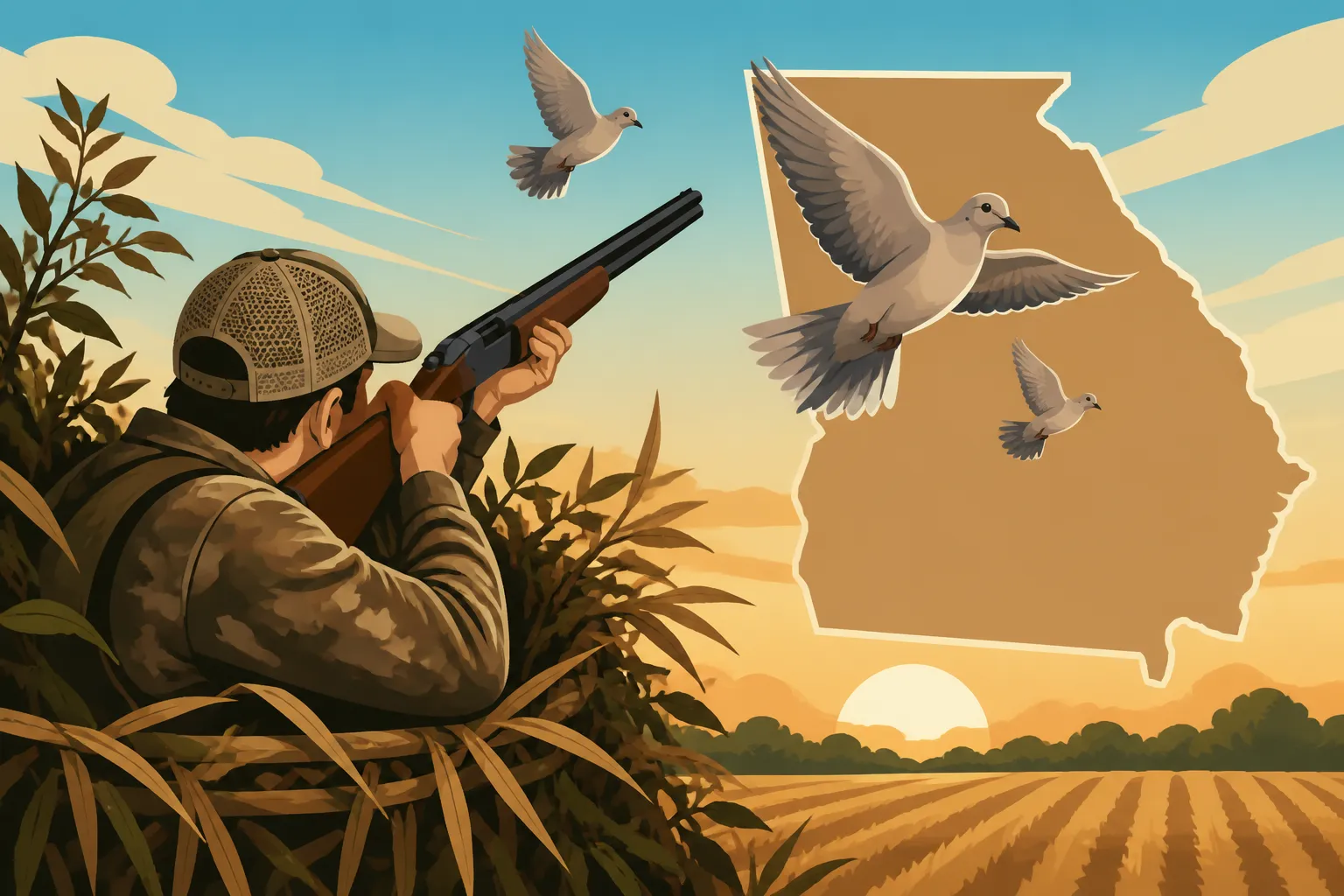
That first Saturday of September, when the Georgia sun is still blazing and the air hangs thick with humidity, brings a unique kind of excitement and, let’s be honest, often a bit of chaos to dove fields across the state. It’s easy to get caught up in the frenzy, chasing birds that seem to be everywhere and nowhere all at once, or feeling like you’re just one more person in a sea of hunters. This guide is dedicated to helping you move beyond merely being in a dove field on opening day and instead, truly working it—understanding the birds, the field, and your fellow hunters to ensure a safer, more productive, and ultimately, more enjoyable start to the season.
Understanding Dove Behavior on Opening Day
Mourning doves are creatures of habit, but opening day pressure can throw a wrench into their usual routines. Knowing how they tend to react to the initial onslaught of hunters, calls, and shotgun blasts is crucial for anticipating their movements and positioning yourself for success.
Morning Flights Versus Afternoon Movement
The crack of dawn on opening day can be a truly magical experience, with doves zipping across the sky as the light breaks. Many hunters swear by the morning hunt, and for good reason—doves often leave their roosts early, heading straight for feeding fields or watering holes. However, this initial flurry can be deceiving. The sheer volume of shots, the human presence, and the novelty of the hunting season often push doves into evasive patterns surprisingly quickly. What started as predictable flight lines can dissolve into erratic, high-flying movements as birds try to escape the pressure. This can make for challenging shooting, with many birds taken at the extreme edges of shotgun range or beyond.
As the sun climbs higher and the temperature often soars, doves tend to retreat to shady perching areas, often in tall trees or dense cover adjacent to feeding fields. This creates a lull in activity that can last through the midday heat. Many hunters pack up during this time, seeking shade and refreshments. But don't underestimate the afternoon! As the temperature begins to drop slightly in the late afternoon and evening, doves become active again. Often, these afternoon flights are more concentrated and predictable as birds make their final feeding runs before heading back to roosts. The key difference is that the initial shock of opening day has worn off for some birds, and they might be more committed to their patterns, albeit still cautious. This later push, especially during the last hour or two of legal shooting light, can offer some of the most consistent action of the day if you've positioned yourself correctly.
Feeding Patterns and Preferred Food Sources
Doves are primarily seed-eaters, and their diet heavily influences where you’ll find them. On opening day in Georgia, understanding what seeds are ripe and available is paramount. Agricultural fields planted with specific crops for doves, like sunflowers, millet, corn, or wheat, are always prime locations. These fields are often managed specifically for attracting doves, making them incredibly popular destinations. Doves will concentrate on these areas, flying in to feed, digesting, and then returning later. They particularly love areas where seeds are readily accessible on bare ground.
Beyond purpose-planted fields, doves will also seek out natural food sources. Areas with wild ragweed, croton, pokeberry, and various grasses can be just as productive, especially if they are recently mowed or disked, exposing the seeds. Look for edges where different vegetation types meet, or along old logging roads and power lines that offer clear flight paths and food access. Water sources are another critical draw. Doves need to drink regularly, especially in the heat of a Georgia September. Ponds, creeks, or even muddy puddles near a feeding field can become absolute magnets for birds, providing excellent Pass-Shooting Doves Over a Water Hole opportunities. Observing where doves are going after they leave a feeding field can often lead you to their preferred water source or loafing cover, giving you more options for your setup.
Scouting and Field Selection for Success
You can’t just show up on opening day and expect birds to be everywhere. The most successful dove hunters put in the legwork beforehand, scouting fields, understanding bird movement, and having a plan. This pre-season effort is often the single biggest differentiator between a full strap and a frustrating day.
Identifying Key Flight Paths and Entry Points
Before opening day, spend time driving or walking around the fields you plan to hunt. Don’t just look at the field itself; observe the surrounding landscape. Where are the tall trees that doves might use as staging areas before dropping into a field? Are there power lines or tree lines that birds use as natural highways to travel from roosts to food, or from food to water? These are your flight paths. Doves prefer to fly predictable routes, especially when moving between distinct areas. Think of it like a highway system for birds. If you can intercept these highways, you're in business.
Pay attention to gaps in tree lines, low saddles in hills, or breaks in dense cover that doves might funnel through. These become natural entry and exit points for the birds and are fantastic places to set up. Consider the sun's position throughout the day; you don't want to be staring directly into it as birds approach. If you're hunting a public access area, a platform like GoHunt can be invaluable here. Its mapping tools allow you to study topography, identify cover, and mark potential flight corridors from your couch, saving you precious time and legwork. Knowing these paths helps you choose a setup that intercepts the most birds and gives you a clear shot, rather than just blindly hoping they fly over your head.
Reading the Landscape for Hot Spots
Beyond main flight paths, specific areas within a field will often be "hot spots." These are the places where doves are actually hitting the ground to feed, or where they pause before committing to the main feeding area. Look for evidence of dove activity: spent seeds on the ground, concentrations of dove feathers, or even "dove washes"—small, dusty depressions where birds have taken dust baths. If the field is planted, note the condition of the crop. Is it mature? Has it been cut or disked? Freshly cut fields, especially those with wheat, corn, or millet stubble, are often dove magnets because the seeds are newly exposed and easy to access.
Don't overlook the edges of the field. Doves often land on bare ground or a short patch of grass at the edge before venturing further into the crop. Tree lines bordering fields, especially those with some dead snags or prominent branches, make excellent perching spots where doves will land to survey the scene before dropping down. Similarly, a small patch of gravel or a muddy seep can draw birds looking for grit to aid digestion or a quick drink. Identifying these micro-hotspots allows you to place decoys strategically and position yourself for optimal shooting, often with less competition from other hunters who might only be looking at the vast open field. Remember, even on opening day, doves are looking for the path of least resistance to food and water.
Strategic Setups for Maximizing Opportunities
Once you've scouted and identified potential hot spots and flight paths, the next step is to choose and prepare your setup. This isn't just about picking a spot; it's about making that spot as attractive and effective as possible.
Decoy Placement and Concealment Tactics
Decoys are not just for ducks and geese; they can be incredibly effective for doves, especially on opening day. A good spread of dove decoys, particularly motion decoys like spinning wing models, can draw birds in from a distance and convince them to commit to your area. When setting up, think about visibility. Place decoys in clear view of incoming birds, often on low branches of trees along the field edge, or on poles stuck into the ground, mimicking birds actively feeding or resting. A common mistake is clumping decoys together; spread them out naturally to imitate a small flock.
However, decoys are only half the battle. Your concealment is equally, if not more, important. Doves have excellent eyesight, and they've seen enough human activity to be wary. Whether you're using a ground blind, sitting under a natural brush pile, or simply blending into a fencerow, breaking up your outline is critical. Wear camouflage that matches the surroundings. If you're hunting an open field, consider using a layout blind or digging a shallow scrape to hide in. In a tree line, ensure you're tucked into the shadows and have plenty of natural vegetation to break up your shape. Even small movements can flare birds, so aim for a setup where you can remain still and swing your shotgun smoothly without giving away your position. Before you even set up, consider what your overall plan is—are you planning to stay in one spot, or are you preparing to move and try Run-and-Gun Turkey Tactics on Public Land if the birds change their patterns?
Optimizing Your Shooting Lane and Safety Zone
Your setup isn't just about where the birds are; it's about where you can safely and effectively shoot them. Before sitting down, mentally map out your shooting lanes. Are there any trees or obstacles that will block your swing? Can you comfortably cover a 180-degree arc in front of you without hitting anything or endangering anyone? This is especially important on opening day when fields can be bustling. You need clear lines of fire where you can mount your shotgun, swing, and follow through without hesitation.
Equally important is establishing your safety zone. This means being aware of where other hunters are (even if you can't see them) and ensuring that your shots will always be directed away from them and any occupied structures or public roads. Georgia regulations have clear rules about shooting distances from roads and dwellings. If you're hunting with a group, communicate clearly about your positions and establish agreed-upon shooting boundaries. A good rule of thumb is to allow at least 50-75 yards between hunters for safety and to give everyone a reasonable chance at birds. Understanding and respecting these zones prevents accidents and ensures everyone has an enjoyable hunt. Remember that you also have to comply with laws related to firearms discharge setbacks.
Managing the Pace of the Hunt and Group Dynamics
Opening day dove hunts, especially on private land with a group, can easily devolve into a "sky-busting" contest where everyone shoots at birds far out of range, wasting shells and flaring birds for everyone else. It's crucial to manage the pace and dynamics of your hunt, whether you're alone or with friends. Encourage patience. Let birds come in close, ideally within 25-35 yards, before taking a shot. This increases your chances of a clean kill and reduces the number of wounded birds that fly off.
If hunting with a group, clear communication is key. Designate a "bird boss" or agree on a system for calling shots—e.g., "my bird right," "your bird left." This prevents multiple hunters from shooting at the same bird and helps everyone focus on their sector. Consider rotating positions throughout the day, as some spots will inevitably be hotter than others. Take breaks during slow periods to hydrate, snack, and chat. This social aspect is a huge part of dove hunting, and a well-managed group hunt is far more enjoyable and productive than a chaotic free-for-all. Brands like GoHunt often have features that allow groups to share locations, helping everyone stay coordinated and safely spaced. This might even be a great time to learn about Georgia Deer Camp Traditions if you're a newcomer to group hunting!
Essential Gear and Comfort Considerations
Dove season in Georgia almost always means heat and humidity. Being prepared with the right gear isn't just about successful shooting; it's about staying comfortable, safe, and able to endure the long hours in the field.
Shotgun, Ammunition, and Choke Selection
When it comes to shotguns, the 12-gauge is by far the most popular for dove hunting, offering a good balance of power and pellet count. However, 20-gauge shotguns are also highly effective, particularly for younger hunters or those who prefer less recoil, and they’re often lighter to carry through the field. Both pump-action and semi-automatic shotguns are excellent choices, with semi-autos offering slightly less recoil and faster follow-up shots. Over-and-under or side-by-side models provide two quick shots with different choke options. Regardless of gauge, ensure your shotgun fits you well and you've practiced swinging on moving targets. Check out specific recommendations in our guide on Shotguns for Georgia Quail and Dove.
Ammunition choice is critical. For doves, standard lead shot in sizes 7.5 or 8 is generally preferred. These smaller pellets offer a dense pattern that is excellent for these fast-moving, relatively small birds. On opening day, you might go through several boxes, so come prepared! As for chokes, a modified choke is a fantastic all-around choice for dove hunting, providing a good balance of spread and density for birds at varying ranges. If you anticipate closer shots, an improved cylinder can be beneficial. For those higher, farther-out birds often seen on opening day, a light full or even full choke might be warranted, but remember that tighter chokes require more precise aiming. You can learn more about finding the right pattern for your setup in Choke Choice for Fast Covey Flushes.
| Choke Constriction | Typical Range (Yards) | Ideal for Doves | Notes |
|---|---|---|---|
| Cylinder | 10-20 | Close | Wide pattern, very forgiving up close. |
| Improved Cylinder | 20-30 | Good | Slightly tighter, good for incoming birds. |
| Modified | 25-40 | Excellent | Great all-around, balanced pattern. |
| Full | 35-50+ | Challenging | Tight pattern, best for distant shots. |
Staying Comfortable and Hydrated in the Georgia Heat
Georgia dove season typically kicks off when temperatures are still in the 80s or even 90s, with high humidity. Dehydration and heat exhaustion are real threats. Water is your most important piece of gear. Bring plenty of it, and actively drink throughout the day, even if you don't feel thirsty. Electrolyte drinks can also be beneficial. A cooler with ice and cold towels can be a godsend during midday lulls.
Clothing should be lightweight, breathable, and moisture-wicking. Long sleeves and pants, even in the heat, offer protection from the sun, insects, and scratchy vegetation. Look for light-colored or muted camouflage patterns that won't absorb too much heat. A wide-brimmed hat and sunglasses are essential for sun protection and glare reduction. Bug spray, especially with DEET, is non-negotiable for keeping mosquitoes, gnats, and ticks at bay; consider options that hold up well in humidity, as discussed in Bug Protection for Early Archery Season. A comfortable dove stool or chair is also a must-have, allowing you to rest between flights and stay alert. Finally, don't forget a good game vest or bag to carry your birds, shells, and any other small essentials. You might even consider specialized Warm-Weather Clothing for Georgia Hunters that helps you manage the heat.
Navigating the Opening Day Crowds and Etiquette
Opening day of dove season is a highly anticipated social event for many, and it often means shared fields, whether public or private. Being prepared for crowds and practicing good etiquette ensures a positive experience for everyone.
Spacing Out Hunters for Safety and Fair Opportunity
One of the biggest frustrations on opening day, especially on public land or popular private fields, is overcrowding. It’s tempting to pile into the "hot spot" you scouted, but if everyone does that, safety becomes an issue and shooting opportunities actually decrease. The rule of thumb, as mentioned before, is to maintain at least 50-75 yards between hunters. This isn't just about safety, though that's paramount; it also allows birds to work more naturally. When hunters are too close, birds get shot at from all angles and distances, leading to excessive sky-busting and birds flaring high and wide, making it tough for anyone to get a clean shot.
If you arrive at a field and it’s already packed, consider moving to a different spot, or even a different field, if you have alternatives. If you're staying, politely introduce yourself to nearby hunters and establish clear boundaries. It’s far better to have an honest conversation about spacing than to deal with frustration or, worse, an unsafe situation later. Remember, everyone is out there to enjoy the day, and a little courtesy goes a long way. Some hunters find value in applications like GoHunt to identify less-pressured areas or alternative public lands, especially if their primary spot is overwhelmed. For more on managing crowded situations, even if it's about a different game, consider insights from Opening Weekend Crowds on Georgia Public Land.
Retrieving Birds and Respecting Fellow Hunters
There's nothing quite like the sight of a dove tumbling from the sky, but the job isn't done until that bird is in your hand. Always mark where your bird falls and retrieve it as quickly as possible. This is not only good ethical practice to prevent lost game but also a courtesy to other hunters. Leaving dead birds unretrieved can attract predators and signal to live birds that the area is dangerous, reducing overall field activity. If you're hunting with a dog, ensure it's well-trained and under control. A dog running wild through the field can ruin the hunt for everyone, flushing birds prematurely and potentially interfering with other hunters' shots.
When retrieving a bird that falls near another hunter, or into their shooting zone, always ask for permission to cross their space. A simple "Mind if I grab my bird?" goes a long way. And if another hunter shoots a bird that falls near you, offer to retrieve it for them. Sharing a field successfully means being a good neighbor. Also, be mindful of your shooting volume. While doves offer plenty of shooting, constantly blasting away at birds out of range or peppering others' areas can be disruptive. Pick your shots, make them count, and respect the collective enjoyment of the day.
Post-Hunt Logistics and Bird Care
The hunt doesn't end when the shooting stops. Proper care for your harvest ensures that your efforts aren't wasted and that you have delicious table fare to enjoy.
Efficient Field Dressing and Storage
Doves are small birds, and in the heat of a Georgia September, they can spoil quickly. Field dressing them as soon as possible after retrieval is crucial. The most common method involves simply breasting out the bird. This means removing the breast meat, leaving the rest of the carcass behind. To do this, lay the bird on its back, grasp the feet and head, and gently pull. This will often separate the breastplate, allowing you to simply peel the breast meat from the bone. Some hunters prefer to pluck and gut the whole bird, which gives you more meat, but is more time-consuming in the field.
Once breasted, place the meat in a cooler with ice immediately. You want to cool that meat down as quickly as possible to prevent bacterial growth. A zip-top bag filled with ice is better than just tossing them into a cooler of water, which can make the meat waterlogged. This immediate cooling is a game-changer for taste and preservation. When you get home, you can clean them further, rinse them thoroughly, pat them dry, and then either refrigerate them for immediate use (within a day or two) or freeze them for longer storage.
Understanding Georgia Dove Season Bag Limit and Reporting
Before you even step into the field, you should be intimately familiar with Georgia's migratory bird regulations, especially the Georgia Dove Season Opening Weekend dates and the daily and possession bag limits. As a migratory bird, doves fall under both state and federal regulations. The daily bag limit for mourning doves in Georgia is currently 15 birds, with a possession limit of 45 birds. This means you can't have more than 45 doves in your possession at any given time, regardless of when or where they were harvested. These limits are strictly enforced, and ignorance of the law is no excuse.
Unlike deer or turkey, doves do not require individual harvest reporting through the Georgia Game Check system. However, all migratory bird hunters are required to obtain a Migratory Bird Harvest Information Program (HIP) permit in addition to their regular hunting license. This helps wildlife agencies gather data on migratory bird harvests, which is essential for population management. Always double-check the current Georgia Department of Natural Resources (DNR) regulations each year, as rules can change. Staying informed ensures you're hunting legally and responsibly. And while opening day is the big event, don't forget about the later opportunities, like Hunting the Second Dove Split in October, which can offer different hunting experiences and often fewer crowds.
Disclaimer
All information provided in this guide is for educational and informational purposes only and is not intended as legal advice. Hunting regulations, seasons, and licensing requirements in Georgia are subject to change. It is the individual hunter's responsibility to review and comply with all current laws and regulations set forth by the Georgia Department of Natural Resources (DNR) and federal authorities before engaging in any hunting activities. Always prioritize safety, ethical hunting practices, and respect for wildlife and fellow outdoors enthusiasts.