Lightweight Layering for Warm-Weather Sits
There’s nothing quite like the excitement of a morning hunt in Georgia, but that enthusiasm can quickly melt away when the sun climbs high and the humidity sets in. Many of us have felt that sticky, oppressive heat turn a promising sit into a miserable endurance test, especially during early archery or the muzzleloader season when temperatures can still be surprisingly high. This guide is all about mastering the art of lightweight layering, ensuring you stay comfortable, dry, and focused on the hunt, even when Georgia’s weather tries its best to make you sweat.
Understanding Georgia's Unique Warm Weather Challenges
Hunting in Georgia often means contending with conditions that other parts of the country might only see in mid-summer. It's not just about heat; it's about a specific combination of factors that can make or break your comfort in the woods. Ignoring these challenges can lead to discomfort, premature exits from the stand, and ultimately, less successful hunts.
The Humidity Factor
Georgia's humidity is legendary, and not in a good way for hunters. Unlike dry heat, high humidity prevents sweat from evaporating efficiently from your skin. This means your body's natural cooling system struggles to do its job, leaving you feeling sticky, clammy, and much hotter than the actual temperature reading might suggest. This isn't just uncomfortable; it can lead to dangerous overheating if you're not careful, especially when hiking to your stand or recovering game. The air itself feels thick, making exertion feel twice as hard.
Imagine sitting in a stand, drenched in sweat from the walk in, and then having that moisture linger on your skin, attracting gnats and making every piece of clothing feel heavy and restrictive. That’s the Georgia humidity effect, and it’s why material choice and ventilation are absolutely paramount. A simple cotton t-shirt, for example, will soak up moisture and hold it against you, becoming a wet, cold rag if a cool breeze passes, or just remaining a heat trap if it doesn't.
Sudden Temperature Swings
While we often think of warm weather as consistently hot, Georgia can surprise you with significant temperature fluctuations within a single day. A chilly, damp pre-dawn can quickly turn into a sweltering afternoon, only to drop again rapidly as dusk approaches. This rollercoaster of temperatures is particularly common during the shoulder seasons like early fall. You might start your morning needing a light jacket, shed it by 9 AM, and then wish you had it back on as the shadows lengthen.
These rapid changes present a classic layering dilemma: what do you wear or carry to accommodate such shifts without packing a small duffel bag? Overdressing for the cool morning means you'll overheat during the day, leading to excessive sweating that compromises your scent control and comfort. Underdressing means you'll shiver during those prime low-light hours. The key is finding versatile pieces that add or subtract minimal bulk and are easy to manage in the field.
Insect Pressure and Sun Exposure
Another unavoidable aspect of warm-weather hunting in Georgia is the relentless assault of insects and the pervasive power of the sun. Mosquitoes, ticks, chiggers, and gnats are not just annoying; they can be a serious distraction, ruining an otherwise perfect setup. Covering up is essential for protection, but traditional heavy clothing only exacerbates the heat problem.
Similarly, sun exposure is a real concern, especially when sitting for long periods in open areas like power lines or field edges. Prolonged exposure can lead to sunburn, dehydration, and long-term skin damage. Balancing the need for physical protection from both biting bugs and harmful UV rays with the desire to stay cool and comfortable is a crucial challenge. This is where specialized fabrics and clothing designs truly shine, offering defense without trapping heat. For more on this, check out Bug Protection for Early Archery Season.
The Core Principles of Effective Layering for Warm Climates
Effective layering isn't just about putting clothes on; it's a strategic approach to managing your body's microclimate in varying conditions. For Georgia's warm, humid environment, these principles become even more critical than in colder climates where heat retention is the primary goal.
Moisture Wicking is King
When it comes to warm-weather hunting, the ability of your clothing to wick moisture away from your skin is the absolute most important feature. Your body sweats to cool itself down, and if that sweat has nowhere to go, it sits on your skin, making you feel sticky, damp, and uncomfortable. Worse, it becomes an excellent medium for odor-causing bacteria. Wicking fabrics are designed with special fibers that pull moisture from the surface of your skin to the outer layer of the fabric, where it can evaporate more easily.
This process significantly enhances your body's natural cooling mechanism. Imagine the difference between exercising in a cotton t-shirt that's heavy with sweat versus a synthetic performance shirt that feels dry to the touch even when you're exerting yourself. That's the power of wicking. When you start your hike into a stand, you'll sweat, but a good wicking base layer will manage that moisture, preventing it from saturating your clothes and leaving you cold and clammy once you stop moving.
Ventilation and Airflow
Beyond wicking, allowing air to circulate close to your body is essential for staying cool. Ventilation is about designing clothing that lets heat escape and fresh air enter, helping to dissipate warmth and aid in sweat evaporation. This can come in many forms, from strategically placed mesh panels to loose-fitting designs that don't cling to your skin.
Think about the difference between a snug, heavy denim shirt and a lightweight, breathable button-up made for hiking. The latter often features vents across the back, underarms, or even convertible sleeves that roll up and secure. In hunting apparel, this translates to specific cuts, zippered vents, or lightweight fabrics that don't create a barrier against airflow. When temperatures start climbing mid-morning, being able to unzip a chest vent or loosen a pant leg can make a huge difference in comfort, preventing that suffocating feeling that often accompanies thick, non-breathable gear.
Odor Control Matters
In warm, humid conditions, body odor can become a significant concern for hunters. The same sweat that cools you down also carries bacteria, and in a damp, warm environment, these bacteria multiply rapidly, producing strong odors that can easily alert game animals. Even if you're comfortable, if you're not controlling your scent, your hunt could be over before it truly begins.
Many modern hunting garments incorporate technologies specifically designed for odor control. This can include fabrics treated with antimicrobial agents that inhibit bacterial growth, or materials like merino wool, which naturally resist odor better than synthetics. Wearing an odor-controlling base layer means that even if you're sweating, the lingering scent on your clothing will be minimized. This isn't a magic bullet, but it's a crucial component of an overall scent strategy, especially in close-quarters bowhunting or when deer are particularly wary.
Choosing Your Base Layers: The Foundation of Comfort
Your base layer is arguably the most critical component of your warm-weather layering system in Georgia. It's the layer closest to your skin, directly responsible for managing moisture and regulating your core temperature. Get this wrong, and the rest of your system won't matter much.
Synthetic vs. Merino Wool for Warm Weather
When selecting a warm-weather base layer, you'll primarily be looking at two categories: synthetics (polyester, nylon blends) and merino wool. Both have their merits, but they perform differently in Georgia's unique environment.
- Synthetics: These fabrics excel at wicking moisture away from the skin and drying incredibly fast. They are often more durable and generally less expensive than merino. Many synthetic base layers come with integrated odor-control technologies, which is a huge plus in humid conditions. They feel slick and cool against the skin, and when a breeze hits, that rapid evaporation provides an immediate cooling sensation. If you're planning an active hunt with a lot of walking, like still-Hunting Piedmont Farmland Deer or hiking long distances on public land, synthetics might be your top choice for their rapid drying and moisture management.
- Merino Wool: While often associated with warmth, lightweight merino wool is an exceptional choice for warm weather too. It's incredibly breathable, naturally wicks moisture, and has superior odor-fighting properties—it can be worn for days without developing a strong smell, which is a massive advantage on multi-day trips or in high-sweat situations. Merino can feel a bit warmer initially than synthetics, but its ability to regulate temperature means it insulates when cool and breathes when hot. The downside is that it's generally more expensive and takes longer to dry than synthetics, though not as long as cotton. It's also more prone to snagging or tearing.
For Georgia, a good strategy might be a blend of the two, or choosing based on activity level. For high exertion, fast-drying synthetics are hard to beat. For longer, more static sits where odor control and comfort are paramount, lightweight merino shines. Lightweight Base Layers for October Sits explores these options further.
Fit and Coverage for Maximum Effect
The fit of your base layer is just as important as the material. For warm weather, you want a fit that is snug enough to make good contact with your skin for effective wicking but not so tight that it restricts movement or airflow. A loose, baggy fit will leave gaps where moisture can accumulate and won't wick as efficiently.
Coverage also plays a role. While it might seem counterintuitive to wear long sleeves and pants in warm weather, full coverage offers several benefits. It protects your skin from sun exposure, reducing the risk of sunburn and overheating. It also provides a physical barrier against biting insects, minimizing the amount of skin you need to cover with repellent. Look for shirts with thumb loops to keep sleeves extended and pants with an athletic cut that allows for full range of motion without excessive fabric. Many modern designs for Breathable Camo for Warm-Weather Hunts feature exactly this type of thoughtful fit and coverage.
Considering UPF and Insect Repellent Properties
Modern base layers often come with additional integrated features that are highly beneficial for warm-weather Georgia hunting. Ultraviolet Protection Factor (UPF) ratings indicate how much UV radiation a fabric blocks. A shirt with a UPF of 30 will allow only 1/30th of the sun's UV rays to reach your skin. This is a game-changer for reducing sun exposure without having to apply greasy sunscreen to every inch of exposed skin, which can also affect scent control.
Furthermore, some base layers are treated with permethrin or other insect repellents, creating an invisible barrier against mosquitoes, ticks, and other biting pests. While not a substitute for topical repellent on exposed skin, treated clothing significantly reduces the number of bites and the overall annoyance level, allowing you to focus on the hunt. This dual protection of UPF and insect repellent in your base layer truly allows you to cover up and stay cool while being protected from two major warm-weather adversaries.
Mid-Layers and Outer Layers: Adapting to Slight Changes
While base layers are the foundation, mid and outer layers provide the flexibility to adapt to Georgia's dynamic weather patterns. The goal here is versatility, minimal bulk, and rapid adjustability.
When a Mid-Layer is Necessary
In genuinely warm conditions, a traditional heavy mid-layer like a fleece jacket might be overkill. However, Georgia's early mornings, especially in the mountains or along damp river bottoms, can still drop into the 50s or even upper 40s before sunrise. A very lightweight, breathable mid-layer can be invaluable for these hours.
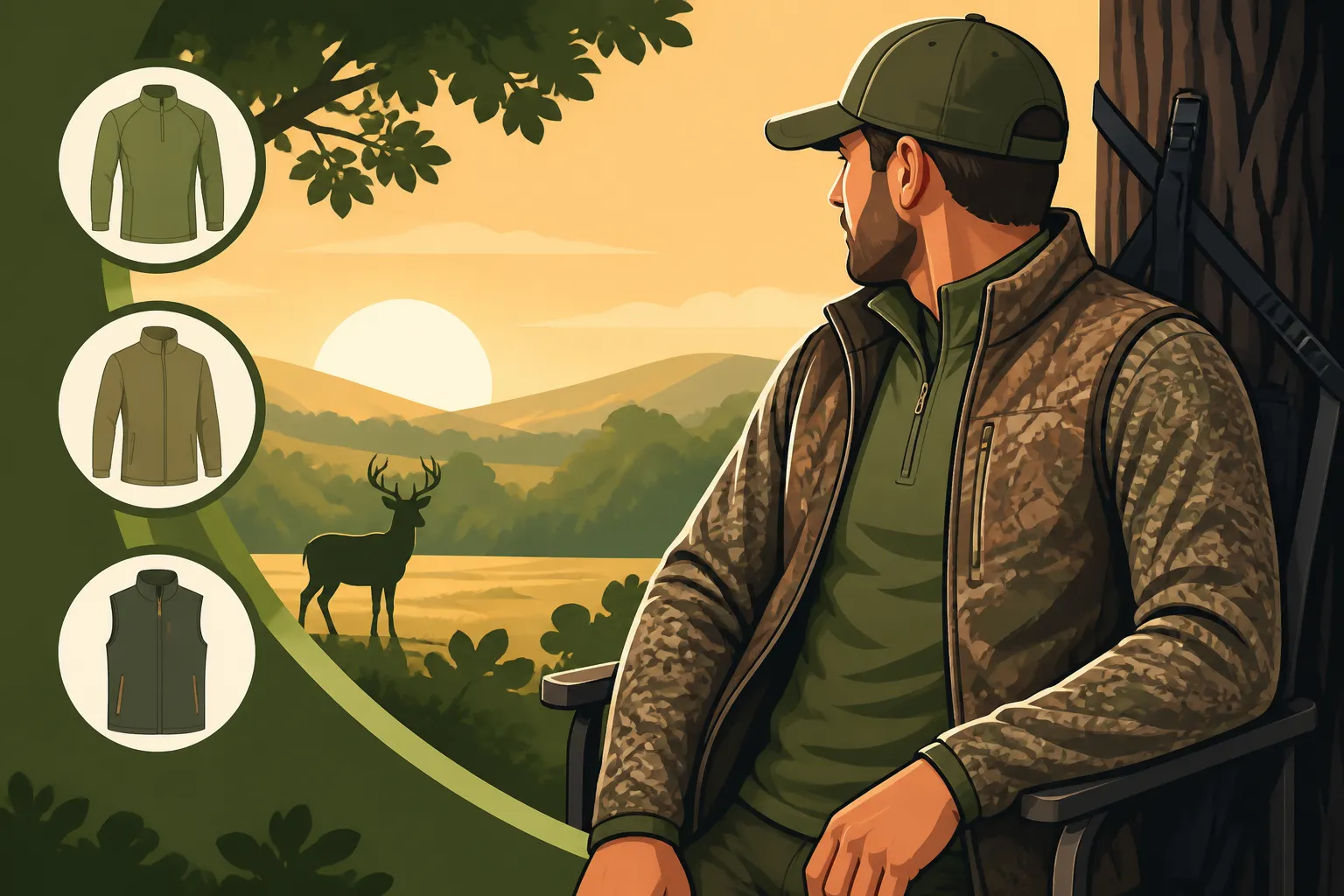
Think of a thin grid-fleece, a lightweight synthetic quarter-zip, or even a long-sleeve base layer worn over your primary one. The key is insulation without bulk, and a fabric that still manages moisture effectively. These pieces should be easy to layer over your base, provide just enough warmth to take the chill off, and be incredibly packable. As the sun rises and temperatures climb, you can quickly shed this layer, stowing it away in a compact fashion in your pack. This ensures you're never caught shivering during those prime early morning minutes but aren't stuck sweating buckets by 8 AM.
Lightweight Outer Shells for Wind or Light Rain
An outer layer in warm weather isn't about heavy insulation; it's about protection from wind, light rain, or heavy dew, all while remaining breathable. A sudden gust of wind can quickly chill a sweat-dampened base layer, and an unexpected shower can make for a miserable sit.
A lightweight, packable rain jacket or windbreaker made from a quiet, breathable material is essential. Look for jackets that offer good water resistance (DWR finish) and wind-blocking capabilities, but also feature pit zips and other vents to prevent you from getting clammy inside. These aren't meant for downpours, but for those quick, pop-up showers or gusty fronts that can roll through. The best ones compress down to almost nothing, fitting easily into a small pouch in your daypack. This allows you to have insurance against unexpected weather without carrying unnecessary weight.
Packability and Minimalist Approaches
The mantra for warm-weather layering beyond the base layer is "less is more," coupled with extreme packability. Every item you bring should serve a specific purpose and be able to compress down to a minimal size. The last thing you want is a bulky pack filled with clothes you might need, adding unnecessary weight and making for a noisy, cumbersome walk to your stand. Packs for a Day on Public Land should be chosen with this in mind.
Consider convertible garments, like pants that zip off into shorts (though less common for hunting) or shirts with roll-up sleeves. Focus on items that can layer well together without feeling restrictive. When planning your hunt, consider the forecasted high and low temperatures, and only bring what you absolutely need. If the forecast calls for a high of 85 and a low of 65, you probably won't need a heavy fleece. Instead, a lightweight long-sleeve over your base for the cool morning and then shedding it is the minimalist approach. Even your map-checking process, perhaps using a GoHunt app to check terrain and plan minimal gear, can factor into this lightweight mindset.
Accessorizing for Warm Weather: Head, Hands, and Feet
Often overlooked, the right accessories can significantly impact your comfort and overall success in warm-weather conditions. Don't underestimate the power of thoughtful choices for your head, hands, and feet.
Headwear for Sun Protection and Sweat Management
Your head is a major point of heat loss—and heat gain. In warm Georgia weather, choosing the right headwear can make a huge difference in keeping you cool and protected.
- Caps and Visors: A lightweight, breathable cap or visor is essential for keeping the sun out of your eyes and off your face. Look for moisture-wicking materials and vented designs. A cap also keeps sweat from dripping into your eyes, which can be a major distraction during a critical moment.
- Wide-Brimmed Hats: For longer, more static sits, especially in open areas, a wide-brimmed hat offers superior sun protection for your face, ears, and neck. Again, breathability and wicking properties are key. Some hats even have integrated neck gaiters or mesh panels for maximum airflow.
- Gaiters/Buffs: A lightweight neck gaiter or "buff" can be incredibly versatile. Worn around your neck, it provides sun protection and can be pulled up over your face for added camouflage or insect protection. Dampened with water, it can offer significant evaporative cooling around your neck, which is a major blood flow point.
All these options should prioritize lightweight, breathable fabrics that dry quickly and offer UPF protection.
Gloves for Stealth and Protection
Even in warm weather, gloves can be an important piece of hunting gear. They're not for warmth, but for stealth, sun protection, and a barrier against minor abrasions or insects.
- Lightweight Camo Gloves: A thin pair of mesh or synthetic gloves provides camouflage for your hands, which are often moving. They help break up the outline of your hands and prevent reflections from bare skin. They also offer a slight barrier against mosquitoes and can protect your hands from briars or rough tree bark when climbing into a stand.
- Sun Protection: For exposed skin, thin gloves are another way to prevent sunburn on the backs of your hands, an area often forgotten.
- Enhanced Grip: Some gloves offer textured palms, improving your grip on your bow, rifle, or climbing sticks, especially if your hands are sweaty.
The key is a minimalist design that doesn't add any warmth, allowing your hands to breathe while still providing the functional benefits you need.
Socks and Footwear for All-Day Comfort
Your feet can generate a lot of heat and sweat, making proper sock and footwear choices critical for comfort and preventing blisters.
- Moisture-Wicking Socks: Just like your base layer, socks should be made from moisture-wicking synthetics or lightweight merino wool. Avoid cotton at all costs; it holds moisture and leads to blisters. Good socks will keep your feet dry, reducing friction and preventing hot spots. Consider carrying an extra pair of dry socks to change into halfway through the day if you expect to sweat a lot on the hike in.
- Breathable Footwear: Heavy, insulated boots are a recipe for disaster in warm Georgia weather. Opt for lightweight, breathable hunting boots or even sturdy trail shoes. Look for features like mesh panels, waterproof but breathable membranes (like Gore-Tex, if needed for dew/puddles), and good ventilation. The soles should offer ample traction for varied Georgia terrain, from damp pine straw to muddy creek banks. For areas with snakes, Snake Boots for Coastal Plain Walking can provide essential protection without necessarily adding excessive warmth if chosen carefully.
By focusing on moisture management and breathability from head to toe, you can significantly enhance your warm-weather hunting experience, allowing you to stay in the field longer and more comfortably.
Integrating Technology and Comfort: Mapping and Ventilation
Modern hunting doesn't just rely on traditional skills; technology and smart gear choices play a huge role in comfort and success, especially in challenging environments like Georgia's warm, humid woods.
Ventilation Features in Modern Hunting Apparel
The evolution of hunting apparel has brought significant improvements in ventilation, moving beyond just light fabrics. Today, manufacturers integrate specific features designed to dump heat and promote airflow.
- Zippered Vents: Look for shirts and jackets with zippered pit vents, chest vents, or even thigh vents on pants. These allow you to rapidly release heat and customize airflow as your activity level or the temperature changes. During an intense hike to your stand, opening these vents can prevent overheating. Once you settle in, you can close them to conserve a bit of warmth or block a breeze.
- Mesh Panels: Strategic placement of mesh panels, particularly in high-sweat areas like the back, underarms, or crotch, enhances breathability without compromising camouflage or durability. These panels act as escape routes for hot, moist air.
- Convertible Sleeves and Collars: Shirts with roll-up sleeves that can be secured with tabs are incredibly versatile, allowing you to quickly adapt from long-sleeve protection to short-sleeve ventilation. Similarly, collars that can be popped up for neck protection or laid flat for maximum airflow add to the garment's adaptability. These design elements reflect a deep understanding of what hunters face in the field.
These features are no longer just nice-to-haves; they are essential for managing comfort and preventing excessive sweating, which directly impacts your scent profile.
Staying Hydrated and Keeping Cool
Beyond your clothing, personal hydration and cooling strategies are paramount in Georgia's heat. Dehydration can quickly lead to fatigue, impaired judgment, and even heat stroke, especially when you're exerting yourself.
- Hydration Systems: Carry plenty of water. A hydration bladder in your pack is often more convenient than water bottles, allowing you to sip frequently without fumbling. For longer sits or warmer days, consider bringing electrolyte-rich drinks to replenish salts lost through sweat.
- Cooling Towels: A small, specialized cooling towel, often made from highly absorbent and evaporative material, can be a game-changer. Wet it, wring it out, and drape it around your neck or over your head for instant, prolonged cooling.
- Pre-Cooling: If possible, try to pre-cool your body before heading out. A cold shower before you leave, or even consuming cold water, can help lower your core temperature, giving you a head start against the heat.
- Shade and Rest: When scouting or moving, utilize natural shade whenever possible. Plan your entry and exit routes to take advantage of shaded creek bottoms or dense timber, avoiding direct sun during the hottest parts of the day. This is where tools like GoHunt, with its detailed satellite imagery, can help you identify shaded routes and optimal midday resting spots. For recovering game, especially after a successful hunt on a warm day, a plan for Coolers for a Warm September Kill is critical to preserve the meat.
Utilizing Apps for Weather and Location
Modern technology, particularly hunting apps, has become indispensable for informed decision-making, including managing warm-weather hunts. Apps like GoHunt offer a wealth of information that can directly influence your layering strategy and overall comfort.
- Detailed Weather Forecasts: Before you even leave the house, check localized, hourly forecasts. GoHunt and similar apps often provide micro-climate data, including humidity levels, wind speed, and temperature fluctuations for your specific hunting area. This allows you to pack exactly the right layers for the day, rather than guessing. Knowing that the temperature will spike at 1 PM helps you plan to shed layers before you overheat.
- Thermal and Wind Maps: Some advanced features on these apps can show predicted thermal currents and wind directions based on topography and time of day. This is critical for scent control in warm weather, as rising thermals can carry your scent uphill in the morning, while falling thermals push it downhill in the evening. Planning your stand placement and entry/exit routes to minimize scent dispersion, especially when sweaty, is vital.
- Terrain Analysis: Using satellite and topo maps within your GoHunt app, you can identify areas of dense canopy that offer consistent shade, or open areas to avoid during midday heat. Planning your approach through shaded timber rather than exposed clearcuts will keep you cooler on the walk in. For more on maximizing your digital tools, see GPS Units Versus Phone Apps or Scouting With the Georgia Outdoors App. These tools empower you to be proactive about your comfort, rather than reactive, making your time in Georgia's woods far more enjoyable and productive.
| Feature | Synthetic (Polyester/Nylon) | Merino Wool (Lightweight) | Cotton (Avoid for Layering) |
|---|---|---|---|
| Moisture Wicking | Excellent | Very Good | Poor |
| Drying Time | Fast | Moderate | Slow |
| Odor Control | Good (often treated) | Excellent (natural) | Poor |
| Breathability | Good | Excellent | Moderate |
| Weight | Lightweight | Lightweight | Moderate |
| Durability | Very Good | Good (can snag) | Moderate |
| Feel in Heat | Cool, slick | Soft, temperature regulating | Clammy, heavy |
| UV Protection | Varies (often UPF rated) | Good (natural) | Poor |
| Insect Repellent | Varies (often treated) | No (not natural) | No |
Disclaimer
This article is for general informational purposes only and does not constitute professional advice. Laws, prices and regulations vary by location and change over time. Consult a qualified professional for guidance on your specific situation.