Georgia Deer Harvest Reporting Rules
There’s nothing quite like the rush of finally tagging a Georgia whitetail, is there? You’ve put in the scouting, spent hours in the stand, and finally, all that hard work pays off. But after the initial excitement, the field dressing, and maybe a few photos, a crucial step often gets overlooked or causes a moment of panic: reporting your harvest. It can feel like a bureaucratic hurdle when all you want to do is celebrate, but understanding Georgia’s deer harvest reporting rules is not just about compliance; it's about being a responsible steward of our wildlife. This guide is here to walk you through every detail, ensuring you're confident and compliant with every deer you take.
Why Accurate Deer Harvest Reporting is Crucial for Georgia Hunters
When you fill out that harvest report, it might seem like a small detail in the grand scheme of your hunting season, but trust me, it's far more important than just checking a box. Every single report helps shape the future of deer hunting in our state.
How Reporting Supports Wildlife Management
Imagine trying to manage a business without knowing how many products you're selling or how much inventory you have. That's essentially what our Georgia Department of Natural Resources (DNR) would face if hunters didn't report their harvests. Each reported deer provides a vital piece of data. This information helps wildlife biologists estimate population sizes, understand deer density in different regions, and track trends over time.
For instance, if harvest numbers suddenly dip in a particular county, it might signal an issue like EHD (Epizootic Hemorrhagic Disease) or over-hunting pressure, prompting the DNR to investigate or adjust future regulations. Conversely, consistent high harvests might indicate a healthy, thriving population that can sustain more hunting pressure, potentially leading to more generous bag limits or season extensions in the future. It’s a dynamic system, and your harvest report is a direct contribution to that science. This data directly influences decisions like the overall statewide bag limit of twelve deer or how Georgia's Deer Season Runs Archery to January. Without this critical data, the DNR would be flying blind, making it impossible to effectively manage our deer herds for sustainability and hunter opportunity.
Avoiding Legal Headaches and Maintaining Ethical Standards
Beyond the scientific aspect, accurate reporting is a legal requirement. You've gone through the process of getting your Georgia Hunting Licenses and What They Cost, and that license comes with responsibilities. Failing to report your deer isn't just a minor oversight; it's a violation that can carry penalties. Nobody wants to end their successful hunt with a fine or, worse, a temporary suspension of hunting privileges. It’s an easy thing to avoid by simply knowing and following the rules.
Moreover, ethical hunting extends beyond fair chase and proper shot placement. It includes respecting the regulations designed to ensure the health of the game and the integrity of the sport. As hunters, we have a collective responsibility to uphold these standards. When we report our deer diligently, we demonstrate our commitment to conservation and ensure that hunting remains a respected and viable tradition for generations to come. It’s about more than just compliance; it’s about pride in our sport.
Navigating the Georgia Game Check System
Georgia has streamlined its deer harvest reporting significantly over the years, moving away from physical check stations to a more convenient digital system. This makes it easier than ever to comply, no matter where you are in the state.
Options for Reporting Your Harvest
The primary method for reporting your deer harvest in Georgia is through the Georgia Game Check system. This system is primarily digital, offering two main ways to submit your information:
- Online via the Go Outdoors Georgia Website: This is a robust web portal where you can manage all your licenses, permits, and, of course, report your harvests. It’s accessible from any computer or mobile device with internet access. Many hunters find this the most straightforward option, especially if they have good cell service or a Wi-Fi connection at home or camp. The website is fairly intuitive, guiding you step-by-step through the process.
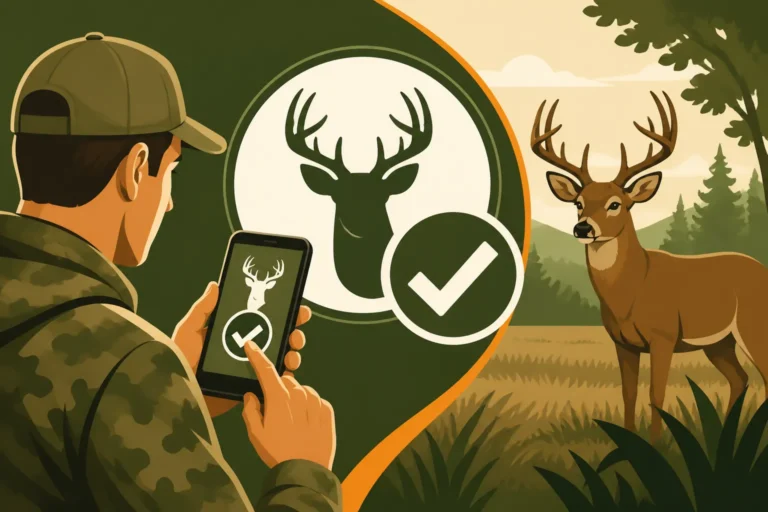
- Using the Go Outdoors Georgia Mobile App: For hunters in the field, especially those deeper into the woods where cell service might be spotty, the official mobile app is a lifesaver. You can often log your harvest even without immediate service, and the app will upload the data once you regain a connection. This convenience means you don't have to wait until you get back to a computer, minimizing the chance of forgetting or missing the deadline. While many of us use advanced mapping tools like GoHunt to scout and navigate, remember that the official reporting itself happens through the Go Outdoors Georgia channels. Think of it as your digital hunter’s logbook for legal compliance.
- Phone Reporting (Less Common Now): While still technically an option for some, the digital methods are strongly encouraged due to their efficiency and accuracy. The automated phone line is available, but you'll still need your hunter ID and all the harvest details ready to punch in. Most hunters gravitate towards the app or website for ease of use.
The move away from traditional physical check stations means that the onus is entirely on the hunter to self-report accurately and promptly. This system provides flexibility but also demands responsibility.
Information You'll Need Before You Report
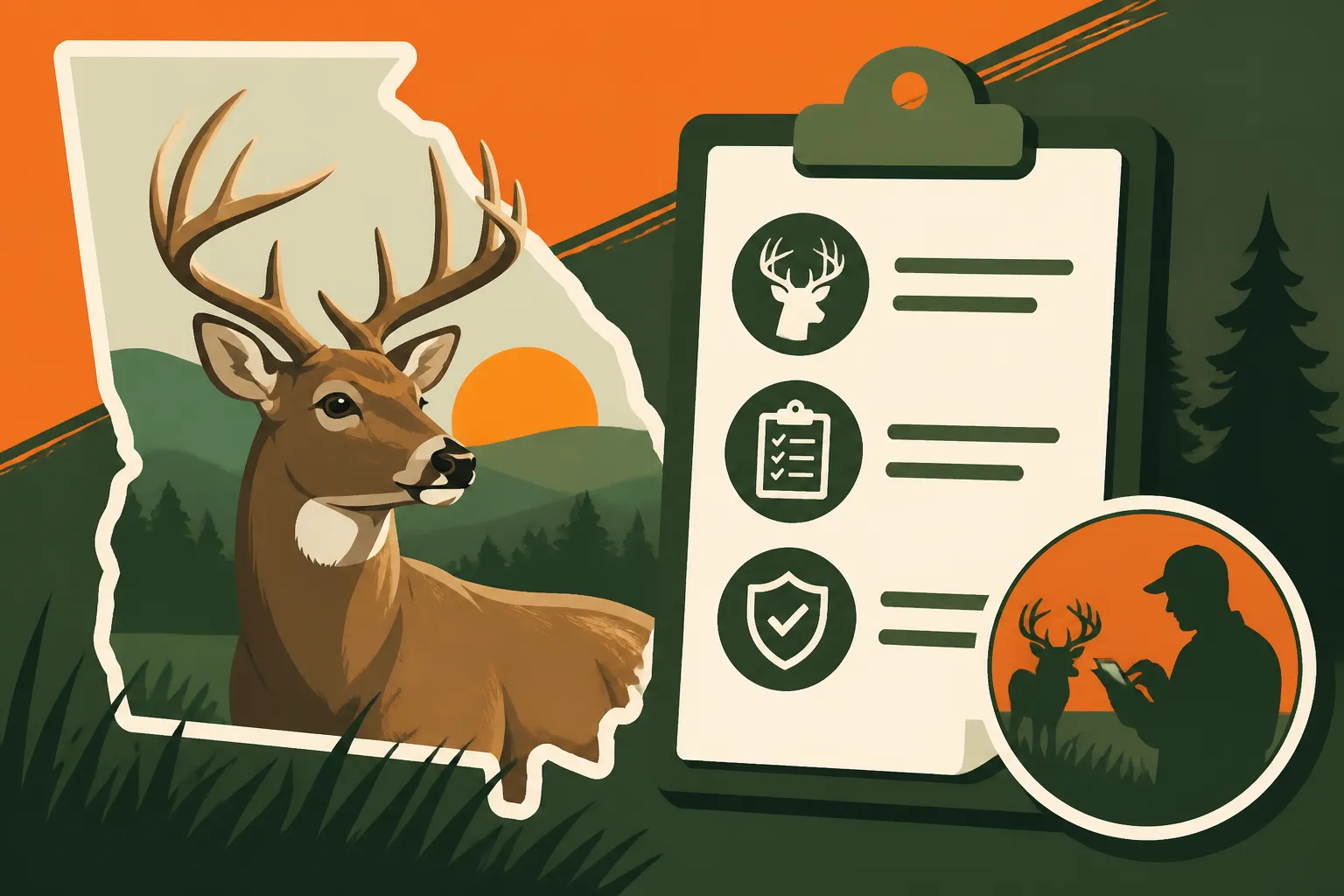
Before you start the reporting process, whether online or via the app, ensure you have all the necessary information at hand. This will make the process quick and painless. Here’s a checklist:
- Your Hunter ID Number: This is typically found on your hunting license. It's unique to you and links the harvest to your account.
- Date of Harvest: The exact day you harvested the deer.
- County of Harvest: The specific Georgia county where the deer was taken. This is crucial for data collection, especially concerning regional population trends and disease management, such as the areas within Georgia's Chronic Wasting Disease Management Area.
- Species: In this case, "White-tailed Deer."
- Sex of the Deer: Buck (antlered) or Doe (antlerless).
- Antler Points (for bucks): You’ll typically need to count the number of points that are at least one inch long. This helps track buck age structure and antler growth, which is another vital piece of management data.
- Weapon Used: Bow/Crossbow, Muzzleloader/Primitive Weapon, or Firearm. This helps the DNR understand harvest pressure across different weapon types and seasons, such as during the Primitive Weapons Hunting in Georgia season or Georgia's Long Firearms Deer Season.
- Public or Private Land: Indicate whether the harvest occurred on private property or Public Hunting Land in Georgia like a WMA or National Forest.
- Confirmation Number (After Reporting): Once you've successfully reported, you'll receive a confirmation number. It's critical to write this down or screenshot it. This number serves as your proof of compliance, much like a physical tag would in other states. You'll need this in case of any questions or inspection by a game warden.
Having these details ready ensures a smooth reporting experience, preventing frustration and errors.
A Step-by-Step Guide to Reporting Your Deer
The digital reporting system is designed to be user-friendly, but having a clear walkthrough can make all the difference, especially when you're tired and excited after a successful hunt.
Reporting Through the Go Outdoors Georgia Website
Let's assume you're back home, relaxed, and ready to complete the reporting process online.
- Access the Go Outdoors Georgia Portal: Open your web browser and go to the official Go Outdoors Georgia website.
- Log In to Your Account: You'll need your customer ID and password. If you've forgotten your login details, there are recovery options available, so don't fret. This is where you manage your entire hunting profile, from purchasing licenses to checking your harvest history.
- Navigate to the Harvest Reporting Section: Once logged in, look for a prominent link or tab labeled "Harvest Reporting" or "Report a Harvest." This is usually easy to find on your dashboard.
- Select "Report Deer Harvest": Choose the option specifically for deer.
- Enter Harvest Details: The system will prompt you for all the information we discussed earlier: date, county, species, sex, antler points (if applicable), weapon used, and land type (public/private). Take your time here to ensure accuracy. For example, selecting the correct county is paramount, especially if you hunt near county lines or close to areas like Which Counties Sit Inside Georgia's CMA.
- Review and Confirm: Before final submission, the system will display a summary of your entered data. Double-check everything. This is your last chance to catch any typos or incorrect selections.
- Submit and Record Confirmation Number: Once you're confident everything is correct, hit "Submit." The system will immediately generate a unique confirmation number. DO NOT skip this step. Write it down, take a screenshot, or print it. This number is your official record that the deer has been legally reported. You should always be able to provide this number if asked by a Georgia wildlife officer.
The entire process, if you have all your info handy, usually takes less than five minutes.
Using the Go Outdoors Georgia Mobile App
The mobile app is fantastic for its convenience, especially when you're still out in the field.
- Download the App: Make sure you have the latest version of the "Go Outdoors Georgia" app installed on your smartphone.
- Log In: Just like the website, you'll log in with your customer ID and password.
- Access Harvest Reporting: The app typically has a clear menu option for "Harvest Reporting."
- Enter Harvest Information: Input all the same details as you would on the website. The app interface is designed to be mobile-friendly. A great practice, especially if you're using a comprehensive hunting app like GoHunt to mark your stand locations and track game movement, is to then open the Go Outdoors Georgia app specifically for the official harvest reporting.
- Offline Capability: One of the key advantages of the app is its ability to sometimes record data even without an immediate cellular signal. It will then upload the information to the system once your phone reconnects to the internet. However, always verify that the upload was successful and that you received a confirmation number once you're back in service.
- Receive and Store Confirmation: The app will display your confirmation number right on the screen. Again, screenshot this! It's proof that you’ve done your part. You can also view your past harvest reports directly within the app, providing a handy digital record.
Many hunters will use their phones for navigation and scouting, perhaps relying on a robust mapping app, but for the actual legal reporting, the official Go Outdoors Georgia app is the designated tool. Make sure to keep your phone charged, especially when hunting in remote areas, and consider carrying a portable power bank.
Understanding the Georgia Deer Reporting Deadline and Its Importance
The deadline for reporting your deer harvest in Georgia is not just a suggestion; it's a firm rule designed to ensure timely data collection and prevent potential misuse of tags or prolonged possession of untagged game.
The 72-Hour Rule Explained
Georgia law states that all legally harvested deer must be reported to the Georgia Game Check system within 72 hours of the harvest. This 72-hour clock starts ticking the moment you down that deer.
Why 72 hours? This timeframe allows hunters enough time to retrieve their game, field dress it, and get it to a place where they can access the internet or phone, without creating a situation where game might be unlawfully transported or possessed for an extended period without official record. Imagine the complications if there were no deadline – it would make enforcement incredibly difficult and could open doors to unethical practices. This reporting deadline is clearly outlined in the DNR regulations and is a critical component of The Georgia Deer Reporting Deadline.
It’s crucial to understand what "harvested" means in this context. It's not when you get back to camp or when you process the meat; it's when the animal is downed. So, whether you're hunting the Rut in Mid-October or trying to fill your tags during the Late-Season Food Sources for Georgia Whitetails, that 72-hour window applies.
Special Considerations and Exceptions
While the 72-hour rule is generally firm, Georgia DNR does acknowledge that sometimes, unforeseen circumstances can arise.
- Delayed Recovery: What if you make a good shot, but the deer runs a long distance, and you don't recover it until the next day, or even two days later? The 72-hour clock still technically begins from the initial harvest. However, the DNR understands that recovery can take time. If you face a significantly delayed recovery (e.g., more than 24 hours to find the animal), document your efforts. Take photos of the blood trail, the location, and the time of recovery. While there's no official "exception" written for this, having clear documentation demonstrates due diligence if you happen to be questioned. The best practice is always to report as soon as practically possible after recovery.
- Youth Hunters: Georgia offers a Youth Deer Hunt Rules weekend and encourages youth participation. While specific youth reporting rules don't differ in terms of the 72-hour deadline, adult supervision is paramount. If a youth hunter harvests a deer, the responsibility for ensuring timely and accurate reporting typically falls to the accompanying adult mentor. This is a great opportunity to teach young hunters about responsible hunting practices.
- Mobility-Impaired Hunters: Similar to youth hunters, mobility-impaired hunters are subject to the same reporting deadlines. Accommodations for these hunters usually pertain to access and specific permit types, not the post-harvest reporting obligations. Any assistant helping a mobility-impaired hunter should also ensure the reporting is completed correctly.
- WMA Hunts and Quota Hunts: If you're fortunate enough to draw a tag for a specific WMA Quota Hunt, the reporting requirements are the same as statewide regulations. Sometimes, WMA check stations might exist for specific data collection in addition to the statewide electronic reporting, but the electronic report is usually still mandatory. Always double-check the specific rules for any special hunt, as they may have additional requirements beyond the standard Game Check system.
In all scenarios, the underlying principle is to report as accurately and as quickly as you can within the 72-hour window. When in doubt, it’s always better to over-communicate or report early rather than risk non-compliance.
| Reporting Method | Deadline | Information Needed | Best For |
|---|---|---|---|
| Go Outdoors Website | 72 Hours | Hunter ID, Date, County, Sex, Antler Points (if applicable), Weapon, Public/Private Land | Home, Camp with Wi-Fi, Computer Access |
| Go Outdoors Mobile App | 72 Hours | Hunter ID, Date, County, Sex, Antler Points (if applicable), Weapon, Public/Private Land | In the field (even with spotty service), Convenience |
| Phone Reporting (Automated) | 72 Hours | Hunter ID, Date, County, Sex, Antler Points (if applicable), Weapon, Public/Private Land | No internet access, quick entry |
Note: Always verify receipt of a confirmation number regardless of the method used.
Reporting in Chronic Wasting Disease (CWD) Management Areas
The discovery of Chronic Wasting Disease (CWD) in Georgia was a significant development, leading to specific regulations designed to monitor and contain its spread. If you hunt in or near a CWD Management Area (CMA), your reporting responsibilities take on added importance.
Specific Requirements for CWD Zone Hunters
As of the latest updates, certain counties in Georgia have been designated as CWD Management Areas following positive tests for the disease. These areas have enhanced surveillance measures. For hunters taking deer within these specific zones, there are additional requirements beyond the standard 72-hour reporting:
- Mandatory Testing: All deer harvested in a CWD Management Area must be submitted for CWD testing. This isn't optional; it's a critical step in tracking the disease. You'll need to deliver the head (with at least two inches of neck attached) to an official CWD drop-off location or sampling station. This is a point where the CWD protocol directly impacts your post-harvest duties. Detailed information about these requirements can be found under Mandatory Testing Inside Georgia's CMA.
- Special Reporting Procedures (CMA-specific): While the general 72-hour online/app reporting still applies, the CWD testing process will often involve filling out additional forms or ensuring the sampling station receives your specific harvest confirmation number. This ensures that the CWD test result can be accurately linked back to your reported deer.
- Carcass Movement Restrictions: This is a huge one. There are strict rules about moving deer carcasses out of a CWD Management Area. Generally, you can only transport boned-out meat, cleaned antlers, or taxidermy-ready hides/skulls out of the zone. Whole carcasses, spinal columns, and other high-risk parts cannot be moved across CMA boundaries. This is designed to prevent the accidental spread of CWD to unaffected areas.
Always, always check the current Georgia DNR regulations for the most up-to-date information on CMAs, as the boundaries and rules can evolve based on new scientific findings or disease spread. Knowing Which Counties Sit Inside Georgia's CMA is your first step to understanding if these additional rules apply to your hunting grounds.
How CWD Impacts Your Reporting Responsibilities
The presence of CWD elevates the importance of every hunter’s reporting duties. It transforms harvest reporting from a simple compliance step into a critical public health and wildlife management tool.
When you report a deer from a CWD-affected area, that data becomes part of a larger surveillance effort. The information gathered—where the deer was harvested, when, and its sex—is combined with the CWD test results to paint a clearer picture of the disease’s prevalence and distribution. This granular data helps biologists determine if the disease is spreading, if certain deer populations are more affected, and what management actions might be necessary, such as targeted harvest or population reduction efforts.
Finding a Georgia CWD Sampling Location is an essential piece of knowledge for any hunter who plans to pursue deer in or near a CWD zone. The DNR works to establish convenient drop-off points, but it's your responsibility to locate them and ensure your sample is submitted correctly. Think of it this way: your reporting and testing efforts are a direct defense against a serious threat to Georgia's deer herd. It's a testament to the fact that responsible hunting extends beyond the hunt itself and into the realm of active conservation.
Ensuring Compliance and Avoiding Penalties
Nobody wants to get a ticket or face legal issues after a great day in the woods. Understanding common pitfalls and proactive steps can keep your hunting experience positive and compliant.
Common Mistakes Hunters Make and How to Prevent Them
Even experienced hunters can sometimes slip up. Knowing the common mistakes can help you avoid them.
- Forgetting to Report Entirely: This is probably the most common oversight. After the excitement, the exhaustion, and the work of field dressing and hauling, it’s easy to put off reporting and then simply forget.
- Prevention: Make reporting an immediate post-harvest ritual. As soon as you have the deer recovered, take a few minutes right then and there to pull out your phone and use the Go Outdoors Georgia app. If signal is an issue, make it the first thing you do when you get back to service. Set a reminder on your phone if you need to.
- Incorrect Data Entry: Typing in the wrong county, miscounting antler points, or accidentally selecting antlered instead of antlerless can happen quickly.
- Prevention: Double-check every field before you hit submit. Review the summary page carefully. It’s much easier to correct an error before submission than to try and rectify it later. A tool like GoHunt might help you accurately identify your exact county boundaries when you’re out in the field, helping prevent geographical errors.
- Missing the 72-Hour Deadline: Life happens, and sometimes a busy schedule or unexpected events can cause you to miss that crucial window.
- Prevention: Again, prioritize reporting immediately. If you know you'll be tied up, communicate with a trusted hunting buddy or family member who can remind you or help you with the process (though the reporting itself must be done by the license holder). Don’t procrastinate.
- Not Recording the Confirmation Number: Submitting the report but failing to write down or screenshot the confirmation number leaves you without proof.
- Prevention: This is non-negotiable. Always save that confirmation number! Screenshot it immediately on your phone or write it down in a dedicated hunting journal. Think of it as your digital tag. Just like you need to be able to show your Carrying Proof of License on Your Phone, you need to show proof of a reported harvest.
Being diligent in these small steps saves a lot of potential grief down the road.
The Consequences of Non-Compliance
Georgia DNR takes harvest reporting seriously because it’s fundamental to their ability to manage wildlife effectively. Violations can lead to various penalties:
- Fines: The most common consequence is a monetary fine. The amount can vary depending on the severity of the violation and whether it's a first offense or repeat offense. These fines can quickly add up, making a simple oversight an expensive lesson.
- License Suspension: More severe or repeated offenses can result in the suspension of your hunting privileges. This means you might not be allowed to hunt for a certain period, potentially missing out on an entire season or more. For passionate hunters, this is often a far worse penalty than a fine.
- Loss of Game: In some cases, game wardens may confiscate illegally possessed or unreported game.
- Damage to Your Reputation: Beyond the legal penalties, a violation can damage your reputation as a responsible hunter within the community. Word travels fast, and respecting the rules is key to maintaining the integrity of our sport.
It’s truly not worth the risk. The reporting system is straightforward, and the benefits of compliance far outweigh any perceived inconvenience. By adhering to Georgia's deer harvest reporting rules, you’re not only protecting yourself from penalties but also actively contributing to the health and longevity of Georgia's white-tailed deer population. It's a core part of being a Georgia Hunter Education Requirements graduate and a responsible sportsman.
Disclaimer
Please note that hunting regulations, including harvest reporting rules, can change. Always consult the official Georgia Department of Natural Resources (DNR) website or the current hunting regulations guide for the most up-to-date and accurate information before heading afield. This guide is for informational purposes only and should not be considered a substitute for official legal advice or current DNR publications.