Georgia Dove Season Opening Weekend
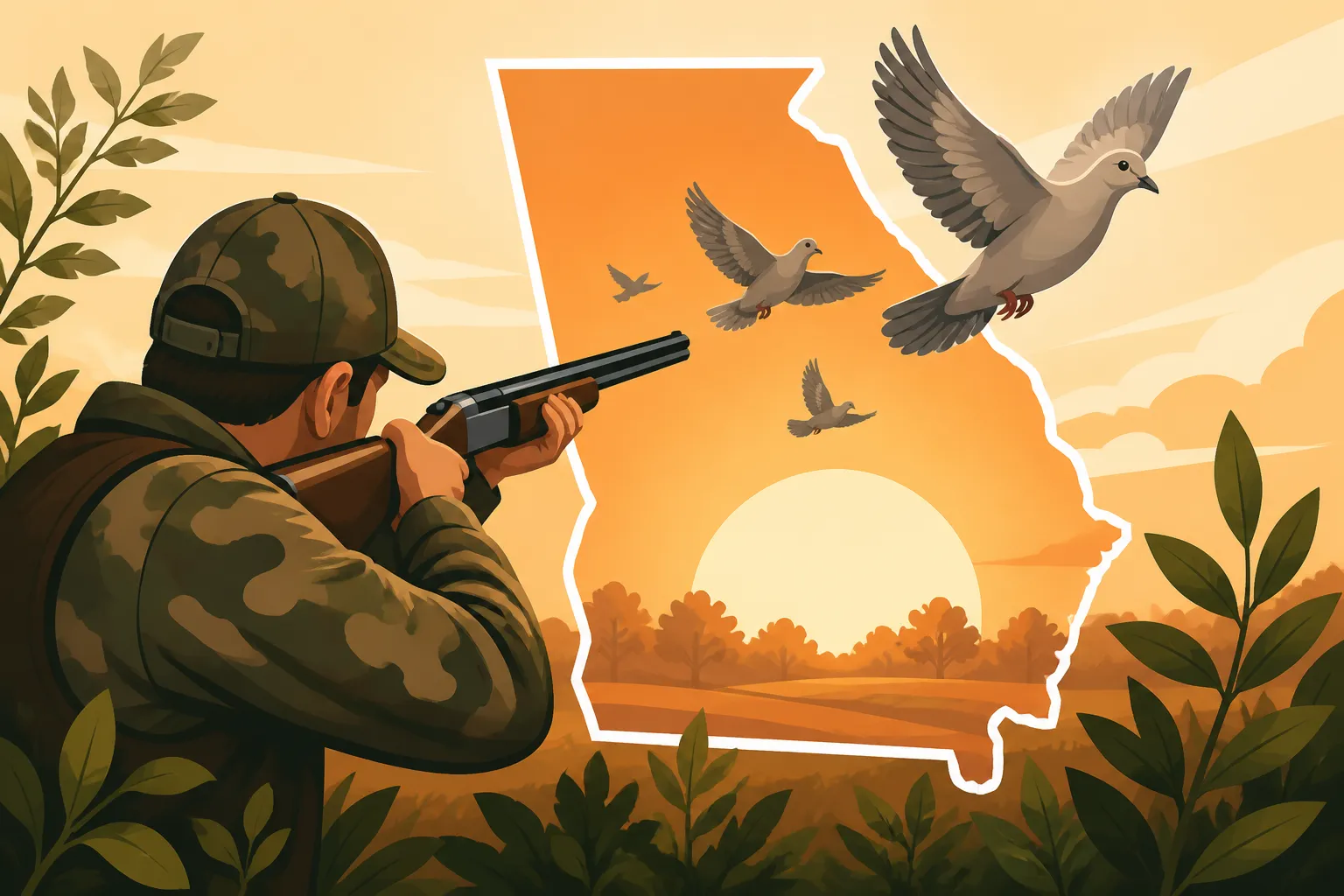
That first Saturday of September can feel like a fever dream in Georgia for dove hunters. You've got the heat, the humidity, the throngs of people, and sometimes, the sheer frustration of not knowing where to even begin. This guide is all about cutting through the noise, preparing you for the Georgia dove season opening weekend, and helping you understand the regulations so you can focus on the birds and the fellowship.
Understanding Georgia's Dove Season Opening Weekend
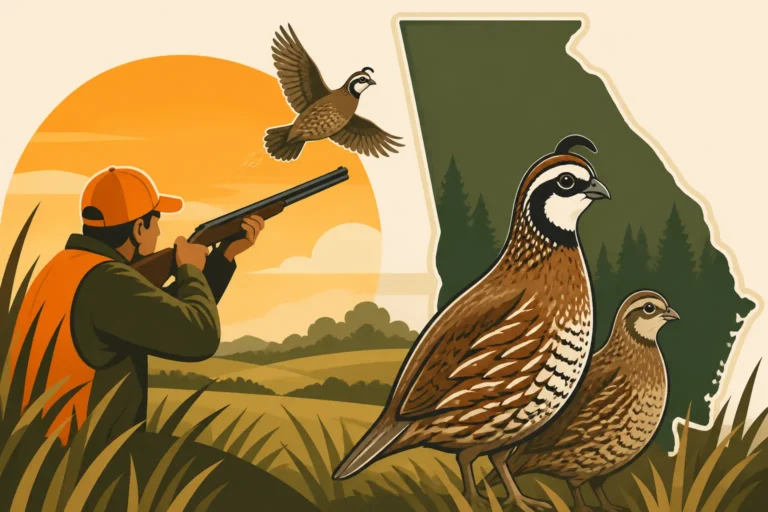
The opening weekend of dove season in Georgia is more than just a hunt; it's a tradition, a social event, and for many, the unofficial kickoff to the fall hunting calendar. It brings together friends, families, and often a lot of anticipation. But with all that excitement comes a lot of moving parts you need to understand, from the exact dates to what you can legally do in the field.
Official Dates and Splits
Georgia's dove season typically operates in multiple "splits" to maximize opportunity for hunters, accounting for migration patterns and local populations. However, it's that first split, specifically the opening day, which draws the biggest crowds and generates the most buzz. Historically, this almost always falls on the first Saturday of September, though it’s always wise to double-check the current year’s Georgia Department of Natural Resources (DNR) regulations. These dates are set carefully, often balancing biological needs of the birds with hunter opportunity, and they can sometimes shift slightly, so don't just rely on last year's calendar.
For example, if September 1st falls on a Thursday, the opening day will typically be September 3rd. The season then usually runs for a period, closes, and then reopens for a second and sometimes even a third split later in the fall and winter. Each of these splits offers different hunting experiences. The opening weekend is often characterized by local birds and high hunter density, while later splits might see more migratory birds but with much less hunting pressure. Understanding these splits allows you to plan your hunts strategically throughout the season, not just for the initial flurry. You can find detailed breakdowns of all these periods in resources like the annual hunting regulations booklet, often available through the Georgia DNR website or local sporting goods stores.
Daily and Season Bag Limits
When you're out there, full of adrenaline, watching doves zip by, it's easy to lose track. But sticking to the bag limit is crucial, not just for legal reasons, but for ethical hunting and resource management. For mourning doves in Georgia, the daily bag limit is generally 15 birds. This means you can't shoot more than 15 doves in a single day, regardless of how many fields you might visit or how many times you change your spot. The possession limit is usually three times the daily bag limit, which means you can have up to 45 doves in your freezer or at your camp, representing birds taken over multiple days.
It’s important to remember that these limits apply to mourning doves, which are the primary target during Georgia's dove season. If you happen to encounter other migratory game birds, such as Eurasian collared-doves, they typically have no closed season or bag limit as they are an invasive species, but you must be absolutely certain of your identification before shooting. Misidentifying birds can lead to violations. The DNR sets these limits to ensure sustainable populations, and responsible hunters play a vital role in maintaining that balance. Always confirm the current year's Georgia Dove Season Bag Limit to avoid any accidental infractions.
Preparing for the Hunt
Stepping into a dove field on opening weekend unprepared is a recipe for frustration. The heat, the crowds, and the fast-flying birds demand some foresight. A little planning goes a long way in making your experience enjoyable and successful.
Licensing and Permits
Before you even think about loading your shotgun, you need to make sure your paperwork is in order. This is non-negotiable for hunting migratory birds in Georgia. First, you'll need a valid Georgia hunting license. Depending on whether you're a resident or non-resident, and what other game you hunt, there are various options available, from annual licenses to comprehensive sportsman bundles. For detailed information on these, check out our guide on Georgia Hunting Licenses and What They Cost.
Beyond the basic hunting license, migratory bird hunting requires a couple of additional, often overlooked, certifications. You need a Georgia Migratory Bird Stamp, and you must complete the Harvest Information Program (HIP) certification. The HIP certification isn't a physical stamp or card; it's a brief survey about your previous year's migratory bird hunting activity that helps the U.S. Fish and Wildlife Service gather crucial data for managing migratory bird populations. Both the migratory bird stamp and HIP certification can usually be purchased and completed when you buy your regular hunting license, often online through the Go Outdoors Georgia platform or via their mobile app. For those who hunt a variety of migratory species, the Georgia Migratory Bird Certification is an annual must-have. You can also explore options like the Resident Sportsman License Bundle, which often includes these necessary endorsements.
Essential Gear for Dove Hunting
Dove hunting might seem simple, but the right gear can make a huge difference, especially under the Georgia sun. First and foremost, you need a reliable shotgun. Many hunters opt for 12-gauge or 20-gauge shotguns, capable of quick follow-up shots. Over-and-unders, side-by-sides, pumps, and semi-automatics all have their fans. For shot shells, target loads with smaller shot sizes like 7 ½ or 8 are typically ideal for doves. You're looking for dense patterns, not heavy pellets, to bring down these fast, erratic flyers.
Beyond the firearm and ammo, think comfort and hydration. Early September in Georgia is almost always scorching, so lightweight, breathable clothing is a must. Camouflage isn't always essential for dove hunting, as long as your clothing blends somewhat with the background. Think about a good pair of sunglasses, a hat to shield your face, and plenty of water or sports drinks to stay hydrated. A comfortable dove stool or chair is also non-negotiable for those long waits between flights. Don't forget a cooler with ice for your harvested birds to prevent spoilage in the heat, and a good game vest or bag to carry them. If you’re hunting a popular public field, consider having a shell pouch or bucket to keep your empties contained. For more on what to bring, check out specific recommendations for Dove Stools and Field Gear.
Scouting and Field Selection
Opening weekend success often hinges on knowing where the doves are flying before opening day. Doves are creatures of habit, typically flying between roosting areas, water sources, and feeding fields. Scouting involves driving around likely areas – agricultural fields, cut corn, wheat stubble, sunflower fields – during the late afternoons in the weeks leading up to the season. Look for power lines, dead trees, or field edges where doves gather. These are often indicators of active feeding or loafing areas.
Private land offers consistency, but if you're on public land, knowing where to go can be tougher. Wildlife Management Areas (WMAs) often plant specific dove fields, which attract birds. These can be fantastic, but they also draw significant crowds. The Georgia DNR's GoHunt platform or similar mapping apps like OnX can be invaluable here. They allow you to view public land boundaries, identify potential feeding areas, and even scout remotely with aerial photography. Pay attention to fields that have been recently harvested, especially corn or sunflower fields, as doves feed heavily on fallen seeds. Identifying key flight corridors – the paths doves take between food and water – is often more important than just finding a field. These are the "funnels" where birds are most likely to pass within shooting range.
Rules and Regulations Specific to Dove Hunting
Dove hunting, like all hunting, is subject to a specific set of rules. Some are general hunting regulations, while others are particular to migratory birds. Knowing these thoroughly can prevent a lot of headaches and ensure a safe, legal, and enjoyable hunt.
Ammunition and Shotgun Restrictions
When it comes to dove hunting, federal regulations for migratory birds dictate that you must use non-toxic shot if you are hunting on certain federal lands, like National Wildlife Refuges. However, for most private and state-managed public lands in Georgia, lead shot is still permissible for doves. Always verify the specific rules for your hunting location, as some WMAs or public areas might have their own non-toxic shot requirements.
Shotguns used for migratory bird hunting also have a specific capacity restriction. Your shotgun cannot hold more than three shells: one in the chamber and two in the magazine. If your shotgun has a larger capacity, you must use a plug to restrict the magazine to two rounds. This is a federal regulation, not just a Georgia rule, and it's strictly enforced. Make sure your plug is properly installed and non-removable without disassembling the gun. Common shot sizes for doves are 7 ½ or 8, as mentioned, but some hunters prefer 6s if they anticipate longer shots or are trying to extend their range. You want a good balance of pellet count and energy for these quick birds.
Baiting Regulations and Scouting Ethics
This is one of the most critical and often misunderstood aspects of migratory bird hunting: the prohibition on baiting. It is illegal to hunt doves over a baited area. A baited area is defined as any area where salt, grain, or other feed has been placed to attract birds. This isn't just about scattering corn; it can include "top-sowing" crops where grain is left on the surface in an unnatural concentration. Normal agricultural practices, such as harvesting, planting, or manipulating a crop for wildlife without scattering extra feed, are generally legal. For example, a harvested cornfield or a sunflower field where seeds have matured and fallen naturally is fine. However, taking grain from one part of a field and scattering it elsewhere, or adding commercial feed, is strictly illegal. The distinction can be nuanced, and ignorance of the law is not an excuse.
It's your responsibility as a hunter to ensure the field you are hunting is legal. This means thorough scouting and asking questions if you're hunting on private land you don't manage yourself. If you observe anything suspicious, like piles of grain or freshly scattered feed, it's best to avoid that area entirely. The penalties for baiting can be severe, including hefty fines and loss of hunting privileges. Understanding Georgia Dove Field Baiting Rules is paramount to avoiding a costly mistake. When scouting, use tools like GoHunt or similar apps to see the land history if possible and always exercise caution and ethical judgment.
Tactics and Etiquette for Opening Day Success
With so many hunters converging on fields, opening day demands not only good shooting but also good manners and smart tactics to stay safe and make the most of the short, intense action.
Setting Up Your Position
Finding a good spot on opening day can be a challenge, especially on popular public lands. Arrive early, even before dawn, to secure a desirable location. Look for areas along known flight paths: field edges, treelines, fence rows, or even isolated trees in the middle of a large field. These spots often act as natural funnels or perching points for doves. Consider the sun's position – ideally, you want the sun at your back or side, not in your eyes. Also, factor in wind direction, as doves often fly into the wind when approaching a field or landing.
When choosing your spot, also think about safety. Ensure you have a clear shooting lane and a safe background. Avoid setting up directly in front of or behind other hunters. A general rule of thumb on public fields is to maintain at least 50-100 yards of space between hunting parties, depending on the field size and terrain. Your dove stool, along with some natural cover like tall weeds or a brush pile, can help you blend in. Some hunters prefer to use a portable ground blind, especially if they are hunting a less concealed area. Remember, doves have excellent eyesight, so minimizing movement and breaking up your outline is key.
Effective Shooting Strategies
Doves are fast, erratic flyers, and hitting them consistently requires practice. They often fly at high speeds, change direction suddenly, and can present challenging angles. Many experienced dove hunters will tell you that the best practice for dove season is skeet or trap shooting during the off-season. When a dove approaches, pick a single bird, swing through it, and follow through with your shot. Don't stop your swing! A common mistake is to stop the gun as you pull the trigger, resulting in shooting behind the bird.
Decoys can be incredibly effective, especially spinning-wing decoys. Place them strategically to simulate feeding or landing doves, which can draw incoming birds closer to your position. Positioning decoys into the wind, much like real birds would land, often works best. Don't be afraid to adjust your setup or move positions if the birds aren't flying where you are. Sometimes a slight repositioning, even just 20 yards, can put you right under a hot flight path. If the birds are landing in a particular spot, moving closer to that area, while still maintaining safety and respecting other hunters, can improve your chances. For tips on drawing birds in, learning Working a Dove Field on Opening Day can be very beneficial.
Hunter Etiquette and Safety
Given the festive atmosphere and potential crowds, good hunter etiquette and safety are paramount on opening weekend. Always be aware of other hunters' positions and their zones of fire. Never shoot toward another hunter, a vehicle, or any structure. Call out "bird!" to signal incoming doves to other hunters, but always ensure your shot is safe before taking it.
Retrieving downed birds quickly is important, especially in warm weather to preserve the meat. If you have a retrieving dog, ensure it is well-trained and under control. If a bird falls near another hunter's position, politely ask permission before retrieving it. Sharing the field means respecting everyone's experience. Additionally, remember to clean up your spent shells and any other trash. Leaving a clean field is a sign of respect for the land and for other hunters. By adhering to these practices, we ensure that dove hunting remains a positive tradition for years to come. Remember to review basic hunting safety, especially around firearms, as detailed in Georgia Hunter Education Requirements. And if you ever feel overwhelmed by the number of people, consider hunting during the Hunting the Second Dove Split in October for a potentially less crowded experience.
Navigating Challenges on Opening Weekend
Opening weekend isn't always perfect; sometimes the birds don't cooperate, or unexpected issues arise. Being prepared for these common challenges can help you adapt and salvage your hunt.
Dealing with Crowds and Pressure
One of the biggest challenges on opening weekend, especially on public land or popular private fields, is the sheer number of hunters. High hunting pressure can make doves skittish and change their flight patterns. If a field is already packed, consider moving to a different spot, or even a different field if you have options. Sometimes, waiting until later in the morning or scouting a less obvious corner of a field can pay off. Doves that have been shot at repeatedly might change their approach, flying higher or using different entry points.
On public land, sites listed on the GoHunt application might indicate areas that are typically popular, giving you a heads-up. Sometimes the best strategy is to find those overlooked, less glamorous spots, or areas that require a bit of a walk to access. These areas often see less pressure, and doves might feel more comfortable using them. For more insights on this, you might find value in exploring Hunting Pressure on Georgia Public Land and Finding Ground Others Walk Past. Flexibility and patience are your best friends when dealing with crowds.
Weather Conditions and Bird Behavior
Georgia in early September means heat, humidity, and often, pop-up thunderstorms. These weather conditions significantly impact both hunters and doves. Doves will seek water sources more frequently in hot weather, making water holes or ponds attractive hunting spots. They also tend to fly less during the hottest parts of the day, often having early morning and late afternoon flurries of activity. Plan your hunt accordingly, focusing on those prime times.
Keep a close eye on the forecast. A sudden rain shower can ground birds, but a passing storm might also kickstart a fresh wave of activity as birds move after the front passes. Always bring rain gear and be prepared for sudden changes. High winds can also make doves fly lower and faster, presenting different shooting challenges. Pay attention to how the birds are reacting to the weather on any given day and adjust your setup and tactics. For example, on a windy day, birds might hug a treeline for protection, creating a natural flight path you can target.
| Aspect | Detail |
|---|---|
| Typical Opening Date | First Saturday of September (always check current DNR regulations) |
| Daily Bag Limit | 15 Mourning Doves |
| Possession Limit | 45 Mourning Doves (three times daily bag) |
| Shotgun Capacity | Max 3 shells (1 in chamber, 2 in magazine) – plug required if more |
| Ammunition | Lead shot generally allowed; non-toxic required on some federal lands |
| Baiting | Strictly illegal to hunt over baited areas |
| Required Licenses | Georgia Hunting License, Migratory Bird Stamp, HIP Certification |
| Hunting Hours | Half-hour before sunrise to sunset |
Field Dressing and Game Care
Given the warm Georgia weather, proper field dressing and game care are critical to ensure your doves are fit for the table. As soon as you retrieve a bird, it's a good practice to breast it out immediately. This involves simply removing the breast meat from the bone, which is the primary edible portion. This reduces the bulk and allows the meat to cool much faster than keeping the whole bird intact.
Once breasted, place the meat directly into a cooler filled with ice. Do not just lay them on top; bury them in the ice to get them cold quickly. This rapid cooling prevents bacterial growth and preserves the quality of the meat. If you plan to clean them later, ensure they stay on ice. Back at camp or home, clean any remaining feathers or debris, then rinse the breasts thoroughly. They can then be packaged and frozen for later use or prepared fresh. Taking these simple steps will ensure that your hard-earned doves taste fantastic. Remember, proper care starts in the field, especially when the temperatures are still soaring in early September.
Disclaimer
Hunting regulations and season dates can change. Always consult the most current Georgia Department of Natural Resources (DNR) official regulations before heading afield. This guide is for informational purposes only and should not be considered a substitute for the official legal documents. Stay safe and hunt responsibly!