Setting Up a Dove Field Before Opening Day
There’s nothing quite like the anticipation of dove season, but if you’ve ever shown up to a field on opening day only to find it devoid of birds, you know the frustration. It’s disheartening to put in the time, pick out your spot, and then just watch the empty sky. This guide is all about avoiding that disappointment by walking you through the critical steps of setting up a successful dove field in Georgia long before opening day arrives, ensuring your efforts lead to a fantastic hunt.
Understanding Dove Behavior and Habitat Preferences
To effectively set up a dove field, you first have to think like a dove. These agile flyers aren't just looking for any old patch of dirt; they have specific needs that, if met, will draw them in like a magnet. Ignoring these natural inclinations is a surefire way to have a quiet hunt, no matter how much effort you put in otherwise.
Preferred Food Sources for Mourning Doves
Mourning doves are primarily seed-eaters, and they have some distinct favorites. They prefer small, easily digestible seeds that they can pick up from bare ground or very short vegetation. Think about agricultural fields like sunflowers, millet, wheat, corn, and even some weeds like croton (also known as dove weed). If you're planning your field, consider crops that mature and dry out around late summer, right when dove season is gearing up. For instance, planting a good stand of browntop millet in the spring, allowing it to mature, and then preparing it properly can create an irresistible banquet for doves. It’s not just about having food; it’s about having the right food, presented in an accessible way. Many hunters in Georgia also find great success with sunflowers, particularly when planted in strips or blocks that allow for easy manipulation later on.
Water and Grit Requirements
Beyond just food, doves need water and grit. They don't typically drink from deep ponds or fast-moving streams; instead, they prefer shallow edges where they can land easily and quickly sip water. A muddy bank or a shallow puddle is much more appealing. If your chosen field doesn't have a natural water source nearby, considering a strategically placed temporary water feature, like a small, shallow dug-out area that catches rainwater or runoff, can make a huge difference. Furthermore, doves need grit – tiny stones and gravel – to help them digest seeds. They’ll often visit sandy or gravelly areas to pick this up. If your field is surrounded by rich, loamy soil, creating a small, exposed patch of sand or fine gravel can be an added attraction. Think about where a country road might cross your property, or a dusty turnaround point; these spots often naturally attract doves seeking grit.
Roosting and Loafing Areas
Doves aren't on the ground feeding all day. They need places to rest, preen, and feel safe. These are known as loafing and roosting areas. Loafing areas are typically open, elevated spots nearby where they can perch and survey their surroundings between feeding sessions. Dead trees, power lines, fences, or even isolated clumps of taller trees can serve this purpose. Roosting areas are where they spend the night, usually in dense stands of trees that offer protection from predators and the elements. A successful dove field often has a good balance of feeding areas, accessible water, grit, and nearby loafing/roosting cover. For example, a field bordered by a dense pine thicket on one side and an open field on the other, with a powerline cutting through, offers all these elements in close proximity, making it a complete package for doves. When you're scouting for potential field locations, use a tool like GoHunt to examine aerial photos and see how nearby trees and power lines might provide these crucial loafing and roosting opportunities.
Choosing and Preparing Your Dove Field Site
Once you understand what doves need, the next step is to select and prepare your actual field. This isn't just about throwing some seeds on the ground; it's a strategic process that involves careful planning and execution. The goal is to make your field the most attractive spot in the region for doves, giving you the best chance for a memorable day, especially when the Georgia Dove Season Opening Weekend arrives.
Selecting the Right Crop or Mix
The foundation of a great dove field is the right crop. While corn and wheat are common, they often require larger equipment and more extensive farming practices. For many private landowners or hunting clubs, smaller-seeded grains are more practical and just as effective.
- Browntop Millet: This is a classic for a reason. It's relatively inexpensive, easy to grow, matures quickly, and doves absolutely love it. Plant it in late spring or early summer, and it should be ready for manipulation by August.
- Sunflowers: A visually appealing choice, sunflowers are a huge draw for doves. They require a longer growing season, so plant them earlier in the spring. Once mature, the seeds are high in oil and calories, making them a preferred food source.
- Grain Sorghum (Milo): Another excellent option, milo offers abundant small seeds. It's drought-tolerant and can be a good choice for areas with less consistent rainfall.
- Wheat: If you're working with existing agriculture, a wheat field that has been harvested and then managed (as we'll discuss below) can be fantastic.
Often, a mix of these crops works best. For example, planting strips of millet alongside strips of sunflowers provides variety and extends the feeding window if they mature at slightly different times. You might even consider planting a strip of traditional field corn if you have the space and equipment, allowing it to dry down and be harvested. This varied approach makes your field a consistent draw for Mourning Doves in Georgia. Using an app like GoHunt can help you map out your planting zones and estimate acreage, ensuring you buy the right amount of seed.
Strategic Mowing and Disking Techniques
Having the right crop is only half the battle; how you present it to the doves is crucial. Doves prefer to feed on bare ground. Therefore, simply having a mature crop standing in your field won't be as effective as manipulating it. This is where mowing, disking, and even burning come into play.
- Mowing: About 2-3 weeks before opening day, start mowing strips or sections of your chosen crop. This knocks the seed heads to the ground, making the seeds readily available. Don't mow everything at once! Mowing in stages provides fresh food sources leading up to and during the season. If you mow a quarter of the field one week, another quarter the next, and so on, you'll ensure a continuous buffet.
- Disking: For some crops, light disking can be very effective. This technique partially buries some seeds while exposing others, simulating natural disturbance. It also creates bare ground pathways that doves love.
- Burning: In areas with appropriate safety measures and permits, prescribed burning can clear out dense vegetation and expose seeds on the soil surface, mimicking natural wildfires that often benefit wildlife. However, this is a more advanced technique and should only be done with professional guidance and strict adherence to local regulations.
The key is to create exposed ground with readily available seeds. Imagine a checkerboard pattern where some squares are mowed, some are standing, and some might even be lightly disked. This creates a dynamic feeding area that keeps doves interested and coming back. When planning your layout, consider the wind direction that typically prevails during opening weekend to position shooting lanes optimally. This kind of nuanced field preparation is often what separates a decent dove hunt from an unforgettable one.
Creating Flight Corridors and Edges
Doves aren’t just looking for food; they’re looking for safe ways to get to that food. Open flight corridors are essential. If your field is surrounded by tall timber, consider creating wider shooting lanes or even clear-cutting small sections on the approach side to allow doves clear flight paths. Doves prefer to fly over open areas rather than dense woods when approaching a feeding site.
Edges also play a significant role. The transition zone between two types of habitat – say, a field and a treeline, or a mowed strip and a standing crop – often concentrates dove activity. Creating these defined edges within your field can help funnel birds into predictable flight paths, making for better shooting opportunities. You can achieve this by leaving unmowed strips around the perimeter or between different crop types. These edges also provide cover for hunters to set up without being silhouetted against the sky. For instance, if you have a large open field, breaking it up with a few rows of standing sunflowers or milo left untouched can create natural "fences" that doves will fly along, helping hunters know where to expect their shots. When deciding on your setup, think about the sun's position throughout the day; you don't want to be staring directly into it during prime flying times.
Legal Considerations and Best Practices for Baiting
This is one of the most critical aspects of setting up a dove field, and it's where many well-intentioned hunters can inadvertently run afoul of the law. The rules around baiting for migratory birds, including doves, are very strict in Georgia, and misunderstanding them can lead to serious consequences.
Understanding Georgia's Dove Field Baiting Rules
The Georgia Department of Natural Resources (DNR) and federal regulations define baiting as the direct or indirect placing, exposing, depositing, distributing, or scattering of salt, grain, or other feed that could lure or attract migratory game birds to, on, or over any areas where hunters are attempting to take them. This includes unharvested crops, unless they are scattered as a result of normal agricultural operations.
The key phrase here is "normal agricultural operations." This means you can plant, cultivate, and harvest crops as usual. If, as a result of a normal harvest (like combining corn or wheat), seeds are scattered, that's generally legal. However, purposely scattering extra grain from a bag, creating piles, or significantly altering a field beyond what's considered normal agriculture to attract doves is illegal.
For crops like millet or sunflowers that you mow down, the seeds that fall naturally from the plant as a result of that mowing are considered legal. But if you mow a field and then come back and spread additional purchased millet on top, that's baiting. It's a nuanced line, so when in doubt, consult the Georgia Dove Field Baiting Rules directly on the Georgia DNR website. An excellent practice is to always err on the side of caution. Ensure any manipulation of your field, whether it’s mowing, disking, or otherwise, is a direct result of preparing the ground for the next planting season or a bona fide agricultural practice, not solely for the purpose of attracting doves. This distinction is vital for a legal hunt.
Spreading Grains for Optimal Distribution
If you're managing crops like millet or sunflowers, your primary method of distributing grain will be through mowing. As mentioned, mowing strips or sections of the mature crop allows the seeds to fall naturally to the ground, making them accessible to doves. The distribution should appear natural, not as if someone dumped a bag of feed.
Table: Legal vs. Illegal Dove Field Practices in Georgia
| Practice Type | Legal | Illegal |
|---|---|---|
| Planting | Planting suitable dove crops (millet, sunflowers, corn, wheat) in an agricultural manner. | Planting crops solely to immediately cut them down and scatter the seeds without intent for normal harvest or agricultural use. |
| Harvesting | Normal agricultural harvest (e.g., combining corn), where some grain is naturally scattered. | Intentionally leaving excessive grain piles after harvest or scattering additional purchased grain post-harvest. |
| Mowing/Disking | Mowing mature crops to knock seeds to the ground; light disking for seedbed preparation or natural look. | Mowing then adding new, unplanted grain; disking to bury and then re-expose new grain not naturally part of the field. |
| Water Sources | Natural puddles, creeks, or shallow depressions that collect rainwater. | Creating artificial water sources and placing feed directly in or around them to lure birds. |
| Timing | Actions that prepare the field for the next agricultural season or normal crop maturation. | Manipulating fields strictly for immediate hunting benefit, outside of normal farming cycles, especially close to opening day with new feed. |
Remember, the appearance of the field should look like a farmer's regular operation, not a feed lot. The idea is to enhance the natural foraging opportunities, not to create an artificial feeding station. A natural-looking, staggered mowing approach will provide consistent food and keep doves coming back throughout the season, long after Hunting the Second Dove Split in October rolls around.
Setting Up for Safety and Success on Opening Day
Beyond legalities and bird appeal, safety is paramount. Before opening day, scout your field thoroughly to identify safe shooting lanes, potential hazards, and optimal hunter placement.
- Hunter Spacing: Ensure hunters are adequately spaced to prevent accidents. A good rule of thumb is at least 40-50 yards between hunters, more if using larger gauge shotguns.
- Backstops: Always consider your backstop. Doves often fly low, so ensure that any shots taken have a safe, elevated backdrop (like a treeline or hill) to absorb stray pellets, preventing them from traveling into unintended areas like neighboring properties or public roads.
- Sun and Wind: Pay attention to the sun's position throughout the day. Setting up with the sun at your back will give you a significant advantage, reducing glare and making incoming doves easier to spot. Also, doves often fly into the wind when landing, so positioning yourself downwind of their typical flight path can give you better crossing shots.
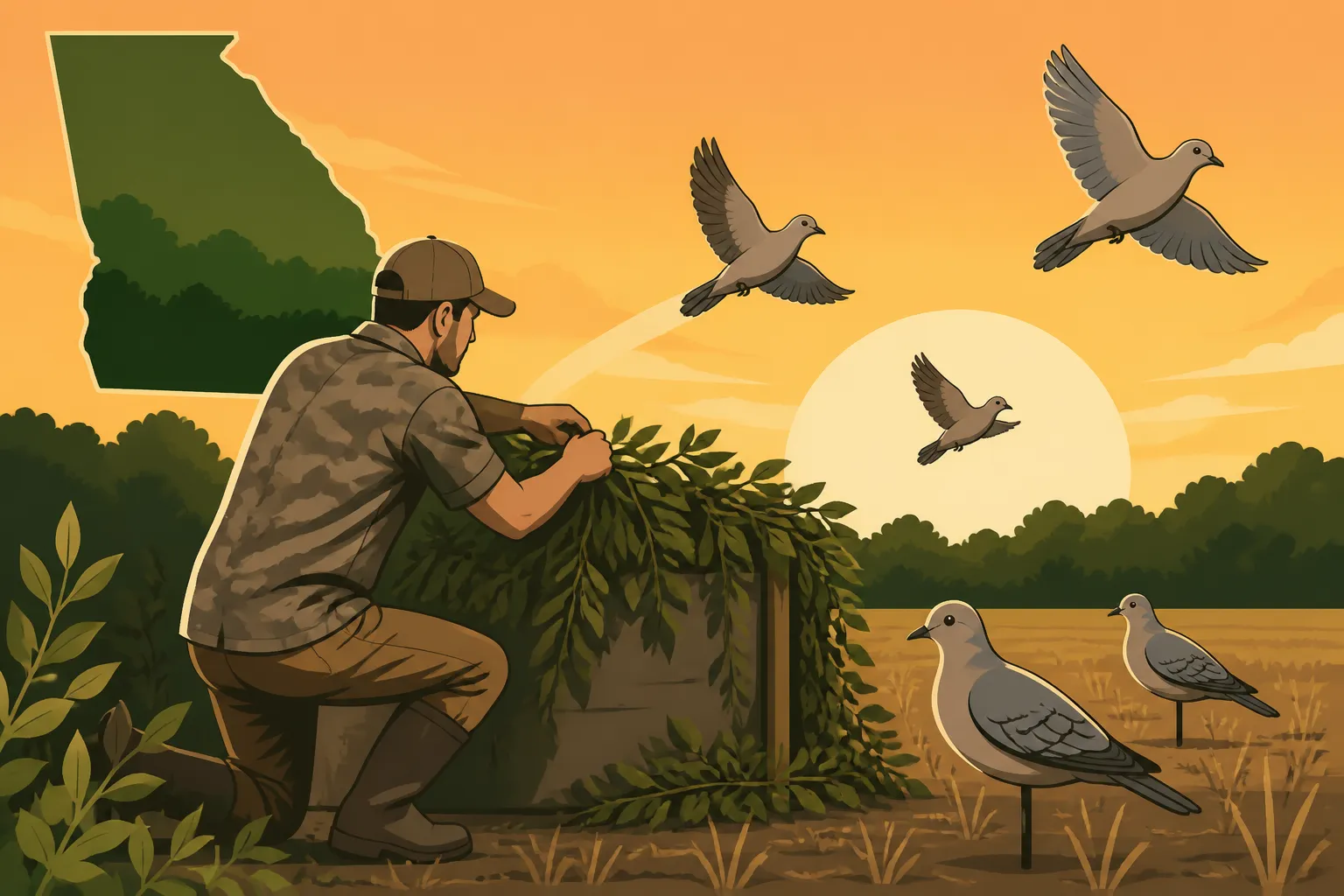
- Concealment: Doves have excellent eyesight. Simple camouflage, like setting up under a natural treeline, within a standing crop, or using a pop-up ground blind, will significantly increase your success rate. A good lightweight dove stool and a shell bag are essential gear for a comfortable and effective day. You can even check out reviews on GoHunt for recommended dove gear like portable seats or blinds.
Communicating these safety protocols clearly to all hunters before they even step foot in the field is vital. A pre-hunt briefing outlining boundaries, safe zones of fire, and emergency procedures is always a good idea. This proactive approach ensures that everyone has a fun, productive, and most importantly, safe experience when Working a Dove Field on Opening Day.
Setting up a dove field is a labor of love, a true investment in your hunting season. It’s not just about scattering seed; it’s about understanding the land, the wildlife, and the regulations. By taking the time to plan, plant, and prepare your field methodically, you’ll create an irresistible magnet for doves and ensure many memorable hunts for years to come.
Disclaimer
Please remember that hunting regulations, including those related to baiting and field preparation, can change. Always consult the latest Georgia Department of Natural Resources (DNR) regulations and federal migratory bird laws before engaging in any hunting activities. This guide is for informational purposes only and does not constitute legal advice.