Deer Drives With Three or Four Hunters
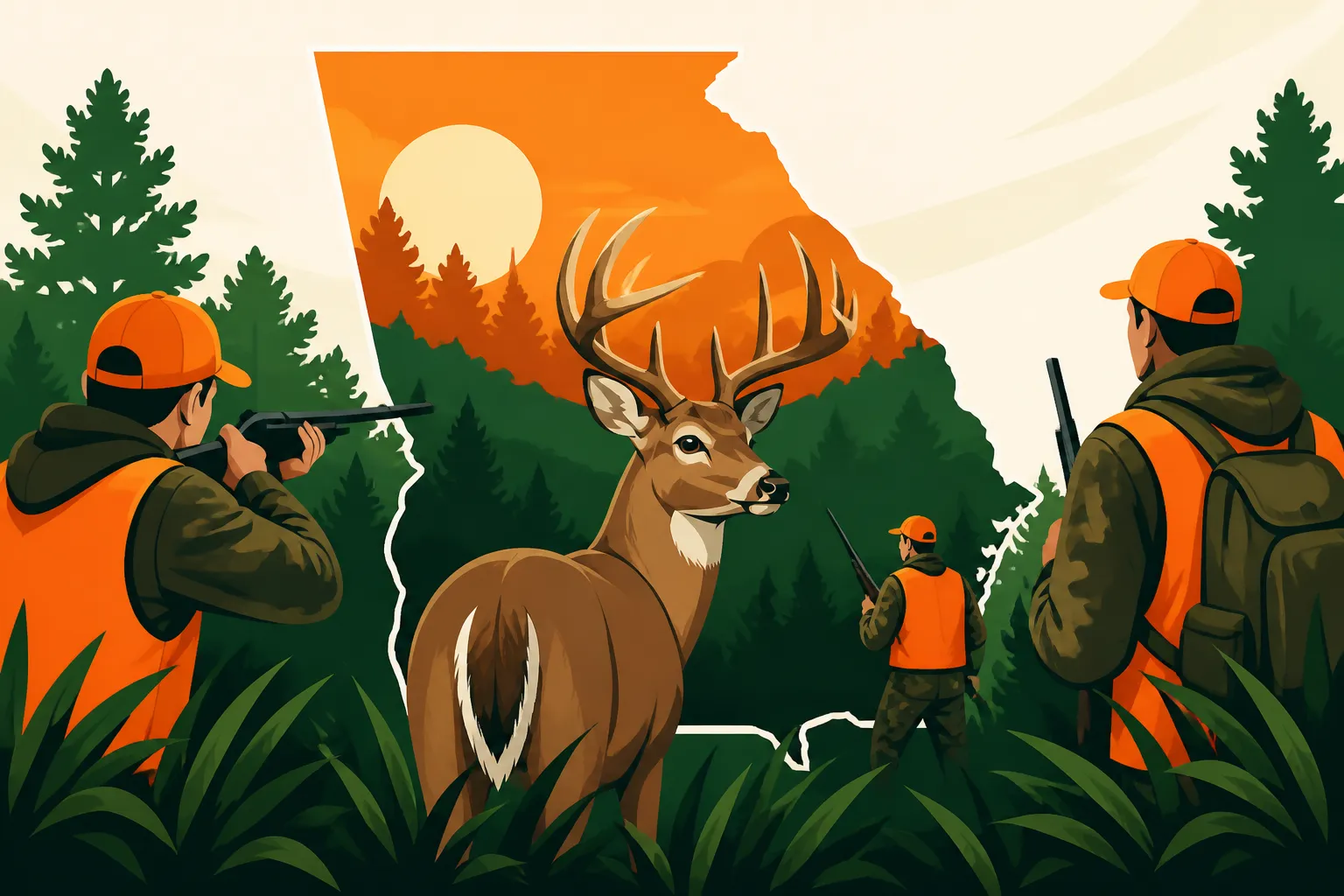
Trying to organize a massive deer drive with a dozen friends can feel like herding cats, especially when everyone has different schedules, skill levels, and ideas about where the deer should be. It often leads to frustration, confusion, and sometimes, even unsafe situations. This guide is all about simplifying that process, showing you how to execute highly effective deer drives with just three or four hunters, turning a logistical nightmare into a streamlined, productive hunt in Georgia's diverse landscapes.
The Art of the Small-Group Deer Drive in Georgia
Deer drives, when done right, can be incredibly effective, particularly when deer are hunkered down, pressured, or simply not moving much during a cold snap or after a busy weekend. But who among us hasn't tried to coordinate a big group, only to have half the guys get lost, make too much noise, or just not understand the plan? That's where the beauty of a small-group drive, specifically with three or four hunters, truly shines. You gain agility, better communication, and the ability to adapt on the fly, making it a powerful tactic for both public and private land here in Georgia.
Why a Small Team Excels: When Less Is More, Especially on Public Land
Forget the chaos of a large hunting party. With just three or four of you, the entire dynamic changes. For starters, you're less conspicuous, which is a huge advantage on public lands like those in the Chattahoochee-Oconee National Forest Hunting or various Georgia Wildlife Management Areas. A smaller footprint means less noise, less scent left behind, and less chance of bumping deer out of the county before the drive even begins. It's far easier to coordinate exact start times, speeds, and directions, ensuring that everyone is on the same page and working towards a common goal. This precision often translates to more deer pushed past standers, rather than simply scattering them in every direction.
Think about it: with fewer people, each individual's role becomes more critical, fostering a stronger sense of teamwork and responsibility. There's no hiding in the back, hoping someone else picks up the slack. Every hunter is an integral part of the puzzle. This also means you can be more selective about the terrain you cover. Instead of trying to push a huge block of woods, you can focus on smaller, more strategic pockets that are known to hold deer, or natural funnels that deer will likely use when pressured. This targeted approach is a game-changer when you're working with a limited crew.
Understanding Your Terrain: Scouting with a Small Crew in Mind
Effective deer drives start long before you ever set foot in the woods with a firearm. They begin with meticulous scouting, and for a small team, this is even more crucial. You need to identify key areas where deer are bedding, feeding, and traveling. On public land, this often means focusing on areas that other hunters might overlook or deem too small for a "proper" drive. Look for thickets, brushy creek bottoms, small clear-cuts, or even just dense pine stands that provide excellent cover. Deer will often choose these spots to hide from pressure, knowing they offer safety.
Using tools like detailed aerial photos, topographic maps, or apps like GoHunt can give you a massive advantage. You can digitally "walk" the property, identifying natural bottlenecks, pinch points, and escape routes. Pay close attention to changes in elevation, creek crossings, and subtle terrain features that could funnel deer movement. For instance, a small finger of woods extending into a field, or a narrow strip of timber connecting two larger blocks, can be perfect. During your on-the-ground scouting trips, look for fresh sign – tracks, rubs, scrapes – that indicate recent deer activity. Knowing Where to Hang a Camera on a Logging Road can also help confirm these travel patterns and bed locations. Remember, with a small team, you're looking for surgical strikes, not broad sweeps. You're aiming to gently nudge deer into predictable escape routes, not just blow them out of the woods willy-nilly.
Setting Realistic Expectations: It's Not Always a Grand Slam, But It's Effective
Let's be real, hunting isn't always about hero shots and monster bucks every time you step into the woods. A small-group deer drive is a highly effective tactic, but it's important to set realistic expectations. You might not push a herd of 20 deer, but you significantly increase your chances of encountering deer that would otherwise stay bedded. The goal isn't necessarily to fill everyone's tags on a single drive, but rather to break up stale patterns, get deer moving, and create opportunities that still-hunting or sitting over a food plot might not.
Sometimes, success looks like pushing a single doe past a stander, or even just getting eyes on a buck that you can then pattern for a later hunt. The beauty of the small drive is that you can run multiple drives in different locations throughout the day, covering more ground and adapting to deer movement. If the first drive doesn't pan out, you can quickly regroup, move to another pre-scouted location, and try again. This flexibility is incredibly valuable, especially when you're dealing with pressured deer on public land that might have already been bumped around by others. It’s about persistent, calculated effort, not just luck.
Strategizing for Success: Roles and Communication
The success of any deer drive, especially with a minimal crew, hinges on clear roles and impeccable communication. Everyone needs to understand their assignment, their boundaries, and how they fit into the overall plan. Without this, even the best-laid plans can quickly fall apart.
Designating Drivers and Standers: Tailoring Roles to Skills and Terrain
With three or four hunters, you'll typically have one or two drivers and two or three standers. The key is to assign these roles based on individual strengths, the specific terrain, and the direction you want the deer to go.
- Standers: These are the folks strategically positioned to intercept deer as they try to escape the drivers. They need to be patient, quiet, and have a good understanding of their shooting lanes and safe zones of fire. They should pick natural ambush points like Hunting a Funnel Between Two Swamps, creek crossings, logging road intersections, or thick edges where deer are likely to pause before busting cover. Standers should be in position well before the drive begins, allowing time for the woods to settle and for them to get comfortable and quiet.
- Drivers: The drivers are the ones pushing through the cover, trying to get deer up and moving towards the standers. This role requires stamina, attention to detail, and a good sense of direction. Drivers don't need to be loud or crash through the woods like a freight train; often, a steady, methodical pace, maybe with some light vocalizations or stick-breaking, is far more effective. The goal is to make deer feel uneasy and move, not to panic them into busting out in random directions. If you have two drivers, they should maintain visual or audible contact to ensure a consistent push line.
When deciding who does what, consider the terrain. If you're pushing through a dense thicket, a more agile or experienced driver might be best. If a stander needs to cover a wide-open area with limited cover, someone with steady nerves and good judgment under pressure is ideal. Think about the individual, the ground, and the desired outcome.
Pre-Drive Communication and Mapping: Everyone Needs to Be on the Same Page
Before anyone steps into the woods, a thorough pre-drive briefing is non-negotiable. This isn't just a quick chat; it's a detailed explanation of the plan, with everyone looking at the same map. Whether it's a paper topo map, a digital map on GoHunt, or a shared app like OnX Hunt, ensure every hunter understands:
- The Drive Boundary: Clearly define the start and end points of the drive, and the lateral boundaries. Everyone needs to know what area is being pushed.
- Stander Positions: Mark the exact locations where standers will be posted. Discuss potential shooting lanes and arcs of fire for each stander. This helps avoid confusion and ensures safety.
- Driver Routes: Outline the path the driver(s) will take, including any landmarks or terrain features they should follow. Specify their pace and how they should communicate their progress.
- Communication Signals: Establish clear signals for "start drive," "deer spotted," "drive complete," or "safety stop." This could be via two-way radios, specific whistle blows, or cell phone calls (if service allows). Remember that Rattling Volume in Thick Pine Cover can be a great way to communicate, but be mindful of attracting deer away from the standers.
- Escape Routes: Anticipate where deer are most likely to try and escape and ensure standers are covering those angles.
- Safety Protocols: Reiterate blaze orange requirements, firearm safety, and "what if" scenarios.
A simple table can help visualize roles and responsibilities:
| Role | Number | Primary Objective | Key Considerations |
|---|---|---|---|
| Driver | 1-2 | Stealthily push deer out of cover towards standers. | Maintain pace, cover designated area, provide updates. |
| Stander | 2-3 | Intercept deer moving out of the drive zone. | Silent approach, clear shooting lanes, remain vigilant. |
| Coordinator | 1 | Oversee entire operation, ensure communication. | Often one of the standers or an experienced driver. |
This kind of detail prevents misunderstandings and makes the drive far more efficient and safe.
Executing the Drive: Pacing, Noise, and Anticipating Deer Movement
Once everyone is in position and the final "go" signal is given, the execution begins. This is where patience and adherence to the plan pay off.
- Driver's Pace: Drivers should move at a slow, deliberate pace, not running. Think of it more as a quiet stroll, occasionally pausing. The idea is to make the deer feel slightly uneasy and encourage them to walk, rather than bolt, towards the perceived safety of the standers. Random noises, like snapping a stick or a low grunt, can be more effective than constant shouting. Pay attention to the wind, as deer will often try to circle downwind of the drive.
- Stander's Patience: Standers need to be absolutely motionless and quiet, focusing intently on their assigned zones. Deer often slip out subtly, using every bit of cover. Don't assume a deer will come crashing out. They might pick their way through slowly, stop, look, and listen. Be ready for a quick, ethical shot when an opportunity presents itself. Remember that Blaze Orange Requirements are critical for standers, even when trying to remain hidden.
- Anticipating Movement: Deer are masters of evasion. If they detect the drive too early, or if there's an obvious gap in the stander line, they will exploit it. That's why pre-scouting funnels and pinch points is so important. When a deer realizes it's being pushed, its instinct is to follow the path of least resistance or to circle back behind the drivers. The standers' job is to cover those predictable escape routes. If you've been Reading a Ridge for North Georgia Deer or understanding Where South Georgia Pine Flat Bucks Bed, you'll have a much better idea of where they'll try to go.
Safety First: Critical Considerations for Small Drives
Hunting is inherently a safe activity when proper precautions are taken. However, deer drives, by their very nature, involve moving people and potentially moving game, making safety paramount. With a small group, it's easier to maintain safety, but never let your guard down.
Establishing Clear Shooting Lanes and Zones: Preventing Accidents in Tight Quarters
Before the drive starts, every stander must clearly identify their safe zone of fire. This means knowing precisely where other hunters are located and what direction they can and cannot shoot.
- Backstops: Always know your target and what's beyond it. Never take a shot at a deer silhouetted against the sky or a ridge line where you can't be absolutely sure what's behind it. Use trees, hillsides, or dense cover as natural backstops whenever possible.
- No Cross-Shooting: Under no circumstances should a stander shoot across another hunter's position or into the "bubble" of another stander's zone. If a deer is moving between standers, the hunter who has the clearest, safest shot should take it, while the other holds fire. Communication here is crucial.
- Drive Direction: Standers should primarily be focused on shooting away from the drive's starting point and into the areas where deer are expected to emerge. Never shoot back towards the drivers.
- Landmarks: Use prominent trees, rock formations, or even brightly colored ribbons (removed after the hunt, of course) to mark the edges of your safe shooting zones. These visual aids can be surprisingly helpful in the heat of the moment.
- Property Lines: If you're hunting near a property line, ensure all shots are taken well within your legal hunting area, and that no projectile could travel onto neighboring land. This is also where understanding Georgia Firearms Discharge Setback Rules comes into play.
Blaze Orange and Communication Protocols: Non-Negotiables for Every Drive
There are no exceptions here: blaze orange (or blaze pink, which is also legal in Georgia) is mandatory for safety during firearms deer season, especially during a drive.
- Visibility: Every hunter, whether driving or standing, must wear sufficient blaze orange to be easily seen by others. This typically means an outer garment above the waist, visible from all sides. Don't skimp on this. The more visible you are to your hunting partners, the safer everyone will be.
- Consistent Communication: Radios are invaluable for small-group drives. They allow real-time updates without shouting or spooking deer unnecessarily. Use specific call signs or names to avoid confusion. If radios aren't an option, clearly defined whistle signals or a pre-arranged sequence of shouts can work, but practice them beforehand.
- "Deer!" Protocol: If a driver sees deer, they should communicate their presence and direction of travel. Standers should acknowledge and prepare. If a stander spots deer outside their zone or moving in an unexpected direction, they should communicate that immediately so drivers can adjust or other standers can be alerted.
- End of Drive: Once the drivers reach the standers or the predetermined end point, a clear "drive complete" signal must be given and acknowledged by everyone. Only then should standers emerge from their positions. This prevents accidental shots on drivers who might be approaching quietly.
Post-Drive Procedures: Tracking and Recovery with Limited Hands
After the shots are fired, the work isn't over. With a small group, every hand is valuable for tracking and recovery.
- Marking the Spot: If a shot is taken, the shooter should immediately mark the exact location where the deer was standing when shot, and where it was last seen. This is crucial for successful Tracking a Deer Through Georgia Pine Straw or thick cover.
- Waiting Period: Allow a reasonable waiting period (15-30 minutes for a good shot, longer for questionable hits) before beginning to track. This gives the deer time to bed down and expire, rather than being pushed further.
- Team Tracking: With only a few hunters, pool your resources. One person can focus on blood trails, another on tracks, and another on scanning ahead. Move slowly and methodically. If the trail gets difficult, mark the last confirmed sign and fan out in a grid pattern.
- Night Tracking: If darkness approaches, decide whether to continue tracking or wait until morning. For light blood trails or suspected non-lethal hits, waiting might be best. For heavy blood trails and clear hits, continuing with headlamps is often necessary. Always communicate your decision as a group. Remember, Blood Trailing After Dark in Georgia requires extra caution and a systematic approach.
- Dragging Out: Once the deer is found, the small team must work together to field dress and extract it. Consider bringing a deer cart, even for short distances, as Georgia's terrain can be surprisingly tough. For heavier animals or difficult terrain, boning out the deer in the field might be the most practical option.
Maximizing Efficiency on Georgia's Diverse Landscape
Georgia offers a fantastic variety of hunting habitats, from the rolling hills of the Piedmont to the dense coastal swamps and vast pine plantations. A small-group drive needs to be adaptable to these different environments.
Adapting to Piedmont Field Edges and Bottomlands: Specific Tactics for Common Georgia Spots
The Piedmont region, with its mix of hardwoods, agriculture, and creek bottoms, presents unique opportunities for small drives.
- Field Edges: Deer often bed in the timber adjacent to crop fields (like soybeans or peanuts) or pastures, moving out to feed in the evenings. A small drive can push them out during midday. One or two standers can be placed along the field edge, downwind, while drivers push a finger of woods or a creek bottom towards them. Consider Setting Up on a Piedmont Field Edge for standers, perhaps using a ground blind that's been brushed in.
- Creek Bottom Funnels: Creek bottoms are natural travel corridors and often provide excellent cover. They also create natural funnels where deer movement is restricted. Drivers can push a specific section of a creek bottom, with standers positioned at bottlenecks or where the creek crosses a logging road. Deer will often follow the contours of the land, making their exit points somewhat predictable. Hunting Piedmont Creek Bottom Funnels is a highly effective tactic with a small crew.
- Small Woodlots: Many Piedmont areas have scattered small woodlots surrounded by fields. These can be prime spots for a quick, concentrated drive. If you've been doing your Reading Aerial Photos for Piedmont Deer and notice these isolated covers, they are perfect for a two-driver, two-stander approach.
Navigating Pine Plantations and Thick Cover: Using the Habitat to Your Advantage
South Georgia, in particular, is known for its vast pine plantations and incredibly dense thickets. These areas can be daunting but are often ignored by larger groups, making them perfect for small, targeted drives.
- Young Pine Stands: Freshly planted pine stands, especially those 3-7 years old, offer incredibly dense thermal and escape cover. Deer will burrow into these areas to avoid pressure. Drivers need to move slowly and methodically through these, making just enough noise to encourage movement. Standers should be positioned along the edges, especially where the young pines meet more mature timber or a clear-cut.
- Logging Road Grids: Pine plantations are often crisscrossed with a grid of logging roads. These roads act as natural funnels for deer when they are pushed. Standers can be posted at intersections or along stretches of road that border dense cover. Drivers can work through the blocks between roads, knowing deer will eventually hit one of these travel lanes.
- Thickets and Cut-Overs: These are the nastiest, most overgrown spots, and that's exactly why deer love them. They offer maximum security. With a small team, you can commit to pushing one of these thickets effectively. Patience is key for the drivers, and standers need to be ready for deer to pop out quickly. Consider how Where South Georgia Pine Flat Bucks Bed often translates to the densest cover available.
Targeting Funnels and Choke Points: Where Deer Have to Go
Regardless of the specific habitat, the most effective small-group drives focus on funnels and choke points. These are locations where the terrain, vegetation, or human structures (like fences) naturally constrict deer movement, making their escape routes predictable.
- Narrow Strips of Timber: A thin band of woods connecting two larger blocks of cover, or running between a field and a swamp, is a classic funnel. Position standers at either end or along the narrowest points.
- Creek Crossings/Bridges: Deer frequently use the same crossing points over creeks and small rivers. If a drive pushes them towards such a point, standers should be ready.
- Saddles and Ridgelines: In the mountain zones of North Georgia, saddles between ridges are natural travel corridors, especially during the rut. A small drive can push deer over a saddle where a stander is positioned. Understanding Wind and Thermals on a Mountain Ridge is paramount here.
- Swamp Edges: The edge of a dense cypress or beaver swamp provides excellent cover. Deer will often skirt the edges rather than plunge into deep water. Standers along these edges can catch deer trying to slip by. Similarly, knowing how to approach Hunting a Funnel Between Two Swamps will give you a tactical edge.
- Fence Lines: Even subtle obstacles like old fence lines can influence deer movement, creating small funnels.
By concentrating your limited resources on these high-percentage areas, your small-group deer drives in Georgia become incredibly efficient and significantly boost your chances of putting venison in the freezer. Remember, it's about smart hunting, not just hard hunting.
Disclaimer
Hunting is a challenging and potentially dangerous activity. Always prioritize safety, follow all Georgia hunting regulations, and ensure you have the necessary licenses and permits. The information provided here is for educational purposes and should not replace proper hunter education or professional guidance. Always hunt ethically and responsibly.