Working a Creek Bottom for Late-Season Deer
As Georgia's deer season winds down, many hunters find themselves scratching their heads, wondering where the deer have gone. The woods can seem empty, food sources are depleted, and those early-season patterns have completely vanished. But there's a secret weapon for late-season success, especially when temperatures drop and winter truly sets in: the humble creek bottom. This comprehensive guide will walk you through exactly why these often-overlooked habitats are absolute magnets for whitetails in the coldest months and how you can effectively scout, set up, and hunt them to fill your tags before the season closes.
Why Creek Bottoms Are Late-Season Havens
When the broader landscape starts to look bleak and barren in late December and January, creek bottoms often stand out as lush, inviting oases for whitetail deer. The unique microclimate and topography associated with these low-lying areas provide crucial resources that become scarce elsewhere, making them prime real estate for deer seeking survival and sanctuary. Understanding this fundamental draw is the first step to successful late-season hunting.
Consistent Food and Water Sources
Deer, much like us, need consistent access to food and water to thrive. In the late season, when most of the mast crops like acorns have been consumed or have rotted away, and many herbaceous plants have died back, creek bottoms retain a surprising amount of vitality. The consistent moisture found along creek banks and in low-lying areas means that green browse, such as honeysuckle, greenbrier, and various sedges, often persists much longer here than on higher, drier ground. You might even find leftover acorns from late-dropping varieties of oaks that fell into the damp leaves, preserving them longer.
This isn't just about a full belly; it's about energy conservation. Deer are trying to survive the leanest part of the year, and if they can find a reliable food source without expending excess energy traveling long distances or exposing themselves to predators, they will. Creek bottoms offer exactly that: a concentrated buffet of what's left, often tucked away within dense cover. Plus, the sheer presence of water means deer don't have to venture far from their feeding or bedding areas for a drink, further minimizing their exposure. This makes them critical areas, especially after a season like Hunting After a Poor Acorn Year, where other food sources are especially scarce.
Thermal Cover and Travel Corridors
Beyond food and water, creek bottoms excel at providing vital thermal cover. When those cold fronts blast through Georgia in January, deer need places to escape the biting wind and cold temperatures. The dense, multi-layered vegetation often found in these areas—a mix of pines, cedars, sweet gums, and thick underbrush—acts like a natural insulated blanket, helping deer conserve body heat. The subtle elevation changes, even a slight dip or rise along the bank, can offer significant protection from the wind. Bucks and does alike will bed in these areas, hunkering down to ride out the cold days.
Furthermore, creek bottoms naturally function as the ultimate travel corridors. The thick cover allows deer to move from bedding areas to feeding grounds, or even just traverse different parts of their home range, without feeling exposed to open fields or sparsely wooded areas. Imagine a wary old buck moving from his daytime bedding thicket to a neighboring field edge to browse: he's far more likely to slip along the dense, shadowed bank of a creek than to walk across open ground. These areas become deer highways, especially when deer are under constant pressure. GoHunt mapping software can often highlight these natural travel arteries, showing you where the topography and vegetation converge to create these predictable pathways.
Scouting Creek Bottoms for Winter Deer Sign
Effective scouting is the backbone of any successful hunt, and in the late season, it's absolutely critical. Deer patterns shift dramatically, and relying on early-season knowledge can lead to frustration. When you're focusing on creek bottoms, your scouting efforts need to be precise, looking for the specific indicators that signal active late-season use.
Identifying Key Funnels and Crossings
When scouting a creek bottom, you're not just looking for deer sign; you're looking for predictable deer movement. Creeks, by their very nature, create obstacles, and deer will almost always choose the path of least resistance when crossing or traveling alongside them. Look for specific points where deer are funneled into a narrow corridor or where they habitually cross the water. This could be a shallow ford, a sandbar, a wide downed log that acts as a natural bridge, or a narrow pinch point where the banks are steep everywhere else.
These funnels and crossings are your ambush points. Pay close attention to the topography. Are there subtle rises leading out of the creek bottom? Do thickets or steep banks on either side force deer into a tight lane? A sharp bend in the creek combined with dense vegetation can create a natural bottleneck that deer will use without fail. Using a detailed mapping application, like those often available to GoHunt users, can help you visualize these topographical nuances even before you set foot in the woods. These insights are similar to what you'd look for when Hunting a Funnel Between Two Swamps, just with the creek itself being the defining feature.
Don't forget to examine areas where smaller tributaries feed into the main creek. These junctions can create additional travel corridors and staging areas, providing more crossing points and opportunities to intercept deer movement. The more you can narrow down where a deer has to be, the better your chances.
Locating Browsing and Rubs in Late Season
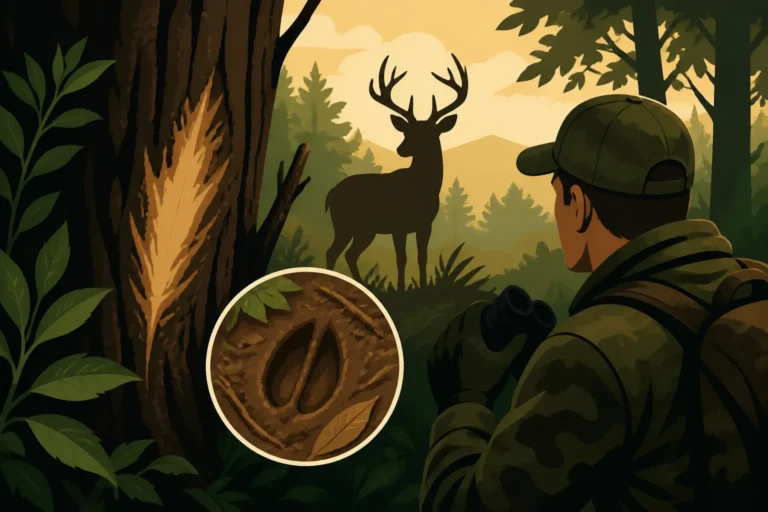
Forget the fresh, aggressive rubs and scrapes of the pre-rut and rut. In the late season, deer sign takes on a different character. While you might still find older rubs from earlier in the season, your primary focus should be on fresh browsing. This is the clearest indication that deer are actively feeding in a specific area. Walk slowly through patches of honeysuckle, greenbrier, young sweet gum saplings, or privet – any persistent green vegetation. Look for freshly nipped ends, torn leaves, or bark rubbed off young stems. This tells you exactly what deer are eating and where they're concentrating their feeding efforts.
Alongside browsing, look for fresh droppings. Concentrated piles of pellets, especially if they appear moist and dark, confirm recent deer activity. Finding these signs near heavy browsing in a creek bottom is like finding a treasure map – it points directly to a late-season food source that deer are regularly utilizing. In January, deer are driven by survival, and finding areas with abundant green browse is paramount to their well-being.
The late season also provides an excellent opportunity for Shed Hunting on Georgia Public Land. As you scout, keep an eye out for dropped antlers. While not directly helpful for this season's hunt, finding sheds can confirm buck presence and give you a head start on understanding next year's patterns in that specific creek bottom.
| Late-Season Creek Bottom Food Sources in Georgia |
|---|
| Food Source |
| Greenbrier |
| Honeysuckle |
| Acorns (Leftover) |
| Sweet Gum Balls |
| Brambles (Rasp/Blackberry) |
| Privet |
Strategic Stand Placement and Entry/Exit Routes
Once you've identified promising creek bottoms and located active sign, the next critical step is planning your approach. Late-season deer are incredibly wary, having survived months of hunting pressure. Your stand placement and, perhaps even more importantly, your entry and exit routes must be executed flawlessly to avoid alerting these highly educated animals.
Playing the Wind and Thermals
Everyone talks about wind, but in creek bottoms, thermals become an equally vital component of your strategy. Thermals are the air currents created by temperature differences. In the morning, as the sun warms the ground, cooler air in the bottom of the creek will rise. In the evening, as the sun sets and the air cools, denser cold air will sink down into the creek bottom.
This means a morning hunt might require you to be positioned higher on the bank, allowing your scent to be carried upwards and away from the creek bottom. Conversely, an evening hunt often calls for a lower setup, as falling thermals will carry your scent downwards and along the creek. Understanding these dynamics is crucial for any hunter, and the principles are similar to those involved in analyzing Wind and Thermals on a Mountain Ridge, just on a more localized scale.
Always plan for the prevailing wind, but be prepared for swirls and eddies that are common in topographical depressions. Often, an elevated stand or saddle setup can help you get your scent above the primary deer travel lanes. Consider having multiple stand locations to accommodate different wind directions, allowing you to pick the most favorable setup for any given day. If the wind isn't right for your primary spot, having a backup prevents you from pushing deer out of the area with bad scent control.
Minimizing Pressure Near Bedding Areas
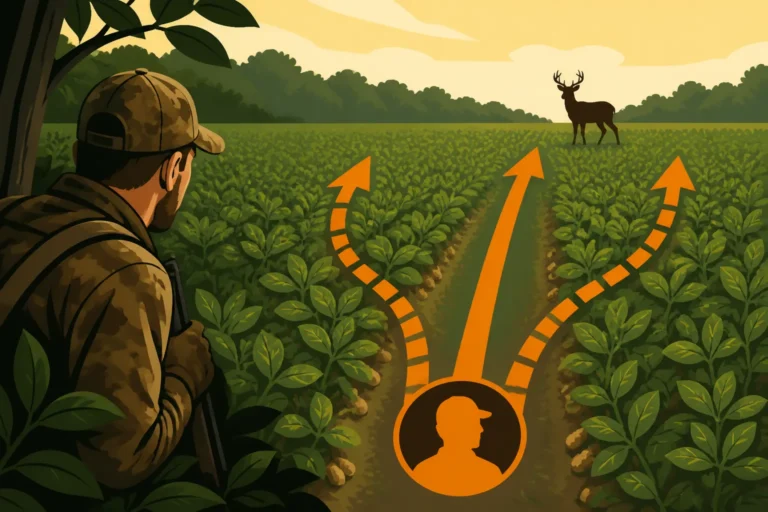
Late-season deer are in survival mode, and their tolerance for human intrusion is extremely low. They've been hunted all season, and they are quick to flee areas where they feel pressured. Your entry and exit routes to and from your stand are just as important as the stand placement itself. The goal is to be a ghost – to enter and leave without a single deer knowing you were there.
Identify potential bedding areas within the creek bottom – dense tangles of briars, thick cedars, blowdowns, or even small islands of cover within the water itself. Your stand should be positioned to intercept deer traveling to or from these sanctuaries, not directly in them. A common mistake is getting too close to a bedding area, only to spook deer as you walk in or out, effectively ruining the spot for future hunts.
Walk in quietly, using natural cover, ditches, or dry creek beds to mask your approach. Parking your vehicle a significant distance away and walking the extra mile can make all the difference. Remember, the less visible and audible you are, the better your chances. This disciplined approach is paramount when dealing with Hunting Pressure on Georgia Public Land, where deer are acutely aware of human presence. Every snapped twig or loud step sends a warning signal, so move slowly and deliberately.
Tactics for Hunting Creek Bottom Bucks in January
Even with the best scouting and stand placement, you still need effective tactics to seal the deal on a late-season creek bottom buck. The deer's behavior has changed dramatically since the rut, and your strategies must adapt accordingly.
Still-Hunting the Edges
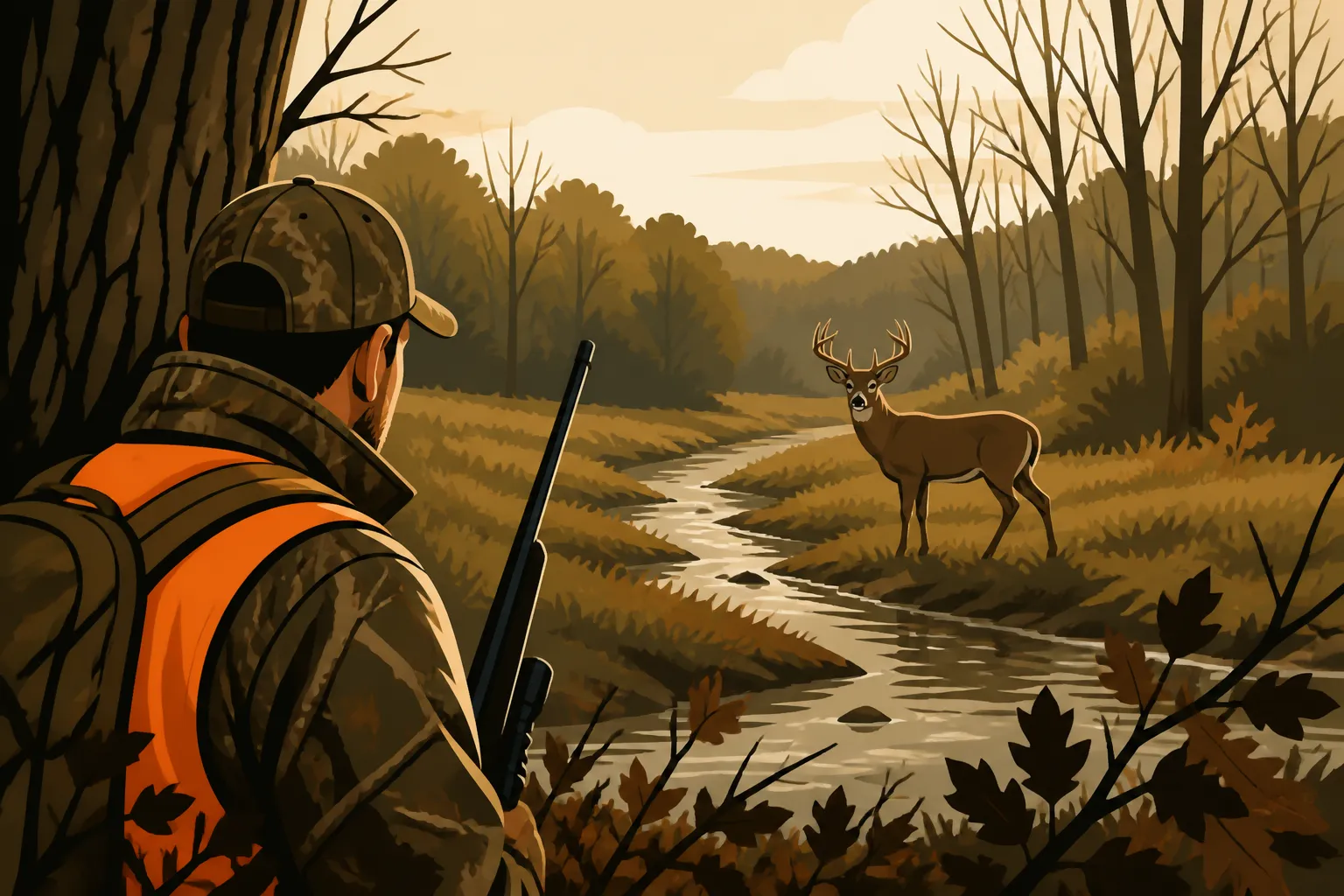
Sometimes, the most effective "stand" is no stand at all. Still-hunting, which is essentially a very slow, methodical stalk, can be incredibly productive along creek bottom edges. This involves moving at a snail's pace, often taking just a few steps every five to ten minutes, and spending most of your time observing. Use your binoculars to meticulously pick apart the dense cover. Look for horizontal lines that betray a deer's back, a patch of brown that seems out of place, or the subtle flick of an ear.
Always work into the wind or with a favorable crosswind, using the natural noise of the flowing water to help mask your subtle movements. Focus on the transition zones: where the creek bottom slightly widens, where a small drain enters, or where the dense thicket gives way to slightly more open hardwoods. These are the spots where deer are most likely to be moving slowly, browsing, or pausing. This method is an excellent adaptation of techniques like Still-Hunting South Georgia Pine Flats, modified for the unique topography and vegetation of a creek system.
This tactic demands extreme patience and a keen eye. You're trying to blend into the environment, moving with the same caution a deer would. More often than not, the deer you spot will be bedded down or slowly browsing. Being able to see them before they see you is the ultimate challenge and reward.
Utilizing Grunts and Rattling Racks
While the peak of the rut is long gone, late-season bucks can still be responsive to calling, though often in a more subtle way. A soft, inquisitive grunt can sometimes pique a buck's curiosity, especially if he's a mature animal that feels unchallenged. Don't overdo it; a few quiet grunts, mimicking a contented deer or a lost doe, are often more effective than aggressive rut calls. The goal isn't to draw him in for a fight but to make him think another deer might be nearby, possibly a late-cycling doe. This nuanced approach is informed by understanding Grunt Calls in Mature Georgia Hardwoods.
Rattling can also work, but again, subtlety is key. Instead of crashing antlers together like two titans fighting, try light ticking or gentle sparring sounds. This mimics younger bucks or casual interactions, which might appeal to an older buck curious about what's going on, or a lonely buck looking for company. However, always assess the pressure in the area. If deer have been heavily hunted, aggressive calling might scare them away.
Timing is also critical. Try calling during a lull in movement, perhaps after the initial morning push or just before the evening activity starts. Pair your calling with good concealment and a favorable wind. The effectiveness of these calls often hinges on understanding the subtle shifts in deer behavior during Hunting the Late-Season January Rut Lull. When deer are focused solely on survival, a familiar sound can sometimes override their caution, drawing them just close enough for a shot.
Disclaimer
Hunting is an inherently dangerous activity. Always prioritize safety by adhering to all local, state, and federal hunting regulations. Ensure you have the proper licenses and permits, wear appropriate blaze orange when required, and are familiar with your equipment. Always inform someone of your hunting location and expected return time.