Hunting the Extended Southwest Georgia Season
That familiar feeling of the deer season winding down can hit hard, can't it? Just when you feel like you've got the deer patterned or finally found that perfect stand location, the calendar flips, and most of Georgia's whitetail opportunities come to an end. But for those in the know, there's a special gift waiting in the southern reaches of our state: the extended Southwest Georgia season. This guide is all about helping you understand and make the most of those precious extra weeks of deer hunting, giving you a chance to fill your freezer or even tag that elusive late-season buck.
Unpacking the Southwest Georgia Extended Season
When the statewide firearms season wraps up, many hunters hang up their gear, resigned to waiting until next fall. But down in the agricultural heartland of Southwest Georgia, the deer season gets a special extension, often running well into January. This isn't just a casual add-on; it's a strategic move by the Georgia Department of Natural Resources (DNR) to manage deer populations effectively in an area where agricultural damage can be significant and deer numbers remain robust. For hunters, it means a unique opportunity to keep pursuing whitetails when most other folks are just dreaming of next season.
Which Counties Are Included in the Extended Season?
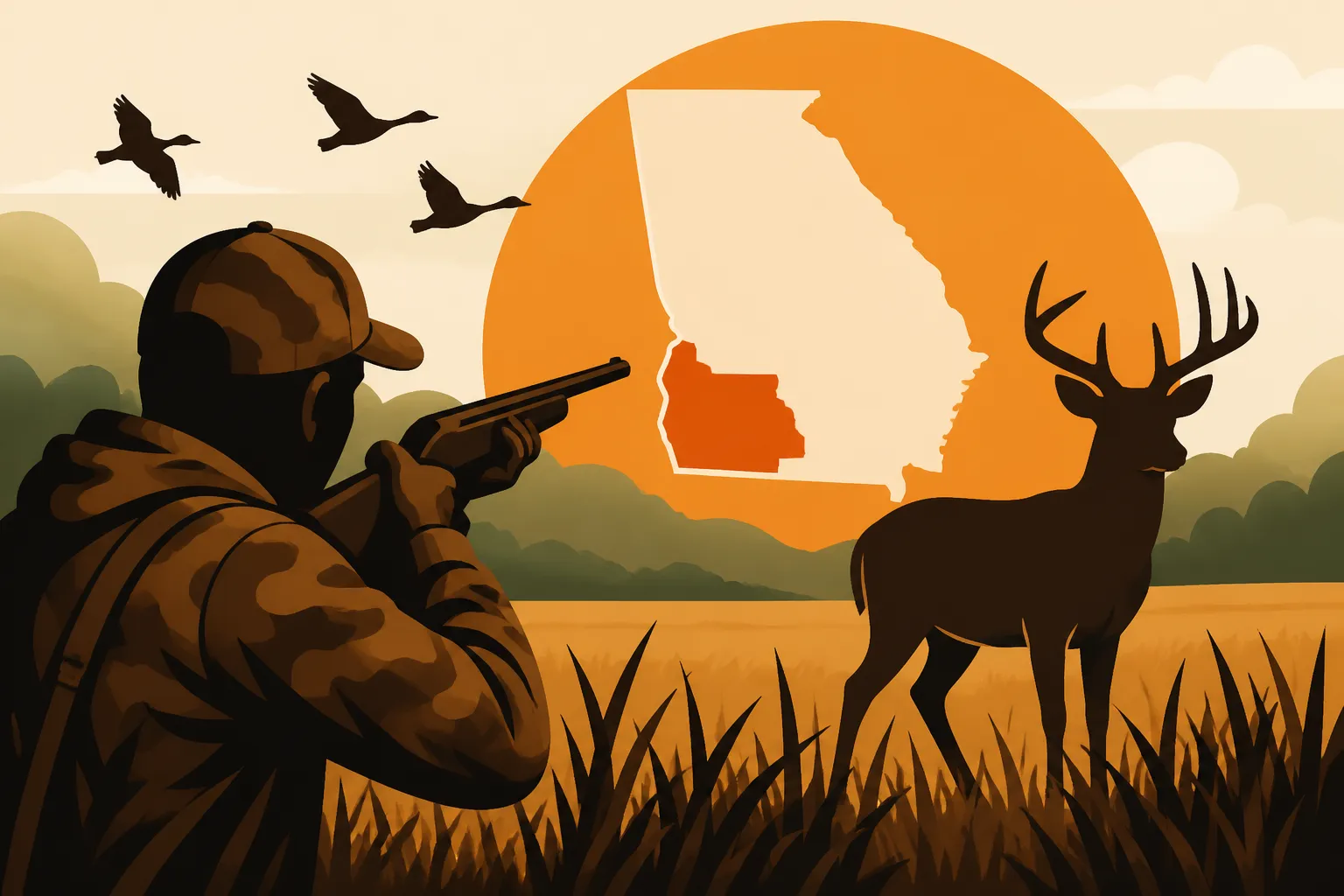
The extended season isn't a blanket rule for the entire southern half of the state. It's specifically tailored to a cluster of counties in Southwest Georgia, primarily those with extensive agricultural operations. Think of counties like Grady, Mitchell, Colquitt, Brooks, Thomas, Miller, and Decatur, though the exact list can shift slightly year to year based on deer population assessments and agricultural impact data. These are typically flat-to-gently-rolling landscapes dominated by massive peanut, cotton, corn, and pecan fields, broken up by pine plantations, river bottoms, and hardwood drains. This agricultural abundance creates a deer paradise, allowing populations to thrive, which in turn necessitates a longer hunting season to help balance numbers. Before planning your hunt, always double-check the current Georgia DNR regulations to confirm the specific counties included and their exact end dates for the season.
Why Does Southwest Georgia Get an Extension?
The rationale behind the extended season in Southwest Georgia boils down to two primary factors: deer population management and mitigating agricultural damage. The fertile soils and abundant food sources from large-scale farming in this region support some of the densest deer populations in Georgia. When deer numbers get too high, they can cause significant crop losses for farmers, impacting livelihoods and the state's economy. The extended season provides hunters with additional time to harvest deer, particularly antlerless deer, which helps reduce the overall population and alleviate pressure on agricultural resources. It’s a pragmatic approach that benefits both wildlife management goals and the agricultural community. This also means that for hunters, there's often a greater chance to exercise their full Georgia's Twelve-Deer Bag Limit in these counties.
Key Dates and Regulations Beyond the Statewide Season
While the regular statewide firearms season typically concludes around the second Sunday in January, the extended Southwest Georgia season usually stretches for another two to three weeks past that. This can push deer hunting opportunities well into the latter half of January, sometimes even overlapping with early small game seasons. It’s a fantastic bonus, but it's crucial to be absolutely clear on the specific dates for the current year. The standard antlered buck limits (typically two per season) still apply, but the focus during this extended period often shifts towards antlerless deer to meet population management objectives. Hunters must possess the appropriate Georgia hunting licenses and big game permits. Always remember to perform your deer harvest reporting through the Georgia Game Check system within 24 hours of harvest, just as you would during the regular season. For a complete understanding of the full timeline, consult the official guide on When the Extended Southwest Season Ends.
Decoding Late-Season Deer Behavior
By the time the extended season rolls around, deer behavior has undergone significant changes from the early fall or even the peak rut. The intensity of hunting pressure, declining natural food sources, and the onset of colder weather all play a role in shaping how whitetails move, feed, and interact. Understanding these shifts is paramount to success in these final weeks of the season. Forget your mid-October rut tactics; this is a different ballgame entirely.
The Secondary Rut and Post-Rut Patterns
While the primary rut in Georgia typically peaks in mid-October, there can be a "secondary rut" in late December and January. This usually involves younger does that weren't bred during the first go-around, or mature does that re-entered estrus. It's not the frantic, widespread activity you see in the fall, but it can still spark some unexpected buck movement. Older bucks that are still holding antlers might be cruising, albeit more cautiously, looking for these last receptive does. However, for the most part, deer are transitioning into a post-rut survival mode. Bucks are exhausted, having depleted significant energy reserves during the breeding season. Their focus shifts from chasing does to replenishing fat stores and finding reliable food and secure cover to recover. This means their movements become more predictable, heavily dictated by sustenance and security, rather than breeding. You might find some useful comparisons to general behavior in Hunting the Rut in Mid-October, but always adjust for the colder, later context.
Critical Food Sources in January
Natural food sources that were abundant in early fall have likely been depleted by January. Acorns are long gone, most soft mast is a distant memory, and many agricultural fields have been harvested. This makes identifying remaining food sources the absolute cornerstone of your late-season strategy. In Southwest Georgia, this often means focusing on the unharvested corners of agricultural fields (like peanuts, corn, or soybeans), winter food plots (clover, winter wheat, oats, brassicas), and browse in river bottoms or regenerating clear-cuts. Pecan orchards can be a goldmine if nuts are still on the ground. Deer will be actively seeking high-energy foods to carry them through the colder weeks. Learning to read the land for these late-season buffets is a skill that pays off handsomely. To dive deeper into what deer are looking for at this time of year, check out Late-Season Food Sources for Georgia Whitetails.
Pressure and Pushing Deer
By mid-January, deer in most areas of Southwest Georgia have been hunted hard for several months. They've heard countless gunshots, smelled human scent, and encountered hunters repeatedly. This sustained pressure makes them incredibly wary. Daylight movement, especially by mature bucks, becomes minimal. They'll often move from bedding areas to food sources under the cover of darkness or during the absolute dimmest hours of dawn and dusk. This means your entry and exit routes to and from your stand need to be meticulously planned to avoid detection. Pushing deer or making unnecessary noise will often send them nocturnal, making your hunt exponentially harder. Hunters need to be patient, subtle, and hyper-aware of their impact on the deer's environment. The deer have been educated, and a truly successful hunt now requires outsmarting them on their terms.
Tactics for Success in the Extended Season
Hunting the extended Southwest Georgia season demands a shift in tactics from the earlier parts of the year. The deer are different, the landscape has changed, and the conditions are often colder. Adapting your approach to these realities is what separates those who fill their tags from those who just shiver in a stand. It's about precision, patience, and paying close attention to the smallest details.
Focusing on Food and Cover
With food being the primary driver of deer movement in the late season, your focus should be squarely on identifying and hunting these crucial resources. Start by scouting for unharvested agricultural fields or well-maintained winter food plots. Look for signs of heavy feeding: trampled vegetation, fresh droppings, and distinct travel trails leading into and out of these areas. Once you've located a food source, the next step is to find the nearest secure cover where deer are bedding. This could be a dense pine thicket, a cypress swamp, a grown-up clear-cut, or a thick river bottom. Deer will typically bed close to food, minimizing their travel time in open areas, especially in daylight. Your goal is to intercept them along these travel corridors or, if conditions allow, to set up near the food source itself during the last hour or two of daylight. It's a game of connecting the dots between dinner and bed.
Strategic Stand Placement
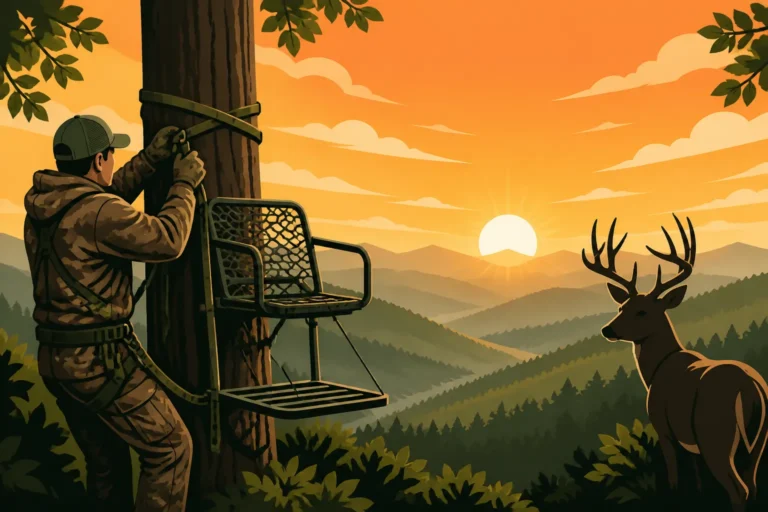
Given the increased wariness of deer and the emphasis on food and cover, strategic stand placement becomes even more critical during the extended season. Consider using ground blinds brushed into field edges or natural funnels, especially if the wind allows for a subtle approach. For treestands, focus on pinch points, creek crossings, or areas where two different types of cover meet, creating a natural travel lane. Remember that deer are looking for security, so finding a travel route that offers some overhead cover or dense vegetation along its edges can be highly productive. With fewer leaves on the trees, concealment can be tougher, so a ground blind offers excellent cover. Pay very close attention to your entry and exit routes – you want to get to your stand without bumping deer or leaving a scent trail that spooks them before you even settle in. For colder sits, a good ground blind can also provide welcome protection from the elements, as discussed in Cold-Weather Sitting Strategy in a Georgia January.
Leveraging Weather Changes
January weather in Southwest Georgia can be highly variable, but any significant change, especially a cold front, can spur deer activity. A sudden drop in temperature, particularly after a warm spell, often motivates deer to feed more heavily to maintain body temperature. Overcast days, light rain, or even a soft drizzle can sometimes keep deer on their feet longer into the morning or bring them out earlier in the afternoon, as it can mask human scent and sound. Conversely, clear, bright, and frigid days might see deer moving less during daylight hours, preferring to conserve energy in thick cover. Always check the forecast and plan your hunts accordingly. A strong north wind after a front can be excellent for driving deer, or for still-hunting into. For more insights on how these weather patterns affect deer, explore Hunting Deer After a Georgia Cold Front.
Gear and Planning for Southwest Georgia's Unique Challenges
The extended Southwest Georgia season isn't just about different tactics; it often calls for specific gear considerations and meticulous planning to ensure comfort and success. From staying warm and dry to effectively scouting the terrain, being prepared for the unique conditions of late-season hunting in this region is vital.
Essential Clothing and Comfort
January in Southwest Georgia might not bring blizzards, but it can certainly deliver cold mornings, especially in open agricultural areas, often followed by surprisingly mild afternoons. Layering is absolutely non-negotiable. Start with a good moisture-wicking base layer, add insulating layers like fleece or merino wool, and top it off with a quiet, windproof, and waterproof outer shell. Expect dampness, whether it's morning dew, light rain, or humidity in the air. Good quality Rubber Boots for Swamp Walking are often a wise choice, even if you're not in a true swamp, as they keep your feet dry when crossing ditches or dew-laden fields. Hand warmers, a warm hat, and insulated gloves are also critical for long, cold sits. Remember, discomfort leads to movement, and movement scares deer.
Scouting and Mapping Tools
Even if you're familiar with an area, late-season scouting is crucial. The landscape changes dramatically once crops are harvested, exposing new travel corridors and changing bedding areas. Aerial imagery, available through modern mapping applications, is your best friend here. Services like GoHunt allow you to dissect aerial imagery, identify potential food sources (even after harvest, you can spot unpicked rows or green plots), map out thick cover, and plan your entry and exit routes. Look for subtle changes in elevation, pinch points, and funnel areas that might become more apparent without leaves on the trees. Ground scouting to confirm these observations, especially looking for fresh tracks and droppings around remaining food sources, is also essential. Before you even think about setting foot in the woods, a good mapping tool is your best friend. Services like GoHunt allow you to dissect aerial imagery, identify potential food sources (even after harvest, you can spot unpicked rows or green plots), map out thick cover, and plan your entry and exit routes. You can find more detail on this in Scouting Georgia Public Land Before Season. For a deeper dive into interpreting maps, particularly in less varied terrain, also consider insights from Reading Aerial Photos for Piedmont Deer.
Understanding Public Versus Private Land Access
Southwest Georgia is predominantly private land, with vast agricultural holdings and timber plantations. Gaining access to private land often involves knocking on doors, securing a lease, or joining a hunting club. However, there are also public hunting opportunities available on Wildlife Management Areas (WMAs) and Voluntary Public Access (VPA) properties managed by the Georgia DNR. When you're trying to locate public access within these counties, GoHunt can be invaluable for identifying WMA boundaries and VPA parcels, allowing you to plan your hunt efficiently. Be aware that public lands might experience higher pressure, especially on weekends, so scouting for less-traveled areas is key. Always respect property boundaries, whether hunting private or public land, and ensure you have explicit permission if on private acreage.
Maximizing Your Opportunity and Ethical Considerations
The extended Southwest Georgia season provides a fantastic opportunity, but it also comes with responsibilities. Maximizing your success means not only understanding deer behavior and adapting tactics but also adhering to ethical hunting practices and being prepared for all scenarios.
Filling Your Tags Responsibly
With Georgia's generous Georgia's Twelve-Deer Bag Limit, the extended season offers a great chance to fill your freezer, especially with antlerless deer. Harvesting does is a critical component of deer management, particularly in high-population areas like Southwest Georgia. If you're focused on meat, these extra weeks can be incredibly productive. Remember to identify your target clearly, ensuring it's an antlerless deer if that's your goal, and make a clean, ethical shot. Don't feel pressured to hold out for a buck if the opportunity for a healthy doe presents itself; sustainable harvest is key to maintaining healthy deer populations.
Overlap with Other Seasons
Another benefit of the extended season is its potential overlap with other hunting opportunities. Feral hogs are prolific in Southwest Georgia and can be hunted year-round without a bag limit on private land. Encountering hogs while deer hunting is common, and having the option to harvest them can be a great bonus. Some areas also see small game seasons still open. Just be sure to check the specific regulations for each species and county. Having the versatility to target hogs can add an exciting dimension to your late-season deer hunt, and you can learn more about this in Hunting Hogs Alongside Any Other Georgia Season.
Post-Harvest Care in Potentially Warmer Weather
While January can bring cold snaps, Southwest Georgia is known for its mild winters, and temperatures can often climb into the 50s or even 60s, especially in the afternoon. This means that even in January, proper post-harvest care is crucial to preserve your venison. Field dress your deer as quickly as possible to allow the carcass to cool. If temperatures are mild, consider using game bags and getting the deer to a cooler or processing facility promptly. Don't underestimate how quickly meat can spoil in Georgia's humidity, even in winter. Carrying a good cooler with ice, or having a plan for immediate processing, is a smart move for any late-season hunter.
Southwest Georgia Extended Deer Season Key Info
To help visualize some of the key aspects of the extended season, here's a brief overview. Always confirm specifics with the Georgia DNR's current regulations.
| Feature | Typical Statewide Season | Southwest Georgia Extended Season |
|---|---|---|
| End Date (Firearms) | Mid-January | Late January |
| Primary Focus | Rut, General Harvest | Post-Rut, Food, Antlerless Deer |
| Deer Pressure | High | Very High, Deer are Wary |
| Dominant Terrain | Varied | Agricultural fields, Pine, Swamp |
| Key Food Sources | Acorns, Food Plots | Unharvested Crops, Winter Plots |
| Hunter Opportunity | Ends Mid-Jan | Bonus 2-3 Weeks |
Remember, while this table provides a general guide, the specific dates and counties for the extended season are subject to change by the Georgia DNR, so always consult their most recent regulations. Many hunters find success by utilizing the advanced filters in platforms like GoHunt to pinpoint agricultural fields, timber cuts, and other promising habitats in these extended-season counties. And don't forget to double-check regulations; while GoHunt offers fantastic mapping, the official Georgia DNR site is your source for legal dates.
Disclaimer
Hunting is an inherently dangerous activity. Always prioritize safety, understand and follow all Georgia Department of Natural Resources (DNR) hunting regulations, and obtain appropriate licenses and permits before heading afield. This guide provides general information and should not replace official regulatory documents or professional training. The author and publisher are not responsible for any accidents, injuries, or legal infractions that may occur.