Hunting Pressure on Georgia Public Land
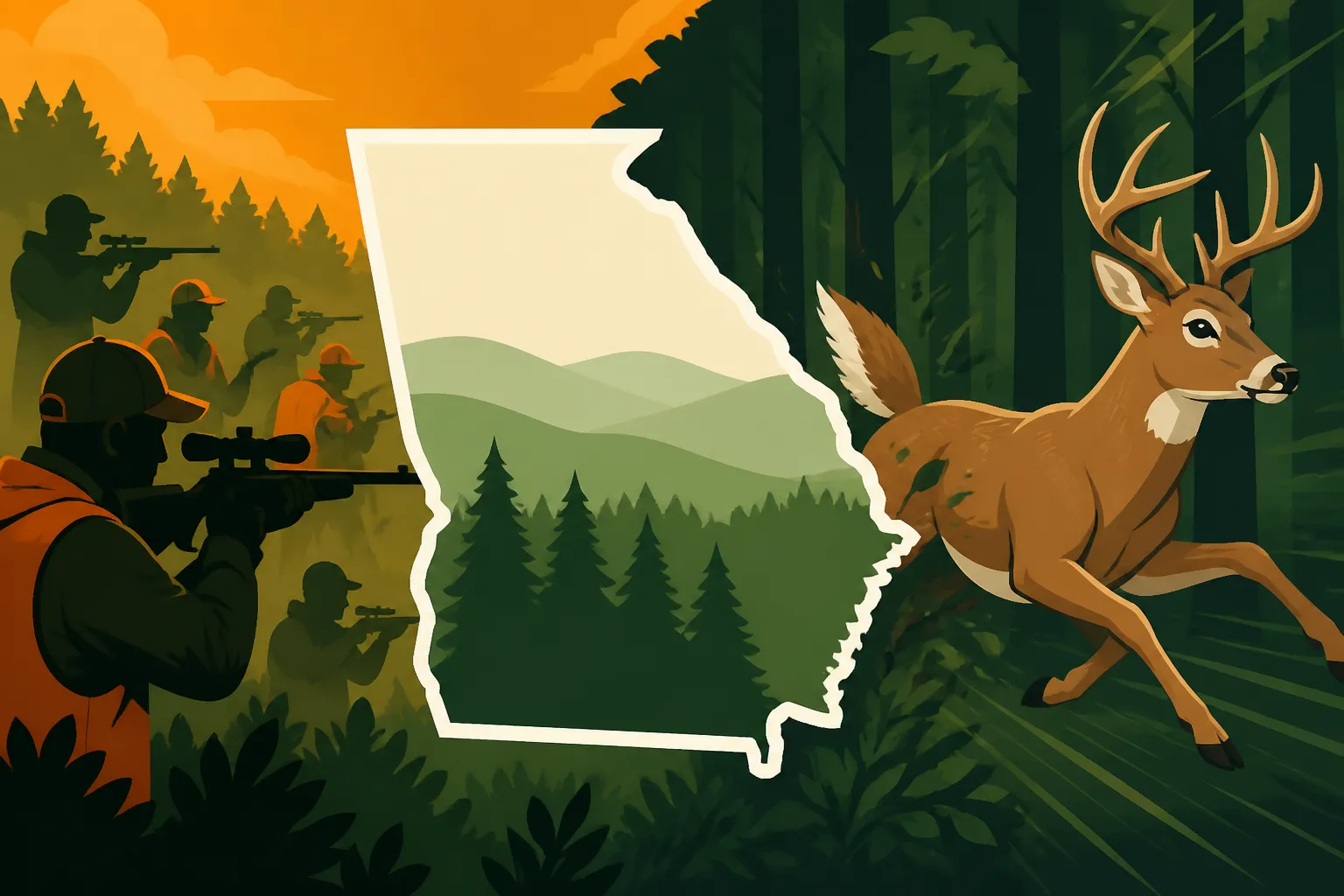
It’s a familiar scenario for many Georgia hunters: you’ve scouted, you’ve planned, you’ve put in the legwork, only to arrive at your favorite public land spot on opening morning and find three other trucks already parked there. The dream of a solitary hunt quickly fades into the reality of shared woods and pressured game. This guide is all about navigating that challenge, understanding why public land feels crowded, and equipping you with the strategies to find those elusive, less-pressured pockets in Georgia’s vast public hunting grounds.
Understanding the Reality of Public Land Pressure in Georgia
Let's be honest, hunting public land in Georgia can sometimes feel like trying to find a quiet corner at a tailgate party. It’s not just your imagination; there’s real pressure out there, and understanding why is the first step to hunting smarter, not harder.
Why Public Land Gets Crowded
The reasons for crowded public lands are pretty straightforward, and they're only becoming more pronounced as our state grows. Firstly, Georgia is a state with increasing population density, especially around metro areas. More people mean more hunters, and not everyone has access to private land. The cost of leasing private hunting ground has skyrocketed in recent years, pushing more and more eager outdoorsmen and women onto the state's wildlife management areas (WMAs) and national forests. When you factor in the sheer volume of hunters who have few other options, it’s easy to see why finding solitude can be tough.
Think about it: many of us work demanding jobs, have families, and can only carve out a few days a season. Those limited days often fall on weekends or holidays, precisely when everyone else is out there too. This convergence creates bottlenecks at popular access points, frustrating hunters who just want a peaceful experience. It's a completely valid frustration to feel like your favorite spot is constantly being encroached upon. While Georgia has a good amount of Public Hunting Land in Georgia, not all of it is equally accessible or appealing, naturally concentrating hunters into certain areas.
When and Where Pressure Peaks
Hunting pressure isn't uniform; it ebbs and flows throughout the season and varies wildly depending on the location. Predictably, opening weekends for deer, especially the statewide firearms season, are absolute magnets for hunters. You'll see trucks lined up down the road, and it can feel like a small army has descended on the woods. Holidays like Thanksgiving and Christmas also draw significant crowds, as people take time off work and school.
Geographically, public lands that are easily accessible, have well-maintained roads, or are located close to major population centers will almost always experience higher pressure. Areas within the Chattahoochee-Oconee National Forest Hunting that are close to towns, or popular Georgia Wildlife Management Areas like Clybel WMA or Big Lazer Creek WMA, tend to see a lot of foot traffic. These are the places where hunters can quickly get in, set up, and be back home without a multi-day expedition. While convenient, this convenience comes at the cost of increased competition and more wary game. Understanding these patterns is critical; it’s not about avoiding public land entirely, but about knowing when and where to apply different strategies.
Scouting and Adapting to High-Pressure Areas
Just because an area sees a lot of hunters doesn't mean it's unhuntable. It just means you need to be smarter and more strategic. Think of it as a chess match against both the game and, to some extent, other hunters.
Pre-Season Reconnaissance is Key
Your hunting season truly begins long before opening day, especially on public land. Effective pre-season reconnaissance is your biggest weapon against hunting pressure. Forget just driving around; we're talking about deep dives into maps and satellite imagery. Tools like GoHunt or onX Hunt are incredibly valuable here. You can spend hours poring over aerial photos, looking for subtle terrain features that might deter other hunters but attract deer. Steep ridges, dense swamps, thick clear-cuts, or areas with limited road access are goldmines.
Look for pinch points, hidden water sources, old logging roads that have grown over, or even small, isolated patches of public land that are surrounded by private property. These are the places that often get overlooked because they require a bit more effort to access. Identifying these spots before the season even starts means you already have a plan to get away from the crowds. Pay attention to changes in vegetation, potential bedding areas that are tucked away, and natural funnels that could concentrate deer movement, much like you would when Scouting Georgia Public Land Before Season. The more details you can gather from your couch, the more efficient your in-person scouting will be.
The Art of the Deeper Dive
Once you've identified potential low-pressure areas on your maps, it's time to hit the ground. The single most effective strategy for escaping pressure on public land is simply to walk further. Most hunters, understandably, have a comfort zone. They’ll walk a quarter-mile, maybe a half-mile, from the truck. If you can push yourself to go a mile, two miles, or even further into the woods, your chances of finding unpressured game increase dramatically. This isn't just about physical endurance; it's about commitment.
Consider accessing areas from less obvious points. Instead of parking at the main WMA entrance, look for small, unmarked pull-offs that might require a longer walk through less-than-ideal terrain. Sometimes, simply walking a few hundred yards off a main trail into a dense thicket is enough to shed 90% of the hunting pressure. Remember, deer and other game are acutely aware of human presence. They will often seek refuge in the nastiest, hardest-to-reach cover. If you’re willing to go there, you’ll find them. This approach is particularly effective in places that might require a good understanding of How Far to Walk From a Forest Road to truly get away from the crowds.
Adjusting Tactics for Pressured Game
Pressured deer behave differently than unpressured deer. They become more nocturnal, more wary, and quicker to flee. This means your tactics need to adapt. Instead of focusing on open food sources during daylight, concentrate on bedding areas and the thick cover immediately surrounding them. Hunt the transition zones where deer feel safe leaving their beds but haven't fully committed to an open feeding area.
Consider hunting later in the morning or throughout the midday, when many other hunters have gone back to camp or are taking a break. Deer often move during these quieter times, especially if they’ve been bumped earlier. Evening hunts, particularly if you can get deep into a secluded area, can also be highly productive. Think about using a ground blind that's well-brushed in and allows for minimal movement, especially in areas where you anticipate deer to be on high alert. Positioning yourself along escape routes or subtle funnels – like a narrow strip of timber between two swamps or a low saddle on a ridge – can intercept deer moving to avoid other hunters. This is where understanding how to effectively hunt a Hunting a Funnel Between Two Swamps can pay dividends.
Strategies for Finding Unpressured Pockets
Finding a truly unpressured gem on Georgia's public lands requires a combination of smart planning, hard work, and a willingness to embrace conditions others avoid.
Utilizing Overlooked Habitat
Deer, hogs, and turkeys on public land are masters of evasion. They instinctively gravitate towards habitat that humans find difficult or unpleasant to traverse. This includes vast swamps, impenetrable thickets, dense pine plantations, and brutally steep terrain. Don't shy away from these areas. Instead, embrace them. A large, boggy swamp might seem like a nightmare to walk through, but it's often a sanctuary for big bucks. Knowing how to effectively navigate and hunt Hunting Georgia Swamp and River Bottom Deer can give you a significant edge.
Clear-cuts, especially those a few years old that have grown into dense, thorny jungles, are another prime example. While difficult to move through, they offer incredible cover and browse for deer. Many hunters avoid them, but if you can identify pockets within these clear-cuts or find natural travel corridors along their edges, you can find success. Similarly, steep, rocky ridges in North Georgia, especially if they are far from main roads, can hold deer that rarely see human activity. Mastering how to move quietly and efficiently through these overlooked habitat types is crucial.
Timing Your Hunts for Success
Beyond the initial rush of opening day and holidays, the pressure on public land often decreases significantly. If your schedule allows, hunting mid-week is a game-changer. Tuesday, Wednesday, and Thursday hunts will almost always offer a quieter experience than Friday, Saturday, or Sunday. The woods simply feel different, and game animals are more likely to move naturally.
Bad weather can also be your best friend. A cold, rainy day, or even a surprisingly chilly morning, will send many fair-weather hunters packing. While uncomfortable for you, these conditions often stimulate deer movement and create opportunities. Dress appropriately, bring good rain gear, and commit to being out there when others won't. Late season, particularly in January when the initial excitement has worn off and many hunters have filled their tags or given up, can also be incredibly productive for finding mature deer, as they begin to move more freely searching for scarce food sources.
Thinking Beyond the Obvious
Sometimes, the unpressured spots aren't deep in the wilderness, but rather in plain sight, just overlooked. Look for smaller, disconnected parcels of public land that might be sandwiched between private properties. These little islands of public access often get ignored because they aren't part of a massive WMA or national forest, but they can hold resident deer that rarely see pressure. Using an app like GoHunt with its robust public/private land layering feature can help you pinpoint these small, hidden gems.
Don't discount areas that look "too open" or "too thick" on a map. What looks like an impenetrable mess might have subtle deer trails weaving through it. What appears to be an open pine stand might have a small, overlooked creek bottom or a cluster of oaks holding acorns. It's about questioning conventional wisdom and being willing to explore. Sometimes, the most successful hunters are the ones who are willing to go where no one else does, even if that means navigating dense brush to Finding Ground Others Walk Past.
Dealing with Other Hunters and Ethical Considerations
While the goal is to find unpressured game, it's inevitable that you'll encounter other hunters on public land. How you respond and behave makes a big difference in everyone's experience.
Sharing the Resource Respectfully
It’s easy to get frustrated when another hunter walks through your setup or parks near your intended spot. We’ve all been there. However, remember that public land is for everyone. While frustrating, a respectful attitude goes a long way. If you encounter another hunter, a friendly wave or a quiet acknowledgment is usually sufficient. Avoid confrontational behavior. If someone is clearly infringing on your space, it’s often better to quietly relocate than to escalate.
Hunter etiquette also means being mindful of your own impact. Don’t leave trash, don’t damage trees or property, and always retrieve your game cleanly and efficiently. Respect boundaries, both marked and implied. If you see a stand or blind already set up, assume it's occupied or claimed for the day and move on. The more we, as hunters, demonstrate respect for each other and the land, the better the overall experience for everyone.
Safety First in Crowded Woods
When you're hunting in areas with high human activity, safety becomes paramount. Always wear your Georgia Blaze Orange Requirements during firearms season, even if you’re bowhunting, to ensure you’re highly visible to others. Make sure you know where other hunters are likely to be, and always be absolutely certain of your target and what lies beyond it before taking a shot.
This means being extra cautious with shot angles and avoiding risky shots where you can't guarantee a safe backdrop. Communication is key if you’re hunting with a group. If you're on a deer drive on public land, ensure everyone knows the plan and their designated positions. In high-pressure situations, sound travels far, and you might hear other hunters moving or shooting. Use this information to inform your safety decisions and adjust your position if needed. Being aware of your surroundings is not just about spotting game; it’s about ensuring everyone gets home safe.
| Strategy Type | Pressure Point Addressed | Key Action | Tools to Use | Expected Outcome |
|---|---|---|---|---|
| Scouting & Intel | Crowded popular areas | Identify remote, difficult-to-access pockets | GoHunt, onX Hunt, aerial maps | Locate overlooked habitat and travel corridors |
| Physical Effort | Hunters sticking to easy access | Walk further, get off main trails | Good boots, comfortable pack | Find areas less disturbed by human presence |
| Timing | Weekend & holiday rush | Hunt mid-week, during bad weather, late season | Weather apps, hunting calendars | Encounter more natural game movement, less competition |
| Habitat Focus | Game avoiding human activity | Target thick cover, swamps, clear-cuts | Topographic maps, compass/GPS | Discover secure bedding and refuge areas for game |
| Adaptation | Wary, nocturnal game | Hunt transition zones, midday, escape routes | Treestands, ground blinds, patience | Intercept pressured game moving subtly |
Disclaimer
The information provided in this guide is for general educational purposes only and is not intended as legal advice. Hunting regulations and conditions in Georgia can change. Always consult the latest official Georgia Department of Natural Resources (DNR) regulations and local laws before planning any hunting trip. Stay safe and ethical in the field.