Shed Hunting on Georgia Public Land
If you've spent any time hunting deer in Georgia, you know the frustration of scouting a perfect spot, only to find it picked over or crowded. This feeling is often amplified when you switch gears from hunting game to hunting sheds, especially on our vast, diverse public lands. It feels like searching for a needle in a haystack, where the "haystack" is a million acres of pine, hardwood, and swamp. This comprehensive guide will walk you through the nuances of shed hunting on Georgia public land, offering practical advice and strategies to help you find those prized antlers.
Why Shed Hunting on Georgia Public Land is a Unique Challenge
Shed hunting isn't just a leisurely walk in the woods; it's an art form, especially when you're navigating the complexities of public hunting grounds in Georgia. Our public lands, while abundant, present a unique set of obstacles that make finding shed antlers a true test of patience and skill. Unlike private land, where deer patterns might be more predictable due to consistent food plots or less pressure, public land deer are constantly on the move, adapting to shifting hunting pressure and natural food sources.
High Hunter Pressure and Competition
One of the biggest hurdles on public land is the sheer volume of people who share your passion for the outdoors. During deer season, you're competing with firearms hunters, bowhunters, and even primitive weapons enthusiasts. Once the season wraps up, many of those same folks are lacing up their boots for a different kind of hunt: shed hunting. This means that prime areas, especially those near easy access points or well-known bedding zones, often get walked heavily shortly after bucks start dropping their antlers. It’s not uncommon to hit a promising area only to find boot prints everywhere, signaling that someone else has already beaten you to the punch. The early bird truly gets the shed here, and if you're not out there shortly after the drop, your chances diminish significantly. This competitive aspect requires you to think smarter, not just harder, about where and when you look.
Vast and Diverse Terrain
Georgia's public lands span an incredible range of ecosystems, from the rugged peaks and valleys of the Chattahoochee National Forest in the north to the sprawling pine forests and swampy lowlands of the Coastal Plain. Each terrain type presents its own set of challenges and opportunities for shed hunters. In the mountains, you're battling steep inclines, thick rhododendron thickets, and deep ravines, where an antler could easily disappear under a pile of leaves or roll down a hillside. Down south, you might be slogging through muddy bottoms, crossing cypress knees, or navigating dense palmetto patches. The sheer scale and diversity of these landscapes mean that a one-size-fits-all approach simply won't work. You need to understand the local habitat and how deer use it in the post-rut, winter months. This is where scouting intelligence becomes paramount; you can't just wander aimlessly.
When Georgia Bucks Typically Shed Their Antlers
Timing is everything when it comes to shed hunting. Head out too early, and the bucks are still carrying their crowns. Go too late, and other eager shed hunters or even small critters might have already claimed the prize. Understanding the rhythm of Georgia's whitetail deer is key to maximizing your chances.
Post-Rut Exhaustion and Nutritional Stress
The process of antler shedding is primarily driven by a drop in testosterone levels, which typically occurs a few weeks after the peak of the rut. In Georgia, the rut can vary significantly across regions, generally peaking in mid-October in many areas, but extending well into November and even December in parts of the Coastal Plain. After the intense breeding period, bucks are often exhausted, having spent most of their energy chasing does, fighting rivals, and barely eating. Their body condition deteriorates, and as food sources become scarcer in late winter, this nutritional stress further contributes to the drop in testosterone.
For most of Georgia, you can expect bucks to start shedding in late January and continue through February. Some older, healthier bucks might hold onto their antlers longer, occasionally into early March. However, on public land, where deer populations can be a bit more stressed and food sources less controlled than on private tracts, some bucks might shed a bit earlier. Keep a close eye on local conditions and start looking for early indicators like bucks with a single antler or noticeable signs of recent dropping. This is where local knowledge and trail camera intel from the previous season can really pay off. For more on this, check out our guide on When Georgia Bucks Shed Antlers.
Impact of Weather and Food Availability
While testosterone levels are the primary driver, environmental factors like weather and food availability can certainly influence the exact timing of the shed. A harsh winter with prolonged cold snaps and deep freezes can put additional stress on bucks, potentially causing them to drop their antlers sooner as their bodies prioritize survival over holding onto bone. Conversely, a mild winter with abundant late-season food sources – think unharvested crops, mast, or persistent green browse – might allow bucks to maintain better body condition and hold their antlers a little longer.
Think about areas like agricultural fringes in the Piedmont or Coastal Plain. If there's still standing corn, soybeans, or peanuts, deer will be frequenting these spots, potentially holding their sheds longer than bucks in a heavily timbered national forest area with limited food. Pay attention to those Late-Season Food Sources for Georgia Whitetails when planning your shed hunting trips. The more comfortable the deer are, the less urgency their bodies have to shed those heavy antlers. This variability means there's no single "perfect day" for shed hunting across the entire state, but rather a window that opens and closes based on regional conditions.
Where to Focus Your Search on Georgia Public Land
The biggest question for any shed hunter on public land is, "Where do I even begin?" With thousands of acres to cover, you need a strategy. The key is to think like a deer, especially a deer that has just gone through the grueling rut and is now trying to recover while avoiding predators and conserving energy.
Bedding Areas and South-Facing Slopes
Deer, especially bucks post-rut, are looking for warmth, security, and proximity to food. During the late winter months, south-facing slopes in areas like the North Georgia Mountains become prime real estate. These slopes catch more sunlight, melt snow or ice faster, and often offer a slightly warmer microclimate. Bucks will bed here to soak up the sun, particularly on cold, clear mornings. Look for thick cover adjacent to these slopes – laurel thickets, young pine stands, or dense undergrowth – as deer will seek sanctuary there.
In the flatter regions, such as the Piedmont or Coastal Plain, bedding areas might be found in dense clear-cuts, thick palmetto swamps, or even small isolated islands of cover within a larger open area. These spots provide thermal cover and a sense of security. When scouting, focus on the edges of these thickets, as bucks often drop sheds right where they stand up from their beds. Pay close attention to trails leading into and out of these areas, as antlers can be dislodged as a buck navigates tight spaces or jumps over obstacles. Remember, deer are trying to conserve energy, so look for beds that offer both thermal advantage and easy access to a food source nearby. This is a critical piece of the puzzle, and often where the magic happens.
Travel Corridors and Fencelines
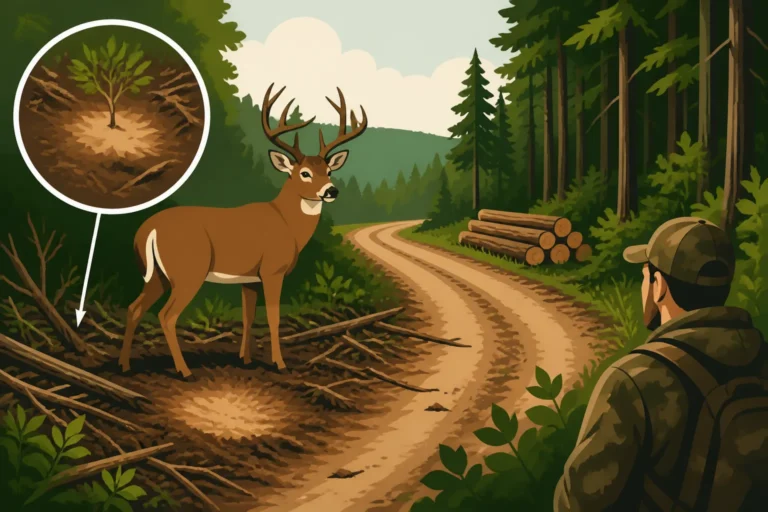
Deer are creatures of habit, and even post-rut, they'll often stick to established travel routes between their bedding areas and food sources. These corridors can be natural funnels like creek bottoms, saddles between ridges, or narrow strips of timber connecting larger blocks of woods. On public land, these might also include old logging roads, utility line clearings, or even well-worn game trails. The key is that deer use these paths frequently, increasing the chances of an antler dropping during transit.
Fencelines, especially those with barbed wire or low strands, are another hotspot. As a buck crosses or jumps a fence, the impact or snag can be enough to dislodge a loose antler. These are often overlooked areas, but can be incredibly productive, particularly on the periphery of public lands adjacent to private property. Remember that many public lands are nestled against private tracts, and a buck might be crossing a boundary fence regularly. Use mapping tools like GoHunt to identify these boundaries and potential crossing points. For more detailed insights on how deer use terrain, consider reading our article on Reading a Ridge for North Georgia Deer. Also, understanding how to use Reading Aerial Photos for Piedmont Deer can help you pinpoint these travel corridors from a bird's eye view before you even hit the woods.
Food Sources and Staging Areas
Once bucks have recovered from the rut, their primary focus shifts to rebuilding body mass, and that means eating. Identifying key winter food sources is paramount. In late winter, natural mast like acorns (if any remain) are still highly sought after. However, persistent green browse, young pine shoots, honeysuckle, or agricultural fields on the edges of public land become critical. Deer will spend significant time browsing and grazing in these areas.
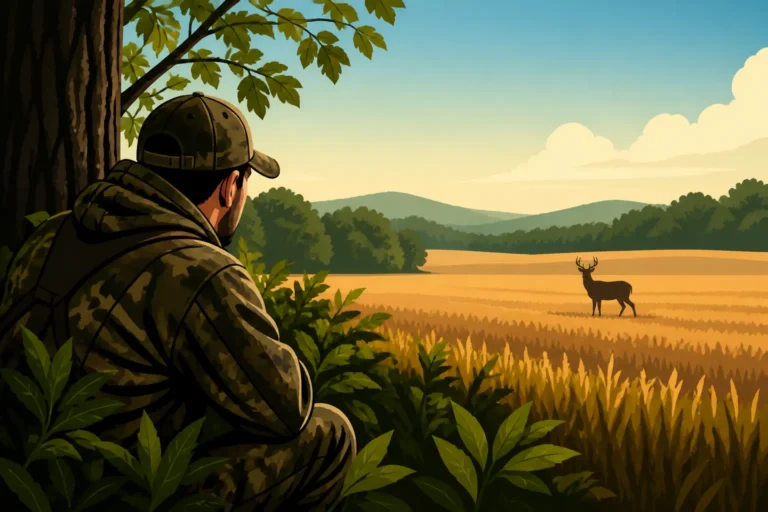
Look for staging areas just off these food sources – places where deer might mill around before moving into an open field or before bedding down. These areas often have higher concentrations of deer sign: rubs, scrapes (even if old), and droppings. Bucks might drop an antler while casually feeding or as they transition from feeding to bedding. If public land borders private agricultural fields, focus on the wooded edges where deer stage. Even if the actual field is private, the buffer zone is often public and will see heavy deer traffic. Knowing what the deer are eating can help you zero in on productive spots, and our piece on Late-Season Food Sources for Georgia Whitetails can offer some excellent pointers here.
Tactics and Gear for Successful Shed Hunting
Beyond knowing when and where to look, how you approach shed hunting can make a huge difference. It's about combining methodical searching with the right tools and a resilient mindset.
Grid Searching and Slow Walking
Unlike hunting, where stealth is paramount, shed hunting often benefits from a slower, more methodical approach. Once you've identified a promising area, whether it's a south-facing slope, a dense bedding thicket, or a transition zone, implement a grid search pattern. Walk slowly, scanning the ground not just directly in front of you, but from side to side, looking for anything that breaks up the natural patterns of leaves, sticks, and dirt. Antlers can blend in remarkably well, especially if they've been on the ground for a while and have started to weather. Look for the distinct curve of a tine, the color contrast, or the unique texture of bone.
It’s often helpful to walk with your head down, but occasionally glance up to reset your eyes and scan for larger areas. If you're hunting with a partner, spread out about 20-30 yards apart and walk parallel lines. This allows you to cover more ground efficiently and helps you spot antlers that might be obscured from a different angle. Don't be afraid to backtrack or double-check areas that feel "right." Sometimes an antler will only become visible from a specific vantage point. Take your time; rushing will only lead to missed opportunities.
Utilizing Mapping Apps and Technology
Modern technology has revolutionized the way we approach outdoor activities, and shed hunting is no exception. A good mapping app on your phone can be your best friend on Georgia public land. Apps like GoHunt provide detailed topographical maps, aerial imagery, and property line overlays, allowing you to accurately navigate vast tracts of land and ensure you're staying on public ground. You can mark potential bedding areas, food sources, and travel corridors you identified during your off-season scouting, creating a visual plan for your search.
Before heading out, download offline maps, as cell service can be spotty in many remote public land areas. Use the app to track your route, ensuring you cover ground thoroughly and don't double-back unnecessarily. Many apps also allow you to mark sheds you find, helping you identify patterns year after year. For a deeper dive into digital scouting, consider exploring our guide on Using the Georgia Outdoors App. This technology can greatly enhance your efficiency and reduce wasted effort, especially when you're searching huge areas like those found in How Many Acres of Public Land Georgia Has.
Essential Gear for the Shed Hunter
Just like any hunt, having the right gear can make your shed hunting experience more comfortable and productive.
- Good Boots: You'll be covering a lot of ground, often uneven and wet. Waterproof, comfortable boots are a must. In Georgia, with its diverse terrain and potential for swampy areas, something like Rubber Boots for Swamp Walking can be invaluable, especially in creek bottoms or low-lying areas.
- Snake Protection: Depending on the time of year and region (especially in South Georgia), snake boots or gaiters are a wise investment. Rattlesnakes and cottonmouths are present in many areas.
- Backpack: Carry water, snacks, a first-aid kit, and enough space for any antlers you might find. A small pair of binoculars can also be helpful for scanning distant fields or clearings, though less critical for close-range ground searching.
- GPS/Phone with Mapping App: As mentioned, essential for navigation and planning.
- Walking Stick/Trekking Pole: Great for stability on uneven terrain, pushing aside briars, and poking at suspicious shapes on the ground without bending over repeatedly.
- Blaze Orange: Even though deer season might be over, other activities like small game hunting, scouting, or even timber operations might be happening. Wearing blaze orange is a good safety practice on public land, making you visible to others. Georgia law does specify blaze orange requirements for certain hunting activities, so it's always smart to be safe.
- Bug Spray: Especially in warmer spells during late winter/early spring, mosquitoes, ticks, and chiggers can already be out in full force.
Shed hunting on public land in Georgia is a rewarding pursuit that connects you deeper with the land and the deer you pursue. It’s an extension of the hunting season, a chance to be in the woods without the pressure of a tag, and a fantastic way to scout for the upcoming year. If you're interested in refining your general scouting skills, definitely read up on Scouting Georgia Public Land Before Season to help you find more than just sheds. The insights you gain about deer movement and habitat use during shed season will pay dividends when deer season rolls back around.
| Public Land Type | Primary Terrain Focus | Optimal Shed Search Areas | Unique Challenges |
|---|---|---|---|
| National Forest | Mountains, mixed hardwoods, pine, thick understory | South-facing slopes, ridge saddles, creek bottoms, dense laurel | Steep terrain, thick cover, large areas, remote access |
| WMAs (Wildlife Mgmt) | Varies greatly (swamps, pines, hardwoods, ag fields) | Clear-cuts, food plots (if allowed), swamp edges, transition zones | Variable terrain, high pressure, specific WMA rules |
| VPA (Voluntary Public Access) | Agricultural fields, private timberland buffer zones | Field edges, fencelines, drainage ditches, small woodlots | Limited acreage, often heavily walked, potential for private land border issues |
| Piedmont Region | Rolling hills, mixed hardwoods, pine plantations, creek bottoms | Field edges, creek funnels, thick pine regeneration areas, saddles | Moderate pressure, fragmented habitat |
| Coastal Plain | Flat pine forests, cypress/tupelo swamps, vast timber | Swamp fringes, dense palmetto thickets, longleaf pine savannas, low-lying areas | Extreme humidity, dense vegetation, water hazards, insects |
Disclaimer
Please ensure you are familiar with all current Georgia Department of Natural Resources (DNR) regulations regarding public land access, activity restrictions, and any specific rules for Wildlife Management Areas (WMAs) or National Forests. Regulations can change, and it is your responsibility to be informed before heading into the field.