Checking a Georgia Deer Harvest Online
You've worked hard all season, scouting, sitting through those chilly Georgia mornings, and finally, connecting with a beautiful whitetail. It's a moment of immense satisfaction! But before you can fully relax and start thinking about venison recipes, there's one crucial step remaining: properly checking your deer. Navigating the rules and figuring out how to do it can sometimes feel like another hunt in itself, but checking your Georgia deer harvest online is actually a straightforward and absolutely necessary process that ensures you're compliant and contributing to vital wildlife management efforts.
Why Checking Your Deer Harvest Online is Crucial
Let's be honest, after the adrenaline rush of a successful hunt, dealing with paperwork or online forms is probably the last thing on your mind. You're thinking about the drag, the cooler, and getting that meat processed. But holding onto that excitement for just a little longer to properly report your harvest is more than just a formality; it's a legal requirement and a critical component of responsible hunting.
The Legal Obligation and Your Role
In Georgia, it's not enough to simply harvest a deer. You are legally required to report your harvest within 24 hours of the kill. This isn't just a suggestion; it's the law, and failure to comply can lead to penalties. The Georgia Department of Natural Resources (DNR) relies on every hunter to accurately and promptly report their deer. Think of it as your final contribution to the hunt – ensuring the data is correct.
This reporting system, often referred to as "Game Check," is how the state keeps tabs on the health and population dynamics of our deer herd. It might seem like just one deer, but when tens of thousands of hunters do their part, that individual piece of data becomes part of a massive, invaluable dataset. This is all laid out clearly in the official Georgia Deer Harvest Reporting Rules that every hunter should familiarize themselves with. You don't want to get caught off guard, especially with a ticking clock on that 24-hour window. Plus, knowing when your The Georgia Deer Reporting Deadline actually falls can save you a lot of headache.
Understanding Georgia's Deer Management
The information you provide when you check your deer online directly feeds into the Georgia DNR's wildlife management strategies. They use this data to understand crucial factors like deer density, buck-to-doe ratios, fawn recruitment, and the overall health of the herd across different regions. Imagine trying to manage a massive natural resource like Georgia's deer population without knowing how many are being harvested or where. It would be like trying to run a business without any sales figures!
By reporting your harvest, you're directly contributing to informed decisions about future hunting regulations, such as bag limits, season lengths, and even specific management areas. This data helps the DNR ensure sustainable hunting opportunities for generations to come, allowing them to track the Georgia Deer Population Estimate and make adjustments as needed. It's a testament to the fact that hunting isn't just about taking an animal; it's deeply intertwined with conservation.
Step-by-Step Guide to Online Deer Reporting
Okay, so you've got your deer, you've field dressed it, and now it's time to report. The online system is designed to be user-friendly, but having all your ducks in a row before you log in will make the process even smoother.
Before You Log In What You Need
Preparation is key, just like it is in the woods. Before you even open your browser or the Go Outdoors Georgia app, gather a few essential pieces of information. This will prevent you from scrambling around trying to remember details or find documents while you're in the middle of the reporting process. I've found that keeping a small notebook or using a digital hunting journal (many hunters, myself included, find tools like the GoHunt app incredibly helpful for keeping track of their hunting efforts throughout the season, and it's a great companion when you're preparing to report your harvest on the official Go Outdoors Georgia platform) can make this much easier.
Here’s a quick checklist of what you'll typically need:
| Required Information | Details |
|---|---|
| Hunter ID Number | This is usually found on your Georgia hunting license. |
| Date of Harvest | The exact day you harvested the deer. |
| County of Harvest | The specific county where the deer was taken. |
| Sex of Deer | Buck (male) or Doe (female). |
| Antler Points (if Buck) | If it was an antlered buck, count the points (at least 1 inch long). |
| Weapon Used | (e.g., Bow, Crossbow, Muzzleloader, Rifle, Shotgun, Handgun). |
| Tag Number (if applicable) | If you are using a paper tag system, though most is digital now. |
Remember, your Hunter ID is crucial, so make sure you have your current Georgia Hunting Licenses and What They Cost readily available. Most hunters simply carry a photo of their license on their phone these days, which works perfectly.
Navigating the Georgia Game Check System
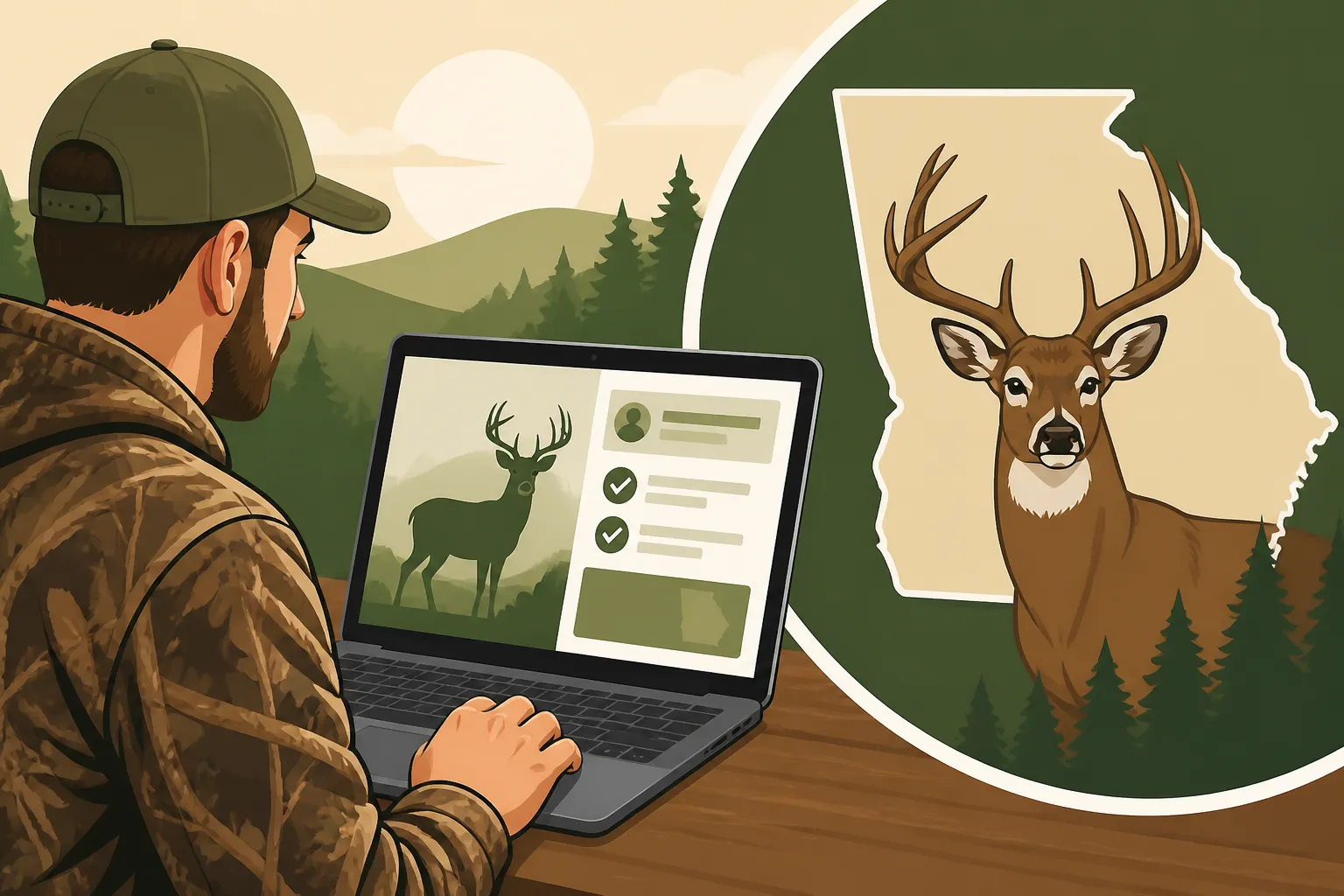
Once you have your information ready, it’s time to head to the official Go Outdoors Georgia website or open the Go Outdoors Georgia mobile app. Both platforms offer the same functionality for harvest reporting.
- Log In: You'll need your customer ID and password to access your account. If you don't have an account or have forgotten your credentials, there are usually prompts to help you recover or create them.
- Find the "Harvest Reporting" Section: Once logged in, look for a clearly labeled section like "Game Check" or "Harvest Reporting." It's usually prominently displayed.
- Select "Deer": The system will likely ask you to specify the species you harvested. Choose "Deer."
- Enter Details: This is where you'll input all the information you gathered in the previous step: date, county, sex, antler points (if a buck), and weapon used. Double-check everything for accuracy.
- Confirm and Submit: Before finalizing, the system will usually display a summary of your entry. Review it carefully. Once you're certain everything is correct, hit the submit button. You'll then receive a confirmation number. It's a good practice to write this number down or take a screenshot for your records. This confirmation is proof that you've fulfilled your legal obligation.
While the official Go Outdoors Georgia system is where you report, understanding your hunting area and historical data can really help. Many hunters find using a comprehensive mapping and data platform like GoHunt useful for planning their next move or tracking their successes. It integrates well with the outdoor lifestyle, giving you insights that can help you when it comes to the technicalities of reporting.
Common Mistakes to Avoid During Reporting
Even with the best intentions, it's easy to make a small error when reporting your deer. These mistakes can lead to inaccuracies in the state's data and potentially cause issues for you down the road.
- Incorrect County: Be absolutely sure you select the correct county where you harvested the deer. Sometimes property lines can be confusing, or you might be hunting near a county border. Use a GPS app like the Scouting With the Georgia Outdoors App to pinpoint your exact location if there's any doubt.
- Wrong Sex or Antler Count: Double-check if it was a buck or a doe. For bucks, count antler points accurately. Remember, a point must be at least one inch long to count.
- Missing the Deadline: That 24-hour window starts the moment you recover the animal. Don't procrastinate! Even if you're exhausted, take a few minutes to report before processing.
- Not Reporting at All: This is the most serious mistake and a direct violation of Georgia hunting laws. Every deer harvested, regardless of size or sex, must be reported.
- Reporting on the Wrong License/Account: If you're managing licenses for multiple family members, ensure you're logged into the correct account when reporting each harvest. This is particularly important during youth weekends or if you have an apprentice hunter.
Staying organized and taking your time during the reporting process will ensure accuracy and compliance.
Beyond Reporting The Benefits of Online Harvest Data
So, you’ve hit “submit” and received your confirmation number. You’ve done your part legally and for conservation. But the benefits of this system extend even further, offering insights that can directly impact your future hunting endeavors and deepen your appreciation for wildlife management.
Personal Record Keeping and Season Planning
The beauty of an online harvest reporting system is that it creates a digital record of your hunting history. You can often log back into your Go Outdoors Georgia account and review all your past harvests. This personal data can be incredibly insightful.
Think about it: by looking at your own Georgia Deer Harvest Records, you can start to identify patterns. Which counties have been most productive for you? What time of year are you most successful? Did you consistently harvest does in a particular area, suggesting a healthy population, or were bucks more prevalent? This information can help you refine your strategies for future seasons. For example, if you notice you consistently fill your antlerless tags early in the season, you might adjust your focus for the late season. Beyond just the official reporting, many dedicated Georgia hunters use platforms like GoHunt to keep detailed logs of their hunts, including weather conditions, stand locations, and deer observations, creating a rich tapestry of personal hunting analytics that complements the official harvest data. It's like having your own personalized hunting almanac!
Contributing to Wildlife Conservation
While we touched on this earlier, it's worth emphasizing the profound impact your individual report has on the larger picture of wildlife conservation in Georgia. Each piece of data helps the DNR fine-tune its management plans. For instance, if harvest numbers show a dip in a particular region, they might investigate habitat changes, disease outbreaks, or predator impacts. Conversely, if numbers are consistently high, it might indicate a thriving population that can support increased hunting opportunities.
This detailed data helps the state monitor for potential threats, like the spread of diseases. For instance, understanding deer movement and population health is critical in managing areas affected by Handling Venison From a CWD Management Area. The more accurate the data, the better equipped our wildlife biologists are to make decisions that protect Georgia's deer herd and ensure healthy, huntable populations for generations to come. Your act of checking a deer online isn't just about compliance; it's an active partnership in the ongoing effort to conserve Georgia's incredible natural resources.
Disclaimer
Please remember that hunting regulations and reporting procedures can change. Always consult the most current Georgia Department of Natural Resources (DNR) official regulations and guidelines before and during your hunting season. This article is for informational purposes only and should not be considered legal advice.