Finding Sign in Big Chattahoochee Timber
Stepping into the vastness of the Chattahoochee National Forest can feel like staring into a green ocean, especially when you're trying to pinpoint where deer might be. It’s easy to get lost, not just physically, but in the sheer scale of the landscape, making finding deer sign feel like searching for a needle in a haystack. This guide is here to break down how to effectively read that big timber and uncover the subtle clues deer leave behind, helping you turn those daunting woods into productive hunting grounds.
Understanding the Unique Challenges of Big Timber Hunting
The Chattahoochee National Forest presents a magnificent, yet often overwhelming, backdrop for hunters. Unlike smaller private tracts or agricultural lands, this expansive timber offers a seemingly endless sea of trees, which can make locating deer feel like an impossible task. The deer here aren't concentrated in obvious food plots or tight field edges; they're spread out, utilizing vast tracts of land. This means your scouting strategies need to adapt to the sheer scale and natural diversity of the region.
The Lay of the Land: Topography and Vegetation
North Georgia’s mountains, where much of the Chattahoochee National Forest lies, mean significant elevation changes, steep ridges, and deep hollers. Deer here don't just walk; they climb, contour, and navigate incredibly rugged terrain. Understanding the topography is paramount. Look for benches, saddles, and subtle shifts in elevation that create natural travel corridors. The vegetation itself is also diverse, ranging from dense pine stands to mature hardwoods, interspersed with thick rhododendron and mountain laurel thickets. These thickets, while a pain to walk through, often provide invaluable cover and bedding areas for deer. Learning to identify these different cover types and how deer use them in various conditions is a crucial skill. You’ll find that a diverse mix of oak, hickory, and other mast-producing trees can draw deer, especially during good acorn years.
The Impact of Minimal Pressure and Abundant Cover
One of the beautiful, yet challenging, aspects of hunting big timber is that deer often face less concentrated pressure compared to smaller, easily accessible public lands or private properties. This can lead to deer patterns that are less predictable. They don't have to be nocturnal or hyper-cautious if they're not constantly being pushed. However, with so much cover available, they can literally vanish into the landscape. This means you need to hone your ability to find subtle sign that indicates their presence, rather than relying on widespread, obvious clues. Think about how deer might move in an environment where they have miles of unpressured ground. They'll likely stick to areas that offer the best blend of food, water, and security, often along natural contours or within those impenetrable thickets. This often involves looking for areas that act as natural funnels or pinch points, even in vast woods.
Deciphering Deer Sign in the Chattahoochee
Finding deer sign in big timber isn't just about spotting a track; it's about interpreting what that sign tells you about the deer's behavior, its size, and how recently it passed through. Every rub, every track, every dropping is a piece of a larger puzzle.
Rubs and Scrapes: Reading the Antlered Story
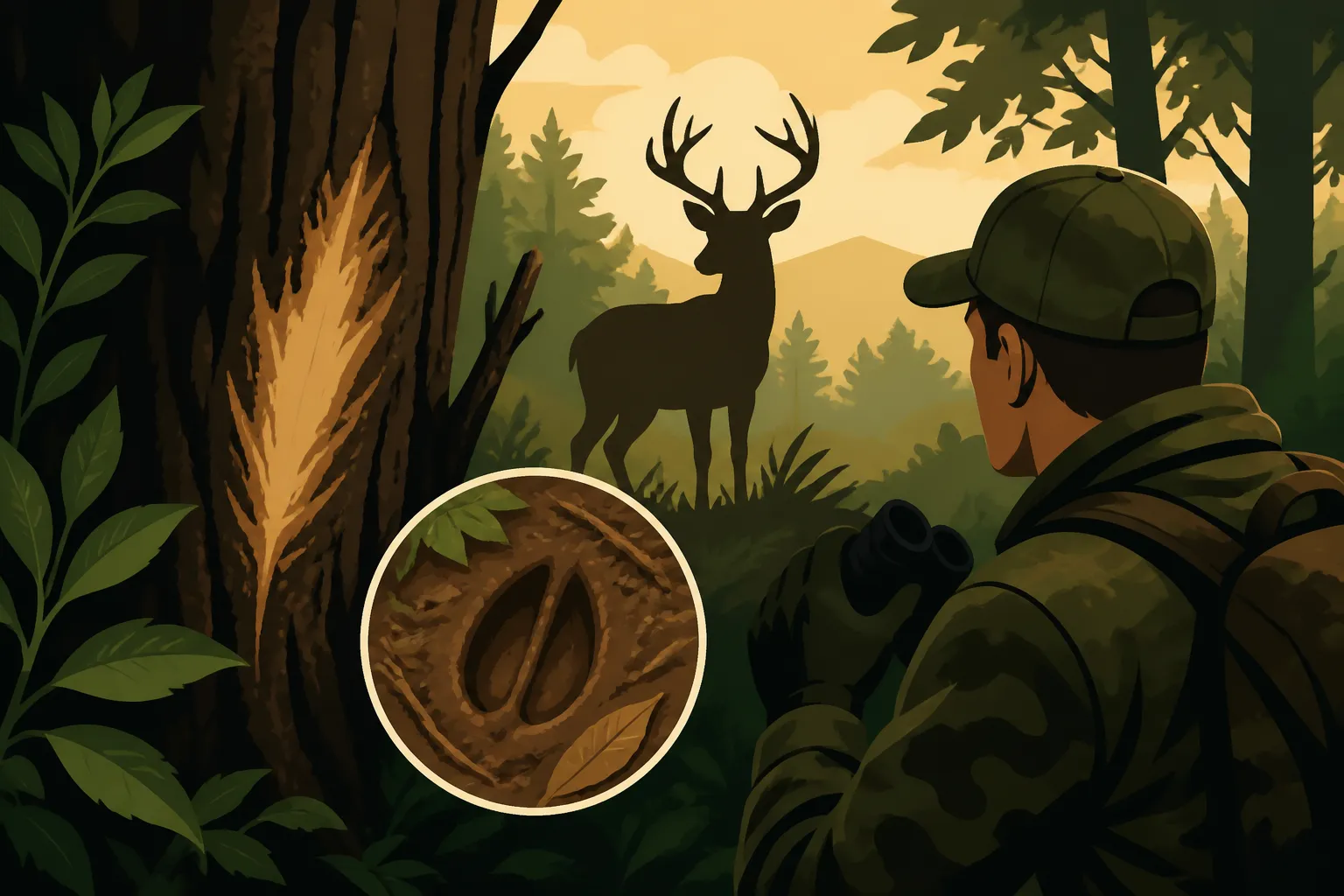
When you stumble upon a rub, take a moment to really examine it. Is it fresh, with wood shavings still clinging to the bark, or is it old and weathered? A fresh rub tells you a buck is currently in the area and actively marking his territory. The height of the rub can give you a clue about the buck's size, though this isn't always foolproof. More importantly, consider the direction of the rub. Bucks typically rub trees as they travel, so a series of rubs can act like breadcrumbs, outlining a travel corridor or a transition zone between bedding and feeding areas.
Scrapes are another vital piece of the puzzle, especially once the pre-rut and rut phases begin. An active scrape, often with a low-hanging "licking branch" above it, is essentially a deer's social media post. Bucks (and sometimes does) will deposit scent from their forehead, preorbital, and interdigital glands, communicating their presence. Primary scrapes are often larger, revisited frequently, and tend to be in visible, well-traveled areas like old logging roads or ridge lines. Secondary scrapes are smaller, less maintained, and often found off the beaten path, closer to bedding areas. The presence of multiple fresh scrapes tells you bucks are actively cruising and searching for does, making these spots prime locations to set up.
Tracks and Trails: Following the Invisible Highway
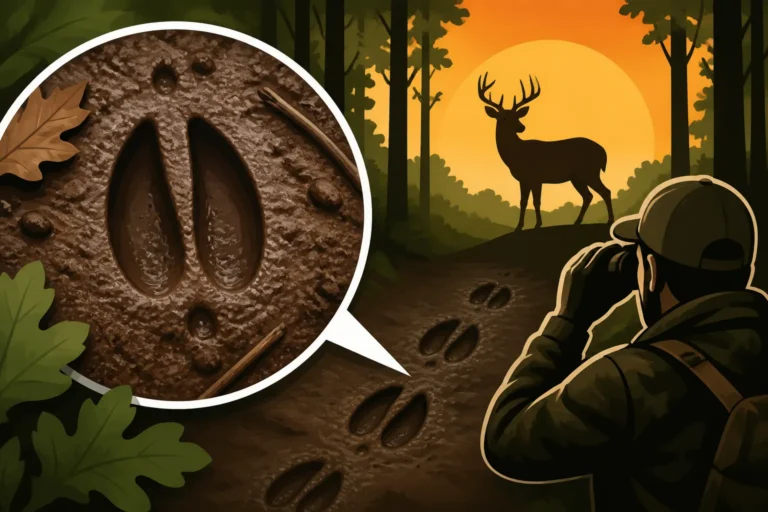
Tracks are probably the most common sign you'll encounter, but don't just glance at them and move on. Look for freshness: are the edges sharp and distinct, or are they rounded and softened by rain or sun? Are there leaves or pine needles in the bottom of the print? This helps determine how recently the deer passed. Pay attention to the size and stride. Large, splayed tracks with a longer stride often indicate a mature buck, especially if they’re found along a well-worn trail. Deer trails themselves are like the interstate highways of the woods. In big timber, these aren't always super obvious, but look for subtle depressions in the leaves, bent grass, or areas where saplings have been broken. These trails often connect bedding areas to feeding grounds or water sources. In the Chattahoochee, trails frequently follow contour lines around hillsides, use saddles as crossings, or skirt the edges of thick cover. Using a detailed mapping application like GoHunt can help you spot these subtle topographical features that often align with deer travel routes, even if the trail itself isn't immediately apparent on the ground.
Beds and Droppings: The Ultimate Intelligence
Finding a deer bed is like finding a hidden message. It tells you exactly where a deer chose to rest, offering insights into their preferred cover, wind direction strategy, and escape routes. Look for oval-shaped depressions in the leaves or pine needles, often sheltered by thick cover like rhododendron or a fallen tree. Bucks often bed with the wind at their back, facing downwind, allowing them to smell anything approaching from behind and see anything coming from in front. In thick timber, bedding areas might be on secluded benches halfway down a ridge, or in the thickest part of a pine plantation. If you find multiple beds, you might have located a preferred bedding thicket.
Droppings, while seemingly crude, can offer valuable intelligence. Fresh droppings, especially if soft or shiny, indicate very recent deer activity. Their consistency can also tell you about the deer's diet; firm, pellet-like droppings usually mean a diet of browse and mast, while softer, clumpy droppings might suggest a diet heavy in green forage. An abundance of droppings in one area, particularly near a fresh rub or scrape, screams "deer activity zone."
Here’s a quick overview of how to interpret common deer sign:
| Type of Sign | What to Look For | What It Tells You | Best Time to Find |
|---|---|---|---|
| Rubs | Fresh wood shavings, bark stripped, height on tree | Buck presence, travel path, potential size (freshness is key) | Pre-rut to Rut |
| Scrapes | Exposed soil, licking branch overhead, fresh scent | Buck activity, communication hub, potential doe presence (freshness is key) | Pre-rut to Rut |
| Tracks | Clear outline, sharp edges, size, stride, depth | Recent movement, direction, potential size (freshness, especially after rain) | Anytime |
| Trails | Worn path, bent vegetation, subtle depressions | Consistent travel corridors, connecting key areas | Anytime |
| Beds | Oval depression, sheltered location, vantage point | Deer bedding preference, wind strategy, security cover | Anytime |
| Droppings | Freshness, consistency, quantity | Recent feeding/activity, diet, general area use | Anytime |
Strategic Scouting Techniques in Expansive Timber
With so much ground to cover in the Chattahoochee, you can’t just wander aimlessly. Strategic scouting is your most potent weapon. This means combining digital tools with methodical on-the-ground exploration.
Leveraging Mapping Tools for Pre-Scouting
Before you ever step foot in the woods, fire up your favorite mapping application. Tools like GoHunt or other detailed satellite imagery platforms are invaluable. Look for topographical features that funnel deer, such as saddles, benches, and creek bottoms. Ridgelines can be major travel corridors, especially during the rut, and studying them virtually can give you a massive head start. Pay attention to changes in timber type—where a pine plantation meets mature hardwoods, or where a clear-cut has grown back into thick saplings. These transition zones are often deer magnets.
Before a scouting trip, I'll spend hours on GoHunt, marking potential bedding areas (often thick, steep, south-facing slopes in winter), travel corridors (saddles, draws, flat benches on ridges), and potential water sources. Then, when I hit the ground, I have a starting point and a purpose, rather than just walking. Consider reading aerial photos for Piedmont deer, as many of the same principles apply to the varied terrain of the Chattahoochee.
On-the-Ground Grid Searching and Still-Hunting
Once you've identified some promising areas on your map, it's time for boots on the ground. In big timber, a systematic approach is essential. Consider a modified "grid search" where you cover an area in a structured pattern, often moving along contour lines or natural terrain features. Instead of just walking, try to "still-hunt" as you scout. Move slowly, stopping frequently to glass, listen, and scan for subtle deer sign. When you find one piece of sign—say, a single track—slow down even further and expand your search around that spot. Is there another track? A rub nearby? This often leads to discovering a cluster of activity that you might have missed by moving too quickly. Remember, deer in big timber often rely on natural cover, so focus your search on the edges of thickets, creek drainages, and areas with diverse vegetation. For more insights on how to approach these vast areas, check out tips on Scouting Georgia Public Land Before Season.
Focusing on Water Sources and Funnel Points
Even in large forested areas, deer need water. Identifying reliable water sources like spring heads, seeps, or year-round creeks can be a game-changer. Deer trails often lead directly to these spots. Similarly, funnel points are critical. These are areas where the landscape naturally constricts deer movement. This could be a narrow saddle between two ridges, a pinch point between a steep bluff and a creek, or even a section where two distinct habitat types merge. These funnels concentrate deer traffic, making them high-probability areas for an encounter. When you're using your mapping app, really zoom in on those tight spots. What looks like a small dip on the topo lines could be a major deer crossing. The more you explore, the better you’ll get at identifying these subtle funnels that others walk right past.
Connecting the Dots: Locating Productive Areas
Finding individual pieces of sign is good, but truly successful hunting in big timber comes from connecting those pieces into a coherent narrative of deer movement and behavior. This is where the detective work pays off.
Identifying Hubs of Activity
A single rub or track might be random, but multiple fresh rubs, several active scrapes, and numerous fresh tracks and droppings in a concentrated area scream "hub of activity." This is where deer are spending significant time, whether it's feeding, breeding, or bedding. These hubs are your high-value targets. For instance, finding a well-used trail leading from a dense thicket (potential bedding) to a ridge dotted with fresh rubs and scrapes (rutting activity) and then further down to a white oak flat laden with acorns (feeding) paints a clear picture. This is the kind of intelligence that helps you decide where to hang a stand or where to position yourself for a still-hunt. You're not just hunting for deer; you're hunting their patterns. Don't forget to consider how wind and thermals on a mountain ridge will influence how and when deer use these hubs.
Combining Terrain, Food, and Cover
The most productive hunting spots in big timber are usually where terrain, food, and cover converge in an advantageous way for deer.
- Terrain: Think about those saddles that connect two ridge tops, offering an easier path than going down and up a holler. Look for benches or flat spots on steep hillsides where deer can browse and bed without expending too much energy. Creek bottoms often serve as natural highways.
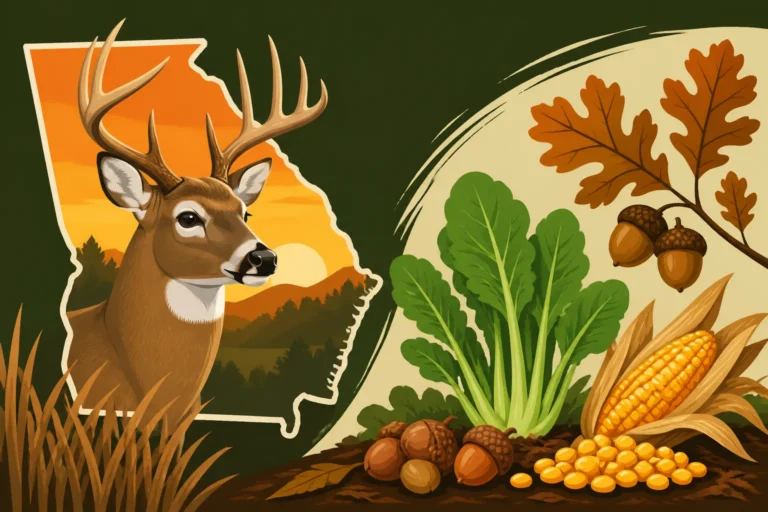
- Food: While acorns are king in the fall, don't overlook other food sources. Browsing plants like honeysuckle, green briar, and various forbs are available year-round. Old orchards from forgotten homesteads or even clear-cuts regenerating with new growth can also provide vital forage. Consider hunting after a poor acorn year, as deer will be forced to seek out alternative food sources.
- Cover: Deer need security. This could be a dense stand of pines, a thicket of mountain laurel, or a deep, brushy ravine. They'll bed in these areas and often use their edges for travel.
When scouting, mentally (or physically with pins on your GoHunt app) connect these elements. A dense bedding thicket on a steep north-facing slope, connected by a distinct trail to a saddle on a ridge, which then leads down to a south-facing white oak flat, is a textbook high-percentage spot. This integrated approach is far more effective than just searching for random sign. For placing a stand in such a spot, you might want to review tips on Hanging a Stand on a Mountain Saddle or Treestand Setups in North Georgia Mountains. It’s all about finding ground others walk past because they don’t see the big picture.
Adjusting to Changing Conditions
Deer patterns are rarely static. Weather, hunting pressure, and food availability constantly shift their movements. A heavy rain might wash away old tracks, but it also means any new tracks are incredibly fresh. A sudden cold snap might push deer to sunnier, south-facing slopes. If hunting pressure on Georgia public land spikes on opening weekend, deer might become more nocturnal or move into thicker, harder-to-reach cover. Staying flexible and continually reading the sign, even during your hunt, is crucial. If a particular area goes cold, don’t be afraid to pull up stakes and scout a new spot based on fresh intelligence. The beauty of big timber is that there's always more ground to explore, and often, less pressured deer just a ridge away.
Disclaimer
Hunting is an inherently dangerous activity. Always prioritize safety, including wearing appropriate blaze orange when required, understanding and following all Georgia Department of Natural Resources hunting regulations, and using extreme caution with firearms and treestands. This guide provides general informational purposes only and does not substitute for proper hunter education, local regulations, or personal judgment.