Heaviest Bears Killed in Georgia
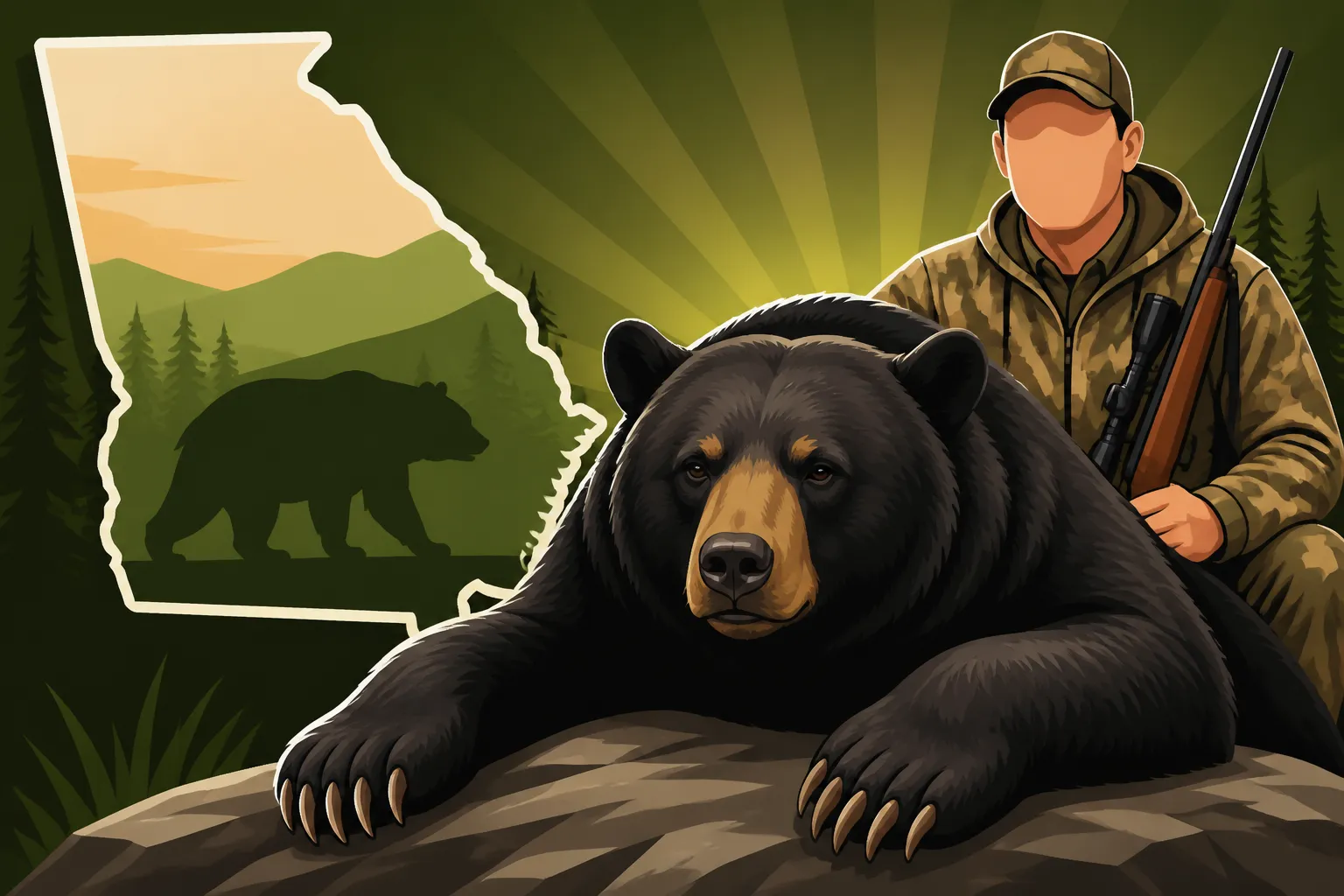
Every hunter who dreams of chasing black bears in Georgia eventually starts to wonder: just how big do they really get here? It's a natural question, sparked by ambition and the sheer awe of these magnificent creatures. You hear the whispers of massive boars taken in the mountains or the low-country swamps, but often it's hard to separate the tall tales from the truly impressive, documented giants. This guide aims to shed light on the heaviest bears killed in Georgia, exploring what contributes to their size, where these giants are typically found, and the strategies hunters employ to pursue them.
Understanding Georgia's Black Bear Size and Weight
Georgia's black bear population is thriving, offering incredible hunting opportunities across the state. While most hunters are thrilled to harvest any legal bear, the pursuit of a truly colossal bruin is a special challenge. Understanding the typical size and weight of Georgia's black bears is the first step in appreciating just how remarkable the heaviest ones truly are.
Average Bear Weights Across Georgia
The average weight of a black bear in Georgia can vary significantly depending on their sex, age, and the region they inhabit. Generally, adult female bears (sows) might range from 120 to 250 pounds, while adult male bears (boars) typically fall into the 200 to 400-pound range. However, these are just averages. Like humans, bears have individual variations, and some can push well beyond these common figures. It's a testament to the state's diverse habitats and abundant food sources that some bears grow to truly impressive sizes. When we talk about "heaviest bears," we're often looking at the outliers, the bears that have had a long life, excellent nutrition, and favorable conditions. These are the bears that create legends and inspire hunters to keep coming back.
The Georgia Department of Natural Resources (DNR) keeps track of harvest data, and while official records often highlight skull measurements as a primary metric for trophy bears, weight is certainly a significant indicator of an exceptional animal. While specific individual weights aren't typically published widely for every single bear harvested, trends in Georgia Bear Harvest Trends can give you a general idea of the population's health and potential for large animals.
Factors Influencing Bear Size
Several critical factors play into how massive a black bear can become in Georgia. It's a complex interplay of genetics, environment, and sheer longevity.
Diet and Food Availability: This is perhaps the most significant factor. Bears that have consistent access to high-calorie food sources throughout their lives are going to grow larger. In Georgia, this means a diet rich in acorns, various berries, wild fruits, corn from agricultural fields, and even insects or carrion. A bumper crop of acorns in a particular year can lead to bears putting on significant weight before hibernation, setting them up for larger growth the following year. Areas with diverse hard mast crops and abundant soft mast (like blackberries, blueberries, and muscadines) tend to support healthier, larger bears.
Age: Simply put, older bears are generally larger bears. A bear needs many years to reach its full physical potential. Bears, especially boars, that manage to avoid hunters and other threats for a decade or more have the time to accumulate the mass that makes them truly exceptional. A 10- or 12-year-old bear will almost always outweigh a 3- or 4-year-old bear from the same habitat, given similar nutrition. This is why targeting older age class animals is often a key strategy for those hoping to tag a heavy bear.
Genetics: Just like in humans, genetics play a role. Some bears are simply predisposed to grow larger and carry more weight than others, even with the same diet and age. While hunters can't control the genetics of the wild bear population, understanding this helps explain why certain regions might consistently produce bigger bears.
Habitat Quality: A healthy, diverse habitat that offers secure bedding areas, ample water, and minimal human disturbance contributes to a bear's ability to grow large. Areas with vast, undisturbed tracts of timber, thick cover, and varied food sources are ideal. This is especially true in regions like the Chattahoochee-Oconee National Forest Hunting or expansive river bottoms.
Documented Heavyweights in Georgia's Bear Zones
Georgia is divided into specific bear hunting zones, each with unique characteristics that influence the size and density of its bear population. While enormous bears can turn up anywhere, certain zones are more renowned for producing truly exceptional animals.
Northern Zone Giants
The mountains of North Georgia, primarily within the Georgia Northern Bear Zone Season Rules, are arguably the most famous for producing very large black bears. The rugged terrain, extensive timber, and generally lower human population density compared to other areas allow bears to roam freely and grow old. It's not uncommon for boars in this region to exceed 400 pounds, and every few years, reports surface of bears pushing the 500-pound mark or even heavier.
The vastness of the Chattahoochee National Forest provides these bears with crucial secure habitat and diverse food sources. Hard mast, like acorns and hickory nuts, is abundant in the fall, allowing bears to pack on significant weight for hibernation. Hunters often focus on areas with mature oak stands, seeking out the biggest bears that have learned to utilize these prime feeding grounds. The challenge here lies in the difficult terrain, but the reward can be an absolute giant. If you're looking for where North Georgia Bears Range, you'll find them deeply embedded in these challenging but rewarding mountain landscapes.
Ocmulgee and Southern Zone Brutes
While the mountains get a lot of attention, don't overlook the potential for massive bears in Georgia's other zones. The Ocmulgee Bear Zone, located in the central part of the state, and the Altamaha and Okefenokee Bear Zones in the south, specifically covered under Georgia Southern Bear Zone Season Rules, also harbor some truly massive bruins.
The Ocmulgee area, often associated with the Ocmulgee River Bottomland Public Access, might have a smaller population of bears compared to the mountains, but the food resources in these river bottoms and agricultural interfaces can be incredibly rich. Bears here often have access to cultivated crops like corn and peanuts, which are incredibly fattening. This abundance can lead to some truly impressive weights, with boars frequently exceeding 400 pounds. The relatively short Georgia Central Zone Bear Season Dates also means that bears in this zone face less hunting pressure over time, potentially allowing more individuals to reach older age classes and greater weights.
Down in the Altamaha and Okefenokee regions, the swampy, dense cover provides an ideal sanctuary. The sheer wildness of the Okefenokee offers bears a lifetime of relatively undisturbed growth. While these areas can be incredibly challenging to hunt, the bears that emerge from these swamps can be legendary. They might not always be the tallest, but their sheer mass from a lifetime of feeding on diverse swamp vegetation, palmetto berries, and even crustaceans can make them incredibly heavy. For those interested in How Many Georgia Black Bears There Are across these regions, the numbers are healthy and stable, providing plenty of opportunity.
Here’s a quick overview of typical weights and the potential for true giants in Georgia’s bear zones:
| Bear Zone | Typical Adult Male Weight Range | Potential for Record-Class Weights | Primary Factors Contributing to Size | Challenges for Hunters |
|---|---|---|---|---|
| North Georgia Mountains | 250 – 450 lbs | High (500+ lbs reported) | Abundant hard mast, extensive habitat, age | Rugged terrain, dense cover |
| Ocmulgee River Drainage | 200 – 400 lbs | Moderate (400+ lbs possible) | Agricultural crops, rich river bottom food sources | Limited public access, dense bottomland |
| Altamaha/Okefenokee Swamp | 200 – 400 lbs | Moderate (400+ lbs possible) | Diverse swamp vegetation, low human disturbance | Incredibly dense cover, water access |
Strategies for Pursuing a Trophy-Class Bear
Chasing after one of the heaviest bears in Georgia isn't just about luck; it's about meticulous preparation, understanding bear behavior, and employing smart hunting tactics. While every hunt is different, certain strategies can significantly increase your odds of encountering a true giant.
Scouting and Habitat Analysis
Before you even step foot in the woods with your hunting gear, extensive scouting is paramount. This isn't just a casual walk; it's an investigative mission. You need to identify areas with consistent bear activity, focusing on sign like scat, tracks, rubbed trees, and most importantly, food sources. For those serious about finding the biggest bruins, tools like GoHunt can be invaluable for analyzing habitat, identifying key food sources, and understanding terrain. Its mapping capabilities allow you to overlay public land boundaries with satellite imagery, showing you potential bedding areas, travel corridors, and the distribution of mast-producing trees.
Look for areas that are less pressured, even on public lands like those accessible during Hunting the North Georgia Mountain Bear Zone. These are often places that require a longer walk, a deeper push into thick cover, or areas with difficult access. Big, old bears are incredibly wary and will seek out sanctuaries where they feel safe. Pay attention to changes in elevation, water sources, and the edges of different habitat types. A logging road or a creek bottom can act as a natural travel corridor, especially if it connects a feeding area to a bedding area.
Patience and Persistence
Hunting trophy-class bears in Georgia is often a marathon, not a sprint. These animals are not only rare but also incredibly smart and elusive. It takes immense patience to sit for hours in a stand, sometimes for days on end, without seeing a bear. Persistence means returning to the same promising areas, even after unproductive hunts, because conditions can change, and a bear that was absent one day might be there the next.
Consider hunting during specific times of the year when bears are most actively feeding, such as early archery season when bears are still focused on soft mast, or later in the fall when acorns are dropping. Understanding Georgia's Three Bear Hunting Zones and their specific season dates is crucial for timing your efforts. Sometimes, it's about being in the right place at the right time, but "right place" usually comes from dedicated scouting, and "right time" often means putting in the hours. While official state records tend to focus on skull measurements, many hunters track their success by weight, and community platforms, even some hunting apps like GoHunt, sometimes share impressive anecdotal reports from successful seasons, giving you an idea of peak activity times.
Gear and Preparedness for a Large Bear
Harvesting a truly heavy bear presents unique challenges, not just during the hunt itself, but also for recovery and processing. Your gear needs to be up to the task.
Firearm/Bow Selection: For rifles, a caliber that delivers significant kinetic energy is advisable for a large bear. Something in the .30 caliber range or larger is a common choice. For bowhunters, a heavier draw weight and strong, well-placed broadhead are essential for humane and effective shots. When considering your Rifle Setups for Georgia Deer Hunting, think about whether that setup is sufficient for a bear that could weigh well over 400 pounds.
Recovery Gear: Once you’ve made a successful shot, the real work often begins. A heavy bear can be incredibly difficult to move, especially in rugged terrain or thick swamp cover. Have a plan for recovery, which might include strong ropes, a game cart (if terrain allows), or even the knowledge of how to debone a bear in the field. When planning a hunt, it's always a smart move to use resources like GoHunt to research potential areas, looking for consistent reports of bear activity and available food sources. This foresight can also help you anticipate recovery challenges. Thinking about Handling a Bear After the Shot before you're standing over a massive animal is critical.
Safety Equipment: Bear hunting, especially in remote areas where large bears are found, requires attention to safety. This includes a well-stocked first-aid kit, communication devices, and the knowledge of how to navigate challenging terrain. When considering which zone to focus on, a detailed scouting plan is key, and an application like GoHunt can help overlay public land boundaries with satellite imagery, aiding in navigation and understanding potential hazards. Remember, these big bears live in big country, and sometimes those areas are also home to other wildlife you need to be aware of.
Successfully pursuing one of the heaviest bears in Georgia is a rewarding endeavor that combines skill, patience, and a deep respect for these incredible animals. It's not just about the size on the scale, but the entire experience of hunting a truly magnificent creature in the wild landscapes of Georgia. Leveraging mapping tools and community forums, perhaps found within a platform like GoHunt, can offer insights into areas that consistently produce larger animals, giving you that extra edge in your pursuit.
Disclaimer
This article is for general informational purposes only and does not constitute professional advice. Laws, prices and regulations vary by location and change over time. Consult a qualified professional for guidance on your specific situation.