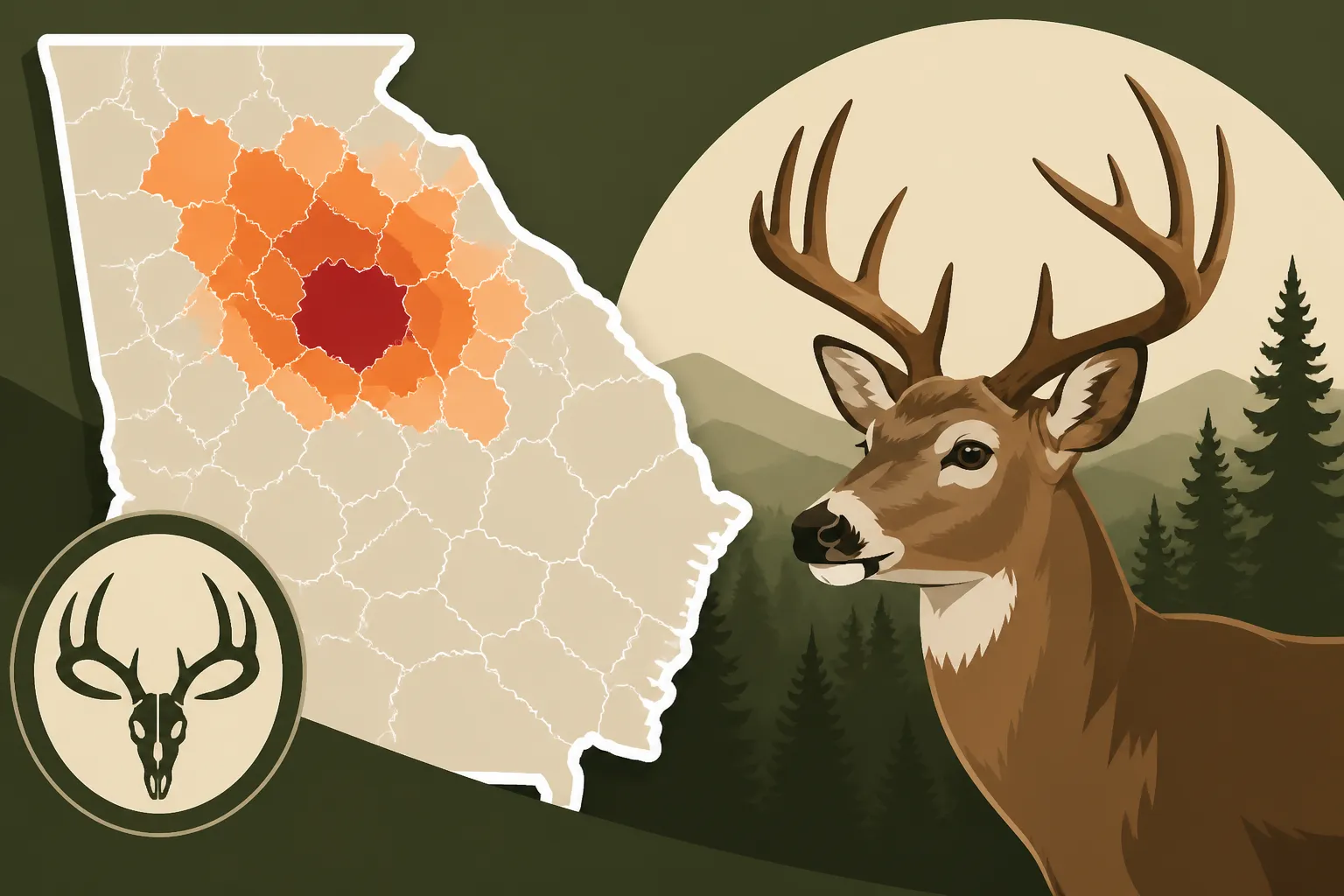
Georgia CWD Prevalence in the Management Area
Finding out that Chronic Wasting Disease (CWD) has been detected in Georgia is a punch to the gut for any deer hunter. It introduces a whole new layer of worry and responsibility to a pastime we cherish. This guide aims to thoroughly explain what CWD prevalence in the designated management area means for you, offering practical insights and detailed advice to navigate this challenging new reality while continuing to enjoy the rich tradition of Georgia deer hunting.
What CWD Prevalence Means for Georgia Hunters
The news of CWD arriving in Georgia can feel pretty unsettling. Suddenly, our beloved deer herd, a cornerstone of our hunting heritage and a vital part of the state's ecosystem, is facing a serious threat. For hunters, this isn't just about a disease; it's about the health of the game we pursue, the safety of the meat we consume, and the future of hunting itself in our state. The term "prevalence" refers to the proportion of a population that has a specific characteristic (in this case, CWD) at a given time. Understanding this helps us grasp the scope of the challenge.
The Gravity of a CWD Detection
When CWD is detected, it's not just a statistic; it's a call to action. We've watched other states grapple with this disease for years, and now it's our turn. The gravity of the situation lies in CWD's unique nature: it's a neurological disease affecting deer, elk, and moose, always fatal, and caused by abnormal proteins called prions. These prions can persist in the environment for a very long time, making containment incredibly difficult. This means that hunters in and around the management area must now adapt their routines, from scouting to harvest reporting, to help prevent its spread. It's a fundamental shift in how we approach hunting, requiring diligence and adherence to new regulations.
Impact on Deer Herd Health
The long-term impact on deer herd health is a primary concern. While CWD can take a long time to manifest noticeable symptoms in an individual deer, an increasing prevalence in a population can lead to declines over time. Hunters might start seeing more deer that appear emaciated, disoriented, or exhibiting abnormal behaviors – though it's important to remember that other factors can cause similar symptoms. Our goal, as responsible stewards of the land and wildlife, is to ensure the Georgia deer herd remains as healthy and robust as possible. This involves supporting wildlife agencies in their monitoring efforts and understanding the role each hunter plays in minimizing disease transmission. The collective effort of every hunter in Georgia is crucial to managing this challenge and protecting the future of White-Tailed Deer Across Georgia.
Understanding the Georgia CWD Management Area
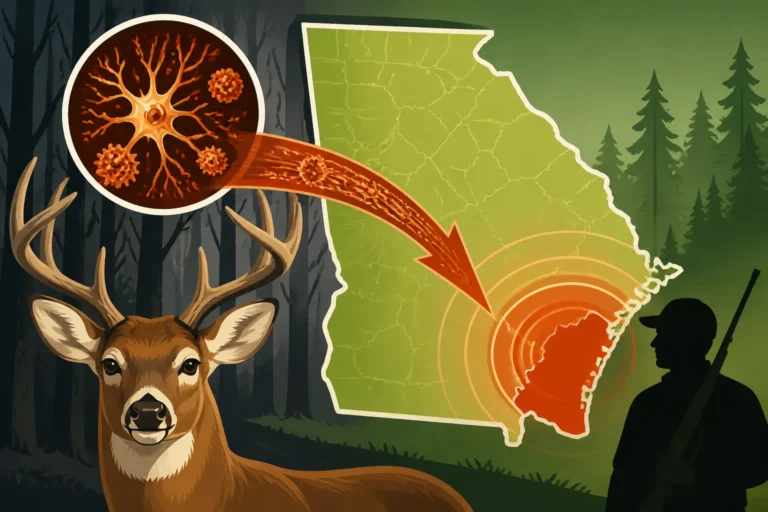
When CWD is detected, a management area is quickly established. This isn't just a line on a map; it's a zone where specific, often stricter, rules apply to hunting, deer processing, and carcass transportation. For Georgia hunters, understanding the boundaries and the rationale behind this area is paramount to compliance and effective disease management. It's designed to contain the disease and prevent its spread to other counties, which ultimately protects our state's broader deer population.
Which Counties Sit Inside Georgia's CMA
The establishment of a Chronic Wasting Disease Management Area (CMA) means that certain counties, and often parts of adjacent counties, are now under enhanced surveillance and regulation. These boundaries are not arbitrary; they are typically drawn based on the location of the initial detection, deer movement patterns, and geographical features that might influence disease spread. Hunters often feel a mix of frustration and concern when their favorite hunting grounds fall within such a zone, but these measures are critical. For example, knowing Which Four Counties Sit in the CWD Zone is the first step for anyone hunting in those areas. This knowledge will dictate where you can hunt, what you can do with your harvest, and what reporting requirements you'll face.
Mandatory Testing Inside Georgia's CMA
One of the most significant changes for hunters within a CWD Management Area is the implementation of mandatory testing. This isn't about inconvenience; it's about gathering vital data to understand the disease's prevalence and distribution. If you harvest a deer within the CMA, you will likely be required to submit specific samples for CWD testing. This might involve dropping off the deer head at a designated Finding a Georgia CWD Sampling Location within a specific timeframe. It's a new step in the hunting process, yes, but it's one of the most effective ways to track the disease and inform management strategies. Adhering to these requirements is not just good practice; it's a legal obligation and a crucial contribution to the health of the herd.
Georgia Carcass Movement Restrictions
Perhaps one of the most challenging adjustments for hunters is understanding and following the Georgia Carcass Movement Restrictions. Because CWD prions can be found in various parts of a deer's body—especially the brain, spinal cord, and lymph nodes—moving an entire carcass out of the CMA could inadvertently spread the disease to new areas. This means you generally cannot transport whole deer, or even certain parts, beyond the management area boundaries. Typically, only deboned meat, antlers (with brain tissue removed), clean hides, and skull plates (similarly cleaned) are allowed to leave the zone. This often requires hunters to process their deer on-site or use local processors within the CMA, which can be a significant logistical change, especially for those who travel from outside the area to hunt.
Living and Hunting with CWD: Practical Steps
Adapting to CWD requires a shift in mindset and practical application for every hunter. It's about being informed, making responsible choices, and doing our part to protect the resource. While it adds a layer of complexity to our hunting trips, these steps are essential for mitigating risk and ensuring the longevity of Georgia's deer population. We can still enjoy our passion, but we must do so with heightened awareness.
Hunter Education and Awareness
The first and most critical step is staying informed. Wildlife agencies are constantly monitoring the situation and updating regulations, and it's our responsibility to keep abreast of the latest information. Attend public meetings, read official advisories, and familiarize yourself with resources provided by the Georgia Department of Natural Resources. Understanding how CWD is transmitted, its symptoms, and the specific rules for the CMA are fundamental. For instance, knowing the ins and outs of Georgia's Chronic Wasting Disease Management Area will empower you to make informed decisions in the field. Knowledge is our best defense against the spread of this disease.
Safe Field Dressing and Carcass Handling
Field dressing and carcass handling within the CMA now require extra caution. Minimize the spread of potential prions by wearing gloves and cleaning your tools thoroughly afterward. When possible, field dress your deer at the kill site to leave potentially infected material where the deer was harvested. If you're required to transport the entire carcass to a sampling station, ensure it's done safely and legally within the CMA, following all guidelines. For those hunting deer in general, knowing how to handle a harvest properly is always important, whether it's Field Dressing a Deer in Warm Weather or making sure to follow all Georgia Deer Harvest Reporting Rules.
Utilizing Digital Tools for Compliance
In today's hunting landscape, digital tools are invaluable, especially when navigating new regulations like those for CWD. Apps like GoHunt can be incredibly useful for pinpointing your exact location in relation to CMA boundaries, helping you determine if a deer you just harvested falls within a mandatory testing zone. These tools can often show property lines, public land boundaries, and even points of interest like potential CWD sampling stations, making compliance easier. By using GoHunt or similar mapping applications, you can ensure you're always aware of the specific rules that apply to your exact hunting spot, which reduces the chance of accidental non-compliance. It's about leveraging technology to be a more responsible and informed hunter.
Table: CWD Management Area Regulations at a Glance
| Aspect | Inside CWD Management Area | Outside CWD Management Area |
|---|---|---|
| Carcass Movement | Restricted: Only deboned meat, cleaned skull plates, antlers, hides allowed outside CMA. | No specific restrictions, but ethical practices encouraged. |
| Mandatory Testing | Yes, for all harvested deer (specific rules may apply to age/sex). | Voluntary testing available, but not required unless specified by an individual county. |
| Baiting/Feeding | Often prohibited or highly restricted to prevent deer congregation. | Varies by local county and state law; generally allowed where otherwise legal. |
| Hunting License | Standard Georgia hunting license and big game stamp required. | Standard Georgia hunting license and big game stamp required. |
| Deer Processing | Encouraged at facilities within the CMA, or at home with proper waste disposal. | Can be done anywhere, but proper disposal of carcass waste is always important. |
| Reporting Harvest | Mandatory through Georgia Game Check, same as statewide rules. | Mandatory through Georgia Game Check, same as statewide rules. |
The Future of CWD in Georgia and Hunter Responsibility
The detection of CWD is a long-term challenge, not a temporary blip. Its presence means ongoing surveillance, adaptive management strategies, and a sustained commitment from the hunting community. While the news can be disheartening, our collective response will define the future of deer hunting in Georgia. It's a shared responsibility that demands dedication and cooperation.
Long-Term Management Strategies
Wildlife agencies, like Georgia's DNR, will develop and adapt long-term management strategies based on surveillance data. These strategies might include targeted culling in high-prevalence areas, continued restrictions on carcass movement, and ongoing public education campaigns. The goal is always to minimize the spread and reduce prevalence where possible, protecting the overall health of the herd. These plans are dynamic, evolving as more is learned about the disease's behavior in Georgia's unique environment. Understanding how the state monitors the Georgia Deer Population Estimate will be critical to assessing the effectiveness of these strategies over time.
The Hunter's Role in Prevention
Every hunter is a frontline defender against CWD. Beyond complying with regulations, there are proactive steps we can all take. Never move deer carcasses out of the CMA except for legal parts. Avoid baiting or feeding deer, as it can concentrate animals and increase disease transmission. If you see a deer exhibiting symptoms of CWD—like extreme thinness, stumbling, or unusual behavior—report it immediately to the wildlife agency. Ethical hunting practices, like limiting unnecessary deer congregating, are more important than ever. Our actions today directly impact the health of the herd tomorrow. Even learning to scout without leaving a scent trail, as detailed in Scouting Georgia Public Land Before Season, helps reduce interactions.
Ethical Considerations and Conservation
CWD forces us to confront difficult ethical questions. What is our responsibility to the deer herd? How do we balance hunting traditions with conservation necessities? These aren't easy answers, but they underscore the critical link between hunting and conservation. Our pursuit of game inherently comes with the responsibility to ensure that game populations remain healthy and sustainable for future generations. Supporting wildlife management efforts, participating in voluntary testing when available, and adhering to all regulations, even when inconvenient, are acts of true conservation. The collective effort to manage Chronic Wasting Disease Risk in Georgia is a testament to the dedication of Georgia's hunting community.
The journey with CWD in Georgia will be a long one, but by staying informed, complying with regulations, and acting as responsible stewards of our natural resources, we can face this challenge head-on. Our hunting heritage is resilient, and with vigilance, we can ensure it thrives for years to come.
Disclaimer
This article is for general informational purposes only and does not constitute professional advice. Laws, prices and regulations vary by location and change over time. Consult a qualified professional for guidance on your specific situation.