Donating Venison in Georgia
There's nothing quite like the satisfaction of a successful hunt, bringing home fresh, healthy venison to feed your family. But sometimes, especially here in Georgia with our generous bag limits, you might find your freezer absolutely stuffed to the gills, or you might simply feel a deeper calling to give back to the community that supports our hunting traditions. Many hunters grapple with the question of what to do with extra deer, wanting to ensure that every animal harvested serves a purpose beyond their own immediate table. This guide is here to walk you through the incredibly rewarding process of donating venison in Georgia, connecting your harvest with those in need.
Why Donate Your Hard-Earned Venison?
Donating venison is truly a win-win situation, offering immense benefits to both the hunter and the community. It’s a powerful way to extend the bounty of the outdoors to those who might otherwise struggle to put nutritious food on their own tables. For many of us who cherish the tradition of hunting, it feels like a natural extension of our stewardship ethic.
Addressing Food Insecurity in Georgia
Think about the families in your own community, or even across the state, who face the daily challenge of food insecurity. These aren't just abstract numbers; they are our neighbors, children, and elderly who sometimes don't know where their next meal is coming from. Processed venison is a lean, high-protein, and incredibly healthy food source that can make a real difference in the diets of those relying on food banks and charitable organizations. It's often a rare and welcome addition to typical food bank offerings, providing a type of protein that's both nourishing and culturally meaningful. Your donation isn't just filling a plate; it's providing essential nutrition and a sense of dignity.
Ethical Hunting and Conservation
As hunters, we are often the most ardent conservationists, deeply invested in the health of our deer populations and the ecosystems they inhabit. When you harvest a deer, you're not just taking an animal; you're participating in wildlife management. Donating that venison ensures that every part of the animal is utilized responsibly, fulfilling an ethical commitment to the resource. It demonstrates that hunting is about more than just sport; it's about connecting with nature and contributing to the greater good. It's also a fantastic way to showcase the positive impact hunters have, counteracting some of the misconceptions about our outdoor pursuits. Plus, by helping manage deer populations, especially where numbers are high, you contribute to healthier herds and reduce issues like agricultural damage or deer-vehicle collisions.
Community Engagement and Support
Donating venison is a tangible way to engage with and support your local community. It bridges the gap between the hunting world and the wider public, fostering understanding and goodwill. When food banks receive these donations, they can see firsthand the generosity and dedication of Georgia hunters. This act of giving can also inspire others in your hunting circle to consider donating, creating a ripple effect of generosity. It's a powerful narrative that showcases hunters as responsible, compassionate members of society who contribute directly to the well-being of their communities. Imagine the conversations sparked when someone receives a package of ground venison – it’s a story of local stewardship and generosity.
Navigating Georgia's Venison Donation Programs
Donating venison isn't as simple as dropping off a deer at your local food bank, primarily due to health and safety regulations. You need to work through established programs and certified processors to ensure the meat is handled properly and meets all necessary standards. Georgia has programs designed to facilitate this, with "Hunters for the Hungry" being the most well-known initiative, often operating through partnerships with various state agencies and non-profits.
Understanding Hunters for the Hungry
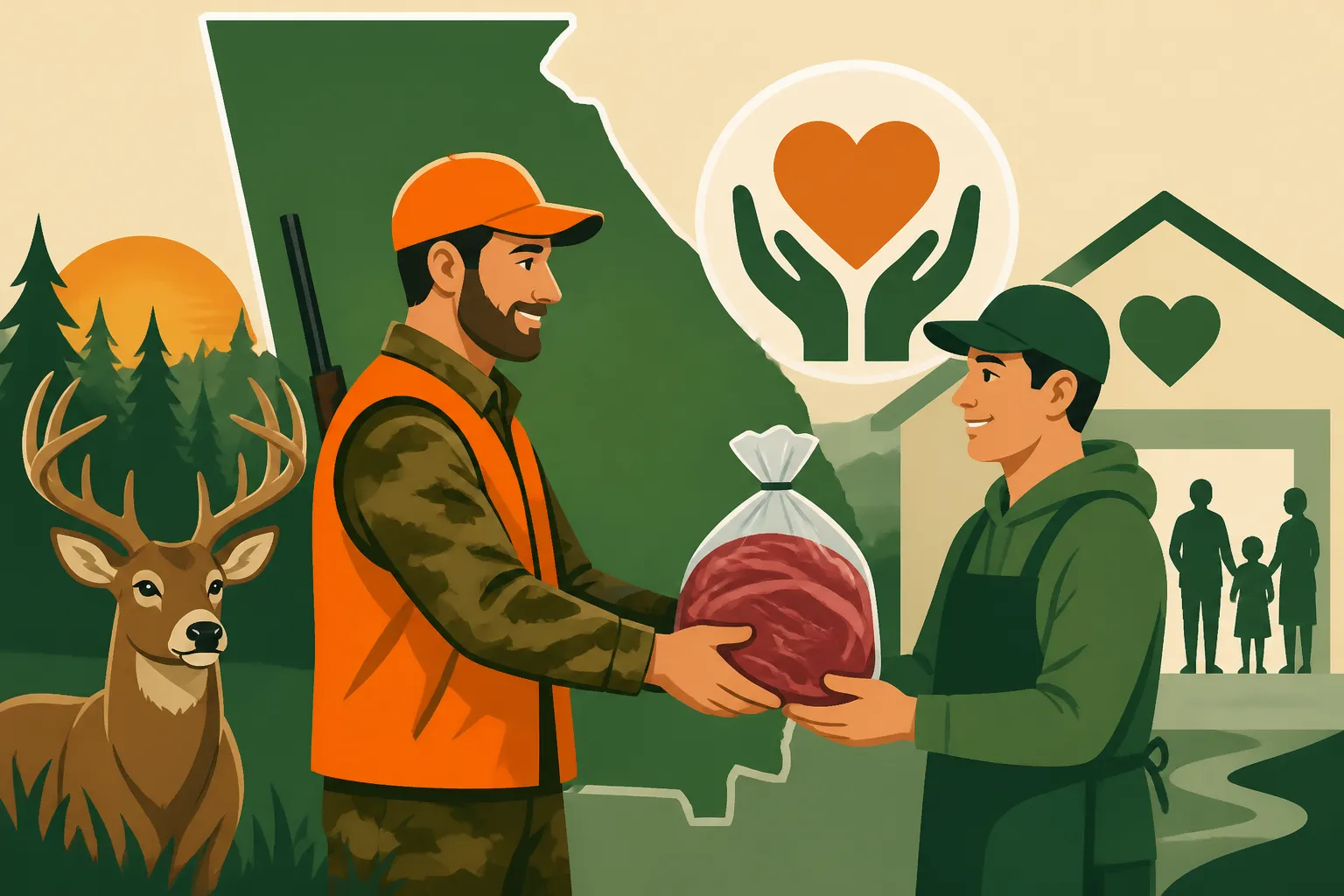
Hunters for the Hungry is typically a non-profit organization that coordinates with hunters, meat processors, and food banks to connect the dots. The basic premise is straightforward: hunters donate their legally harvested, field-dressed deer, and participating processors prepare the meat into ground venison. This processed meat is then distributed to food banks, soup kitchens, and other charitable organizations that serve those in need. These programs are vital because they handle the logistical and regulatory complexities that individual hunters and food banks might struggle with. They act as the crucial intermediary, ensuring safety and compliance.
General Requirements for Donated Deer
While specific requirements can vary slightly, there are some universal guidelines you'll encounter when donating venison in Georgia. First and foremost, the deer must be legally harvested and properly tagged according to Georgia's Georgia Deer Harvest Reporting Rules. It needs to be in good condition, meaning no excessive damage to the carcass or signs of disease. The deer must also be thoroughly field-dressed promptly after harvest to prevent spoilage, especially crucial in our warm Georgia climate. If you're hunting in or near the Georgia's Chronic Wasting Disease Management Area, there will be specific CWD testing requirements you must adhere to before any donation can be accepted. Always check with the specific processor or program for their current guidelines on Handling Venison From a CWD Management Area. It's your responsibility as the hunter to ensure the animal meets these initial standards.
| Venison Donation Readiness Checklist |
|---|
| Criterion |
| Legal Harvest |
| Healthy Carcass |
| Proper Field Dressing |
| Clean Transport |
| CWD Compliance |
| Program/Processor Approval |
| Hunter Education |
| License Compliance |
The Venison Donation Process: Step-by-Step
Okay, you've decided to donate your venison – that's awesome! Now let's break down the practical steps to make it happen smoothly. It's not overly complicated, but a little preparation goes a long way to ensure your generous contribution makes it to the plates of those who need it most.
From Field to Processor: Initial Steps
The moment you harvest your deer, your donation journey truly begins. First, ensure it's a clean, ethical kill. Then, proper field dressing is paramount. As we've discussed, Georgia can get warm, even in the early deer season. Getting the guts out quickly helps cool the carcass and prevents bacteria from spoiling the meat. Make sure you're familiar with effective Field Dressing a Deer in Warm Weather techniques. Once field-dressed, keep the carcass as clean as possible during transport. While some hunters use deer carts or even drag deer out, protecting the meat from dirt and debris is important. If you’re processing part of the deer yourself before donating the rest, or just interested in general processing, our guide on Butchering a Deer at Camp might offer useful insights into handling the meat.
Next, you need to make sure you've properly checked your deer in with Georgia Game Check. This is not just a legal requirement for Georgia Deer Harvest Reporting Rules, but it also provides crucial data for wildlife management and confirms your harvest was legitimate. Many donation programs will want to see proof of this. After that, your next immediate step is to get the deer to a participating processor as quickly as possible. This means planning ahead and knowing which processors are part of a donation program before you even head out to the woods.
Contacting Participating Processors
This is a critical step that often gets overlooked. You must contact a participating meat processor before you show up with a deer. Do not just assume they will take it. Processors involved in venison donation programs have specific protocols, capacity limits, and often set hours for accepting donated deer. A quick phone call can save you a lot of time and frustration. Ask about their specific requirements, hours of operation for donations, and any fees involved. While many programs cover the processing fees for donated deer, some might ask for a small contribution from the hunter to help offset costs. Be prepared for this possibility.
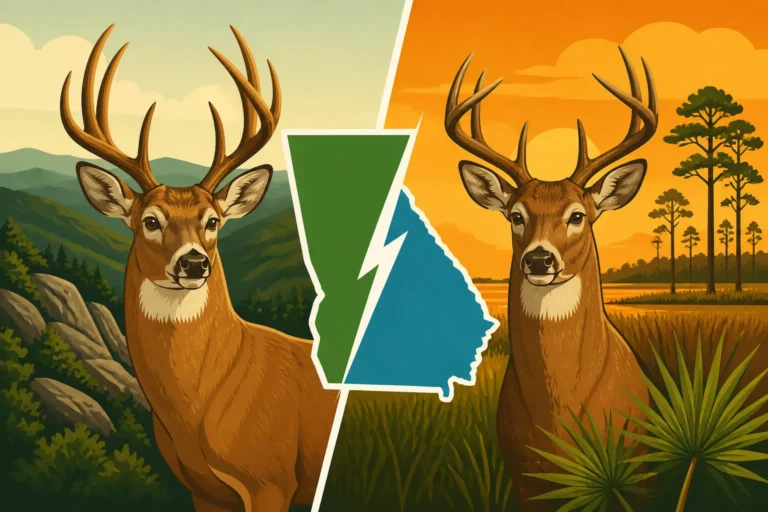
Many state wildlife agencies or the Hunters for the Hungry websites will have a list of approved processors in Georgia. Using resources like these, or even mapping tools within hunting apps like GoHunt, can help you locate a processor convenient to your hunting area. Sometimes these processors are scattered, so knowing their location relative to your hunting spot, whether you're Hunting North Georgia Mountain Country or Still-Hunting South Georgia Pine Flats, is key. They might also inquire about the condition of the deer, so be ready to accurately describe it.
What to Expect at the Processor
When you arrive at the processor, they will typically inspect the deer to ensure it meets their program's standards regarding health and condition. They'll confirm it's been properly field-dressed and look for any signs of spoilage or disease. This is where those earlier steps truly pay off. You'll likely need to provide your hunting license information and confirmation of your deer check-in. The processor will then take the deer, typically handling the skinning, deboning, grinding, and packaging of the meat into manageable portions, usually one or two-pound packages of ground venison.
Once processed, the meat is then distributed to the food banks and pantries that partner with the donation program. You won't directly deliver the meat to the families, but your contribution goes directly into that system, making a huge difference. You've done your part, turning a successful hunt into a tangible act of kindness. This systematic approach ensures that the meat is handled safely and efficiently, reaching those who need it most in a usable form.
Finding the Right Venison Donation Program in Georgia
Locating a reliable venison donation program and a participating processor is crucial for a smooth and effective donation. While national programs exist, finding Georgia-specific resources will be your best bet. It takes a little homework, but the impact of your donation is worth the effort.
Identifying State-Specific Programs
Georgia, like many other states, has organizations dedicated to facilitating venison donations. The primary organization to look for is typically "Georgia Hunters for the Hungry" or a similar initiative often supported by the Georgia Department of Natural Resources (DNR) or other conservation groups. These programs usually have dedicated websites or sections on the DNR website that provide a list of participating processors and specific guidelines for donations. It's a great first stop. They're designed specifically for us, the hunters of Georgia, to make this process as easy as possible. Sometimes, you might even find information about these programs through hunting forums or local sportsman clubs, where experienced hunters share their insights on Filling a Twelve-Deer Bag Limit and then donating their excess meat.
Beyond the main statewide initiatives, some smaller, local food banks or churches might have direct relationships with local butchers who accept venison. These are less common for direct deer donations due to health regulations, but it’s always worth checking if you have a local connection. Just remember, any meat donated must meet the stringent health and safety standards for public consumption.
Locating Participating Processors Near You
Once you've identified a program like Georgia Hunters for the Hungry, their website or contact information should lead you to a list of approved processors. These are the businesses that have partnered with the program, understand the requirements, and are equipped to handle wild game for public distribution. It’s important to find one that’s convenient to your hunting grounds, whether you’re hunting Georgia's Long Firearms Deer Season or the earlier Bowhunting Georgia's Early Archery Season. When you're out scouting with your GoHunt app, consider marking the locations of these processors alongside your stand locations.
A few tips for finding a processor:
- Check Online Directories: The Georgia DNR or state Hunters for the Hungry websites are your primary resources.
- Call Ahead: Always call the processor directly before you arrive. Confirm their participation, current intake procedures, and any fees. Their availability might fluctuate based on the hunting season's intensity.
- Ask Local Hunters: Word of mouth from fellow hunters in your community or local hunting clubs can be invaluable. They might know of a lesser-known local butcher who participates or has insights into the best times to donate.
- Consider Your Hunting Zone: If you hunt in diverse areas, from Hunting North Georgia Mountain Country to the Hunting the Okefenokee Swamp Region, identify processors in each region you frequently visit. This foresight can prevent a frantic search after a successful hunt.
Costs Associated with Donation
While your donation is an act of generosity, there can sometimes be associated costs. Most venison donation programs strive to cover the processing fees for the hunter, either through grants, private donations, or sponsorships. However, some processors might ask for a small fee per deer to help cover their operational costs. This fee is often significantly reduced compared to what you'd pay for personal processing, as the program subsidizes a large portion of it.
Always clarify any potential fees when you call the processor. Knowing upfront helps you plan and budget. Even if there's a small fee, consider it a small investment in a hugely impactful cause. The cost of meat processing contributes directly to feeding hungry families and ensures the venison is handled professionally and safely, making it well worth the small outlay. Your contribution, whether it's the deer itself or a few dollars towards its processing, makes a meaningful difference.
Disclaimer
This article is for general informational purposes only and does not constitute professional advice. Laws, prices and regulations vary by location and change over time. Consult a qualified professional for guidance on your specific situation.