Georgia Central Zone Bear Season Dates
For many Georgia hunters, the idea of pursuing a black bear conjures images of the rugged North Georgia mountains. But what about the lower elevations, especially our often-overlooked Central Zone? It can feel like navigating a hidden labyrinth, trying to pin down exactly when and where you can chase a bruin in this unique part of the state. This guide is here to untangle the specifics, diving deep into the Georgia Central Zone bear season dates, regulations, and all the nitty-gritty details you need to plan a successful hunt.
Understanding Georgia's Bear Zones
Georgia's black bear population is a conservation success story, but it's also a complex one, requiring different management strategies across the state. That's why the Georgia Department of Natural Resources (DNR) wisely divides the state into distinct bear zones. Each zone has its own set of rules, season lengths, and harvest quotas, all tailored to the local bear population density and habitat. It’s not a one-size-fits-all approach, and that’s a good thing, though it means hunters need to be extra diligent about where they are and when. If you're looking to understand the broader picture, our comprehensive guide on Georgia's Three Bear Hunting Zones can provide a great overview.
The Rationale Behind Zone Management
Imagine trying to manage deer in both the dense suburbs of Atlanta and the vast pine forests of South Georgia with the same rules—it just wouldn't work, right? The same logic applies to bears. In the North Georgia mountains, bears are abundant, their habitat sprawling across hundreds of thousands of acres of national forest land. Here, seasons can be longer, and more liberal harvest goals are set to maintain a healthy population balance and prevent human-wildlife conflicts.
The Central Zone, however, presents a different scenario entirely. Bear populations here, while healthy and growing, are generally less dense and often found in more fragmented habitats, frequently along major river corridors and associated bottomlands. The seasons are intentionally much shorter and highly regulated to allow for population growth and stability, ensuring that these pockets of bears continue to thrive without being overharvested. This careful, localized management ensures the longevity of the species across the entire state, rather than jeopardizing populations in areas where they are less numerous.
Geographical Boundaries of the Central Zone
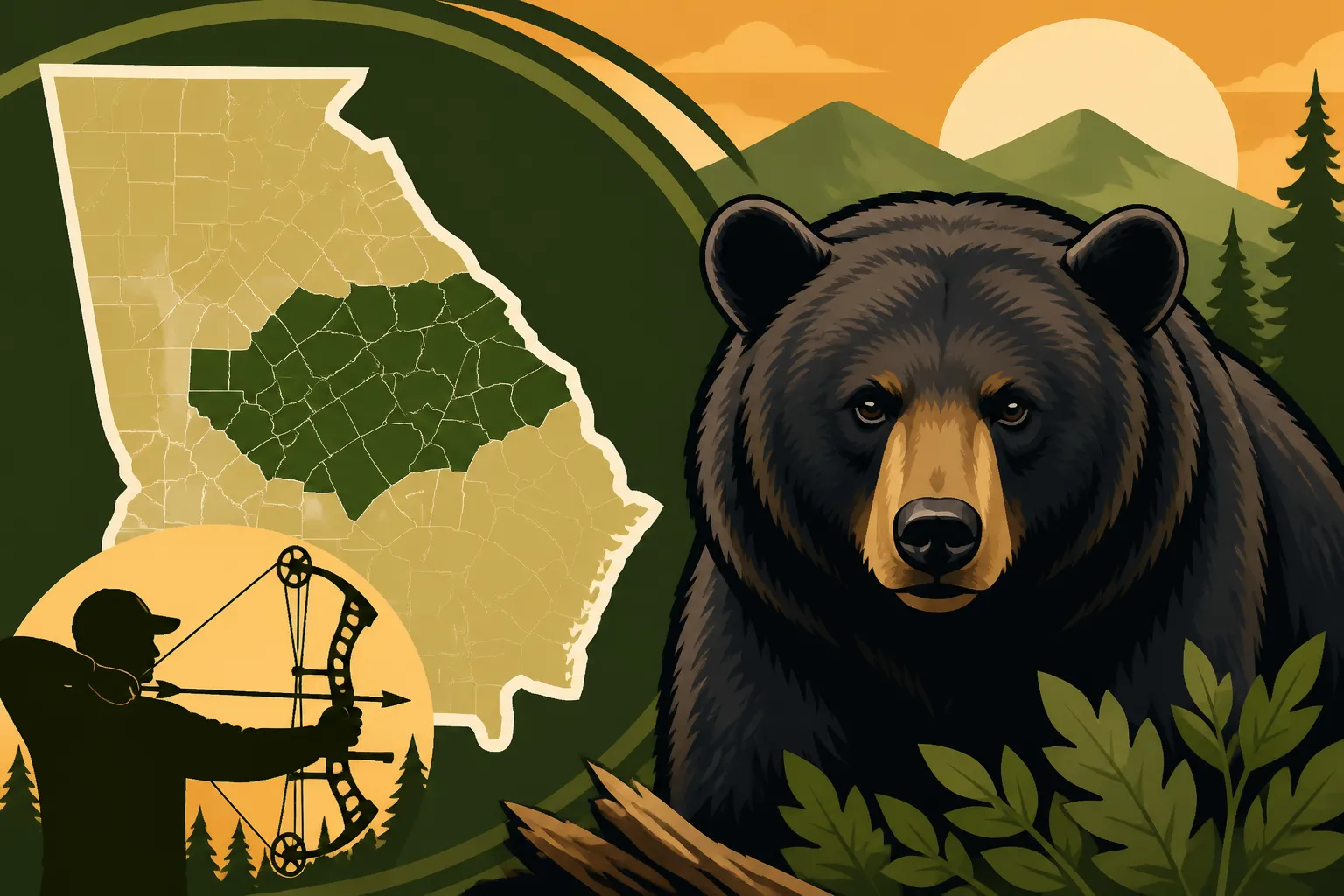
The Central Bear Zone in Georgia primarily encompasses a collection of counties situated around the Ocmulgee River corridor and its tributaries. This region, often characterized by a mix of agricultural land, timber plantations, and significant river swamp ecosystems, provides surprisingly good habitat for black bears, even if it’s not the stereotypical mountainous terrain. It's a landscape of dense undergrowth, mature hardwoods, and plenty of water, offering both food and cover.
Counties that typically fall within or border this zone include areas like Twiggs, Houston, Pulaski, Wilkinson, and Bleckley. While it doesn't boast the sheer acreage of public land found in the northern mountains, this zone does feature significant tracts of public access, notably portions of the Ocmulgee National Forest and various Wildlife Management Areas (WMAs) along the river. You'll often hear this area referred to as the "Ocmulgee Bear Zone" because of this strong geographical connection to the river. Many hunters utilize platforms like GoHunt's mapping tools to clearly delineate these county lines and identify public access points within the Central Zone.
Key Dates for the Central Zone Bear Season
Now, let's get down to brass tacks: the actual dates. The Georgia Central Zone bear season is renowned for its brevity. Unlike the longer seasons in the northern part of the state, the Central Zone typically offers only a very short window, often just a few days, usually on specific weekends in the fall. This condensed timeframe underscores the unique management goals for this particular bear population. It means you can't dilly-dally—you need to be prepared and in the woods when the season is open, because it will be over before you know it.
Archery and Firearms Dates
Historically, the Central Zone has primarily offered firearms hunting dates, sometimes with a preceding archery-only day or two, though this can vary from year to year. For instance, in recent seasons, the Central Zone, often referred to as the Ocmulgee Zone, typically opens for a very limited period, usually consisting of either one or two weekends in late October or early November. These are specific dates, not a continuous stretch, which makes planning absolutely critical.
It's vital to remember that these dates are subject to change annually based on biological surveys, harvest data from previous years, and management decisions by the Georgia DNR. What was true last year might be slightly different this year. Therefore, while this guide provides general insights, always verify the current season dates directly from the official Georgia DNR hunting regulations summary, available on their website or through their Go Outdoors Georgia platform. This proactive step ensures you are fully compliant and don't miss your narrow window of opportunity.
Annual Changes and Verification
It really cannot be stressed enough: the dates for the Central Zone bear season are not static. Every year, the Georgia DNR evaluates the health of the bear population in this zone, assesses recent harvest numbers, and considers other factors like mast crop availability (acorns and other natural foods) that impact bear movement and behavior. Based on this, they set the specific dates for the upcoming season. These seasons are intentionally short and tightly controlled to ensure the continued growth and stability of the bear population in this region.
To avoid any confusion or a wasted trip, your first and most important step before planning any Central Zone bear hunt should be to consult the official Georgia Hunting Regulations. These are updated annually and are the definitive source for all season dates, bag limits, and specific rules. You can usually find these online through the Georgia Wildlife Resources Division website, or you can pick up a physical copy wherever hunting licenses are sold. Many serious hunters also use advanced mapping and regulation platforms like GoHunt to get real-time updates and integrate them directly into their hunt planning. Making a quick call to the local DNR office or checking their online resources a few weeks before your intended hunt dates is a small effort that pays huge dividends.
Navigating Central Zone Bear Hunting Regulations
Beyond just knowing when you can hunt, understanding how you can hunt is paramount. The Central Zone, with its unique ecological considerations, comes with specific regulations designed to manage bear harvest sustainably. These rules cover everything from the types of licenses you need to the way you report your kill. Overlooking any of these details could lead to a disappointing end to your hunt, or worse, legal trouble.
License and Tag Requirements
Before you even think about heading into the woods, ensure your paperwork is in order. For bear hunting in Georgia, you'll need a valid Georgia hunting license, which can be a resident or nonresident license depending on your status. In addition to your basic hunting license, you'll also need a Big Game License. However, for bear specifically, there's also a dedicated bear tag. This is usually issued as part of the Big Game License package or as an endorsement, but it's crucial to confirm you have the specific authorization for bear.
The cost for these licenses and tags can vary. Resident options might include a bundled Sportsman's License which covers many species, while non-residents will pay a higher fee. It's always best to check the current Georgia Bear Tag Cost directly on the Go Outdoors Georgia website to get the most up-to-date pricing. This ensures you're fully covered and legally prepared before you ever step foot into the Central Zone.
Harvest Limits and Checking Procedures
The harvest limit for bears in Georgia's Central Zone is typically very conservative—usually one bear per hunter per season, and often that one bear must be harvested within the Central Zone specifically, meaning if you kill one here, you can't then go kill one in the Northern Zone. This strict limit reinforces the conservation-focused approach to managing this smaller population.
Perhaps the most critical regulation after the harvest limit is the mandatory checking procedure. In Georgia, all harvested bears, regardless of the zone, must be reported to the Georgia DNR within 24 hours of harvest. This is done through the Georgia Game Check system, either online or via phone. However, for bear, there's an additional requirement: the entire carcass, or at least the skull and hide with evidence of sex attached, must be presented to a Georgia DNR Game Management office or designated check station within 72 hours. This allows biologists to collect vital data on age, sex, and other health metrics of the bear, which is absolutely essential for ongoing management and setting future seasons. Don't skip this step! For more detailed instructions, make sure to read up on Georgia Bear Checking Requirements.
Weapon Restrictions and Legal Methods
When hunting bear in the Central Zone, the methods and weapons allowed are generally consistent with those permitted for deer hunting during firearms season. This means most modern firearms, including rifles, shotguns (with slugs), and muzzleloaders, are legal. Archery equipment, including vertical bows and crossbows, is also permitted during the designated bear season dates. However, some common bear hunting practices legal in other states are strictly forbidden in Georgia.
For instance, baiting bears is not allowed anywhere in Georgia, including the Central Zone. You cannot use any food, minerals, or attractants to lure bears. Furthermore, hunting bears with dogs is also generally prohibited in Georgia, outside of a very limited, special quota hunt program that does not typically apply to the general Central Zone bear season. Spotlighting or hunting with the aid of artificial lights at night is also illegal. Hunters must adhere to fair chase principles, utilizing scouting, still-hunting, or stand hunting methods to pursue bears ethically. Make sure to consult the Georgia Hunting Regulations for specific legal firearms for deer hunting, as those rules generally apply to bear as well.
Preparing for a Central Zone Bear Hunt
Hunting bears in the Central Zone is a unique challenge. While the mountains offer rugged terrain, the Central Zone often presents thick, swampy river bottoms, dense pine plantations, and agricultural edges where bears might be present. Successful hunters here are those who do their homework, scout effectively, and pack the right gear for the specific conditions. It’s not a numbers game like some deer hunts; it’s about persistence, knowledge of bear behavior, and understanding the local landscape.
Scouting and Habitat Focus
Effective scouting is absolutely non-negotiable for a Central Zone bear hunt, especially given the short season. Bears in this area will often concentrate their activity around reliable food sources and dense cover. Look for classic bear sign: tracks in soft mud along creek banks and logging roads, scat (which can vary wildly depending on their diet), rub trees where bears scratch and mark their territory, and overturned rocks or logs from foraging.
During the fall, hard mast crops, primarily acorns, are a huge draw. Focus your scouting efforts in hardwood bottoms and ridge lines where oak trees are abundant. If acorns are scarce, bears might shift to other food sources like persimmons, muscadines, or even agricultural fields, particularly corn or peanuts. River bottoms and their associated swamps also provide crucial cover and travel corridors. Platforms like GoHunt allow you to overlay aerial imagery with public land boundaries, making it easier to identify these prime habitat features. To truly understand their movements, it helps to know Where Ocmulgee Bears Range and what local factors influence their travel.
Essential Gear and Safety Considerations
The gear you bring for a Central Zone bear hunt should be robust and suitable for potentially humid, warm conditions, even in late fall. Expect thick brush and possibly muddy, uneven terrain, especially if you're hunting along river bottoms. Snake boots are a wise investment to protect against venomous snakes, which can still be active during warmer periods of the fall. Layered clothing made of moisture-wicking materials is also critical, as temperatures can fluctuate wildly between early morning and midday.
Beyond clothing, a powerful and reliable rifle chambered in a caliber suitable for bear is essential. While many deer calibers suffice, something with good knockdown power is preferable. Consider options like a .30-06, .308, or .270. You'll want to review Rifle Calibers for Georgia Bear to make an informed decision. A quality set of binoculars will aid in glassing distant feeding areas or identifying movement in dense cover. Always carry a first-aid kit, a reliable flashlight or headlamp (even if you plan to be out before dark, things happen), navigation tools (GPS or a mapping app like GoHunt on your phone), and plenty of water. Safety is paramount: tell someone where you're going and when you expect to return.
Ethical Considerations and Post-Harvest Practices
Hunting any big game animal comes with a deep sense of responsibility, and bear hunting is no exception. Ethical hunters prioritize a quick, clean kill. This means taking responsible shots and only shooting when you have a clear, unobstructed path to the vital organs. Broadside or quartering-away shots are generally preferred. Understanding Shot Placement on a Georgia Black Bear is critical before you ever pull the trigger.
After the shot, give the bear ample time before beginning your tracking efforts, especially if the shot wasn't immediately fatal. Bears are incredibly tough animals, and a wounded bear can travel a long distance or seek refuge in incredibly thick cover. Once the bear is recovered, swift field dressing is crucial, particularly in Georgia's typically warm fall temperatures, to ensure the meat doesn't spoil. Have a plan for extraction, as even a small bear can be surprisingly heavy, and dragging one out of a swampy bottom can be an arduous task. Preparing for Handling a Bear After the Shot will make the process much smoother and ensure you honor the animal by properly caring for the meat.
Here's a quick summary of key Central Zone bear hunting information:
| Aspect | Central Zone (Ocmulgee) Bear Hunt Summary |
|---|---|
| Typical Season Dates | Very limited, often 1-2 weekends in late October/early November (verify annually) |
| Primary Weapons | Firearms (rifles, shotguns with slugs, muzzleloaders), Archery (vertical & crossbow) |
| Bag Limit | One (1) bear per hunter per season within the zone |
| Baiting | Strictly Prohibited |
| Dogs | Generally Prohibited (outside specific, limited quota hunts) |
| Light Use | Prohibited (no night hunting with artificial lights) |
| License Requirements | Valid GA Hunting License + Big Game License + Bear Tag |
| Harvest Reporting | Mandatory online/phone report within 24 hours AND physical check within 72 hours |
| Key Habitat | River bottoms, hardwood hammocks, agricultural edges (corn, peanuts), dense cover |
Disclaimer
Hunting regulations can and do change. Always consult the most current official Georgia Department of Natural Resources (DNR) hunting regulations summary before planning any hunt. This guide is for informational purposes only and should not be considered a substitute for official legal documents.