Chattahoochee-Oconee National Forest Hunting
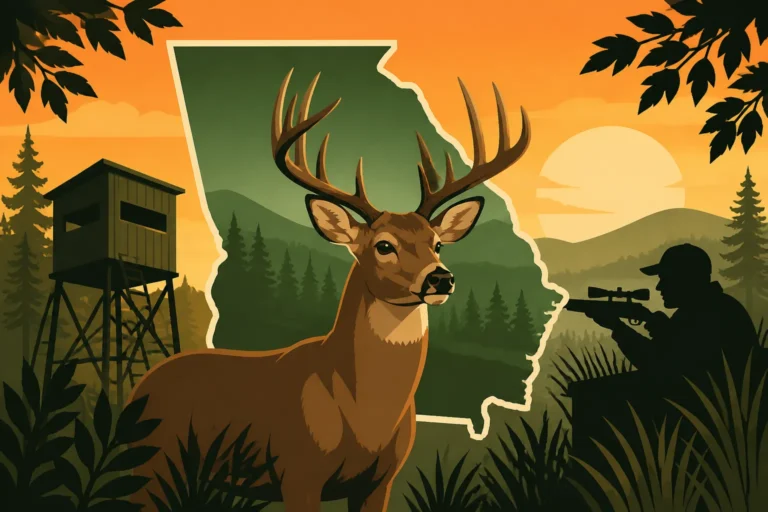
Many hunters dream of vast, untouched public land, but the reality of actually hunting Georgia's immense Chattahoochee-Oconee National Forest can feel overwhelming. It’s not just a big chunk of woods; it’s a complex tapestry of mountains, rolling hills, and river bottoms, each presenting unique challenges and opportunities. This comprehensive guide will cut through the confusion, helping you understand the landscape, navigate the regulations, and develop effective strategies to successfully hunt deer, bear, turkey, and other game in this incredible natural resource.
Understanding the Chattahoochee-Oconee National Forest Landscape
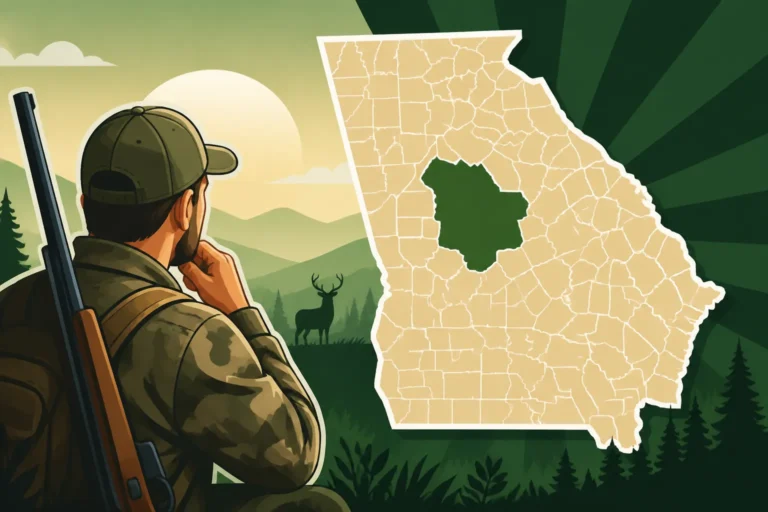
The Chattahoochee-Oconee National Forest is a crown jewel of Georgia, a sprawling expanse of public land that offers an incredible diversity of hunting experiences. Spanning over 867,000 acres, it’s not a single, uniform block of timber but rather two distinct geographical units, the Chattahoochee and the Oconee, each with its own character and charm. Hunters often struggle with the sheer scale and varied terrain, which demands a different approach than hunting small private tracts. Knowing the lay of the land is the first step to successful public land hunting here.
North Georgia Mountains: Rugged Terrain and Species
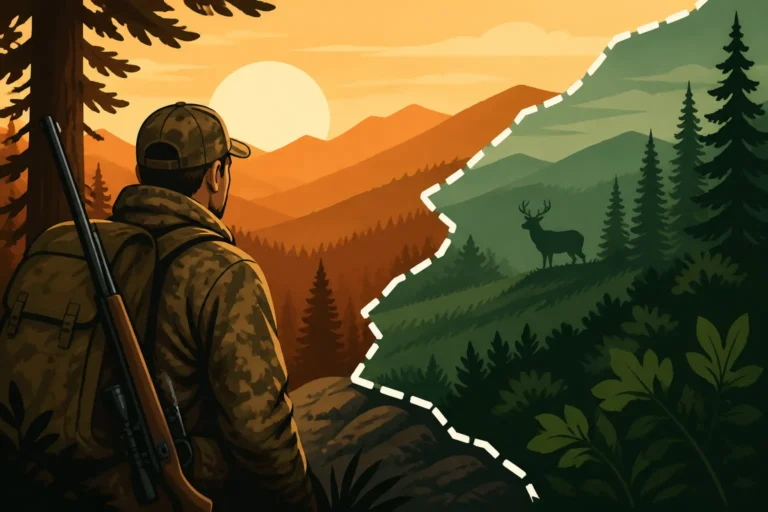
The Chattahoochee portion, primarily located in North Georgia, is defined by its rugged, Appalachian mountain terrain. Here, you'll find steep slopes, deep ravines, cascading streams, and vast hardwood forests interspersed with pine stands. Elevations can vary dramatically, creating complex thermals and wind patterns that can be a real challenge for even seasoned hunters. This mountainous environment naturally influences the game you'll find and how they behave.
Deer in the North Georgia mountains tend to be more spread out and often smaller-bodied than their southern counterparts, but don't let that fool you – the challenge of pursuing them in this tough terrain is immense. Bucks here are often older and wiser, having survived countless hunters simply by being incredibly difficult to access. This region is also a prime location for black bear hunting, with a robust population thriving in the dense cover and abundant mast crops. Turkey populations also exist, often favoring the more open ridges and accessible hardwood bottoms. Hunting here means embracing hard work, physical fitness, and a willingness to hike miles from the nearest road.
Central Georgia's Oconee Section: Different Habitat, Different Hunt
Contrast that with the Oconee National Forest, situated in Central Georgia. This section presents a much different picture, characterized by rolling hills, gently sloping terrain, and significant agricultural influences on its periphery. While still forested, you'll find more pine plantations, mixed hardwoods, and river bottomlands than in the mountains. This difference in habitat dictates a different style of hunting and often supports higher densities of certain game species.
The Oconee's topography, while less strenuous than the Chattahoochee, still offers plenty of cover and opportunities. Deer here can sometimes be more concentrated, particularly around agricultural fields bordering the forest, or along creek and river corridors that act as natural travel funnels. While bear are less common than in the mountains, the Oconee still provides excellent turkey hunting opportunities, especially in areas with mature hardwoods and open understories where they can forage. Understanding these regional differences is crucial; what works in the steep North Georgia mountains might be completely ineffective in the more forgiving, yet equally challenging, Oconee woods.
Ecosections and Their Impact on Game
Within both the Chattahoochee and Oconee National Forests, there are various smaller ecosections, each with distinct flora and fauna that influence game distribution. For instance, high-elevation oak-hickory forests in the Chattahoochee provide abundant acorn crops, drawing deer and bear during the fall. Lower elevations might feature more hemlock and rhododendron thickets, offering excellent bedding cover and escape routes for pressured animals. Similarly, in the Oconee, mature bottomland hardwoods along the Oconee River offer prime habitat for deer and turkey, while nearby pine plantations might hold different densities and patterns of movement.
These subtle variations mean that a successful hunter isn't just looking for "the National Forest" but rather specific types of habitat within it. Learning to identify these ecosections, whether through satellite imagery on mapping apps or through boots-on-the-ground scouting, can reveal crucial insights into where game animals will feed, bed, and travel. A stand placed overlooking a white oak flat will be productive when the acorns are dropping, while a creek bottom funnel will be key during the rut. Ignoring these micro-habitats is like trying to find a needle in a haystack – paying attention to them is like having a metal detector.
Accessing and Navigating the National Forest
Hunting the Chattahoochee-Oconee National Forest isn't like stepping into your backyard woodlot. Its sheer size and the often remote nature of prime hunting areas mean that proper access and navigation are absolutely critical. Many hunters get discouraged simply because they don't know how to effectively find and move through the vast tracts of public land. Without a plan and the right tools, you can easily waste valuable hunting time or worse, get turned around miles from your vehicle.
Identifying Public Access Points and Road Systems
The Chattahoochee-Oconee National Forest has numerous access points, from major highways to small county roads that dead-end deep within its boundaries. Many of these roads are unpaved, forest service roads, some of which may be seasonally closed, gated, or require high-clearance vehicles. It's vital to understand that not all roads within the forest are open to public vehicle traffic, and attempting to drive where you shouldn't can result in fines or damage to your vehicle. Some roads are designated as "hunter walking trails" or are simply old logging roads that have been left to grow over, providing excellent foot access into otherwise hard-to-reach areas.
Before you even leave home, spend time studying maps to identify designated parking areas, forest service road numbers, and any restrictions on vehicle access. Looking for established trailheads or designated recreation areas can often provide a starting point, even if you plan to quickly leave the beaten path. Remember, many prime hunting spots are far from maintained roads, requiring a significant hike. Identifying these access points and understanding the road network is your first line of defense against getting lost or frustrated.
Essential Mapping Tools for National Forest Hunters
In an area as vast and complex as the Chattahoochee-Oconee, relying solely on a paper map or your memory is a recipe for trouble. Modern mapping applications have revolutionized public land hunting, making it far safer and more efficient. Tools like onX Hunt and GoHunt provide invaluable layers that show public and private land boundaries, forest service roads, topographic contours, and even satellite imagery that can reveal hidden food sources or bedding areas. These apps allow you to drop waypoints, track your movement, and navigate confidently even in dense timber with no visible landmarks.
For instance, using onX Hunt, you can see precisely where the National Forest boundary ends and private property begins, preventing accidental trespassing. You can scout potential stand locations from your couch by analyzing terrain features, identifying saddles, draws, and benches that deer might use. Once in the field, these tools act as your constant companion, ensuring you always know your location relative to roads, property lines, and your vehicle. Downloading offline maps is a must, as cell service is often nonexistent in remote areas of the Chattahoochee-Oconee. Don't underestimate the power of these digital aids; they are arguably the most important piece of gear for a public land hunter today.
Rules for Vehicles, Camping, and Trail Cameras
Beyond simply finding access, you need to be aware of the specific rules governing vehicle use, camping, and trail cameras within the National Forest. Vehicle rules typically dictate that you must stay on established roads and trails, often prohibiting off-road travel. Some areas may have seasonal closures or gates, particularly during wet weather to prevent road damage. Always check the local ranger district's website or signage for the most up-to-date information on road status.
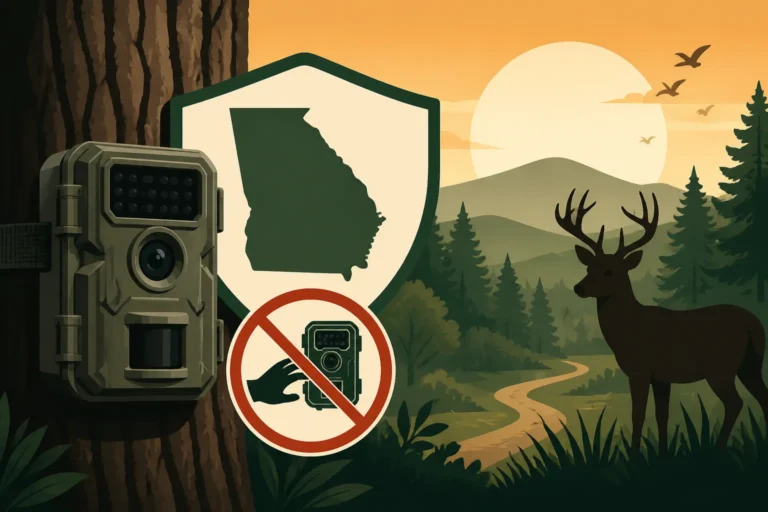
Camping is generally permitted in undeveloped areas of the National Forest, often referred to as "dispersed camping," though there are rules about how far you must be from roads and water sources. Designated campgrounds also exist but come with fees and typically restrict hunting activities directly within their boundaries. Camping Rules on Georgia National Forest Land is a great resource to review before heading out. Trail camera usage on public land is a hot topic, and while generally allowed, specific WMAs or areas might have restrictions on how long they can be left out, how they are marked, or even their use altogether. Always check the regulations for the specific area you plan to hunt. Improper use of vehicles, camping, or trail cameras can lead to citations, so being informed is key to an enjoyable and legal hunt.
Key Game Species and Seasons in the National Forest
The Chattahoochee-Oconee National Forest offers a diverse array of hunting opportunities, but understanding which game species are prevalent in which areas, and when their seasons occur, is crucial for planning a successful hunt. This isn't a one-size-fits-all hunting ground; the species you target and your strategies will vary significantly depending on whether you're in the rugged mountains or the rolling piedmont. Knowing the seasons and the specific rules for each species is paramount.
Deer Hunting Opportunities and Challenges
White-tailed deer are, without a doubt, the most popular game animal pursued in the Chattahoochee-Oconee National Forest. Both the Chattahoochee and Oconee sections offer deer hunting, though the density and behavior of the deer can differ significantly. In the North Georgia mountains, deer are often less numerous but can be older and present a greater challenge due to the steep terrain and vast areas of cover. In the Oconee section, especially near agricultural fringes, deer densities might be higher, but hunting pressure can also be more intense. Chattahoochee National Forest Deer Ground and Oconee National Forest Deer Ground offer more specifics on where to find them.
Georgia's deer season is generous, often running from early archery through firearms season into early January. However, specific WMA (Wildlife Management Area) sections within the National Forest may have shorter, more restrictive seasons, often with quota hunts or specific weapons-only periods. Always check the Georgia Department of Natural Resources (DNR) regulations for the exact dates and rules for your chosen hunting area. The challenge of deer hunting here lies in the vastness; finding deer often means covering significant ground and being willing to get off the beaten path where other hunters won't venture. It's a game of patience, persistence, and strategic scouting to locate their travel corridors, bedding areas, and preferred food sources within the immense forest.
Black Bear in the Mountain Zones
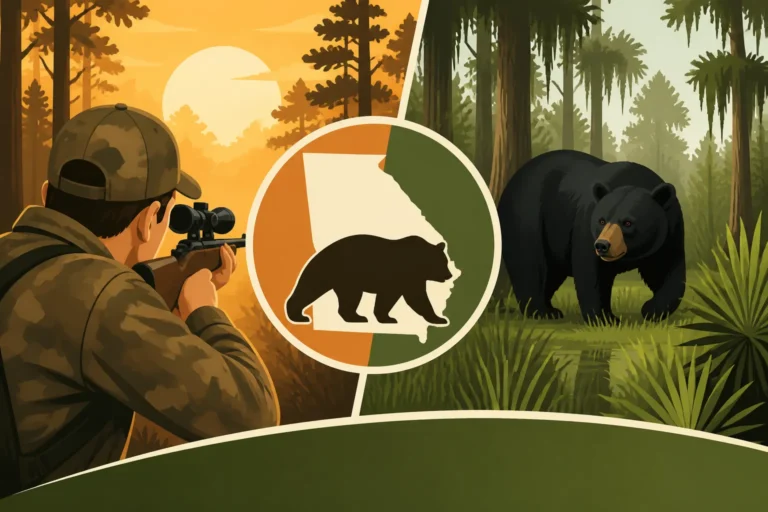
For those seeking a truly challenging big game experience, the Chattahoochee National Forest is home to a healthy black bear population. Georgia's bear hunting opportunities are primarily concentrated in specific zones, and the North Georgia mountains within the Chattahoochee National Forest represent one of the state's most popular. Georgia's Three Bear Hunting Zones provides a broader overview, but the Chattahoochee is definitely where the action is for many bear hunters.
Bear seasons are typically short and often coincide with or immediately follow deer season, making it a unique opportunity for hunters. These hunts require specialized knowledge, as bears are incredibly elusive and inhabit dense, rugged terrain. Hunters often focus on areas with abundant mast crops, like oak ridges, or areas with thick cover that provides security. Success often comes from extensive scouting, understanding bear sign, and being prepared for a strenuous hunt. Hunting the North Georgia Mountain Bear Zone delves deeper into tactics for this species. It’s not for the faint of heart, but harvesting a black bear in these mountains is an unforgettable experience.
Wild Turkey Tactics and Season Structure
Spring turkey hunting in the Chattahoochee-Oconee National Forest can be incredibly rewarding, offering a challenging pursuit against the backdrop of awakening woods. Wild turkeys are present in both sections of the National Forest, though their distribution varies. In the Chattahoochee mountains, gobblers often roost high on ridges and can be incredibly vocal, but the steep terrain can make closing the distance a real workout. In the Oconee, turkeys might be found in more open hardwood bottoms and near agricultural interfaces, but often face higher hunting pressure.
Georgia's spring turkey season typically runs from late March or early April through mid-May. However, just like with deer, specific WMAs within the National Forest will have their own set of rules, including different opening dates and often a reduced bag limit compared to private land. Georgia Spring Turkey Season Rules outline the statewide regulations. Successful National Forest turkey hunting demands mobility, excellent calling skills, and the ability to adapt to a bird's unpredictable movements. Roosting birds the evening before, then making a strategic setup before dawn, is a common tactic. Be prepared to hike, listen intently, and sometimes run-and-gun to connect with a callable gobbler in these vast woods.
Hunting Regulations Specific to the Chattahoochee-Oconee National Forest
Navigating hunting regulations can be a headache anywhere, but when you throw in the complexities of a National Forest that also contains multiple Wildlife Management Areas (WMAs), it becomes even more critical to do your homework. Many hunters mistakenly assume that statewide regulations apply uniformly, but that's rarely the case on specific public lands. Ignoring these nuances can lead to citations, fines, or even losing your hunting privileges.
General Statewide Regulations vs. National Forest Specifics
While the general framework of Georgia's hunting laws applies to the Chattahoochee-Oconee National Forest, there are often specific overlays that modify or add to these rules. For instance, statewide deer bag limits are quite generous, but on certain National Forest WMAs, the antlered buck limit might be reduced to one, or antlerless harvest might be restricted to specific dates. Weapon types can also vary; some areas might be archery-only, while others allow primitive weapons or firearms during certain periods. It’s a good idea to always consult the current Georgia Hunting Seasons and Regulations guidebook, paying particular attention to the sections specifically covering National Forest land and any associated WMAs.
This distinction is not just academic; it dictates everything from what weapon you can carry on a given day to how many animals you can harvest. For example, some areas within the National Forest might permit deer hunting during the statewide archery season, but then transition to a quota firearm hunt later in the fall. Missing these details can mean showing up with the wrong gear or hunting illegally. Always verify the rules for the specific compartment or WMA you intend to hunt, as opposed to just relying on the broad statewide dates.
Wildlife Management Area WMA Rules and Quota Hunts
A significant portion of the Chattahoochee-Oconee National Forest is managed as Wildlife Management Areas (WMAs). These WMAs operate under their own specific sets of rules, which can be more restrictive than general National Forest guidelines. Many popular WMAs, especially for deer and bear, utilize quota hunts, where a limited number of hunters are selected through a lottery system to ensure a quality hunting experience and manage game populations. If you plan to hunt one of these areas, you'll need to apply well in advance and hope your name is drawn.
Even for non-quota hunts, WMAs often have different season dates, bag limits, and even hunter orange requirements than the surrounding National Forest or private lands. For example, some WMAs might have an archery-only season that doesn't align perfectly with the statewide archery dates, or they might have specific check-in/check-out procedures. You also need a Georgia WMA Access Stamp in addition to your regular hunting license to hunt on these lands. It’s crucial to research the specific WMA you're interested in, checking its individual section in the regulations booklet or its dedicated page on the Georgia DNR website. This will tell you if it's a quota hunt, what weapons are allowed, and what the harvest limits are.
Blaze Orange and Hunter Education Requirements
Safety is paramount when hunting on public land, and Georgia has clear requirements for hunter education and blaze orange. Georgia Hunter Education Requirements generally state that anyone born on or after January 1, 1961, must complete a hunter education course to purchase a season hunting license in Georgia. There are exceptions for apprentice licenses, but for full licensure, this is a must-do. This education covers crucial topics like firearm safety, ethical hunting practices, and basic wildlife identification, all vital skills for navigating the National Forest safely.
Blaze orange requirements are also strict, especially during firearms seasons. Typically, during any firearms deer, bear, or feral hog hunt on public land (including the National Forest), hunters are required to wear a minimum of 500 square inches of visible blaze orange above the waist, including a head covering. The logic here is simple: it dramatically increases your visibility to other hunters, significantly reducing the risk of accidental shootings. While archery season often has relaxed orange requirements, it's always a good practice to wear at least a small amount of orange, especially when entering or exiting your stand. Blaze Orange Requirements explains the specifics. It's a small price to pay for safety, and it's a regulation that should never be ignored.
Effective Strategies for Hunting the National Forest
Hunting the vastness of the Chattahoochee-Oconee National Forest requires more than just showing up with your gear. It demands strategic thinking, a willingness to work hard, and an understanding of how game animals behave on heavily pressured public land. What works on a small private lease might fail spectacularly in these expansive woods. Success hinges on a thoughtful approach to scouting, stand placement, and adapting to the unique challenges of the terrain.
Scouting the Vastness Before Season
Pre-season scouting is absolutely non-negotiable for success in the National Forest. You simply cannot expect to stumble into prime hunting ground on opening day. Start by pouring over maps, both topographical and aerial imagery, looking for natural funnels, ridges, saddles, draws, and potential bedding areas. Tools like onX Hunt are invaluable here, allowing you to mark potential spots, measure distances, and understand the terrain from a bird's-eye view. Look for areas away from roads and trails, as these often receive less pressure. Scouting Georgia Public Land Before Season provides an excellent foundation for this.
Once you have identified promising areas on the map, it's time for boots-on-the-ground scouting. Hike into these spots, even in the off-season, to confirm what you saw on the map. Look for old rub lines, scrape areas, well-used trails, and natural food sources like acorns or persimmons. Pay attention to how deer move through the landscape – where they cross creeks, climb ridges, or bottleneck between thickets. The National Forest is massive, and successful scouting means narrowing down vast tracts to a few specific, high-potential spots where you've found fresh sign. Don't be afraid to walk miles; the further you get from the truck, the better your chances of finding undisturbed game.
Still-Hunting and Stand Placement in Mountain Terrain
In the rugged North Georgia mountains, still-hunting can be a highly effective tactic, especially for deer and bear. This involves moving slowly and deliberately through the woods, pausing frequently to observe, listen, and glass ahead. The natural contours of the mountains often provide excellent cover for hunters to slip through, using ridges and draws to their advantage. When still-hunting, pay close attention to wind and thermals. Wind and Thermals on a Mountain Ridge are critical factors here, as air currents in the mountains can shift dramatically with changes in temperature and sunlight. You need to understand how these air movements carry your scent to avoid spooking game.
For stand placement, focus on identifying natural funnels and pinch points. A saddle between two ridges, a narrow bench halfway up a steep slope, or a creek crossing in a deep draw can all be prime locations. Look for areas where multiple deer trails converge or where you've found consistent fresh sign. Consider using lightweight, portable treestands or saddle hunting setups that allow you to be mobile and adapt to changing conditions. Treestand Setups in North Georgia Mountains are often focused on stealth and packability. Remember, you're competing with other hunters, so getting into areas that are difficult to access can pay dividends.
Understanding Pressure and Finding Undisturbed Areas
Public land, especially on opening day or during peak weekends, can see significant hunting pressure. Deer, turkey, and bear on the Chattahoochee-Oconee quickly learn to avoid easy-to-reach areas. A key strategy for success is understanding hunter pressure and actively seeking out areas that others overlook or are unwilling to access. This often means walking further, climbing higher, or navigating thicker cover.
Consider hunting during weekdays, or later in the season when crowds have thinned. Look at aerial maps for areas with minimal road access, or those surrounded by thick, nasty cover that deters many hunters. Sometimes, finding a small pocket of private land bordering the National Forest can be beneficial, as deer often use the public land for bedding and security cover, only moving to the private land for feeding. When you find fresh sign in a remote, difficult-to-reach area, you've likely found a spot where deer feel safe. Be prepared to put in the effort, and you'll often be rewarded with sightings of less pressured animals.
Gear and Preparation for National Forest Hunting
Hunting the Chattahoochee-Oconee National Forest demands a specific approach to gear. This isn't a casual morning stroll; it's often a physically demanding excursion into remote, sometimes rugged, terrain. Having the right equipment can make the difference between a successful, safe, and enjoyable hunt, and one filled with discomfort, frustration, or even danger. From your pack to your weapon, every piece of gear needs to be thoughtfully considered for the challenges of Georgia's public lands.
Essential Pack Items for Safety and Comfort
Your hunting pack is your lifeline in the National Forest. Given the vastness and potential for remote travel, a well-stocked pack is non-negotiable. Beyond the basics of your weapon and ammunition, you should always carry a reliable mapping device (like your phone with onX Hunt maps downloaded offline, or a dedicated GPS unit), a compass, and a small first-aid kit. Dehydration is a real concern, especially during early season hunts, so sufficient water or a water filter is crucial. Packs Built for a Chattahoochee Day Hunt often emphasize lightweight and durable options.
Other essentials include a headlamp (even for day hunts, in case you're tracking after dark), a knife, fire-starting materials, and emergency shelter like a space blanket. Layers of clothing, even if you start warm, are important as temperatures can fluctuate. Snacks for energy are a good idea, as are items for field dressing your game. Don't forget bug spray, especially during the warmer months, as ticks and mosquitoes can be relentless. Think about everything you might need if you were unexpectedly stuck out overnight, or if you had to quarter and pack out an animal several miles.
Weapon Choices for Diverse National Forest Game
The Chattahoochee-Oconee National Forest allows for a variety of weapon choices, depending on the season and specific WMA rules. For deer, popular choices include modern centerfire rifles, muzzleloaders, and bows (vertical and crossbows). When choosing a rifle caliber, consider the terrain; while long shots are possible in some areas, many shots will be taken in dense woods at shorter ranges. A versatile caliber like a .308 or 6.5 Creedmoor works well, but even a .30-30 can be effective in thick cover. Always confirm legal calibers for the area you hunt.
Bowhunters have a long season and enjoy the challenge of getting close to game. When choosing broadheads, ensure they are legal and effective for the species you're pursuing. For bear, a larger caliber rifle is often recommended due to the animal's size and toughness. Turkey hunters typically use 12-gauge or 20-gauge shotguns with specialized turkey loads and tight chokes. Regardless of your weapon choice, ensure it is sighted in properly, you are proficient with it, and you understand the specific regulations for its use on your chosen hunting dates and location.
Clothing and Footwear for Varying Conditions
Georgia's weather can be unpredictable, especially in the mountains, so your clothing and footwear choices are paramount. Layering is always the best strategy. For early archery season, lightweight, breathable camo is essential to manage heat and humidity. As fall progresses, you'll want mid-layers for insulation and a good outer layer that's quiet and provides protection from wind and light rain. Warm-Weather Clothing for Georgia Hunters is important to consider for those early season sits. During the colder late season, insulated waterproof outerwear is a must.
Footwear needs to be comfortable, supportive, and durable, capable of handling miles of uneven terrain, mud, and sometimes water. Good quality hiking boots with excellent ankle support are ideal for the mountains. In swampier or wetter areas, waterproof rubber boots are often preferred to keep your feet dry. Snake boots can offer peace of mind, especially during warmer months, as venomous snakes are prevalent in some areas. Remember to break in new boots well before your hunt to avoid painful blisters. Your clothing and footwear should allow you to remain comfortable and focused, no matter what the National Forest throws at you.
Challenges and Considerations for National Forest Hunters
Hunting the Chattahoochee-Oconee National Forest is an incredibly rewarding experience, but it's important to go into it with realistic expectations. This isn't a guaranteed harvest, and it's certainly not always comfortable. Public land hunting presents unique challenges that private land hunters often don't encounter, from managing expectations around other people to being fully prepared for the raw demands of nature. Acknowledging and preparing for these hurdles is key to having a positive and safe experience.
Dealing with Hunting Pressure and Other Users
One of the most significant challenges on public land, especially the Chattahoochee-Oconee, is managing expectations around other hunters. On opening day of firearms season or during popular weekends, you can expect to encounter other individuals or groups. This can manifest as vehicles parked along forest roads, other hunters walking through areas you planned to hunt, or even treestands set up near your chosen spot. It can be frustrating, but it's part of the reality of shared resources.
Beyond hunters, the National Forest is also used by hikers, mountain bikers, horseback riders, and campers. While these users are often confined to designated trails or areas, they can still inadvertently spook game or create unexpected encounters. The best way to deal with pressure is to actively avoid it. Hunt during weekdays, explore harder-to-reach areas, or consider hunting areas specifically managed for different species if deer pressure is too high. Always remain courteous and respectful to all users of the forest, and never engage in confrontations. Your attitude can make or break your day.
Physical Demands and Remote Terrain
Hunting the Chattahoochee-Oconee National Forest, particularly the mountainous Chattahoochee section, is physically demanding. Steep inclines, rocky terrain, dense undergrowth, and long walks are the norm, not the exception. It's not uncommon to hike several miles, often with significant elevation changes, just to reach your desired hunting spot. This physically challenging environment is a major reason why many hunters don't venture far from roads, creating opportunities for those willing to put in the effort.
Beyond the physical exertion, the terrain can also be remote. Cell service is often nonexistent in deeper sections of the forest, meaning you can't rely on your phone for communication or navigation (unless maps are downloaded offline). Getting injured or lost in these remote areas can be serious, and help can be hours away. This emphasizes the need for proper planning, carrying emergency supplies, and letting someone know your detailed hunting plans. Don't underestimate the physical and logistical demands; proper physical conditioning and a robust emergency plan are vital.
Weather Extremes and Emergency Preparedness
Georgia weather, particularly in the mountains, can change rapidly and be extreme. Early season hunts can see sweltering heat and humidity, leading to heat exhaustion and dehydration risks. Later in the season, temperatures can plummet, bringing freezing rain, sleet, or even snow, especially at higher elevations. A warm, sunny morning can quickly turn into a cold, wet afternoon, catching unprepared hunters off guard.
Being prepared for weather extremes means carrying appropriate layered clothing, rain gear, and sufficient water or a means to purify it. A small emergency kit with fire-starting materials, a space blanket, and basic first aid supplies can be invaluable. Always check the weather forecast for your specific hunting area before heading out, and be prepared to cut your hunt short or seek shelter if conditions become dangerous. Having a plan for what to do if you get lost, injured, or if your vehicle breaks down in a remote location is not paranoia; it's smart planning for the realities of hunting a vast National Forest.
Conservation and Respecting the National Forest
Hunting in the Chattahoochee-Oconee National Forest is a privilege, not a right. As hunters, we are stewards of the land and its wildlife. Our actions in the forest directly reflect on the hunting community and can impact the future availability of these public lands for recreation. Practicing ethical hunting, minimizing our impact, and actively participating in conservation efforts are responsibilities that come with the pursuit.
Practicing Ethical Hunting and Leave No Trace
Ethical hunting goes beyond simply following the law; it's about respecting the game, the land, and other users. This means making clean, humane shots, knowing your effective range, and diligently tracking any wounded animal. It means properly field dressing and caring for your harvest, ensuring no meat is wasted. For the National Forest itself, practicing "Leave No Trace" principles is paramount. Pack out everything you pack in, including spent shell casings, food wrappers, and any trash you might find left by others.
Avoid cutting live trees for shooting lanes or building ground blinds, unless explicitly permitted. Use existing trails and roads to minimize impact on vegetation. If you use a treestand, follow regulations regarding its placement and removal. Treestand Rules on Georgia Public Land generally prohibit leaving stands unattended for extended periods or causing damage to trees. Our goal should be to leave the forest in better condition than we found it, ensuring that future generations can enjoy the same wild spaces and hunting opportunities.
Reporting Violations and Protecting Resources
Part of being a responsible hunter and steward is actively protecting the resource from those who would misuse it. If you witness poaching, illegal dumping, vandalism, or any other violation of forest regulations or wildlife laws, it is your duty to report it. Georgia's Department of Natural Resources (DNR) relies on the public's eyes and ears to help enforce these rules and protect wildlife. While it might feel uncomfortable, reporting violations is crucial for maintaining healthy game populations and preserving the integrity of our public lands.
When reporting, try to gather as much information as possible: date, time, location, description of individuals or vehicles involved (license plate numbers are invaluable), and the nature of the violation. Do not confront individuals directly; simply observe, document, and report to the proper authorities. This vigilance helps ensure that the Chattahoochee-Oconee National Forest remains a sustainable and enjoyable place for all ethical hunters and outdoor enthusiasts.
Participating in Conservation Efforts
Beyond individual actions, actively participating in conservation efforts is a powerful way to give back to the National Forest. This could involve joining local conservation groups, volunteering for trail maintenance or habitat improvement projects, or simply purchasing conservation licenses and stamps that directly fund wildlife management programs. Organizations like the National Wild Turkey Federation, Quality Deer Management Association, and various local hunting clubs often partner with the Georgia DNR and the U.S. Forest Service on projects within the Chattahoochee-Oconee.
Your hunting license fees and purchases of things like the Georgia Big Game License or the WMA Access Stamp directly contribute to the management and preservation of these lands and their wildlife. Georgia Hunting Licenses and What They Cost shows how your contributions add up. By supporting these initiatives, you're investing in the future of hunting and the health of the National Forest ecosystem. Hunting the Chattahoochee-Oconee National Forest is a privilege that comes with responsibility, and embracing that responsibility ensures these incredible wild spaces remain for generations to come.
Disclaimer
This article is for general informational purposes only and does not constitute professional advice. Laws, prices and regulations vary by location and change over time. Consult a qualified professional for guidance on your specific situation.