Georgia Southern Bear Zone Season Rules
Hunting black bears in Georgia can feel like chasing ghosts, especially if you're venturing into the unique and often misunderstood Southern Bear Zone. Unlike the more recognized mountain hunts, the swamps and pine flats of South Georgia present a whole different set of challenges, from understanding obscure regulations to deciphering bear behavior in flatland environments. This comprehensive guide is here to untangle the complexities of the Georgia Southern Bear Zone season rules, helping you navigate the permit process, pinpoint prime hunting times, and prepare for a successful, ethical hunt in some of the state's most distinctive habitats.
Understanding Georgia's Bear Zones
Georgia's approach to black bear management is a testament to the diverse habitats and bear populations found across our state. It's not a one-size-fits-all situation, and that's precisely why understanding the specific zones is so crucial for any hunter. Each zone has its own characteristics, population densities, and, consequently, its own set of rules and hunting opportunities.
North, Central, and Southern Zones Compared
When you look at a map of Georgia, you'll see it's roughly divided into three distinct bear zones: the Northern, Central (Ocmulgee), and Southern (Altamaha/Okefenokee) zones. The Northern Zone, nestled in our beautiful Appalachian Mountains, boasts the largest and densest bear population. This is where many hunters envision classic Georgia bear hunting, with sprawling national forests and a more extended season.
The Central, or Ocmulgee, Zone is a smaller, more contained area, primarily comprising the Ocmulgee National Forest and surrounding river bottoms. Its bear population is significant but often localized, requiring careful management through very limited quota hunts. Opportunities here are rare, making successful application a long shot for many.
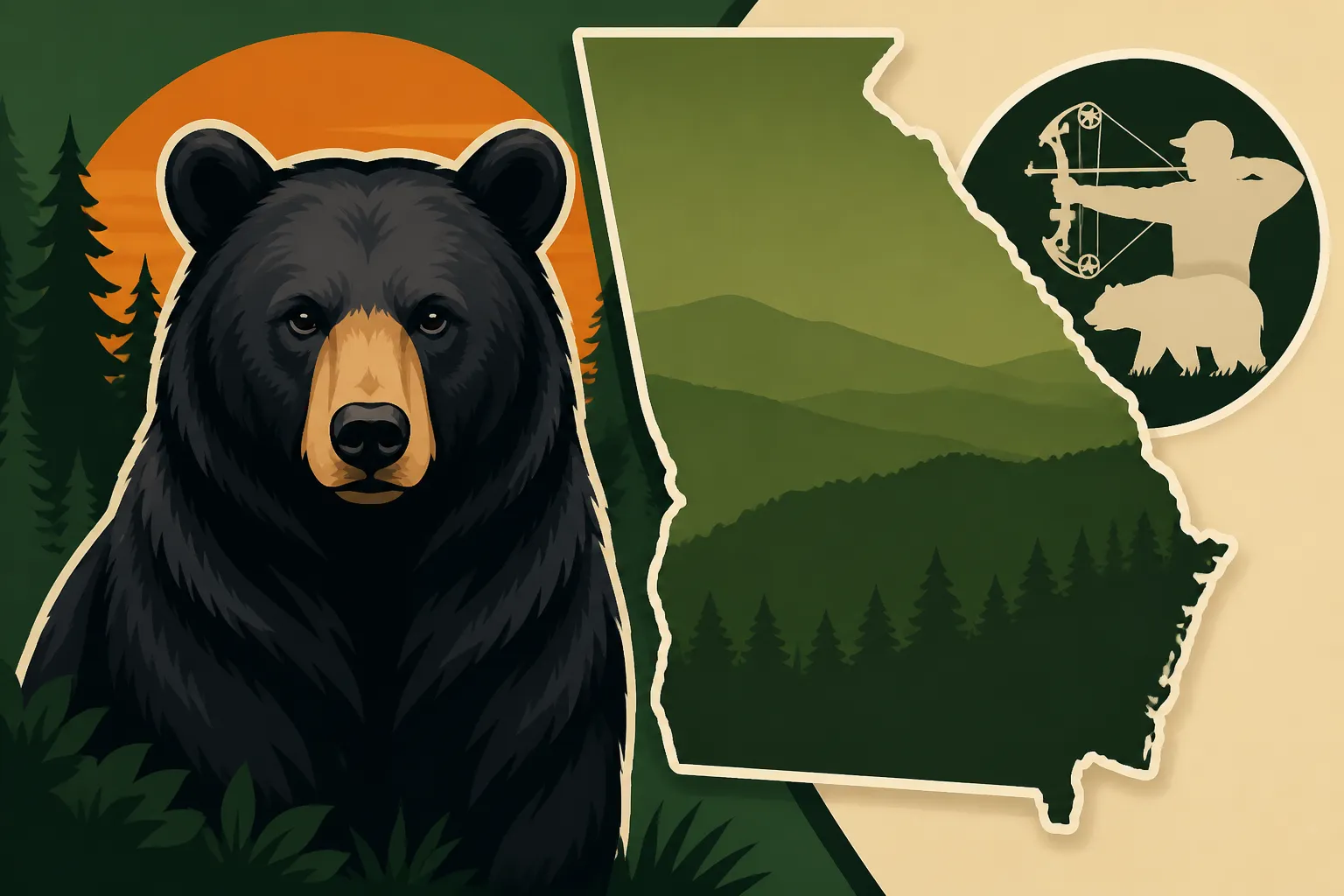
Then there's our focus: the Southern Zone. This region is a world apart from the mountains, characterized by vast expanses of cypress swamps, pine flatwoods, and agricultural lands that influence bear behavior and hunting dynamics profoundly. It’s a truly unique environment, demanding a different approach from hunters in every aspect, from scouting to gear choices. For a broader overview of the state's strategy, you might want to read more about Georgia's Three Bear Hunting Zones.
Why Zones Are Necessary
The creation of these distinct bear zones isn't just bureaucratic red tape; it's a scientific necessity. Different habitats support different bear densities and behaviors. Bears in the mountains face different food availability, denning sites, and human interactions than those navigating the flat, often agricultural landscapes of South Georgia. Wildlife biologists use these zones to implement tailored management strategies that best suit the local bear populations and their environments.
This zoned approach allows the Georgia Department of Natural Resources (DNR) to set specific season lengths, bag limits, and hunting methods that ensure sustainable bear populations while also addressing concerns like human-bear conflicts. For instance, in areas where bears might be impacting agricultural crops, management might focus on specific quotas or seasons to mitigate damage, whereas in remote wilderness areas, the focus might be on maintaining population health and natural dynamics. It's about balancing conservation with providing hunting opportunities across a complex landscape.
The Uniqueness of the Southern Bear Zone
The Southern Bear Zone truly stands alone in Georgia's hunting landscape. Forget rugged mountain climbs or deep hardwood hollows; here, you're looking at a different kind of wilderness, one defined by water, dense vegetation, and a climate that challenges both hunter and hunted.
Geographical Boundaries and Habitat
The Southern Bear Zone primarily encompasses what's known as the Altamaha and Okefenokee regions, stretching across parts of Brantley, Camden, Charlton, Clinch, Echols, Glynn, Ware, and Wayne counties. This isn't your typical forested hunting ground. Instead, imagine vast cypress and tupelo swamps, dark water flowing through dense canopies, mixed with extensive longleaf pine flatwoods, thick pocosins (wet, boggy areas), and rich river bottomlands. It’s a mosaic of habitats that provide incredible cover and food sources for bears.
This unique environment means bears here behave differently. They're often more nocturnal or crepuscular, using the thick cover of the swamps for refuge during the day and emerging to feed in more open areas, including agricultural fields on private lands, during low light. Food sources are abundant but varied, from palmetto berries and gallberries to water oak acorns and even cultivated crops like corn or peanuts, especially if they're left standing. Navigating this terrain is a significant challenge; think wading through water, pushing through dense palmetto thickets, and constantly battling heat, humidity, and an army of biting insects. It’s a hunt for those who truly embrace the wild side of Georgia.
Population Dynamics and Management Goals
While the Northern Zone boasts sheer numbers, the Southern Zone has a robust, resilient bear population that is well-adapted to its unique environment. These are often larger-bodied bears, benefiting from a rich diet provided by the coastal plain's diverse vegetation and agricultural resources. However, their numbers tend to be more dispersed across a larger area compared to the concentrated populations in the mountains. The DNR's goal here isn't just about managing population size; it's about maintaining a healthy, viable population that coexists with the agricultural and human communities in the region.
Management in the Southern Zone often focuses on targeted, limited quota hunts to control local densities and prevent excessive human-bear conflicts, particularly around crops. It’s a delicate balance, ensuring that hunting contributes to conservation by keeping the population within ecological carrying capacity and fostering public tolerance for bears. Understanding these dynamics is key to appreciating why the seasons are so structured and the opportunities so coveted.
Key Season Dates and Regulations
If you're eyeing a bear hunt in Georgia's Southern Zone, marking your calendar with the precise season dates isn't just important—it's absolutely critical. These are not open-ended, weeks-long seasons; they are typically highly restricted windows of opportunity, often limited to specific weekends.
Specific Hunt Dates and Times
The Southern Bear Zone's hunting opportunities are almost exclusively tied to highly specific, short-duration quota hunts. Historically, these have been single weekends or a few select days in the fall, often in September or October, to coincide with peak bear activity around certain food sources. The exact dates shift annually, based on population surveys, habitat conditions, and management objectives set by the Georgia DNR. It’s not uncommon for these seasons to be as short as two or three days!
Because of this variability, my absolute best advice is to always consult the official Georgia DNR hunting regulations annually. You can find these on their website, often under the "Hunting Regulations" or "Big Game" sections. Don't rely on last year's calendar or word of mouth. Using a robust hunting platform, like GoHunt, can be incredibly helpful here, as they often compile and update state regulations, but always cross-reference with the official DNR source. It's the only way to ensure you're hunting legally and ethically. Legal hunting hours typically follow standard daylight regulations, usually 30 minutes before sunrise to 30 minutes after sunset, but again, confirm these specifics in the annual regulations.
Legal Methods and Weaponry
Hunting in the Southern Bear Zone, like all bear hunting in Georgia, strictly adheres to fair chase principles. This means that baiting bears is absolutely prohibited statewide, and the use of dogs for bear hunting is also not permitted. You're relying on your scouting, tracking skills, and patience to find these elusive animals.
As for weaponry, Georgia generally allows a wide array of options for bear hunting, provided they meet minimum requirements. This includes centerfire rifles of .22 caliber or larger, shotguns 20 gauge or larger using slugs, handguns with a barrel length of 4 inches or more and a caliber of .22 or larger (though larger calibers are highly recommended for ethical bear hunting), muzzleloaders, and archery equipment (vertical bows and crossbows). For archery, broadheads must be used, and they must meet specific cutting diameter or blade length requirements. It’s imperative to review the "Georgia Legal Firearms for Deer Hunting" and other specific weapon regulations each year to ensure your equipment is compliant for bear. Given the often dense cover in the Southern Zone, a powerful, accurate weapon that allows for quick, clean kills at closer ranges is highly advisable.
Summary of Georgia Bear Zone Seasons
| Zone | Primary Location | Season Length & Type | Typical Timeframe | Notes |
|---|---|---|---|---|
| Northern Zone | North Georgia Mountains | Longer; Archery & Firearms seasons | Sept – Jan (with breaks) | Highest population, most opportunities |
| Central (Ocmulgee) Zone | Ocmulgee River Corridor | Very Short; Limited Quota Hunts | Late Oct – Early Nov | Smallest zone, highly restricted, low draw odds |
| Southern (Altamaha/Okefenokee) Zone | Coastal Plain Swamps & Pine Flats | Very Short; Limited Quota Hunts (weekends) | Sept – Oct | Unique habitat, challenging hunting, moderate population |
Permits, Licenses, and Reporting Requirements
Navigating the administrative side of a Southern Zone bear hunt is just as crucial as understanding the terrain. Without the right permits and licenses, your hunt won't even get off the ground. These are not open-access hunts, and proper reporting is mandatory for conservation.
Quota Hunt Application Process
This is perhaps the most critical step for anyone hoping to hunt bears in the Southern Zone: you must draw a quota permit. Unlike the Northern Zone, where seasons are often open to any licensed hunter, Southern Zone bear hunts are almost exclusively managed through a lottery system. This means you need to apply during a specific window, cross your fingers, and hope your name gets drawn. The application period for Georgia Quota Hunt Application Season is usually in the summer months, often July or August, so pay close attention to the DNR's announcements.
To apply, you'll typically use the Georgia Department of Natural Resources' "Go Outdoors Georgia" platform. This is the central hub for all license and permit applications. While applying, you'll need to select your preferred zone and hunt type. The odds of drawing a Southern Zone permit can be tough due to the limited number of tags issued. Many persistent hunters build up Georgia Quota Hunt Preference Points over time, which can improve their chances in future drawings. Platforms like GoHunt often provide preference point tracking and reminders for application deadlines, making it easier to stay on top of this critical process. Think of it like applying for a coveted tag out West; patience and consistency are your best friends.
Mandatory Harvest Reporting
Successfully harvesting a bear in Georgia's Southern Zone is an incredible achievement, but the hunt isn't truly over until you've reported your kill. Mandatory harvest reporting is not merely a formality; it's a vital component of wildlife management and conservation. Every bear taken provides essential data for biologists to assess population health, harvest rates, and to inform future management decisions.
The process is straightforward: after harvesting a bear, you are required to report it through the Georgia Game Check system. This can typically be done online via the DNR website or through their mobile app, or by calling a designated phone number. You'll need to provide details such as the date and time of kill, the county, the sex of the animal, and potentially other information like weight or specific location details. This information helps the DNR understand Georgia Bear Harvest Numbers and ensures sustainable hunting opportunities for years to come. Failure to report a harvested bear is a violation of state law and can result in significant penalties, so make sure you understand the Georgia Bear Checking Requirements before you head afield.
Tactics and Considerations for Southern Zone Bear Hunting
Hunting the Southern Bear Zone is an experience unlike any other in Georgia. It demands adaptability, persistence, and a deep understanding of how bears interact with this unique, often watery landscape. Forget typical mountain strategies; here, you're embracing the swamp.
Scouting and Sign Recognition
Scouting is paramount in the Southern Zone, perhaps even more so than in other areas, due to the extremely short season windows and the often dense cover. Bears are masters of concealment in these environments. You can't just walk into the woods on opening day and expect to stumble upon one. Start early, well before the season opens. Look for classic bear sign: large, distinctive tracks in muddy areas or along sandy roads. Keep an eye out for claw marks on trees, especially pines, where bears may scratch, rub, or even climb.
Focus your scouting efforts on food sources. Depending on the time of year, this could be anywhere from palmetto thickets heavy with berries to gallberry bushes, wild grapes, or even specific oak hammocks that produce acorns, particularly water oaks found in damper areas. Bears are also notorious for raiding agricultural fields. If you have access to private land adjacent to these swampy regions, look for signs of bears feeding in corn, peanut, or soybean fields. Using tools like aerial photos on apps such as the Georgia Outdoors Map Tool or platforms like GoHunt can help you identify potential travel corridors, pinch points, and food sources that are otherwise hidden from ground-level view. For general advice, consider reading up on Scouting Georgia Public Land Before Season.
Hunting Techniques for Swamps and Pine Flats
Given the challenging terrain and the elusive nature of Southern Zone bears, traditional still-hunting tactics often prove most effective. This involves moving incredibly slowly, often just a few steps at a time, pausing to scan and listen. The wind is your absolute best friend; always hunt into it, as a bear's nose is its primary defense. Be prepared to navigate difficult terrain, including wading through shallow water, pushing through dense brush, and crossing fallen timber. This is where rugged gear, like Snake Boots for Coastal Plain Walking, becomes indispensable.
While treestands can be used, finding suitable trees in some of the deeper swamp areas can be a challenge. If you find a good travel corridor or a prime feeding area with suitable trees, a treestand can offer an elevated vantage point. However, ground blinds, especially well-brushed-in natural blinds or pop-up blinds carefully placed on high ground near known travel routes or food sources, can also be very effective. Remember, visibility will be limited, so shot distances will likely be short. For tips on setting up, you might find some crossover advice in Hunting Georgia Swamp and River Bottom Deer.
One often overlooked aspect of Southern Zone hunting is managing the heat and humidity. Early fall seasons can still be quite warm, so dressing in lightweight, breathable layers is essential. You'll want to read up on Warm-Weather Clothing for Georgia Hunters. Staying hydrated and protecting yourself from insects (mosquitos, ticks, chiggers) are also critical for a comfortable and safe hunt. And, crucially, plan for bear recovery. Dragging a large bear out of a deep swamp is a monumental task that requires forethought, planning, and often, extra hands.
Conservation Efforts and Future Outlook
Bear hunting in Georgia's Southern Zone is more than just a pursuit of game; it's intricately linked to broader conservation efforts that ensure the health of both bear populations and their unique habitats. The future of these magnificent animals depends heavily on continued habitat preservation and smart management strategies.
Habitat Preservation in the Coastal Plain
The success of Georgia's Southern Bear Zone hinges entirely on the preservation and wise management of its distinctive coastal plain habitats. The vast cypress swamps of the Okefenokee, the intricate river systems of the Altamaha, and the expansive pine forests are irreplaceable ecosystems that provide food, cover, and breeding grounds for bears. State and federal agencies, alongside private landowners, are actively involved in efforts to protect these lands.
This includes practices like prescribed burning, which mimics natural fire regimes and helps maintain healthy pine forests and open understories crucial for many native species, including bears. Conservation easements and land acquisitions also play a significant role in safeguarding large, unfragmented tracts of bear habitat against development. Without these concerted efforts, the unique bear population of the Southern Zone simply wouldn't thrive. It’s a constant battle, but one that is essential for the long-term health of our wildlife.
Managing Human-Bear Conflicts
As human populations expand and development encroaches further into rural areas, the potential for human-bear conflicts in the Southern Zone naturally increases. Bears, being opportunistic omnivores, can be drawn to human-provided food sources such as garbage, pet food, and agricultural crops. While this zone has historically had fewer widespread conflicts than, say, the more developed parts of the Northern Zone, localized issues do arise, particularly around farms.
Hunting plays a vital role in managing these conflicts by helping to regulate bear populations within ecologically sustainable levels. This reduces the likelihood of bears becoming habituated to human areas, which is often when conflicts escalate. Additionally, public education campaigns are crucial, teaching residents how to live responsibly in bear country—securing garbage, removing bird feeders, and protecting livestock. Through a combination of regulated hunting, habitat protection, and public awareness, Georgia aims to ensure that black bears continue to be a thriving and valued part of our Southern landscape for generations to come.
Disclaimer
Please remember that hunting regulations, season dates, and license requirements are subject to change. Always consult the official Georgia Department of Natural Resources (DNR) website and current year's hunting regulations before planning any hunt. This guide is for informational purposes only and should not be considered a substitute for official legal documents.