Georgia Bear Harvest Numbers
It's incredibly useful for hunters to understand the overall health and population trends of Georgia's black bears, but trying to dig up specific harvest numbers and make sense of them can sometimes feel like sifting through a dense forest without a compass. This guide aims to demystify Georgia's bear harvest numbers, explaining what they mean, why they're collected, and how they directly impact your hunting experiences and the future of these magnificent animals in our state.
Understanding Georgia's Black Bear Population Dynamics
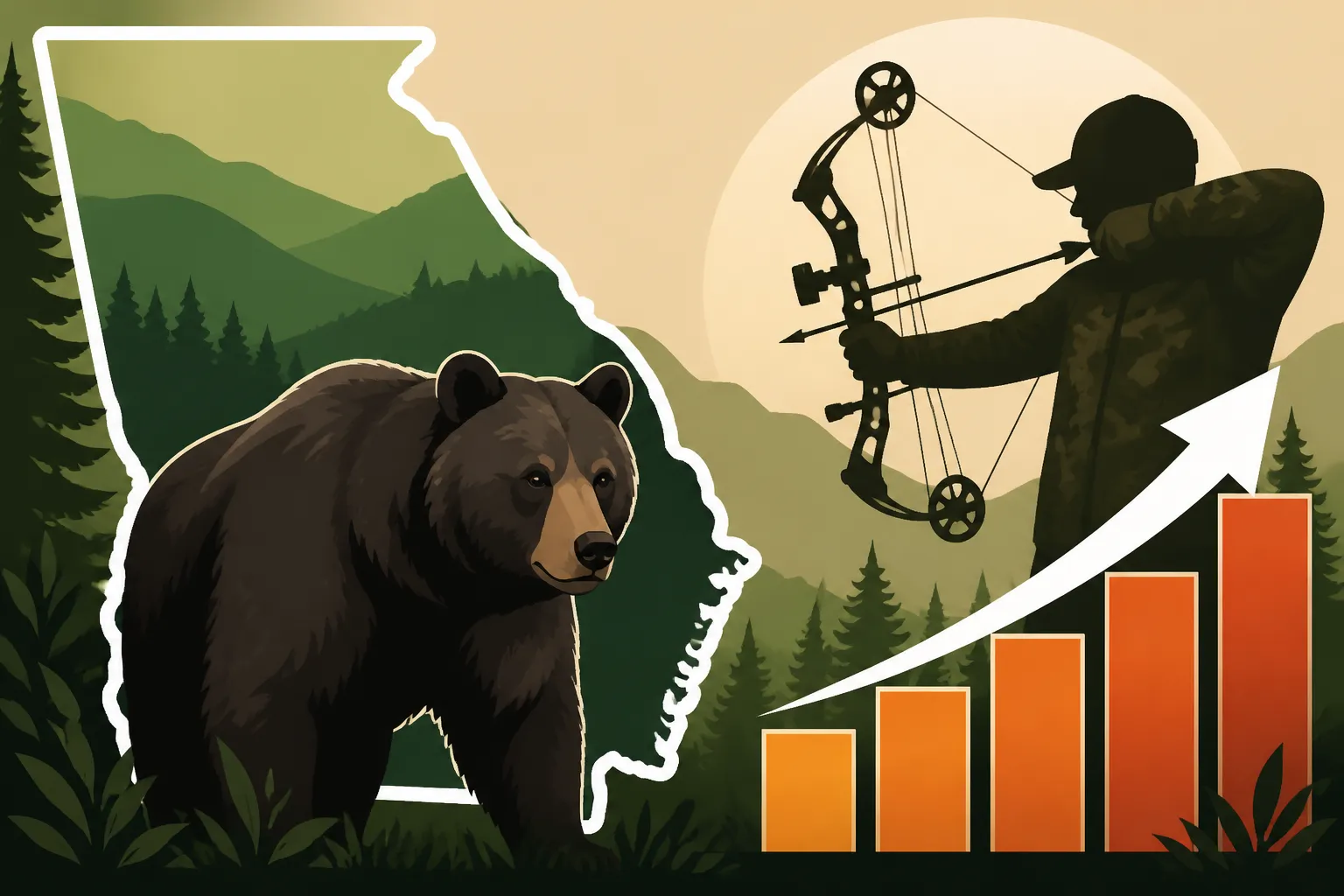
Georgia's black bear population is a conservation success story, especially when you consider how rare they once were in many parts of the state. Today, they've expanded their range significantly, offering hunters unique opportunities. But with that expansion comes the critical need for careful management, and that's where understanding population dynamics and harvest data becomes absolutely essential. It’s not just about how many bears are out there; it's about how many can sustainably be out there.
The Importance of Harvest Data for Wildlife Management
For our wildlife agencies, harvest numbers aren't just statistics; they're vital signs for the health of the bear population. Think of it like a doctor monitoring a patient's pulse and blood pressure. These figures provide a snapshot of how many bears are being taken each season, which is a crucial piece of the puzzle for biologists determining population trends, distribution, and overall health. Without accurate harvest data, it would be impossible to set appropriate season lengths, bag limits, and management strategies that ensure a healthy, thriving bear population for generations to come.
This data helps state wildlife agencies identify if a specific area might be experiencing increased pressure, or if another area's population is growing rapidly and could sustain a slightly higher harvest. It also allows them to assess the effectiveness of current hunting regulations. For example, if harvest numbers suddenly drop significantly without a corresponding decrease in hunter effort, it might signal a decline in the bear population or a shift in their behavior, prompting biologists to investigate further. Conversely, a steady or increasing harvest could indicate a robust and expanding population.
Factors Influencing Bear Numbers in Georgia
Georgia's black bear populations are influenced by a complex web of environmental and human factors. Habitat is, of course, king. Bears need vast tracts of forested land with ample food sources like acorns, berries, and other mast crops. Areas with consistent and diverse food availability tend to support higher bear densities. When natural food sources are abundant, bears are generally healthier, reproduce more successfully, and can sustain a higher population.
However, factors like severe droughts or an exceptionally poor mast crop can significantly impact bear numbers, sometimes leading to lower cub survival rates or bears traveling further in search of food, potentially increasing human-bear conflicts. Urban and suburban sprawl also plays a huge role. As Georgia's human population grows, bear habitat is fragmented, and encounters between humans and bears become more frequent. Understanding How Many Georgia Black Bears There Are means understanding these complex interactions between wilderness, agriculture, and encroaching development. Wildlife managers use harvest data to track these trends and adapt their strategies to mitigate conflicts and support bear populations even in changing landscapes.
A Look at Recent Georgia Bear Harvest Numbers
When we talk about Georgia's bear harvest, it's really important to remember that the state is divided into distinct management zones, reflecting the different bear populations and habitats across the state. This means statewide numbers are an aggregate, and the real story often lies in the regional specifics. If you're planning a bear hunt, knowing these regional trends is far more valuable than a blanket statewide figure.
Overall Trends and Regional Differences
Historically, Georgia has three primary bear hunting zones: the Northern Zone, the Central (Ocmulgee) Zone, and the Southern (Altamaha/Okefenokee) Zone. Each of these zones has its own population dynamics, habitat types, and hunting pressures, which naturally lead to varying harvest numbers. For example, the Northern Zone, largely encompassing the Chattahoochee National Forest, tends to have the highest bear densities and, consequently, often produces the highest harvest numbers. This is due to its vast, contiguous forestland, which provides excellent habitat and a relatively lower human population density compared to other areas.
In contrast, the Central Zone, particularly around the Ocmulgee River, has a smaller, more isolated bear population. While offering unique hunting opportunities, the harvest numbers here are typically much lower, reflecting the more limited population. Similarly, the Southern Zone, which includes the extensive Altamaha River bottomlands and the perimeter of the Okefenokee Swamp, supports a robust bear population, and its harvest numbers usually fall somewhere between the Northern and Central zones. For hunters, knowing Georgia's Three Bear Hunting Zones and their specific season structures is key to understanding where and when to focus their efforts. If you're serious about bear hunting, resources like the GoHunt platform can often provide historical harvest data broken down by county or zone, which is incredibly helpful for planning.
Interpreting the Data: What High or Low Numbers Might Indicate
Interpreting bear harvest numbers requires a bit of nuance. A high harvest number in a particular zone might seem alarming at first glance, but it could actually indicate a thriving, healthy, and expanding bear population that can sustain that level of harvest. Conversely, a low harvest might suggest a smaller population, a tough mast year that reduced bear activity, or even increased hunting pressure that made bears warier. It's rarely a straightforward cause-and-effect relationship.
For instance, if a particular year saw a widespread acorn crop failure, bears might not be concentrated in traditional food source areas, making them harder to locate. This could lead to lower harvest numbers even if the overall population remains stable. Or, a season with exceptionally mild weather might mean bears are less inclined to move during daylight hours, again affecting hunter success. Understanding these variables helps hunters and managers alike make informed decisions. GoHunt users, for example, often use this type of data alongside satellite imagery and historical weather patterns to predict optimal hunting conditions. The Georgia DNR publishes detailed Georgia Bear Harvest Trends annually, offering insights into these fluctuations and the factors contributing to them, helping hunters understand the bigger picture beyond just raw numbers.
Here’s a simplified example of how harvest numbers might be presented for Georgia's bear zones:
| Bear Zone | Average Annual Harvest (Approximate) | Primary Habitat Type | Key Factors Affecting Harvest |
|---|---|---|---|
| Northern | Higher (e.g., 300-500+) | Mountainous, vast national forests, diverse mast crops | Mast availability, hunter access, short season |
| Central | Lower (e.g., 20-50) | River bottoms, fragmented hardwood swamps | Isolated population, limited habitat, specific season |
| Southern | Moderate (e.g., 100-200+) | Coastal plain swamps, mixed pine/hardwood, agriculture | Large contiguous habitat, food sources, longer season |
Note: These are illustrative figures. Actual numbers vary significantly year to year. Always check the official Georgia DNR reports for current statistics.
How Hunters Contribute to Bear Management Through Reporting
It's easy to think of hunting as a solitary pursuit, but in reality, every hunter who takes a bear plays a direct and crucial role in the broader conservation and management efforts for Georgia's black bear population. Your actions, especially after the shot, provide the essential data that wildlife biologists rely on to make informed decisions for the future of bear hunting in our state.
The Mandatory Bear Checking Process
One of the most critical contributions a hunter makes is through the mandatory bear checking process. In Georgia, any harvested bear must be reported and checked within a specific timeframe – typically 24-48 hours – following the harvest. This isn't just a formality; it's how the state collects invaluable biological data. When you report your bear, DNR staff can collect information like the bear's sex, weight, and often its age by extracting a tooth. They might also take measurements and note the general health condition of the animal.
This detailed, individual data point, when combined with hundreds of others from across the state, paints a comprehensive picture of the bear population. It tells biologists about reproductive rates, age structure, overall health, and how these factors might be changing over time. For example, if a significant number of young sows are being harvested, it might signal a need to adjust regulations to protect breeding females. This information directly informs future season dates, bag limits, and specific regulations for each of Georgia's Three Bear Hunting Zones. Missing this step or providing inaccurate information undermines the entire management effort, so taking it seriously is a critical part of being a responsible bear hunter. You can find detailed instructions on the Georgia Bear Checking Requirements on the Georgia DNR website.
Ethical Hunting and Data Integrity
Beyond simply reporting, the ethical conduct of hunters is paramount to data integrity and the long-term success of bear management. This means ensuring you identify your target correctly, take a clean, ethical shot, and make every reasonable effort to recover your animal. If a bear is wounded and not recovered, that information, while difficult, can also be important in understanding what percentage of bears are being successfully harvested versus those that might be lost.
Moreover, providing accurate information during the check-in process is a responsibility every hunter carries. Exaggerating weights, misrepresenting the location of harvest, or failing to report a bear entirely distorts the data, leading to skewed assessments of the population. Ethical hunting is about more than just following the law; it's about respecting the animal, the resource, and the collective effort to ensure a sustainable future for bear hunting in Georgia. When hunters use tools like GoHunt to scout areas, they're often looking at data that was meticulously collected and reported by their peers, highlighting the collective nature of this endeavor.
Future Outlook for Georgia's Black Bear Season
The future of Georgia's black bear season is a topic of great interest to hunters and conservationists alike. While harvest numbers give us a look back at what has occurred, ongoing conservation efforts and how hunters adapt their strategies will dictate what lies ahead for these impressive animals. Our shared goal is always to maintain robust, healthy populations that provide sustainable hunting opportunities.
Conservation Efforts and Habitat Protection
The Georgia Department of Natural Resources (DNR) works tirelessly to ensure the long-term viability of black bears. This includes active habitat management, often in partnership with federal agencies on lands like the Chattahoochee-Oconee National Forest. These efforts might involve prescribed burning to improve food sources and understory vegetation, or managing timber harvests in a way that creates diverse age classes of forest, all of which benefit bears. Protecting critical corridors for bear movement and addressing human-bear conflicts are also vital components.
Beyond direct habitat work, the DNR conducts ongoing research to better understand bear ecology, movement patterns, and reproductive success. These studies are crucial for adapting management plans to changing environmental conditions or human pressures. Hunters, through their license fees and excise taxes on hunting equipment, directly contribute significant funding to these conservation efforts. It's a true testament to the North American Model of Wildlife Conservation, where hunters are the primary drivers of funding for wildlife management. Understanding Georgia's Black Bear Population isn't just about counting them; it's about safeguarding their habitat.
Adapting Hunting Strategies to Population Trends
For the dedicated bear hunter, understanding population trends and harvest numbers isn't just academic; it's practical. If, for instance, data indicates a strong mast crop in a particular area, you might focus your scouting efforts on oak ridges or specific berry patches. Conversely, if numbers suggest a low mast year, you might consider shifting to areas with alternative food sources, like stands of persimmons or even agricultural edges where legal and appropriate. Many successful hunters utilize applications like GoHunt to cross-reference historical harvest data with habitat maps and weather patterns, trying to identify patterns and predict bear behavior.
As the bear population continues to expand in Georgia, hunters may see subtle shifts in regulations or management zones. Staying informed about these changes, often communicated through official DNR channels, is crucial. Whether you're considering Hunting the North Georgia Mountain Bear Zone or applying for a limited quota hunt in the Ocmulgee, an informed approach, guided by solid data, will make you a more successful and responsible hunter. By actively participating in the reporting process and staying educated, hunters become partners in ensuring Georgia's black bear legacy thrives.
Disclaimer
This article is for general informational purposes only and does not constitute professional advice. Laws, prices and regulations vary by location and change over time. Consult a qualified professional for guidance on your specific situation.