Where Georgia Bobcats Are Rebounding
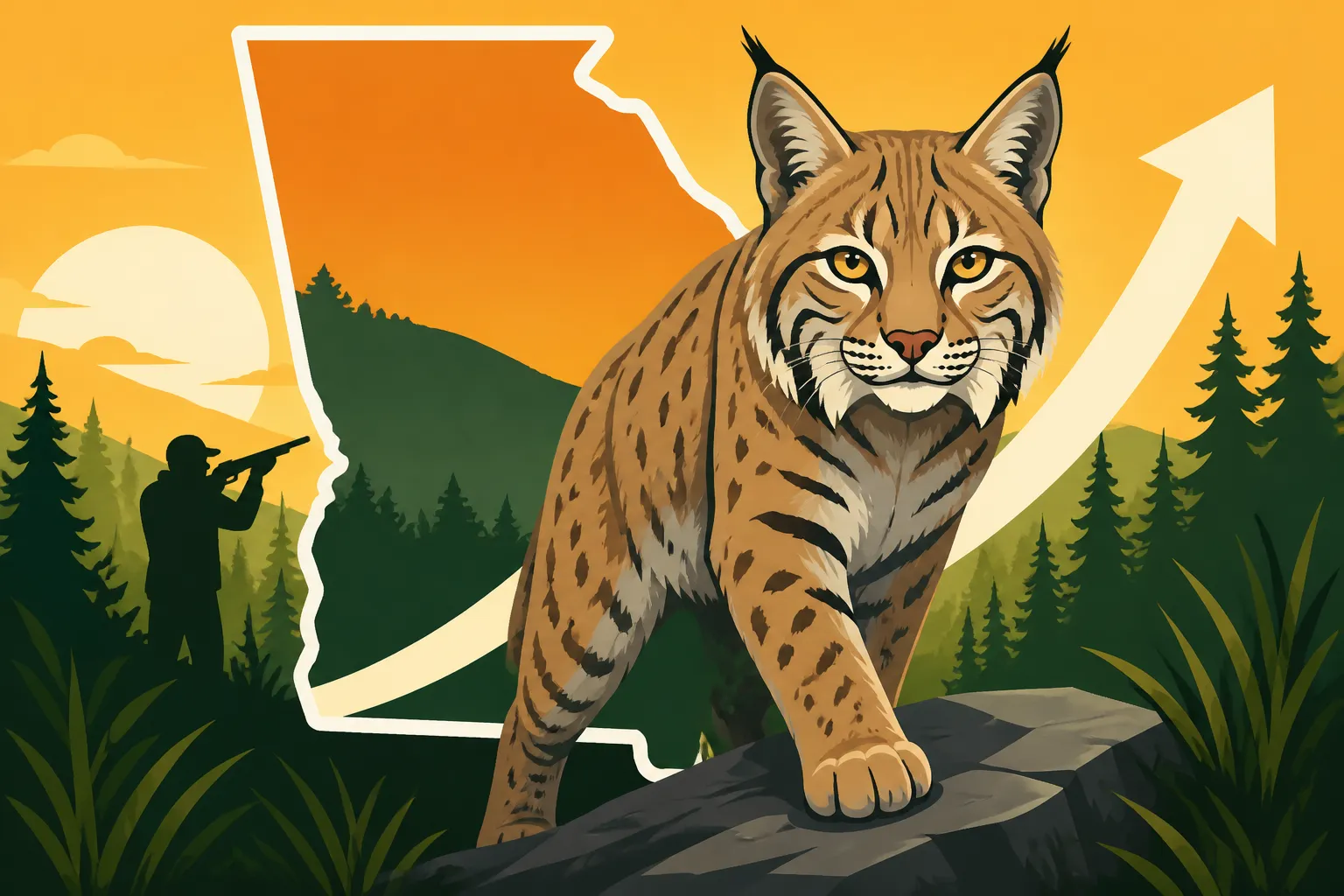
If you've spent any time in the Georgia woods, you know the frustration of chasing glimpses of elusive wildlife. The bobcat, a creature of stealth and shadows, often feels like a ghost. But the good news for wildlife enthusiasts and ethical hunters alike is that these magnificent felines are not just surviving; they're actually thriving and expanding their territories across our beautiful state. This guide will take a deep dive into where these secretive predators are making a real comeback, helping you understand their habitat preferences, recognize their subtle signs, and appreciate their vital role in Georgia's diverse ecosystem.
Understanding the Bobcat's Comeback in Georgia
For a long time, the mere mention of seeing a bobcat in Georgia felt like a rare, almost mythical event. These wild cats, known for their tufted ears and short, "bobbed" tails, are incredibly adaptable and intelligent, but like many predators, they faced significant challenges in past decades. Understanding their historical journey helps us appreciate their current resurgence.
Historical Context of Bobcat Populations
Back in the day, especially from the early to mid-20th century, bobcat populations experienced declines in many parts of the country, and Georgia was no exception. This was largely due to habitat loss as forests were cleared for agriculture and development, coupled with unregulated hunting and trapping practices. There was also a general misunderstanding and fear of predators, leading to bounty systems in some areas that further reduced their numbers. Many old-timers can tell you stories about how rare it was to even hear of a bobcat sighting, let alone see one. They were truly pushed into the most remote and untouched corners of the state.
However, despite these pressures, bobcats have always possessed an incredible resilience. Unlike some more specialized predators, they can adapt to a variety of environments, from dense forests to swampy lowlands, and even to the fringes of suburban areas. Their adaptability, combined with a varied diet that includes everything from rabbits and rodents to birds and even deer fawns, allowed them to hold on even when times were tough.
Factors Contributing to Their Resurgence
The turnaround for Georgia's bobcats didn't happen overnight. It's the result of several interconnected factors, primarily improved wildlife management practices and significant habitat changes. Firstly, the implementation of regulated hunting and trapping seasons, based on scientific population monitoring, replaced the unregulated harvest of previous eras. This allowed populations to stabilize and slowly grow. For those interested in sustainable wildlife use, understanding these regulations is key, and you can find comprehensive information on topics like Georgia Trapping License Requirements.
Secondly, and perhaps most crucially, is the change in Georgia's landscape. As agricultural practices shifted and many smaller farms were abandoned, old fields reverted to forest, creating a mosaic of successional habitats that bobcats absolutely adore. Additionally, a decline in other large predators, particularly red wolves (which were extirpated from the state long ago), left a niche for bobcats to fill as apex meso-predators. The resurgence of deer populations, a prime food source, also played a significant role. With ample prey and recovering habitat, bobcats found themselves in a much more favorable environment. For hunters using mapping tools, you can often pinpoint these diverse habitat types through platforms like GoHunt, which can help in scouting for signs of bobcat activity.
The Role of Ecosystem Health
Bobcats are not just another animal in the woods; they are a critical component of a healthy ecosystem. Their return signals a robust and balanced natural environment. As effective predators, they play a vital role in controlling populations of smaller prey animals like rabbits, squirrels, and rodents. This, in turn, helps to maintain ecological balance, preventing overgrazing or disease outbreaks that can occur when prey species become too numerous.
Consider a healthy Georgia ecosystem: a mix of mature hardwoods, young pine stands, thickets, and small clearings. This diversity supports a wide array of prey species. When a bobcat establishes a territory in such an area, it creates a ripple effect throughout the food web. For example, by preying on rodents, they can indirectly protect young tree saplings from being girdled, which is a real concern for forest health. Their presence is a strong indicator of an overall thriving ecosystem, a testament to the efforts in conservation and land management across our state. It truly underscores why we strive for a diverse and abundant wildlife population, not just for game species, but for the entire web of life.
Key Habitats for Rebounding Bobcat Populations
Bobcats are opportunists, but they definitely have preferred hangouts. To truly appreciate their comeback, it helps to know what kind of terrain they favor. While they can be found statewide, certain regions and specific habitat types offer them the best chances to thrive. Think about the variety of Georgia's landscape, and you'll start to see why these areas are prime bobcat country.
North Georgia's Mountainous Terrains
The mountains of North Georgia, with their rugged topography, dense forests, and countless hollows, have always been a stronghold for bobcats. The sheer wildness and lower human population density make these areas ideal. Here, bobcats utilize the vast timber tracts, rocky outcroppings for denning, and steep slopes for vantage points when hunting. The dense undergrowth along creek bottoms and in regenerated clear-cuts provides perfect ambush cover for catching rabbits, squirrels, and even young deer.
When you're hiking or hunting in the Chattahoochee National Forest or WMAs like Blue Ridge, keep an eye out around the edges of thick laurel and rhododendron slicks, which offer excellent concealment. They'll also follow natural funnels like saddles and ridges, using these travel corridors to move between feeding and resting areas. Don't be surprised to find their tracks near a secluded spring or a rocky bluff face – these are classic bobcat haunts in the higher elevations. If you're interested in Hunting North Georgia Mountain Country, you might just stumble upon some bobcat sign while scouting for deer or bear.
Piedmont's Mixed Forests and Farmland Edges
Moving south into Georgia's Piedmont region, the landscape shifts to rolling hills, a mix of pine and hardwood forests, and a patchwork of agricultural fields. This diverse terrain is incredibly attractive to bobcats. They excel in what we call "edge habitat" – the transition zones between different cover types. Think of the brushy edges where a mature timber stand meets an old field, or the thick fencerows bordering a soybean crop. These areas provide an abundance of prey, from field mice to cottontail rabbits, and the dense cover offers safety and denning sites.
You'll often find bobcats leveraging old logging roads and creek drainages that cut through these mixed forests. These natural travel lanes connect different habitat patches and offer easier movement through dense vegetation. Farmers, despite sometimes seeing bobcats as a nuisance, are often the first to report increased sightings along their field edges, especially where woodlots provide deep cover nearby. While scouting for deer in these areas, perhaps utilizing mapping apps for Hunting Piedmont Farmland Deer, keep an eye out for their distinctive tracks in the soft soil after a rain.
Coastal Plain's Swamps and Pine Plantations
Down in the vast Coastal Plain, bobcats adapt to an entirely different set of challenges and opportunities. Here, the landscape is characterized by extensive pine plantations, often managed for timber, and sprawling river bottoms and cypress swamps. These areas might seem less rugged than the mountains, but they offer incredible habitat. The thick undergrowth in young pine stands provides superb cover for hunting small game and nesting birds, while the dense, almost impenetrable swamps are ideal for den sites and escaping human disturbance.
Bobcats in this region are often found along the elevated "islands" within larger swamps, or along the drier edges of pine forests that border these wet areas. They're surprisingly adept swimmers and will use the dense vegetation of the swamp edges to their advantage. The abundance of rabbits, waterfowl, and even some reptiles provides a rich food source. Places like the Altamaha River corridor or the fringes of the Okefenokee Swamp are classic examples of where these adaptable felines thrive. While the focus in these areas is often on Hunting Georgia Swamp and River Bottom Deer, the bobcats are quietly doing their part to manage the smaller game populations within these vibrant ecosystems.
Signs of Bobcat Presence and How to Spot Them
Seeing a bobcat itself is a rare treat. They are incredibly wary and often move under the cover of darkness or during the twilight hours. However, just because you don't see them doesn't mean they aren't there. Learning to read the subtle signs they leave behind can tell you a lot about their presence and activities in an area. It's like piecing together a detective story in the woods.
Tracks and Scat Identification
One of the most common ways to confirm a bobcat's presence is by finding their tracks. Bobcat tracks are typically rounder than a coyote's or a dog's, and you won't usually see claw marks because, like house cats, they retract their claws while walking. Look for four toe pads and a distinct heel pad. An average bobcat track will be about 1.5 to 2.5 inches wide, with the front paws often slightly larger than the hind. They have a characteristic gait where the hind foot often lands in or very close to the print of the front foot, creating a very straight, deliberate trail. Prime spots to look for tracks are along muddy creek banks, sandy logging roads, or in soft dirt after a rain.
Their scat (droppings) can also provide clues. Bobcat scat is typically segmented, tubular, and often has blunt ends. It can vary in color and texture depending on their diet, but often contains visible fur, bones, or even feathers from their prey. Unlike dog scat, which is often deposited indiscriminately, bobcat scat may be found in more deliberate locations, sometimes on a log, rock, or other elevated spot, possibly as a territorial marker. Finding tracks and scat together in an area is a strong indication you're in active bobcat territory.
Scratch Marks and Den Sites
While less common to find, bobcats also leave scratch marks and utilize den sites. Unlike deer rubs or bear claw marks, bobcat scratch marks are usually on smaller trees or logs, often in a vertical pattern, typically used for sharpening claws or marking territory. These won't be as deep or extensive as what a bear might leave. They're more akin to a house cat scratching post, just on a grander, wilder scale. Look for these near known travel corridors or around potential denning areas.
Den sites are even harder to locate, as bobcats are masters of concealment. They prefer secluded, protected spots, such as rocky crevices, hollow logs, brush piles, or dense thickets. A pregnant female or a mother with young kittens will choose a den that offers maximum protection from predators and the elements. Finding an actual den is incredibly rare and, if you do, it's best to leave it undisturbed. However, knowing the types of cover they prefer for denning – think impenetrable briar patches, rock caves in the mountains, or dense palmetto thickets in the swamps – can help you identify potential core areas of their territory when looking at a map on platforms like GoHunt.
Vocalizations and Trail Camera Evidence
Hearing a bobcat is also a rare occurrence for most, but their vocalizations can be quite striking. They can make a variety of sounds, including growls, snarls, hisses, and even high-pitched screams, especially during breeding season. A female in heat might emit a series of loud, throaty calls that can sometimes be mistaken for other animals. These calls are usually heard at night or during the low light of dawn and dusk.
Perhaps the most effective modern tool for confirming bobcat presence without direct encounter is the trail camera. Strategically placed cameras along game trails, logging roads, or pinch points in the cover often capture images or videos of these elusive cats. Many hunters and wildlife enthusiasts now rely on trail cameras to monitor game movement, and it's not uncommon to get a surprise photo of a bobcat passing through. This provides irrefutable evidence of their presence and can even help to understand their routines and preferred travel routes, offering insights that traditional scouting methods might miss. These digital "sightings" are a testament to their quiet return across Georgia.
Conservation Efforts and Future Outlook
The resurgence of bobcat populations in Georgia isn't just a happy accident; it's a direct result of thoughtful conservation practices and an evolving understanding of wildlife management. Their future in the state looks bright, but it's not without ongoing challenges that require continued vigilance and adaptation.
Wildlife Management Strategies
Georgia's wildlife agencies have played a crucial role in the bobcat's comeback through science-based management. This includes setting appropriate hunting and trapping seasons and bag limits, which are carefully adjusted based on population data gathered through various surveys and harvest reports. Unlike some species, bobcats aren't typically managed with specific population targets, but rather through a sustainable harvest framework that ensures their numbers remain healthy. Georgia Wildlife Violation Penalties exist to protect all game, including bobcats, from illegal activities.
Beyond direct harvest management, habitat conservation is paramount. Many of the initiatives aimed at improving habitat for deer, turkey, and quail also benefit bobcats indirectly. For instance, controlled burns in pine forests, designed to promote ground cover for Working a South Georgia Quail Covey Rise, also create excellent hunting grounds for bobcats, providing open sight lines for stalking and new growth that attracts their prey. Similarly, the protection of large, contiguous blocks of forest, whether public lands like the National Forests or private lands under conservation easements, provides the extensive territories bobcats need to thrive.
Challenges and Human-Wildlife Coexistence
Despite their strong comeback, bobcats still face challenges. Habitat fragmentation due to continued development is an ongoing concern, especially in rapidly growing areas. Roads pose a significant threat, as vehicle collisions are a leading cause of mortality for many wildlife species, including bobcats. Additionally, while generally shy, occasional conflicts can arise, particularly if bobcats become habituated to human presence or are drawn to easily accessible food sources like outdoor pet food or unprotected livestock.
Educating the public about bobcats is key to fostering coexistence. Understanding that these animals are rarely a threat to humans and play a beneficial role in the ecosystem can reduce fear and promote tolerance. Simple measures, like securing pet food, keeping small pets indoors at night, and ensuring garbage cans are sealed, can minimize potential conflicts. As their population expands into more developed areas, strategies for Reporting a Sick Animal in Georgia or nuisance wildlife become more important, ensuring healthy coexistence.
The Future of Bobcat Hunting in Georgia
For those interested in hunting or trapping, bobcats offer a challenging and rewarding pursuit. Their elusive nature makes success a true testament to skill and persistence. Currently, bobcats are classified as a furbearer in Georgia, with regulated hunting and trapping seasons. This is important because it recognizes their value as a game species while ensuring sustainable populations. For more information on trapping, specific details are available in resources like Trapping Georgia Raccoon and Bobcat.
The future outlook for bobcats in Georgia is largely positive, assuming current management strategies continue and habitat remains stable or improves. Their adaptability, combined with responsible stewardship from wildlife agencies and landowners, suggests these beautiful predators will continue to thrive and expand their range. So, the next time you're out in Georgia's wild places, remember that those fleeting shadows and subtle signs might just be evidence of a bobcat, silently patrolling its territory, a true symbol of our state's rich and recovering wildlife heritage.
| Sign of Presence | Description | Common Locations | Best Time to Spot/Identify |
|---|---|---|---|
| Tracks | Rounded, no claw marks, often hind in front print | Muddy creek banks, sandy roads, soft dirt trails | After rain, early morning |
| Scat | Segmented, tubular, blunt ends, contains fur/bone | On logs, rocks, elevated spots, along travel corridors | Any time |
| Scratch Marks | Vertical scratches on small trees/logs | Near den sites, travel routes, territorial markers | Any time |
| Den Sites | Secluded, protected, e.g., rock crevices, hollows | Dense thickets, hollow logs, rocky bluffs, brush piles | Rare to find, best avoided |
| Vocalizations | Growls, hisses, high-pitched screams | Night or twilight hours, especially during breeding | Dawn/Dusk, Night |
| Trail Camera | Photos/videos of bobcats moving through an area | Game trails, logging roads, pinch points in cover | Any time |
Disclaimer
This article is for general informational purposes only and does not constitute professional advice. Laws, prices and regulations vary by location and change over time. Consult a qualified professional for guidance on your specific situation.