How Many Georgia Black Bears There Are
It can feel a little unnerving when you’re out in the Georgia woods, knowing that a formidable creature like a black bear might be sharing your space. Many of us wonder just how many of these incredible animals are out there, and if their numbers are growing, especially with more and more sightings cropping up in unexpected places. This guide is going to dive deep into Georgia's black bear population, helping you understand where they live, why their numbers fluctuate, and what goes into managing these often-misunderstood animals.
Georgia's Bear Population: Current Estimates and Trends
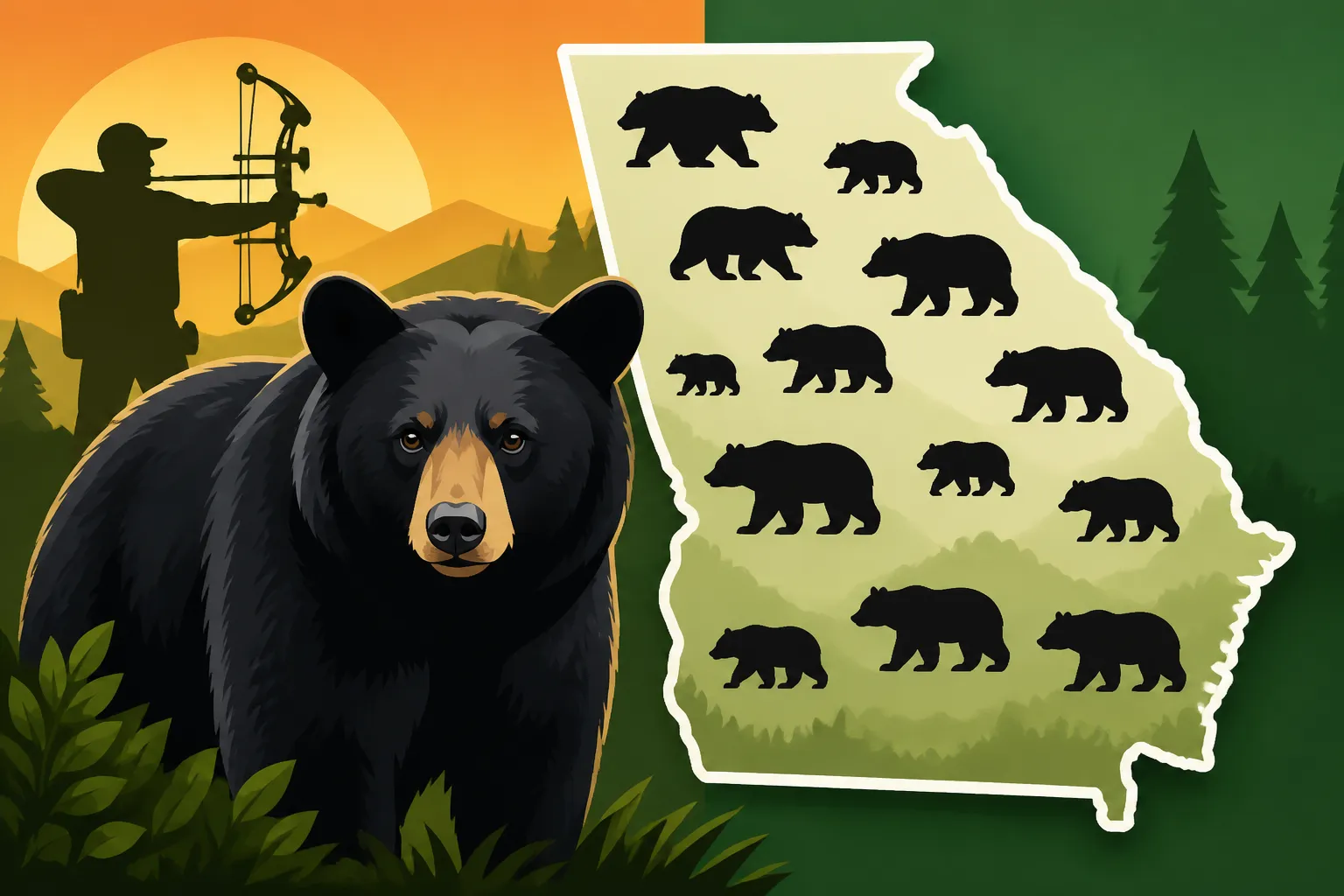
For many years, the idea of seeing a black bear in Georgia outside of the deep North Georgia mountains felt like a rare occurrence, almost a tall tale. But lately, things have shifted dramatically. Georgia's black bear population is not just stable; it's thriving and expanding, which is fantastic news for conservation but sometimes a head-scratcher for folks wondering about the exact numbers. The Georgia Department of Natural Resources (DNR) estimates the state's black bear population to be around 5,000 animals, and that number reflects a healthy, growing population that has made a remarkable comeback over the last several decades.
This 5,000-bear estimate isn't just a static figure; it's a dynamic number that wildlife biologists constantly work to refine. They look at a lot of different data points, from annual harvest reports to sightings and habitat analysis, to get the clearest picture possible. The general trend we've seen is one of expansion, particularly from the well-established mountain population moving into new territories, and consolidation within the more isolated central and southern populations. It's a testament to good wildlife management and the adaptability of these intelligent creatures.
How DNR Calculates Bear Numbers
Estimating wildlife populations, especially for a wide-ranging, elusive animal like the black bear, isn't as simple as counting sheep. It involves a combination of scientific methods and rigorous data analysis. The Georgia DNR employs several strategies to arrive at their population estimates, understanding that no single method provides a perfect count, but together they paint a comprehensive picture. These methods often include capture-recapture studies, where bears are humanely trapped, tagged with ear tags or even GPS collars, and then released. By looking at the ratio of tagged bears to untagged bears in subsequent captures or observations, biologists can extrapolate population sizes.
Another critical piece of the puzzle comes from harvest data. Each year, hunters are required to report their bear harvests, providing valuable information on the age, sex, and health of taken bears. This data, when analyzed over time, can indicate population trends, reproductive success, and overall population health. Combined with habitat assessments, genetic sampling from hair snares, and public sighting reports, the DNR compiles a robust understanding of where bears are, how many there are, and how well they're doing. Tools like GoHunt and other mapping technologies can help hunters visualize these areas and trends, giving them a better idea of where bears are likely to be encountered, though the DNR's internal data is far more extensive for statewide management.
Challenges in Counting a Wild Bear Population
Despite all the scientific tools and dedicated effort, counting wild black bears remains incredibly challenging. For starters, bears are largely solitary and secretive animals, especially in Georgia's dense forests and swampy lowlands. They don't typically congregate in open fields where they can be easily counted from a distance. Their home ranges can be vast, sometimes encompassing dozens of square miles, meaning an individual bear might cross multiple study areas or move between different management zones throughout the year. This mobility makes it difficult to ensure that the same bear isn't being counted twice, or that a new bear isn't moving into an area from outside the study boundaries.
Furthermore, Georgia's diverse terrain, from the rugged mountains to the thick coastal plain, presents its own set of logistical hurdles. Conducting consistent surveys across such varied and often inaccessible landscapes requires significant resources, both in terms of personnel and equipment. Environmental factors like heavy rainfall or dense vegetation can also impede direct observation or the effectiveness of scent-lure hair snares. It's a constant balancing act for wildlife managers to gather enough reliable data without unduly disturbing the bears or over-expending resources. This means the 5,000 estimate is truly an estimate, though a very well-informed one, reflecting the best science available.
Where Georgia's Black Bears Live: Understanding Their Range
When you talk about black bears in Georgia, it's not a monolithic population spread evenly across the state. Instead, there are three distinct primary populations, often referred to as "zones" by the Georgia DNR, each with its own characteristics, history, and management strategies. These zones are a crucial part of understanding Georgia's Three Bear Hunting Zones and where you might encounter these magnificent animals, whether you're hunting or just exploring the backcountry.
The Northern Bear Zone
The North Georgia mountains have historically been the stronghold of Georgia's black bear population, and they remain so today. This region, encompassing the Chattahoochee National Forest and surrounding private lands, boasts the largest and most robust bear numbers in the state. If you ask most Georgians where bears live, they'll immediately point to counties like Rabun, Fannin, and Union. This area provides ideal bear habitat: vast tracts of contiguous forest, diverse mast crops like acorns and berries, plenty of water sources, and rugged terrain that offers cover and denning sites. The population here is thriving and has actually been expanding, pushing bears into new territories further south and east in the Piedmont region.
Hunting in the northern zone is popular, with hunters often focused on areas that produce good natural foods. Learning to identify these food sources is key when Hunting Bears Over Natural Food in the Mountains. The density of bears here is significantly higher than in other parts of the state, making encounters more common for hikers, campers, and hunters alike. The sheer amount of public land in this zone, including large portions of the national forest and several Wildlife Management Areas (WMAs), offers extensive opportunities for both bears to roam and people to observe (or hunt) them. This is undoubtedly Why the Northern Zone Holds the Most Bears in Georgia.
The Ocmulgee Bear Zone
Moving south into the central part of the state, we encounter the Ocmulgee River corridor and its surrounding lands, which form a much smaller and more isolated bear population. This zone, often referred to as the Central Bear Zone, is centered around the Ocmulgee Big Bend Wildlife Management Area and stretches along the river floodplain. Unlike the vast, contiguous forests of the north, this population primarily relies on the dense, often swampy river bottoms, adjacent hardwoods, and agricultural lands. The habitat here is fragmented, making it more challenging for bears to move freely and limiting their overall numbers.
Despite the challenges, this population has shown resilience. The Ocmulgee bears are an important part of Georgia's natural heritage, representing a historical remnant that has managed to persist in a very different landscape. However, due to its smaller size and the pressures of human development, the Ocmulgee population is managed very conservatively, with extremely limited hunting opportunities designed to maintain a healthy population rather than reduce numbers. This is a prime example of Why the Ocmulgee Bear Population Stays Small compared to the northern bears.
The Altamaha and Okefenokee Bear Zone
Down in the southeastern corner of Georgia lies the third major bear population, inhabiting the vast, wild expanses of the Altamaha River basin and the legendary Okefenokee Swamp. This Southern Bear Zone is characterized by its expansive wetlands, cypress swamps, pine flatwoods, and coastal plain forests. The Okefenokee National Wildlife Refuge, in particular, serves as a crucial sanctuary and breeding ground for these bears. While the habitat here is vast, it's a very different environment from the mountains, with unique challenges and opportunities for bears.
Bears in this zone are adept at navigating the watery landscapes, often swimming considerable distances. Their diet might include more aquatic vegetation and small animals in addition to traditional mast crops. Like the Ocmulgee population, these bears are somewhat isolated, though their habitat is more extensive. Hunting here is also carefully managed, often through quota hunts on specific WMAs that border the deeper swamp areas. Understanding Where Altamaha and Okefenokee Bears Range means appreciating a truly wild, untamed corner of Georgia where bears continue to thrive, even if they're a bit harder to find than their mountain cousins.
Here's a quick comparison of Georgia's bear zones:
| Feature | Northern Bear Zone | Ocmulgee Bear Zone | Altamaha & Okefenokee Bear Zone |
|---|---|---|---|
| Primary Habitat | Appalachian Mountains, forests | River bottoms, fragmented woods | Swamps, coastal plains, wetlands |
| Population Size | Largest, expanding | Smallest, stable | Moderate, stable |
| Density | Highest | Lowest | Moderate |
| Typical Range Counties | Rabun, Fannin, Union, Gilmer | Monroe, Bibb, Twiggs, Houston | Charlton, Ware, Wayne, Brantley |
| Hunting Opportunities | Regular seasons, more liberal | Very limited quota hunts | Limited quota hunts |
| Key Food Sources | Acorns, berries, insects | Acorns, agricultural crops | Aquatic plants, berries, small animals |
Factors Influencing Bear Population Dynamics
Understanding bear numbers isn't just about counting them; it's about comprehending the intricate web of factors that allow them to thrive or, conversely, limit their growth. Black bears are incredibly adaptable, but even they have limits. Several key elements play a significant role in determining how many Georgia black bears there are and where they are found.
Habitat Availability and Food Sources
The availability of suitable habitat and a consistent food supply are arguably the most critical factors for any wildlife population, and black bears are no exception. Bears need large tracts of diverse forestland for cover, foraging, and denning. In Georgia, this means everything from the dense oak-hickory forests of the mountains to the cypress swamps of the coastal plain. When development encroaches on these areas, it fragments habitats, making it harder for bears to find mates, forage efficiently, and establish territories. This is a growing concern, particularly as Bears Moving Into Metro Atlanta Suburbs become more common, often seeking new territories as traditional ones shrink or become saturated.
Food sources are another huge component. Black bears are omnivores, meaning they eat a wide variety of plants and animals. Their diet shifts with the seasons, from spring greens and insects to summer berries and fall mast crops like acorns and hickory nuts. A good mast crop year can lead to fatter bears, more cubs, and higher survival rates. Conversely, a poor mast year can stress bears, leading to smaller litters, lower cub survival, and increased conflicts with humans as hungry bears venture closer to residential areas in search of food. Hunters looking to find bears often pay close attention to the abundance of natural food sources in any given year, using resources like Scouting Georgia Public Land Before Season to identify promising areas.
Human-Bear Interactions and Conflicts
As bear populations expand and human populations continue to grow, the interface between bears and people becomes more frequent, often leading to conflicts. While black bears are generally shy and avoid humans, easy access to human food sources can quickly habituate them, leading to nuisance behaviors. Bears are incredibly smart and have an amazing sense of smell; a bird feeder, garbage can, or unsecured pet food can be an irresistible temptation. These conflicts often result in calls to the DNR, and in severe cases, may necessitate the relocation or even euthanasia of a problematic bear.
The goal of wildlife management is to minimize these negative interactions by educating the public on how to coexist with bears. Simple steps like securing garbage, removing bird feeders during bear season, and never feeding bears are crucial. In areas like North Georgia, where cabins and vacation rentals abound, proper food storage is paramount to prevent Bear Encounters Around North Georgia Cabins. The more we can manage our attractants, the less likely bears are to become a nuisance, which in turn helps maintain healthy, wild bear populations without increasing the need for intervention.
Hunting's Role in Population Management
Hunting plays a vital and often misunderstood role in managing Georgia's black bear population. Far from being a threat, regulated bear hunting is a scientific tool used by the DNR to maintain healthy bear numbers, reduce conflicts, and provide recreational opportunities. The harvest quotas and season structures for Georgia's Three Bear Hunting Zones are carefully set based on population estimates, cub production, and documented conflicts. In areas with high bear densities, such as the Northern Bear Zone, hunting helps to keep the population in balance with the available habitat, preventing overpopulation that could lead to widespread disease or starvation.
The data collected from bear harvests is also invaluable for scientific research. When hunters check in their bears, the DNR gathers information on age, sex, weight, and sometimes biological samples. This data helps biologists track population health, reproductive rates, and overall trends. For example, by analyzing Georgia Bear Harvest Trends over many years, wildlife managers can see if the population is stable, growing, or declining, and adjust hunting regulations accordingly. Without this management tool, bear populations could outgrow their habitat in certain areas, leading to more frequent human-bear conflicts and potentially less healthy bears overall.
Historical Perspective and Recovery Efforts
It's easy to look at Georgia's current thriving black bear population and assume it's always been this way, but that couldn't be further from the truth. The story of Georgia's black bears is a remarkable conservation success, a testament to dedicated efforts to bring these animals back from the brink of regional extirpation.
From Near Extirpation to Flourishing Numbers
At the turn of the 20th century, black bears in Georgia faced a dire situation. Unregulated hunting, habitat destruction due to widespread logging, and fear-driven eradication efforts pushed bear populations to critically low numbers. By the 1930s, black bears were largely confined to isolated pockets in the remote mountains and deep, inaccessible swamps, virtually absent from much of their historic range. They were considered rare and endangered in many parts of the state, a stark contrast to today's robust population. This near extirpation was a wake-up call for early conservationists and the nascent wildlife management agencies.
The shift began in the mid-20th century with the establishment of game laws, the creation of protected areas like national forests and wildlife management areas, and a growing understanding of ecological principles. Restocking efforts, particularly in the North Georgia mountains, helped to re-establish populations in areas where they had been wiped out. These efforts, combined with better habitat management practices and public education, laid the groundwork for the incredible recovery we see today. It's a powerful reminder that conservation, when properly executed, can achieve truly remarkable results, reversing decades of decline.
Conservation Success Stories and Ongoing Work
The recovery of the black bear in Georgia is often cited as one of the state's most significant wildlife conservation success stories. The efforts have transformed black bears from a rare and threatened species to a common sight in their primary ranges. This success isn't just about growing numbers; it's about the expansion of their range, the health of the individual animals, and the ecological benefits they bring to Georgia's diverse ecosystems. Their presence indicates healthy forest ecosystems, as bears are an umbrella species – protecting their habitat benefits countless other species as well.
However, the work is far from over. Ongoing conservation efforts focus on managing human-bear conflicts, protecting critical habitat corridors, and continuously monitoring population health. The DNR, often with support from organizations like the Georgia Wildlife Federation and individual hunters who purchase Georgia Hunting Licenses and What They Cost, invests in research, public outreach, and habitat improvement projects. As Georgia continues to develop, ensuring bears have space to roam and forage safely becomes an ever-more complex challenge, but one that wildlife managers are committed to tackling, striving for a future where Georgia's black bears continue to flourish.
Living Alongside Black Bears
With Georgia's black bear population not just stable but expanding, it means more people are sharing space with these incredible animals, sometimes even in areas where bears haven't been seen in decades. This reality requires a collective effort from homeowners, campers, and outdoor enthusiasts to learn how to coexist safely and responsibly with our ursine neighbors.
Minimizing Conflicts in Suburban Areas
The most common reason bears venture into suburban or residential areas is simple: food. They are opportunistic feeders, and their powerful sense of smell can detect potential meals from a surprising distance. If your neighborhood has unsecured garbage cans, overflowing bird feeders, or pet food left outside, you're essentially putting out a welcome mat for a hungry bear. This is where most human-bear conflicts begin, and it's almost always preventable. The frustration of dealing with a ripped-apart trash can or a destroyed bird feeder is real, but understanding the bear's motivation helps us prevent it.
To minimize conflicts, the most effective strategy is to remove all attractants. Store garbage in bear-resistant containers or keep it in a secure shed or garage until collection day. Bring in bird feeders, especially during late spring through fall when bears are most active and foraging heavily. Feed pets indoors or immediately remove their food bowls after they've eaten. Clean outdoor grills after use and store them securely. If you have fruit trees, pick ripe fruit promptly and clean up any fallen produce. These seemingly small actions make a monumental difference in discouraging bears from lingering in residential areas and help keep both bears and people safe.
Bear-Resistant Practices for Homeowners and Campers
Whether you're a homeowner in a bear-prone area or a camper venturing into bear country, implementing bear-resistant practices is non-negotiable for peaceful coexistence. For homeowners, this might involve investing in bear-proof garbage cans or fencing around gardens. Some local ordinances in bear-heavy areas might even mandate these measures. Educating neighbors and community members is also crucial, as one unsecured trash can can attract a bear to an entire street. Utilizing apps or platforms like GoHunt for local wildlife sighting reports can help residents stay informed about bear activity in their immediate vicinity, reinforcing the need for vigilance.
Campers and hikers have an even more direct responsibility, as they are often deep in bear habitat. Always store food, toiletries, and anything with a scent in bear-resistant containers, hung from a bear bag in a tree, or stored in a bear-proof locker if available. Never store food in your tent. Cook away from your sleeping area and clean up all food scraps thoroughly. Pack out all trash. Even seemingly harmless items like wrappers or an empty soda can can attract a curious bear. Following these guidelines isn't just about protecting your food; it's about protecting the bears by preventing them from associating humans with easy meals, which can lead to unfortunate outcomes for the animal.
Disclaimer
Please note: Hunting regulations and wildlife population estimates can change. Always consult the latest Georgia Department of Natural Resources (DNR) guidelines and regulations before planning any hunting trip or wildlife activity. This guide is for informational purposes only and does not supersede official state regulations.