Handling a Bear After the Shot
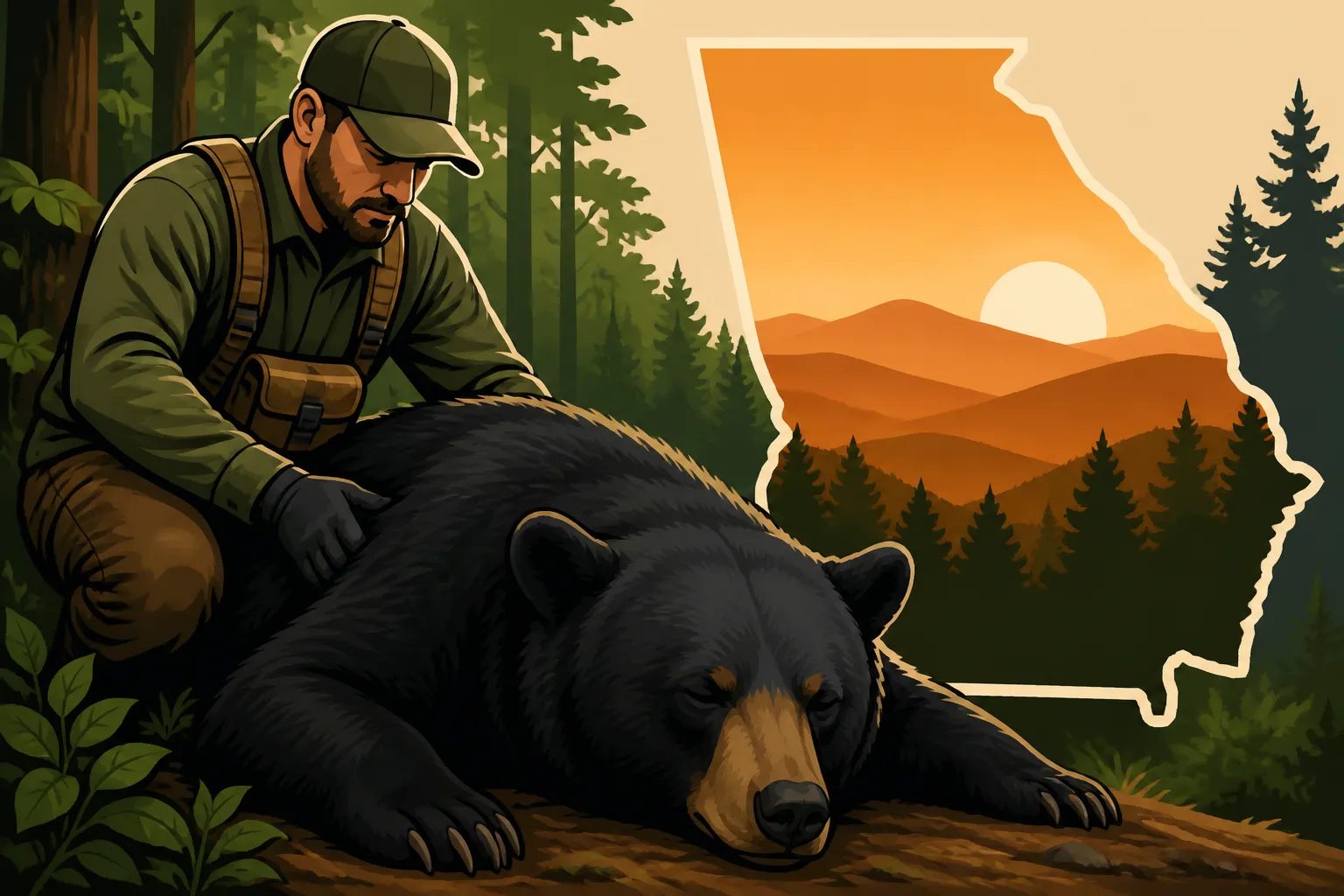
You've just made a memory that will last a lifetime, successfully taking a black bear here in Georgia. That rush of adrenaline, the culmination of all your scouting, preparation, and patience, is truly something special. But once the excitement settles, a whole new set of challenges begins. Handling a bear after the shot, especially in our warm Southern climate and often rugged terrain, can feel overwhelming. It’s a massive animal, and getting that precious meat from the woods to your freezer quickly and correctly is crucial. This guide is all about navigating those vital steps, ensuring you honor your harvest by properly caring for the animal from the moment it hits the ground.
Confirming the Harvest and Ensuring Safety
The moments immediately after the shot can be a whirlwind of emotions, but it's critical to regain composure and approach the situation systematically. A large, powerful animal like a black bear demands respect and a cautious approach, even when you believe it's down for good. Rushing in can lead to dangerous situations, or worse, a lost animal.
Approaching with Caution
Your first priority is safety. Never, ever approach a downed bear without absolute certainty that it is expired. Even a seemingly motionless bear can have a surprising amount of fight left in it, and their speed and strength are formidable. Take a few deep breaths, steady your nerves, and give the bear some time if you're unsure. If the bear is moving, make a follow-up shot if ethically and safely possible.
Once you feel it's safe to approach, do so from an elevated position if possible, and always from behind, never from the front where it might spring up. Keep your firearm ready and your eyes peeled for any movement. Poke it with a long stick or your gun barrel from a distance if you’re still in doubt. Look for a complete lack of breathing, no eye movement, and no response to touch. When you're finally convinced, and only then, can you relax a little. Remember, safety first, always. It’s far better to be overly cautious than to regret a hasty decision.
Tagging Requirements and Initial Documentation
Once the bear is confirmed deceased and it's safe, the very next thing you need to do is legally tag it. In Georgia, you must immediately attach your harvest tag to the bear. This isn't something to put off; it’s a non-negotiable step to comply with state regulations. Typically, the tag needs to be securely attached to the carcass in a way that it cannot be removed without being damaged, and it must remain with the bear until it reaches its final destination for processing.
Beyond the legal tag, take a moment to document the kill. Snap some photos from various angles before you start field dressing. This isn't just for bragging rights (though those are certainly earned!); it can also be helpful for later review of shot placement or to simply remember the moment. Note the time of the kill, the exact location (using a GPS app like GoHunt can be invaluable here for marking the spot), and any other relevant details. This information will be vital when you later check the bear online with Georgia's Game Check system, which is a mandatory step after harvesting a bear in Georgia, as outlined in the article on Georgia Bear Checking Requirements.
Field Dressing a Bear in Georgia's Climate
This is where the real work begins, and time is absolutely of the essence, especially here in Georgia. Our warm temperatures, even into the late fall, mean that bear meat can spoil incredibly fast. Bears have a thick layer of fat that acts as an insulator, holding body heat in, which quickly turns meat rancid. Speed and efficiency are your best friends here.
The Urgency of Cooling the Carcass
Unlike deer, where you might have a little more leeway, a bear needs to be gutted and cooled as rapidly as possible. If you shoot a bear early in the morning, and the temperature is climbing, you might have less than an hour before significant meat degradation begins. The goal is to get that internal body temperature down.
Start by rolling the bear onto its back. Make a cut from the sternum down to the pelvis, circling the anus. Be careful not to puncture the intestines or stomach, as this can contaminate the meat. Once the body cavity is open, reach in and sever the trachea and esophagus as far forward as you can, then pull out all the organs. This is a messy job, but it’s crucial. You'll often find a good amount of blood and stomach contents that need to be cleared. Once the cavity is empty, wipe it down with clean cloths or paper towels to remove any excess blood or debris. Some hunters even carry a small spray bottle of water mixed with a little vinegar to rinse the cavity, though ensure you dry it thoroughly afterward.
Quartering and Skinning for Easier Transport
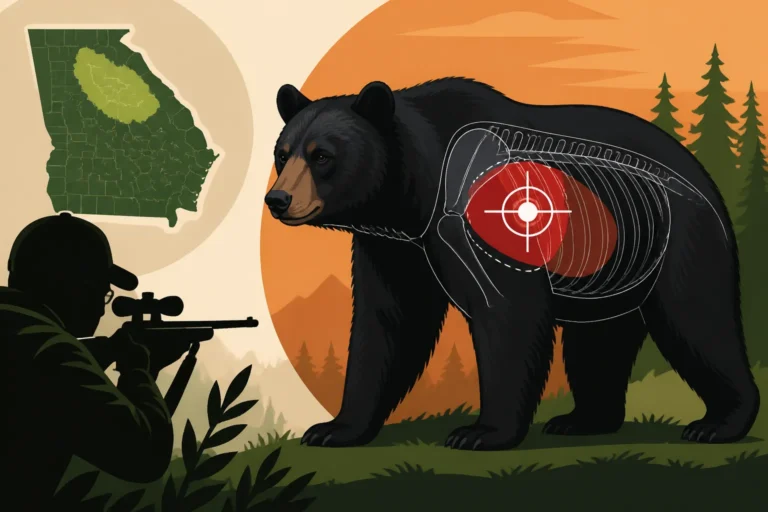
For most Georgia bear hunters, especially those hunting in more remote areas like the Chattahoochee National Forest, quartering the bear in the field is not just a good idea—it's often a necessity. An adult black bear can weigh anywhere from 150 to over 300 pounds, making it nearly impossible for one or even two people to drag out whole. The article on Hunting the North Georgia Mountain Bear Zone elaborates on the challenges of mountain terrain, where quartering is almost always the only option.
Here’s a practical approach:
- Skinning: After gutting, carefully begin skinning the bear. Make cuts along the inside of each leg to the main body cavity cut. Then, work your knife methodically to separate the hide from the muscle. Bear fat is incredibly thick and gummy; it's a good idea to remove as much of it as possible from the meat while skinning, as this fat can impart a strong, sometimes unpleasant, flavor to the meat if not handled correctly. Keep your knives razor-sharp; a dull knife makes this job much harder and more dangerous. You can save the hide if you plan on tanning it, but make sure to cool it quickly as well, especially if it's hot outside.
- Quartering: Once skinned, you can begin to separate the bear into manageable pieces. This usually involves removing the four legs (front shoulders and hindquarters) by cutting through the joints and muscle attachments. The backstraps (loins) run along the spine and can be removed in long strips. The tenderloins are inside the cavity, near the spine. These are often the easiest and most valuable cuts to remove. Pack each quarter in a separate game bag to keep it clean and allow for airflow. High-quality game bags are essential to protect the meat from dirt, flies, and other contaminants.
- Head and Paws: If you plan on having the skull cleaned or preserving the paws, make sure to remove these with enough meat and hide to allow your taxidermist to work with them. Remember that Georgia requires you to leave evidence of sex on one part of the carcass until you reach your final destination, often a portion of the external genitalia attached to a quarter.
Here's a quick comparison of methods:
| Method | Pros | Cons | Best Use Case |
|---|---|---|---|
| Whole Carcass Drag | No field quartering needed, less messy in field | Extremely heavy, difficult over long distances or rough terrain | Short distances (under 100 yards) from vehicle access |
| Gut and Drag | Lighter than whole, faster initial cooling | Still very heavy, messy drag | Moderate distances (100-300 yards) from vehicle, relatively flat |
| Gut and Quarter | Most manageable weight, rapid cooling | Requires skill, more time in the field, more equipment (game bags) | Remote areas, warm weather, difficult terrain |
Transporting and Further Cooling
Once your bear is field dressed and, ideally, quartered and bagged, the next challenge is getting it out of the woods and properly cooled. This phase is still a race against the clock, as maintaining a low temperature is paramount to preserving the quality of the meat.
Getting the Meat Out of the Woods
For quartered bears, dedicated game bags are your best friend. They protect the meat and allow it to breathe. Backpacks designed for hauling game are incredibly useful here. Brands like GoHunt often review gear suited for backcountry hunting, which can include sturdy packs capable of carrying heavy loads. If you have multiple hunters, distributing the weight makes the trek out much more manageable.
For shorter distances or relatively flat ground, a game cart can be a lifesaver. However, if you’re in steep North Georgia mountains or thick, swampy bottomlands, a cart might be more hindrance than help. Sometimes, the only way is to carry it out piece by piece. Dragging a whole, gutted bear can be done with a sturdy rope or sled, but it's physically exhausting and risks contaminating the meat with dirt and debris if not done carefully. Whatever method you choose, take your time, stay hydrated, and be mindful of your footing, especially if you’re moving through unfamiliar terrain.
Rapid Cooling and Storage
As soon as you reach your vehicle or camp, the quarters need to go into coolers packed with ice. This step cannot be stressed enough. Fill those coolers generously with ice, making sure the meat is surrounded and not just sitting on top of a few cubes. Drain melted water periodically and add fresh ice as needed. The goal is to drop the meat's temperature rapidly and keep it cold. Think of it like packing high-quality fish; you wouldn't let that sit in warm conditions, and bear meat deserves the same respect. For tips on maximizing meat preservation in warmer climates, check out Coolers and Game Bags for a Georgia October.
If you’re traveling a significant distance, having enough coolers and ice for all the meat is non-negotiable. Don't underestimate the volume a bear takes up. It’s better to have too many coolers than not enough. If you’re at a hunting camp with a walk-in cooler, even better – get the quarters hung and separated as quickly as possible to allow for maximum airflow and cooling.
Processing Your Bear
Once you've successfully retrieved your bear and have it safely chilled, the final stage is processing. This can be done yourself or by a professional, but understanding the unique characteristics of bear meat is key to a delicious outcome.
Home Processing Versus Professional Butchers
Deciding whether to process the bear yourself or take it to a professional is a personal choice based on your experience, time, and facilities.
- Home Processing: If you’re comfortable butchering your own deer, you can certainly process a bear. The process is similar, though the sheer size and amount of fat can make it more challenging. You’ll need sharp knives, a clean workspace, and plenty of freezer bags or vacuum sealer supplies. The primary benefit is cost savings and complete control over your cuts. Plus, there's a deep satisfaction in handling every step of your harvest. Pay particular attention to removing all the fat, as it can be quite strong in flavor. Many hunters advocate for rendering some of the fat for cooking oil or soap, but for general consumption, lean cuts are preferred.
- Professional Butchers: For many, taking a bear to a professional meat processor is the best option. They have the equipment, expertise, and temperature-controlled facilities to handle large animals efficiently. Be sure to call ahead to ensure they accept bear meat, as not all processors do, and ask about their turnaround time. Discuss your preferred cuts – roasts, steaks, ground meat, and sausage are all popular options. Many processors can also make specialty items like bear jerky or summer sausage, which are excellent ways to enjoy the meat. Using a service like GoHunt can sometimes help you locate reputable processors in the area.
Best Practices for Bear Meat
Bear meat, when handled correctly, is absolutely delicious. It's often compared to pork or beef, with a rich flavor profile. However, there are a few critical considerations:
- Cooking Temperature: Bear meat must be thoroughly cooked to an internal temperature of at least 160°F (71°C) to kill any potential Trichinella parasites. This is non-negotiable for safety. Always use a meat thermometer. This is even more important than with wild hog.
- Fat Removal: As mentioned, bear fat can have a strong flavor, sometimes described as "gamey" or "tallowy." Most hunters trim off as much external fat as possible during processing. If you plan to render fat for cooking, be sure to clean it meticulously.
- Versatility: Bear meat is incredibly versatile. Roasts from the hindquarters are fantastic slow-cooked or braised. Steaks from the backstraps are excellent grilled or pan-fried. Ground bear meat makes amazing burgers, chili, or mixed with leaner meats like venison for sausage. Don't be afraid to experiment with different recipes. The rich flavor holds up well to robust seasonings and marinades.
Legal Requirements After the Harvest
Beyond the physical tasks of handling a bear, there are crucial legal obligations that every Georgia bear hunter must follow. Failing to comply can result in fines or loss of hunting privileges, so it's vital to understand these requirements fully.
Mandatory Harvest Reporting
In Georgia, just like with deer and turkeys, you must report your bear harvest. This is done through Georgia's Game Check system. You have a specific timeframe to report the harvest, typically within 24 or 72 hours depending on the species, so always check the current Georgia DNR regulations to be sure. The easiest way to report is online via the Georgia Department of Natural Resources website or through their Go Outdoors Georgia mobile app. When reporting, you'll need the date of harvest, county, WMA (if applicable), and your harvest tag number. This data is critical for wildlife management, helping the state monitor populations and set future seasons. For detailed information on this process, refer to Georgia Bear Checking Requirements.
Evidence of Sex Requirements
Georgia law requires that for certain species, including bear, "evidence of sex" must remain on the carcass until it reaches the hunter's home or a commercial processing facility. For bears, this usually means leaving the external genitalia attached to one of the quarters. This regulation is in place to allow game wardens to confirm the sex of the animal if they conduct an inspection, ensuring hunters are complying with any sex-specific bag limits or regulations. Always double-check the current regulations each season, as rules can sometimes change.
CWD and Disease Monitoring
While Chronic Wasting Disease (CWD) has recently been detected in Georgia's deer population, there have been no confirmed cases in Georgia's black bears. However, wildlife agencies continuously monitor for diseases in all game species. It's always a good practice to observe the health of any animal you harvest. If you notice anything unusual – lesions, abnormal behavior, or emaciation – contact the Georgia DNR right away. They may want to collect samples for testing. While not a direct CWD concern for bears, understanding general animal health and disease monitoring, especially with increasing awareness of Georgia's Chronic Wasting Disease Management Area for deer, is important for all hunters. This proactive approach helps protect our wildlife resources.
Disclaimer
Please note that hunting regulations, seasons, and licensing requirements can change. Always consult the most current Georgia Department of Natural Resources (DNR) regulations and guidelines before heading into the field. This article is intended for informational purposes only and does not supersede official state regulations.