Filling a Twelve-Deer Bag Limit
Landing that coveted twelve-deer bag limit in Georgia might sound like a hunter's dream, almost too good to be true, and for many, it often feels like an impossible feat. The truth is, while the opportunity is there, reaching that number takes more than just showing up; it demands a strategic approach, consistent effort, and a deep understanding of Georgia's diverse deer herd and hunting regulations. This comprehensive guide is here to walk you through the realistic steps and practical strategies to maximize your chances of filling those tags, turning that daunting number into a tangible accomplishment.
Understanding Georgia's Generous Bag Limit
Georgia's deer hunting regulations are among the most liberal in the nation, offering hunters a fantastic opportunity to contribute to herd management while putting plenty of venison in the freezer. But before you get too excited, it's crucial to understand the nuances of that "twelve-deer" number. It’s not just a free-for-all; there are specific rules that govern what you can harvest.
The Twelve-Deer Structure
The twelve-deer bag limit in Georgia is broken down into two antlered bucks and ten antlerless deer. This structure is deliberately designed to help manage the state's robust deer population, particularly by encouraging the harvest of does. In many areas of Georgia, deer populations are thriving, and allowing hunters to take multiple antlerless deer helps keep numbers in check, reducing agricultural damage, minimizing deer-vehicle collisions, and promoting healthier deer herds overall. This focus on antlerless deer is a cornerstone of modern deer management, ensuring that resources like food and habitat aren't overtaxed, leading to bigger, healthier deer in the long run.
Think about it this way: if everyone only focused on bucks, the doe population would explode, leading to overbrowsing and ultimately poorer quality deer for everyone. The Georgia Department of Natural Resources (DNR) wants you to be a part of the solution, and that means putting an emphasis on those antlerless tags. So, while you might be dreaming of two wall-hangers, the bulk of your twelve-deer quest will involve ethical and strategic doe harvesting. Understanding this fundamental aspect is the very first step toward achieving your goal.
Annual Reporting Requirements
One of the most critical, yet often overlooked, aspects of hunting in Georgia, especially when aiming for a high bag limit, is the mandatory harvest reporting system. Every single deer you take, whether it's an antlered buck or an antlerless doe, must be reported to the Georgia DNR within 24 hours of harvest and before processing the carcass (other than field dressing). This isn't just a suggestion; it's a legal requirement, and failure to comply can result in fines and loss of hunting privileges.
The primary method for reporting is through Georgia Game Check, an online or phone-based system that allows you to quickly log your harvest. You'll need information like your license number, the date and time of harvest, the county, and the species/sex of the animal. This data is invaluable to the DNR, providing critical insights into deer population trends, harvest rates, and the effectiveness of management strategies across different regions of the state. Imagine trying to manage a statewide resource without knowing how many animals are being taken! So, keep that phone handy or be prepared to access the internet shortly after you tag your deer. It's a small but essential responsibility that supports the very regulations allowing for such a generous bag limit.
Extended Seasons and Zones
While the general statewide firearms season provides ample opportunity, Georgia also offers specific extended seasons and zones that can be instrumental in filling out those ten antlerless tags. One prime example is the Hunting Into the Extended Southwest Season, which can run well into January. This extended period often overlaps with a secondary rut in some areas, or at the very least, provides crucial late-season hunting opportunities when deer are focused on remaining food sources.
These extended seasons are particularly valuable for hunters targeting antlerless deer. By January, hunting pressure has often subsided, and deer, especially does, are typically in predictable patterns around winter food sources. This can be a fantastic time to fill those remaining antlerless tags, especially in regions known for high deer densities and agricultural lands. Familiarizing yourself with the specific season dates and county regulations for these extended zones can be a game-changer for someone serious about reaching that twelve-deer goal. It's about knowing when and where those extra opportunities exist, allowing you to plan your late-season efforts effectively.
Strategic Planning for Multiple Harvests
Achieving a twelve-deer bag limit isn't just about luck; it's about meticulous planning, adapting your strategies throughout the season, and understanding deer behavior. You can't just hunt the same way for all twelve deer; each phase of the season and type of deer demands a different approach.
Scouting for Abundance
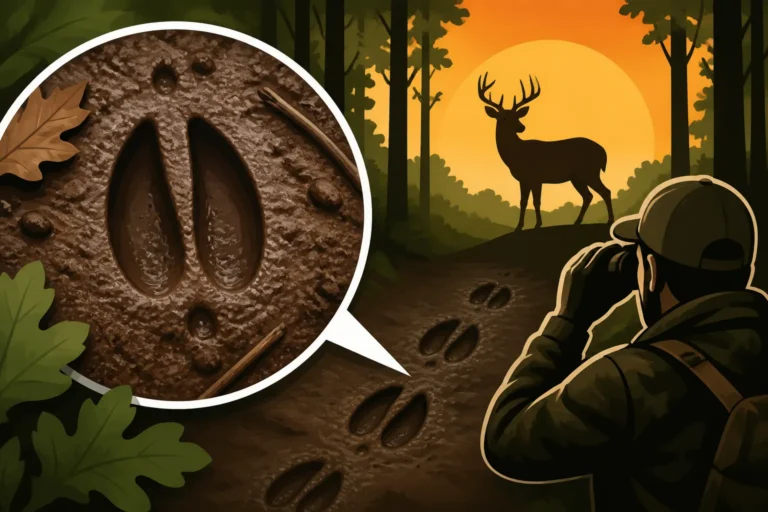
Before you even step foot in the woods with your bow or rifle, effective scouting is paramount. To fill ten antlerless tags and two buck tags, you need to be hunting where the deer are abundant, not just present. This means identifying areas with strong deer sign: fresh tracks, droppings, browse lines, and active scrape and rub lines. Focus your scouting efforts on understanding deer movement patterns between bedding areas, feeding locations, and water sources. These travel corridors, especially funnels created by terrain features, offer excellent ambush points.
Public lands, like Georgia's Wildlife Management Areas (WMAs) or the Chattahoochee-Oconee National Forest, can hold significant deer populations, but they often come with more hunting pressure. On private land, you might have more control over habitat, potentially creating food plots or managing timber for better forage. When you're scouting, especially on larger tracts, digital mapping tools are an absolute lifesaver. Services like GoHunt allow you to pore over aerial imagery, identify potential bottlenecks, locate water sources, and even pinpoint bedding cover before you ever set boots on the ground. This pre-season work will save you countless hours of wandering aimlessly and dramatically increase your chances of finding those high-density pockets necessary for multiple harvests.
Timing Your Hunts for Maximum Opportunity
Georgia's deer season is long and varied, offering different types of opportunities at different times. To hit that twelve-deer mark, you need to spread your efforts and tailor your tactics to the season's progression.
-
Early Season Archery: When Georgia's Archery Season Opens, typically in early September, you're looking at warm weather and deer still mostly on summer patterns. This is an ideal time to target antlerless deer that are predictably feeding on natural browse or early season food plots like soybeans or peanuts. Deer are often less pressured, and patterns around specific food sources can be quite reliable. Focusing on these early doe harvests helps you chip away at that ten-tag limit before the pressure ramps up.
-
The Rut: Mid-October usually kicks off Hunting the Rut in Mid-October in much of Georgia. This is prime time for antlered bucks as they become more active, moving more during daylight hours in search of does. While you're targeting those two buck tags, remember that does are also on the move during the rut, often leading bucks past your stand. Don't neglect your antlerless tags during this period; a doe coming to a grunt call could easily lead a buck right behind her.
-
Late Season: As the season progresses into December and January, deer shift their focus heavily to remaining reliable food sources. This late-season window, especially in the Hunting the Late-Season January Rut Lull and extended zones, becomes critical for filling any remaining antlerless tags. Deer are often concentrated around hard mast like acorns (if available) or planted winter food plots such as oats, wheat, and clover. Cold fronts can make deer extremely active as they seek calories, providing excellent opportunities.
By strategically shifting your focus and tactics with the calendar, you can leverage the natural ebbs and flows of deer behavior to your advantage, ensuring you're in the right place at the right time for each type of harvest.
Prioritizing Antlerless Deer Early
Many hunters fall into the trap of holding out for a "trophy buck" from day one, only to find themselves scrambling to fill antlerless tags at the very end of the season. If your goal is to fill the twelve-deer bag limit, prioritizing those ten antlerless tags early in the season is a critical strategy for a few compelling reasons.
Firstly, during the early archery season, deer are often in more predictable patterns, frequently hitting consistent food sources. This means setting up on a field edge or a natural funnel leading to a feeding area can yield consistent opportunities for does. Taking does early, when they are less pressured, can be less disruptive to the overall deer herd than trying to pressure them late in the season. You're removing animals that would reproduce, thus contributing directly to herd management.
Secondly, harvesting antlerless deer earlier helps you avoid the stress of trying to fill multiple tags during the colder, often more challenging late season. Imagine needing seven does in December when deer are wary and concentrated in thick cover! Instead, by aiming to fill a significant portion of your antlerless tags by the end of October or early November, you free yourself up to focus primarily on your two buck tags during the rut, and then easily clean up any remaining doe tags if needed as the season winds down. This methodical approach is far less stressful and much more effective for achieving that impressive bag limit. Plus, early season venison often means less stress on the animal before winter, leading to better quality meat.
| Season Phase | Primary Target | Recommended Methods | Key Considerations |
|---|---|---|---|
| Early Archery | Antlerless Deer | Stand hunting over food, still-hunting | Warm weather, predictable patterns, less pressure |
| Pre-Rut | Antlered Bucks, Does | Stand hunting over scrapes/rubs, calling, still-hunting | Bucks scouting, does congregating, increasing activity |
| Peak Rut | Antlered Bucks, Does | Stand hunting travel corridors, rattling, grunting | High buck activity, does in estrus, unpredictable paths |
| Late Season | Antlerless Deer | Stand hunting winter food sources, deer drives | Cold weather, deer concentrated, often wary |
Diverse Hunting Methods for Different Scenarios
Relying on a single hunting method throughout the season will severely limit your success when trying to fill a twelve-deer bag limit. Georgia's varied terrain and changing deer behavior demand a versatile toolkit of tactics.
Still-Hunting and Stand Hunting Tactics
Both still-hunting and stand hunting are invaluable methods, and knowing when and where to employ each is crucial.
Stand hunting is perhaps the most common approach for a reason: it allows you to remain stationary and undetected in a key travel corridor or feeding area, waiting for deer to come to you. This is highly effective when you've done your scouting and identified predictable deer movement. For example, setting up a treestand along a creek bottom funnel between a bedding thicket and a prime acorn flat can be incredibly productive. You're minimizing your scent footprint and visual disturbance, letting the deer move naturally. This is often the preferred method for Hanging a Stand on a Mountain Saddle or on the edge of a standing peanut field. For those longer sits, a comfortable and quiet stand is key, and using mapping apps like GoHunt can help you plot the most discreet entry and exit routes, minimizing disturbance to your hunting area.
Still-hunting, on the other hand, is an active pursuit, ideal for covering ground in areas where deer may be more spread out or less predictable. This involves moving slowly, taking a few steps, and then pausing for several minutes, scanning the woods ahead for any sign of deer. This method is particularly effective in areas like Still-Hunting South Georgia Pine Flats where visibility can be good, but deer are constantly on the move, or in dense river bottoms where traditional stand setups are challenging. The key is extreme stealth, moving against the wind, and using binoculars constantly to pick apart cover. Imagine slipping through a mature hardwood bottom during a light rain, the falling leaves muffling your steps, as you slowly work your way toward a known bedding area – that's still-hunting in its essence. It allows you to intercept deer that might not follow a predictable path to a stand.
Deer Drives for Late Season or Pressured Areas
When other methods have stalled, especially late in the season, or on public land where deer are highly pressured and holding tight, a well-executed deer drive can be a game-changer. This isn't about running deer wildly; it's a strategic maneuver designed to gently push deer from thick cover toward waiting standers. For filling those remaining antlerless tags, especially after a cold snap when deer are bedded down, drives can be very effective.
A small, organized drive with three or four hunters can be surprisingly productive. Two hunters act as "drivers," slowly pushing through a specific block of cover, while one or two "standers" are positioned quietly and safely along known escape routes or pinch points. Communication is absolutely vital for safety and success. Think about a dense pine plantation bordering a clear-cut edge or a swampy island surrounded by open timber – these are ideal scenarios. Deer Drives With Three or Four Hunters require careful planning of routes and stander positions to ensure safety and maximize the chances of deer moving naturally into shooting lanes, rather than busting out. This method is often employed on Deer Drives on Georgia Public Land to target deer that have become accustomed to holding tight in thick cover.
Utilizing Special Seasons and Opportunities
Georgia offers several specific seasons and opportunities that can significantly contribute to reaching that twelve-deer bag limit, especially for specific demographics or weapon preferences.
-
Youth Hunt Weekends: The Hunting the Georgia Youth Deer Weekend is a fantastic opportunity for young hunters (under 16) to get out before the general firearms season, often leading to less pressured deer. If you're hunting with a youth, these early opportunities can be a great way to introduce them to hunting and potentially fill some early antlerless tags in their name.
-
Primitive Weapons Season: Sandwiched between archery and general firearms, the Hunting the Primitive Weapons Week in Georgia allows the use of muzzleloaders, crossbows (for all hunters), and sometimes shotguns in specific zones. This can be a great opportunity to get into the woods with less competition than the general gun season, and often targets deer that haven't been heavily pressured by rifle hunters yet. For those who enjoy the challenge of a muzzleloader or the extended range of a crossbow compared to a vertical bow, this season provides a unique window.
-
Suburban Archery-Only Zones: Many areas around Georgia's growing metropolitan centers have Georgia Suburban Archery-Only Zones with extended archery seasons. These zones are specifically designated to manage deer populations in areas where firearms discharge might be restricted. Often, deer populations in these areas are very high, providing excellent opportunities for ethical, close-range archery harvests, especially for antlerless deer. Always check local ordinances and state regulations for specific rules regarding these zones, as they can vary. Utilizing these diverse offerings allows you to hunt more days, in more locations, and with different tools, increasing your overall chances.
Maximizing Success on Public and Private Lands
Whether you hunt public land, private land, or a combination of both, maximizing your success for a twelve-deer bag limit involves tailored strategies. Each type of land presents its own set of challenges and unique opportunities.
Public Land Strategies for High Volume
Public lands in Georgia, like the vast Chattahoochee-Oconee National Forest or various Wildlife Management Areas (WMAs), offer incredible access but often come with significant hunting pressure, especially on opening weekends. To consistently harvest deer, particularly multiple animals, you need to think differently.
The key to success on public land is to go where others won't. This often means being willing to walk farther, deeper into the woods, or into areas that are less accessible. Most hunters will stick close to roads and easy-to-reach spots. Using satellite imagery from GoHunt or other mapping apps to identify remote pockets of cover, thickets, or terrain features that funnel deer away from common access points can be incredibly productive. Look for isolated ridges, steep ravines, or swampy areas that deter most hunters. Deer on public land quickly learn to seek refuge in these less-traveled spots. Scouting Georgia Public Land Before Season is non-negotiable; identify pinch points, bedding areas, and subtle shifts in vegetation that might hold deer. Also, learn to recognize the signs of hunting pressure – often, the absence of fresh sign in easily accessible areas is a strong indicator to keep moving. By being willing to put in the extra effort and navigate challenging terrain, you can find unpressured deer even on busy public lands.
Private Land Access and Management
Private land offers perhaps the most control over your hunting experience and, potentially, the highest probability of consistently filling multiple deer tags. If you have access to private land, either through ownership, a lease, or by gaining permission, you can implement long-term strategies that public land doesn't allow.
This might involve planting diverse food plots designed to attract and hold deer throughout the season. Early season plots with clover or summer annuals can attract does, while late-season plots of brassicas or winter grains can be magnets for deer when natural forage dwindles. Habitat improvements, such as thinning timber to promote browse, creating bedding thickets, or enhancing water sources, can significantly boost deer numbers and health. When negotiating Getting Private Land Permission in Georgia, clearly explain your goals, including managing the herd by taking antlerless deer, as many landowners are eager for help in reducing deer browsing pressure. Joining a hunting club or a lease can also provide consistent access to managed private land, where members work together to achieve common goals, including filling their bag limits. The ability to control pressure, manage food sources, and improve habitat directly translates to more consistent deer sightings and harvest opportunities.
The Role of E-Scouting and Technology
In today's hunting world, technology is an indispensable tool, especially when aiming for ambitious goals like a twelve-deer bag limit. E-scouting, using digital mapping applications, has revolutionized how we approach hunting. Platforms like GoHunt aren't just for looking at a map; they provide a wealth of information that can make your scouting efforts exponentially more effective.
With GoHunt, you can overlay aerial imagery with topographic maps, property lines, and even vegetation types. This allows you to identify key terrain features like ridge lines, saddles, creek beds, and changes in elevation – all critical elements that influence deer movement. You can pinpoint potential bedding areas (dense cover, south-facing slopes in winter), feeding areas (agricultural fields, oak flats), and the travel corridors that connect them. For example, by studying aerial photos, you might discover a narrow strip of timber (a "funnel") connecting two larger woodlots, or a subtle bend in a creek that deer consistently follow. You can mark waypoints for potential stand sites, plan quiet entry and exit routes, and even identify potential areas of natural forage. This information is invaluable for both public and private land, helping you eliminate unproductive areas and focus your ground-scouting efforts on the most promising locations. Utilizing such tools effectively is like having an eagle's eye view of your hunting area, giving you a distinct advantage in consistently locating and harvesting deer throughout the season.
Processing and Managing Your Harvest
Successfully filling a twelve-deer bag limit involves more than just pulling the trigger. It means you'll be dealing with a significant amount of venison, and doing so correctly in Georgia's typically warm climate requires careful planning for field dressing, butchering, and understanding the specific regulations concerning carcass movement, particularly in light of Chronic Wasting Disease (CWD).
Field Dressing and Meat Care in Warm Weather
Georgia's hunting seasons, especially the early archery period, can be notoriously warm, with temperatures often lingering in the 70s or even 80s Fahrenheit. This presents a serious challenge for meat care. The absolute priority after taking a deer is to cool the carcass down as quickly as possible to prevent spoilage. Delay is the enemy of good venison.
After a successful harvest, get to your deer promptly and begin field dressing immediately. Remove all internal organs to allow air to circulate and release heat from the body cavity. If you're far from your vehicle or if it's exceptionally hot, consider quartering the animal in the field. This means breaking the deer down into its four primal cuts (the shoulders and hindquarters) along with the backstraps and tenderloins. These smaller pieces cool much faster than a whole carcass. Pack these quarters into game bags to protect them from dirt and insects, then get them into coolers filled with ice as quickly as possible. Layer ice on the bottom, place the meat (still in game bags) on top, and then cover with more ice. Keep the drain plug open to allow melted water to escape, as sitting in bloody water can taint the meat. This proactive approach to Field Dressing a Deer in Warm Weather is non-negotiable for ensuring high-quality venison, especially when you're anticipating multiple harvests throughout the season.
Butchering and Storage for Multiple Deer
When you're aiming for a twelve-deer bag limit, you're looking at a substantial amount of meat – potentially hundreds of pounds. Deciding how to butcher and store all that venison is a big consideration.
Many hunters choose to process their deer themselves. This can be a rewarding experience, allowing you to customize your cuts and save money. If you plan to home butcher, invest in good quality knives, a meat grinder for ground venison or sausage, and a vacuum sealer to extend freezer life. Breaking down a deer into roasts, steaks, and ground meat takes practice, but there are numerous online tutorials and guides to help you through the process. Ensure your work area is clean, cool, and well-organized. For the sheer volume involved with twelve deer, having a dedicated butchering station, perhaps in a garage or shed, can make the process much more efficient.
Alternatively, many hunters opt to take their deer to a professional processor. This is a great option if you lack the time, space, or expertise for home butchering, or simply want specialized cuts or sausage. Just be sure to find a reputable local processor who handles game ethically and is equipped to manage the volume, especially during peak season. Regardless of your choice, proper packaging (vacuum-sealed bags are best) and freezing are essential to preserve the quality of your venison for months to come. Having a large chest freezer, or even two, dedicated solely to your game meat will be a necessity.
Legalities of Carcass Movement and CWD
Georgia recently had its first confirmed cases of Chronic Wasting Disease (CWD) in a small cluster of counties in Southwest Georgia. This has led to the establishment of a Georgia's Chronic Wasting Disease Management Area (CMA) and strict regulations regarding the movement of deer carcasses. These rules are crucial to understand, especially when harvesting multiple deer.
If you harvest a deer within the designated CWD Management Area (currently parts of Calhoun, Early, and Terrell counties), there are specific rules about what parts of the carcass you can transport out of the zone. Generally, you can only transport boned-out meat, skull plates with antlers (cleaned of all tissue), hides, and finished taxidermy products. Whole carcasses, whole or partial heads (unless cleaned), and spinal columns are typically prohibited from leaving the CMA. Furthermore, any deer harvested within the CMA must be tested for CWD. Familiarize yourself with the exact boundaries of the CMA and the latest regulations on the Georgia DNR website, as these rules can change. If you plan on hunting near or within these areas, knowing these regulations beforehand is not just good practice, it's the law. Violating CWD regulations carries significant penalties and jeopardizes the health of Georgia's deer herd. Always prioritize ethical and legal compliance to protect our hunting heritage.
Disclaimer
Hunting regulations can change, and it is the responsibility of every hunter to stay informed about the most current rules and laws. Always consult the Georgia Department of Natural Resources (DNR) official regulations booklet or website before engaging in any hunting activity. This guide is for informational purposes only and should not be considered a substitute for official legal documents or expert advice.