Hunting Into the Extended Southwest Season
The chill sets in, the leaves are mostly down, and for many hunters across Georgia, the primary deer season has drawn to a close. It's a real bummer, isn't it? Just when you've hit your stride, the deer patterns are predictable, and the big boys are finally showing their faces, it feels like it's all over. But for those in the know, especially down in the southeastern reaches of our beautiful state, there's a fantastic secret: the extended Southwest Georgia deer season. This guide is all about helping you understand this unique opportunity and equipping you with the knowledge and tactics to make the most of those precious extra weeks afield.
What Defines Georgia's Extended Southwest Deer Season?
When the bulk of the state's firearms season wraps up, many hunters are left packing up their gear and dreaming of next fall. However, a significant portion of Southwest Georgia offers a fantastic reprieve, pushing the season's end well into January. This isn't just a minor extension; it's a strategic move by the Georgia Department of Natural Resources (DNR) to help manage deer populations in areas with high agricultural impact and often higher deer densities. It's a goldmine for dedicated hunters willing to brave the later season conditions.
Geographic Boundaries and Specific Dates
The extended Southwest Georgia season typically covers a wide swath of counties, often referred to as the "Southern Zone" or "Extended Season" counties. While the exact list can sometimes have minor adjustments, generally you're looking at a region stretching from the Alabama border across to the Florida line, encompassing counties like Early, Seminole, Miller, Baker, Decatur, Grady, Thomas, Brooks, Lowndes, Echols, Clinch, Lanier, Cook, Colquitt, Mitchell, Worth, Calhoun, Clay, Randolph, Terrell, Lee, Crisp, Dooly, Sumter, Webster, Stewart, and Quitman.
These counties maintain the regular statewide archery and primitive weapons seasons, but their firearms season often runs through January 15th, sometimes even later in specific zones, giving you several extra weeks of prime hunting time. This is a crucial detail, as it means you can transition from your traditional late-season approaches into a genuine post-holiday hunt. It's not just about getting more time in the woods; it's about capitalizing on a period when deer behavior can be significantly different and, in some ways, more predictable if you understand the pressures. You can always check the latest official regulations, and tools like GoHunt can be invaluable for quickly pinpointing specific county boundaries and season dates, saving you a lot of headache.
Understanding the Regulations and Bag Limits
While the season length differs, many of the core regulations for hunting in Georgia remain consistent. You'll still adhere to the statewide bag limit of two antlered bucks and a generous ten antlerless deer. This extended season, especially for those looking to manage herd numbers or fill freezers, offers an unparalleled opportunity to utilize those antlerless tags. Firearms are permitted, aligning with the general firearms season rules. Archery and primitive weapons are also fair game during this period, offering flexibility depending on your preferred hunting style and local ordinances.
It's absolutely paramount to understand and follow the harvest reporting rules. Every deer taken in Georgia, regardless of season or location, must be reported through Georgia Game Check within 72 hours. This is a simple process, easily done online or via phone, and it's how the DNR collects vital data to manage our deer herd effectively. Don't forget, if you've already filled your buck tags elsewhere in the state, this extended season becomes primarily an antlerless opportunity, which is still incredibly valuable for herd health and your freezer. If you're looking for a deeper dive into all the nuances, consider exploring Georgia Deer Season Structure Explained to grasp the full picture of our state's hunting calendar.
Here's a quick reference for some common Southwest Georgia counties and their typical extended season end dates:
| County Name | Typical Extended Season End Date | Primary Weapon Type | Notes on Deer Pressure |
|---|---|---|---|
| Early | January 15th | Firearms, Archery | High agricultural influence, strong deer numbers |
| Decatur | January 15th | Firearms, Archery | Known for robust deer populations, mix of private & public |
| Grady | January 15th | Firearms, Archery | Excellent food sources, good potential for mature bucks |
| Thomas | January 15th | Firearms, Archery | Often very strong deer numbers, especially on private land |
| Brooks | January 15th | Firearms, Archery | Popular hunting region, prepare for some pressure |
| Colquitt | January 15th | Firearms, Archery | Mix of agriculture and timber, good for antlerless hunting |
| Miller | January 15th | Firearms, Archery | Productive ag-land, great for filling freezer tags |
Note: Always consult the current Georgia DNR hunting regulations for the most accurate and up-to-date season dates and rules, as they can vary slightly year to year and by specific WMAs within these counties.
Adapting Your Tactics for Late-Season Whitetails
Hunting in January in Southwest Georgia isn't like hunting in October. The deer have been pressured for months, food sources have changed dramatically, and the weather, while often mild for January, can still throw some curveballs. Successfully tagging a deer during this extended period requires a sharp shift in strategy. It's less about chasing the rut-crazed buck and more about understanding survival patterns.
Keying in on Remaining Food Sources
By January, the lush green fields of early season are long gone, and most of the prime acorns have been devoured. Deer are now solely focused on survival, which means finding the most calorie-rich, available food. Your scouting efforts absolutely must center around identifying these late-season buffet lines. Look for overlooked soft mast trees, especially muscadine vines if you can find them in thicker areas, though these will be mostly gone. More importantly, focus on agricultural fields that still have residual crops or winter plantings. Peanuts and soybeans that weren't fully harvested can be absolute magnets. Winter wheat, rye, or clover plots that farmers have planted for cattle or as cover crops are prime real estate. Deer will hit these fields hard, especially during periods of cold weather when their energy demands are highest.
Creek bottoms and swamp edges often hold diverse browse that other areas have lost to frost or heavy feeding. Don't overlook them. Deer will browse on woody stems, briars, and any green shoots they can find. If you can find a mix of dense cover and a consistent, albeit less preferred, food source, you've found a late-season honey hole. Pay close attention to subtle signs—browse lines, fresh tracks along field edges, and droppings will tell you exactly what they're eating and when. For a deeper dive, read Late-Season Food Sources for Georgia Whitetails to help narrow down what to look for.
Locating Funnels and Bedding Areas
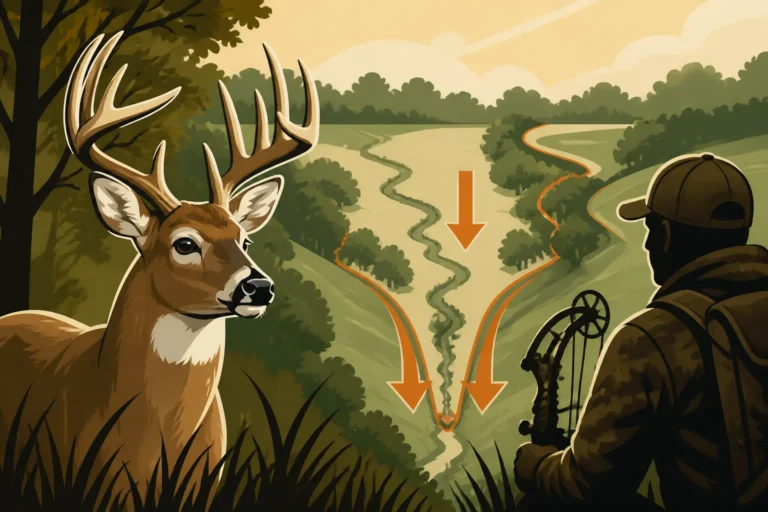
After months of hunting pressure, deer become much more nocturnal and gravitate towards the thickest, most impenetrable cover they can find. This means clear-cuts, dense pine plantations, and expansive swamps become vital bedding sanctuaries. Your job is to locate these bedding areas and then identify the travel corridors—the funnels—that connect them to the remaining food sources. A funnell could be anything from a narrow strip of hardwoods between two clear-cuts, a fence line, a small ditch, or a pinch point where a creek bends, forcing deer into a predictable path.
Deer also seek thermal cover in cooler temperatures. Thick pines block the wind and offer warmth. South-facing slopes will catch more sun and can be favored bedding spots on colder days. Don't be afraid to get into the nastiest, thickest stuff on your property or public land. That's where the deer will be holed up. You might not see them moving much during daylight hours unless they're pushed, but if you can position yourself on a funnel just outside these bedding areas, particularly in the late morning or late afternoon, you significantly increase your odds. Remember, these deer are looking for security and efficiency. Their movements will be purposeful.
Strategies for Pressured Deer
These January deer are smart. They've dodged hunters for months, and they know the drill. This means you need to be even smarter and more patient. Minimize your intrusion. Use wind and thermals to your advantage, always approaching from downwind. Quieter entry and exit routes are critical, especially if you're hunting small private tracts in Georgia where deer have fewer places to go. Consider still-hunting through thick cover, moving slowly and deliberately, pausing frequently to glass ahead. This method can be incredibly effective when deer are bedded tight and relying on their senses to detect threats.
For stand hunting, ground blinds can be a fantastic option, especially if you've done your homework and brushed them in well in advance. They offer warmth, concealment, and the ability to shift slightly without being detected. As for calling, less is often more. The aggressive rattling and grunting of the rut are over. Think soft bleats, fawn bleats, or quiet grunts, used sparingly, to pique curiosity rather than challenge a territorial buck. These deer are wary, so subtlety is your friend. If you can hunt after a significant cold front, deer often have to move more to feed, offering a fantastic opportunity. You can learn more about how to capitalize on this in Hunting Deer After a Georgia Cold Front.
Essential Gear and Preparation for the January Hunt
While the overall concept of deer hunting remains the same, those extra weeks in January bring their own set of considerations for gear and preparation. The weather can be wildly unpredictable, and the landscape might be wetter or denser than it was in earlier seasons. Being prepared for anything will make your hunt much more enjoyable and successful.
Clothing and Comfort in Variable Weather
Georgia's January weather can be a real mixed bag. You might start a morning hunt with temperatures in the low 20s, only to have it climb into the high 50s by afternoon. And let's not forget the potential for rain or freezing rain! The key here is layering. Start with a good moisture-wicking base layer, add insulating layers like fleece or merino wool, and top it off with a waterproof and windproof outer shell. Having options allows you to shed or add layers as the day progresses, preventing you from getting too hot and sweaty (which leads to getting cold later) or too chilly.
Footwear is another critical component. Southwest Georgia can be surprisingly wet, especially in creek bottoms and swampy areas. Invest in high-quality, waterproof rubber boots. They'll keep your feet dry and warm, and they don't hold human scent like fabric boots, which is a huge bonus when dealing with pressured deer. Consider insulated versions for those colder mornings. Nothing ruins a hunt faster than cold, wet feet. When choosing your footwear, think about how much you'll be traversing through water or muck; Rubber Boots for Swamp Walking can offer some great insights.
Scouting Tools and Navigation
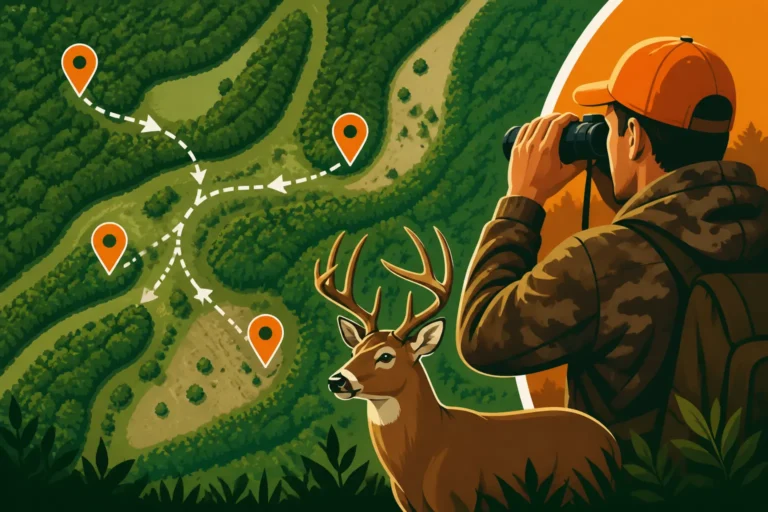
Effective late-season hunting is built on solid information. You'll want to employ every scouting tool at your disposal. This includes physical maps, but more importantly, digital mapping applications on your phone or a dedicated GPS unit. Services like GoHunt provide detailed satellite imagery, property lines, and public/private land distinctions, which are absolutely vital in this part of Georgia. Being able to mark potential food sources, bedding areas, and funnels from your couch, then confirm them on the ground, is a game-changer. The ability to distinguish between public and private lands quickly is especially important if you're trying to find areas with less pressure. Consider GPS Units Versus Phone Apps for a comparison of what might work best for you.
Even if you've hunted an area all season, things change in January. Food sources deplete, water levels shift, and deer may relocate due to pressure. Don't stop scouting just because the season is open. Take quiet walks, observing fresh tracks, rubs (though less frequent now), and browse lines. You might even consider using trail cameras on active food plots or travel corridors, but be mindful of placement to avoid spooking deer in sensitive areas.
Game Recovery and Processing Considerations
One often-overlooked aspect of late-season hunting in Georgia is game recovery and processing. While January tends to be cooler, we can still have warm spells. If you're successful on a warmer day, prompt field dressing is non-negotiable to prevent spoilage. Have your field dressing kit ready and know your route to get the deer out quickly. A sturdy knife, gloves, and a few game bags are essential.
Dragging a deer through thickets, mud, and water can be exhausting. A good deer cart or a reliable drag rope can save you a lot of back pain. If you're hunting alone, consider smaller, more manageable areas or plan for assistance. Once the deer is out, getting it cooled down quickly is paramount. Have a plan for how you'll transport it and whether you'll take it to a processor or butcher it yourself. Even in January, temperatures can fluctuate, so a good cooler with ice, even for a short drive, is a wise investment, much like you'd use Coolers for a Warm September Kill. Knowing Georgia's specific deer harvest reporting rules is also critical to ensure you stay compliant.
Navigating Common Challenges
The extended season offers great opportunities, but it's not without its unique hurdles. Understanding these challenges beforehand can help you formulate proactive solutions and maintain a positive attitude in the field.
Dealing with Increased Hunting Pressure
Even though the season is winding down for many, the extended Southwest Georgia season can draw hunters from other parts of the state. This means that public lands, in particular, might see continued or even increased pressure. Deer, being highly adaptable creatures, will quickly learn to avoid areas with heavy human presence.
To combat this, you'll need to think outside the box. First, consider hunting weekdays if your schedule allows, as this often reduces competition. Second, don't be afraid to walk further, go deeper into areas others overlook, or target spots that are difficult to access. This might mean crossing a creek, navigating a thick swamp, or climbing a steep bank that most hunters avoid. Look at aerial maps using tools like GoHunt to identify these inaccessible pockets. Often, the biggest, smartest deer will be found in these sanctuary areas. Additionally, scouting a few different public land tracts or asking for permission on small private tracts in Georgia could expand your options and spread out your hunting efforts, minimizing the impact of a single pressured area.
The Post-Rut Lull and Antler Shedding
By January, the whitetail rut in Georgia is well and truly over, or at least in its very final stages for some later-breeding does. Bucks are exhausted. They've spent weeks chasing, fighting, and breeding, burning through their fat reserves. Their focus shifts from reproduction to recovery: finding food, conserving energy, and surviving. This can lead to a "post-rut lull" where buck movement, especially daylight movement, slows significantly.
Compounding this, late January often sees the start of antler shedding. While some bucks might hold their antlers into February or even March, many will begin to drop them, particularly the younger, less healthy, or more stressed animals. This doesn't mean you can't harvest an antlered buck, but it does mean your chances might be slimmer, and you could potentially shoot a buck that drops an antler shortly after. If your primary goal is venison, this becomes less of a concern, and you can focus on the abundant antlerless opportunities. If a trophy buck is your aim, you'll need to be exceptionally patient and dialed into those prime food sources near bedding cover. The key is to shift your mindset from a "rut hunt" to a "survival hunt." Don't underestimate the power of a solid Cold-Weather Sitting Strategy in a Georgia January when targeting those post-rut bucks.
Disclaimer
Hunting is an inherently dangerous activity. Always prioritize safety, understand and follow all Georgia Department of Natural Resources (DNR) regulations, and obtain proper licenses and permits. The information provided in this guide is for informational purposes only and should not be considered legal advice or a substitute for official DNR publications. Always consult the current year's Georgia Hunting Regulations for the most accurate and up-to-date information.