Deer Drives on Georgia Public Land
Hunting deer on public land in Georgia can be incredibly rewarding, but let's be honest, it often feels like you're playing a chess game against a ghost. Those public land whitetails are masters of evasion, wise to every trick in the book, especially when they've felt the pressure from countless hunters. If you've ever found yourself scratching your head after a long, quiet sit, wondering where all the deer went, you're not alone. This comprehensive guide will walk you through the ins and outs of organizing and executing effective deer drives on Georgia's public lands, offering practical strategies to help you connect with those elusive deer and turn a slow day into a memorable one.
Understanding the Dynamics of Deer Drives on Public Land
Deer drives, when done right, can be a highly effective method for moving deer out of thick cover and past waiting hunters. But it’s not just about walking through the woods and hoping for the best. On public land, where deer are often more wary and other hunters might be around, the dynamics become even more complex.
Why Deer Drives Can Work (and Why They Often Don't)
The core principle behind a deer drive is simple: create enough disturbance to make deer uncomfortable in their bedding areas, encouraging them to move towards strategically placed standers. Public land deer, particularly, are masters of finding the path of least resistance or the thickest escape cover. They've been pushed before, and they often have predictable escape routes ingrained in their behavior. A successful drive anticipates these routes, funneling deer into shooting lanes. We're talking about those savvy bucks that hug the swamp edges or disappear into a clear-cut at the first hint of pressure. If you can predict their preferred escape routes, you’re already halfway there.
However, drives can fall flat for a number of reasons. Too few drivers, poor communication, standers in the wrong spots, or simply pushing an area devoid of deer can lead to a lot of walking for little reward. It's frustrating to invest time and effort only to hear nothing or see deer slip out the sides. Often, hunters underestimate the deer's ability to circle back or lay tight, letting the drivers pass right by them. Remember, deer on public land are often accustomed to human presence, so a casual stroll might not be enough to get them moving. It takes a delicate balance of pressure and precision.
The Critical Role of Public Land Considerations
Hunting public land in Georgia means sharing the woods, and that brings unique challenges to deer drives. Unlike private land where you control access, you have to be acutely aware of other hunters, varying terrain, and specific Wildlife Management Area (WMA) regulations. The vastness of places like the Chattahoochee-Oconee National Forest presents different challenges than a smaller WMA in the Piedmont or Coastal Plain.
On any given day, you might encounter still-hunters, bowhunters in stands, or even small game hunters. This means safety is paramount, and your drive needs to be executed with extreme caution. Imagine setting up a drive only to realize another hunter has beaten you to one of your planned stand locations. It happens. You also need to understand that the deer on public land are often heavily pressured. This means they're usually bedded in the nastiest, thickest cover available, making them tougher to move. A drive through a mature hardwood bottom is a far cry from a drive through an impenetrable briar patch. Considerations like the sheer number of hunters you might encounter, especially during early firearms season, mean you need to be flexible and constantly evaluating your surroundings. You'll often find that the areas others walk past are precisely where the smart deer are hiding, requiring you to think outside the box.
Assembling Your Deer Drive Crew and Planning the Route
Executing a successful deer drive on Georgia public land isn't a solo mission. It requires a well-coordinated team and meticulous planning. Getting your crew together and laying out a solid plan before you ever step foot in the woods can make all the difference.
Defining Roles: Drivers, Standers, and Safety
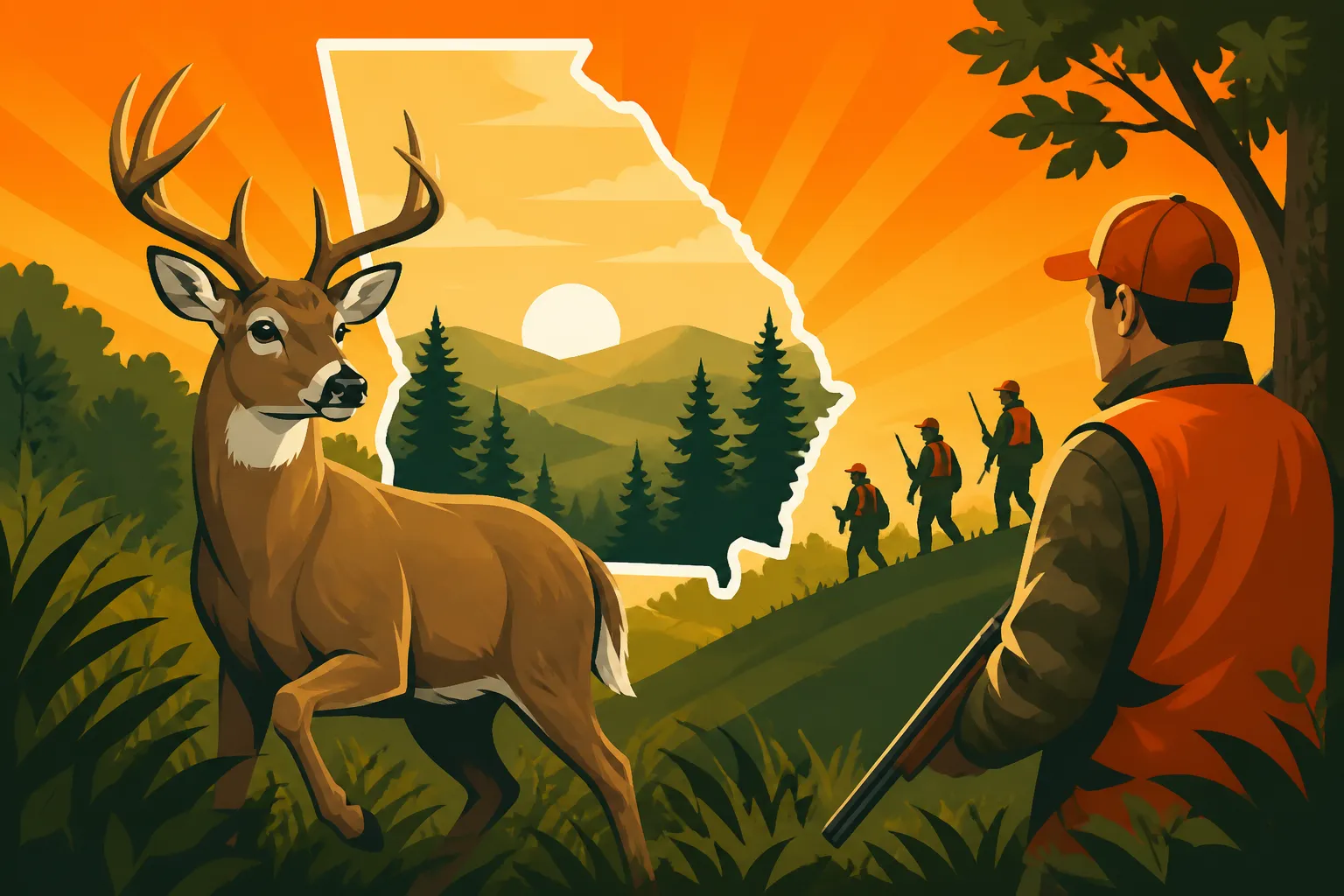
A typical deer drive involves two main roles: drivers and standers. You need enough people to effectively cover the area you intend to push, but not so many that it becomes chaotic. For smaller, focused drives, three or four hunters can be incredibly effective. The drivers are responsible for moving through the cover, pushing deer towards the standers. Their pace, noise level, and spacing are crucial. The standers position themselves along anticipated escape routes, acting as blockers and ready to take ethical shots.
Communication is the backbone of any drive. Before starting, clearly assign roles, define the boundaries of the drive, and establish communication signals – whether through two-way radios, cell phones (if you have service), or even pre-arranged whistle blasts. Most importantly, everyone needs to be on the same page regarding safety protocols. This includes mandatory blaze orange requirements in Georgia, defining clear shooting lanes, and never taking a shot at sound or movement. Each member of your crew should understand the full sweep of the hunting area and where everyone else is positioned.
Scouting the Drive Area and Mapping Escape Routes
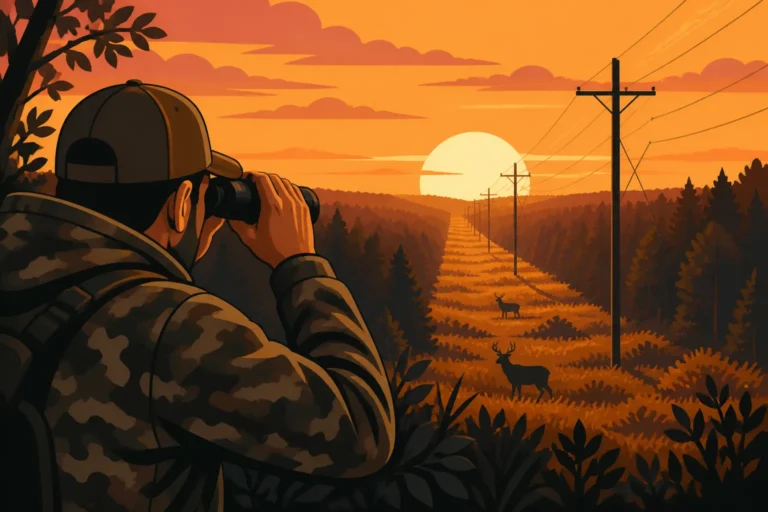
This is where the real work happens, often long before opening day. Pre-season scouting is non-negotiable. You’re looking for deer sign – tracks, rubs, scrapes, and bedding areas – within your target drive area. But just as important, you're looking for escape routes: thick creek bottoms, natural funnels between two swamps, dense pine thickets, logging roads, or even subtle changes in elevation that deer might use to slip away. Deer are creatures of habit, and they often use the same escape routes year after year, especially when pressured.
Modern mapping tools are your best friend here. Apps like GoHunt are invaluable for analyzing aerial photos, topo maps, and public land boundaries. You can use these tools to identify potential bedding areas, mark probable escape corridors, and pinpoint ideal stand locations for your standers. For instance, studying satellite imagery might reveal a hidden saddle on a mountain ridge that deer consistently use to cross, or a narrow strip of hardwoods connecting two larger blocks of timber. You can even use these apps to plan your entry routes through a standing peanut field or to scout heavily timbered areas like those found in the Chattahoochee National Forest. Don't just walk in blind; use technology to gain a strategic advantage.
Executing a Successful Deer Drive: Tactics and Techniques
Once your crew is assembled and your plan is laid out, it's time to put it into action. But execution is an art, not a science, and requires careful consideration of the terrain, deer behavior, and the movements of your team.
Strategic Stand Placement for Maximum Effectiveness
The standers are the linchpin of a successful drive. Their placement determines whether deer are intercepted or simply slip through the cracks. Think like a deer: where would you go if suddenly disturbed? Look for natural funnels – bottlenecks created by terrain features like thick creek bottoms, steep bluffs, or logging roads that force deer into a narrower path. Edges of thick cover, especially where it meets more open timber or a field, are also prime spots. If you're in the Piedmont, setting up on a Piedmont field edge where a thicket meets a planted field can be deadly. In swamp country, posting a drive around a Georgia swamp requires standers to be alert for deer trying to slip across water or through the densest part of the cypress.
Consider the wind direction. Deer will almost always try to use the wind to their advantage, circling downwind of perceived threats. Place standers downwind of the anticipated escape route. Elevation can also be a key factor, especially in hillier parts of Georgia. A stander perched on a small knoll overlooking a draw or bottomland can see deer approaching from a distance. The goal is to set up where deer are most likely to pass, but also where you have clear shooting lanes and a safe backdrop for your shots. Don't forget the importance of ground blinds, especially in areas with sparse trees or where you need to conceal multiple hunters. Using a ground blind on Georgia public land can be very effective if brushed in properly.
Driver Tactics: Pushing Smart, Not Just Hard
The drivers' role is to apply consistent, strategic pressure, not just to make a lot of noise and charge through the woods. The best drivers understand how to control the pace and direction of the push. Sometimes, a slow, quiet walk is more effective than a loud crash, as it subtly nudges deer rather than sending them into a full panic that might cause them to circle back. Other times, especially in extremely thick cover, more noise might be needed to get deer moving.
Drivers should maintain a relatively even line, ensuring no gaps appear through which deer can slip unnoticed. If a driver suddenly sees fresh deer sign, like a hot track, they can adjust their path slightly to follow it, communicating their movement to the rest of the crew. Remember, you're trying to influence deer movement, not just scatter them. Pay attention to the natural topography and cover. If you're in pine flats, spread out more. If you're in dense river bottom, you might need to be closer together. Adjusting to the terrain and the deer’s reactions is key.
Safety First: Non-Negotiable Rules for Public Land Drives
I cannot stress this enough: safety is the absolute top priority when conducting deer drives, especially on public land. With multiple hunters moving and positioned, the potential for accidents increases significantly if strict protocols aren't followed.
Blaze Orange, Communication, and Shot Zones
Georgia law mandates blaze orange during firearms seasons, and for good reason. Every hunter involved in a drive, whether driving or standing, should wear visible blaze orange. This isn't just about meeting minimum requirements; it's about maximizing visibility and reducing the risk of mistaken identity. Consider wearing more than the minimum if possible. This includes blaze orange hats, vests, or jackets. Remember your Blaze Orange Requirements.
Clear and consistent communication is also vital. Use radios or cell phones (if you have service) to confirm positions, report deer movement, and address any safety concerns. Before the drive begins, all participants must agree on safe shooting zones. Standers should know the locations of all drivers and other standers, and never shoot in their direction. Define areas where shots are permissible based on terrain, cover, and known positions. A good rule of thumb: if you don't know what's beyond your target, don't take the shot. Always identify your target positively and ensure you have a safe backstop.
Respecting Other Hunters and Public Land Etiquette
When hunting on public land, you're sharing the resource. Be mindful of other hunters who may not be part of your group. Before initiating a drive, take a few minutes to observe the area. Look for parked vehicles, existing treestands, or other signs of activity. If you encounter another hunter, politely inform them of your intentions and adjust your drive path if necessary to avoid disrupting their hunt or, more importantly, to ensure everyone's safety. It's about showing respect and finding ground others walk past, not chasing them out of their spots.
After the drive, leave the area cleaner than you found it. Pack out all trash, including empty shell casings. This simple act of stewardship helps preserve public hunting opportunities for everyone and reinforces a positive image of hunters.
Post-Drive Strategies and Lessons Learned
A deer drive isn't truly over until the deer is recovered and lessons are learned. Even if a shot is missed or a deer isn't seen, there's always something to take away from the experience.
Tracking and Recovery on Challenging Terrain
If a shot is taken, the immediate priority is careful tracking. Even if you think you made a good shot, always assume the deer ran. Mark the last spot you saw the deer and the point of impact. Give the deer some time if you suspect a marginal hit; a wounded deer often beds down close by if not pushed immediately. However, if you are Tracking a Deer Through Georgia Pine Straw or through dense swamp, waiting too long in warm Georgia weather can compromise the meat.
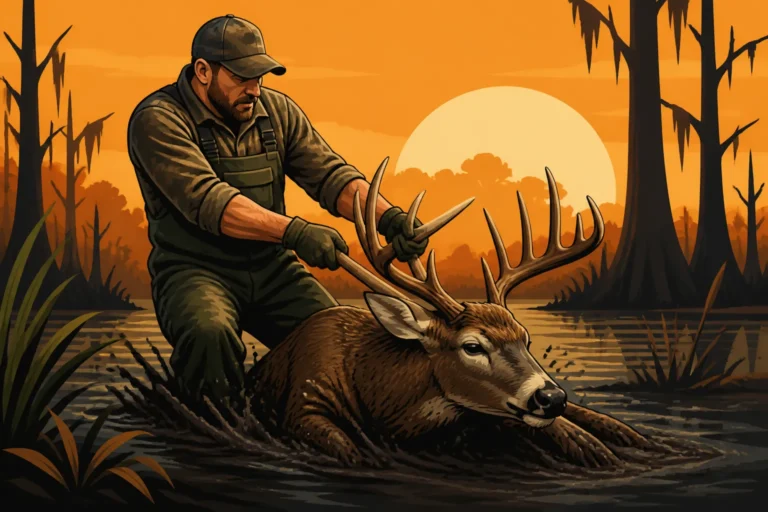
In Georgia, particularly in the Coastal Plain and swamp areas, tracking can be incredibly challenging. Thick briars, cypress swamps, and dense palmetto thickets can swallow up a blood trail quickly. Knowing how to efficiently blood trail after dark in Georgia can be a critical skill. Sometimes, you might need to use dogs if legally permitted and available, or return at first light with more hunters to help grid search. Always carry a good flashlight or headlamp and mark your trail with surveyor's tape as you go, especially in unfamiliar terrain. Recovering a deer from a cypress swamp, for instance, requires significant effort and preparation.
Debriefing and Adapting for Future Success
After every drive, whether successful or not, take time to debrief with your crew. What worked well? What could have been done better? Did the deer go where you expected, or did they consistently slip out a particular side? Maybe your standers were too far apart, or the drivers pushed too fast or too slow.
Analyze the terrain and the deer's reaction. Did they hold tight in a specific type of cover? Did they try to circle back into the drivers? These observations provide invaluable data for future hunts. Perhaps next time, you'll try a different approach, positioning standers on a ridge-top saddle for rutting bucks instead of a creek bottom, or adjusting your rattling volume in thick pine cover. Each drive is a learning experience. Document your findings, perhaps marking them on your GoHunt map. This continuous learning and adaptation are what turn good hunters into great ones, especially on challenging Georgia public land.
| Role | Primary Responsibilities | Key Considerations |
|---|---|---|
| Drivers | Move through cover, push deer towards standers, maintain line and pace, communicate deer sightings/movement. | Noise level (strategic), constant communication, understanding deer escape tendencies, covering assigned area thoroughly. |
| Standers | Position strategically on escape routes, remain silent and still, identify targets positively, take ethical shots. | Wind direction, clear shooting lanes, safe backstops, awareness of all other hunter positions, proper concealment. |
| Coordinator (often a Driver or Stander) | Oversee planning, assign roles, ensure safety protocols, manage communication, debrief post-drive. | Experience in the area, strong communication skills, decisive decision-making, adherence to all regulations. |
Disclaimer
Hunting is an inherently dangerous activity. Always prioritize safety, understand and follow all Georgia Department of Natural Resources regulations, and obtain proper hunter education. The advice provided here is for informational purposes and should be adapted to your specific hunting conditions and skill level. Ensure you have all necessary licenses, permits, and landowner permissions before hunting.