Hunting the Georgia Youth Deer Weekend
Getting kids involved in hunting can feel like a monumental task, especially when you're juggling complicated season dates, strict regulations, and the sheer challenge of keeping a young hunter engaged. Many of us experienced the outdoors as kids through informal mentors, but in today's world, it's often more structured. If you're looking for a dedicated opportunity to introduce your child or grandchild to deer hunting in a focused, less-pressured environment, the Georgia Youth Deer Weekend is a truly fantastic resource. This guide will walk you through everything you need to know to make it a memorable and successful experience.
Understanding the Georgia Youth Deer Weekend
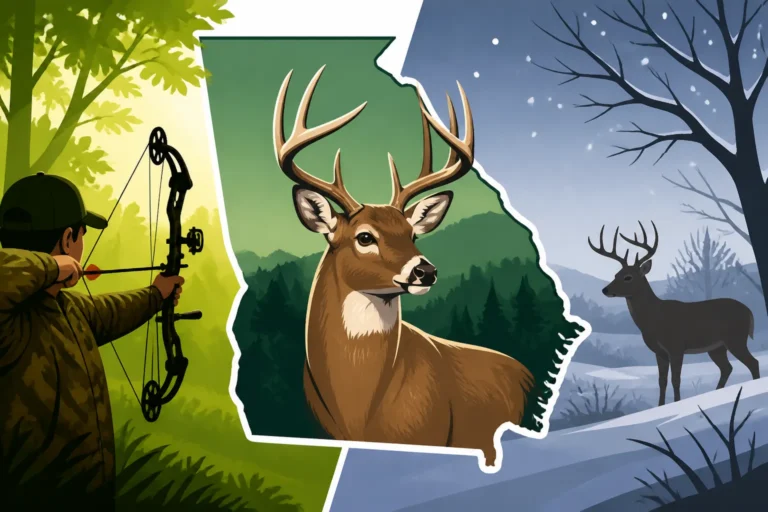
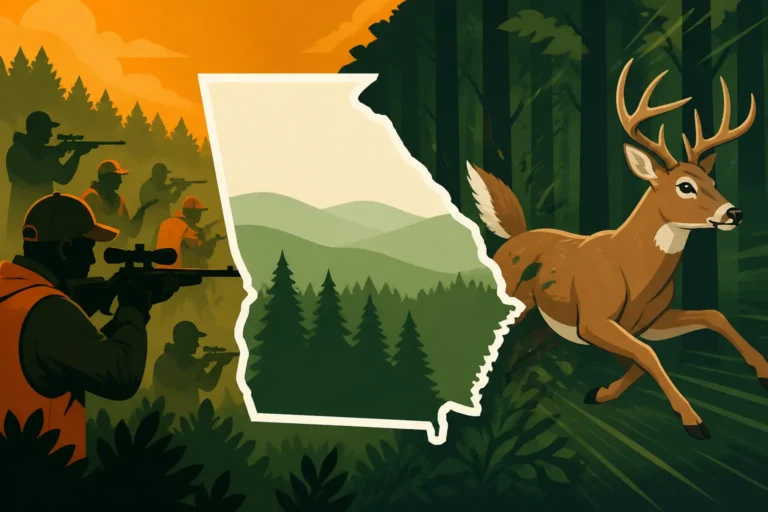
The Georgia Youth Deer Weekend is more than just another hunting date on the calendar; it's a carefully designed initiative to encourage youth participation in hunting and ensure the next generation understands and values conservation. It's a special window of opportunity that allows young hunters to get out into the deer woods before the full rush of the regular firearms season, often even before archery season for adults, depending on the year. This significantly reduces hunting pressure and increases the chances of seeing deer, which is absolutely crucial for keeping a new hunter interested and motivated.
The Purpose Behind This Special Season
The Georgia Department of Natural Resources (DNR) established this weekend with a clear goal: to provide an accessible, encouraging entry point for young people into deer hunting. Think about it – the regular season can be crowded, and a young hunter's patience might wear thin if deer movement is slow due to heavy pressure. This dedicated weekend mitigates those issues. It creates a calmer, more focused environment where the emphasis can truly be on the experience, learning, and connection with nature, rather than just punching a tag. It's about lighting that spark for a lifelong passion. This special season helps to foster stewardship and a deeper appreciation for wildlife management from a young age, ensuring that the rich traditions of hunting continue in Georgia.
Eligibility, Rules, and Weapon Choices
So, who can participate in this special weekend, and what are the ground rules? Generally, any hunter under the age of 16 is eligible. The beauty of the Youth Deer Weekend is that young hunters can use any legal weapon for deer, including firearms, even if the adult archery season is the only other season currently open. This is a huge advantage for youth who might not be ready for the precision and close-range demands of archery.
An adult (18 years or older) must accompany the youth. This adult, often a parent, grandparent, or guardian, doesn't need to be a licensed hunter themselves, as long as they are not hunting. However, if the adult plans to hunt, they must possess all valid licenses and big game stamps. The youth hunter themselves will need a valid Georgia hunting license, which is often a free or low-cost option, especially if they are under 16. It's always best to double-check the current year's Georgia DNR regulations or visit the Go Outdoors Georgia website for the most up-to-date requirements. Remember, all hunters, including youth, must still abide by statewide bag limits for antlered and antlerless deer. Mentors should also ensure they understand and follow Georgia's blaze orange requirements for hunters, which apply to them even if the youth is not required to wear it. Getting a hunting license and understanding the rules is a crucial step that you can tackle together, turning it into part of the adventure. For first-time hunters, don't forget the importance of Georgia Hunter Education Requirements.
The Critical Role of the Mentor
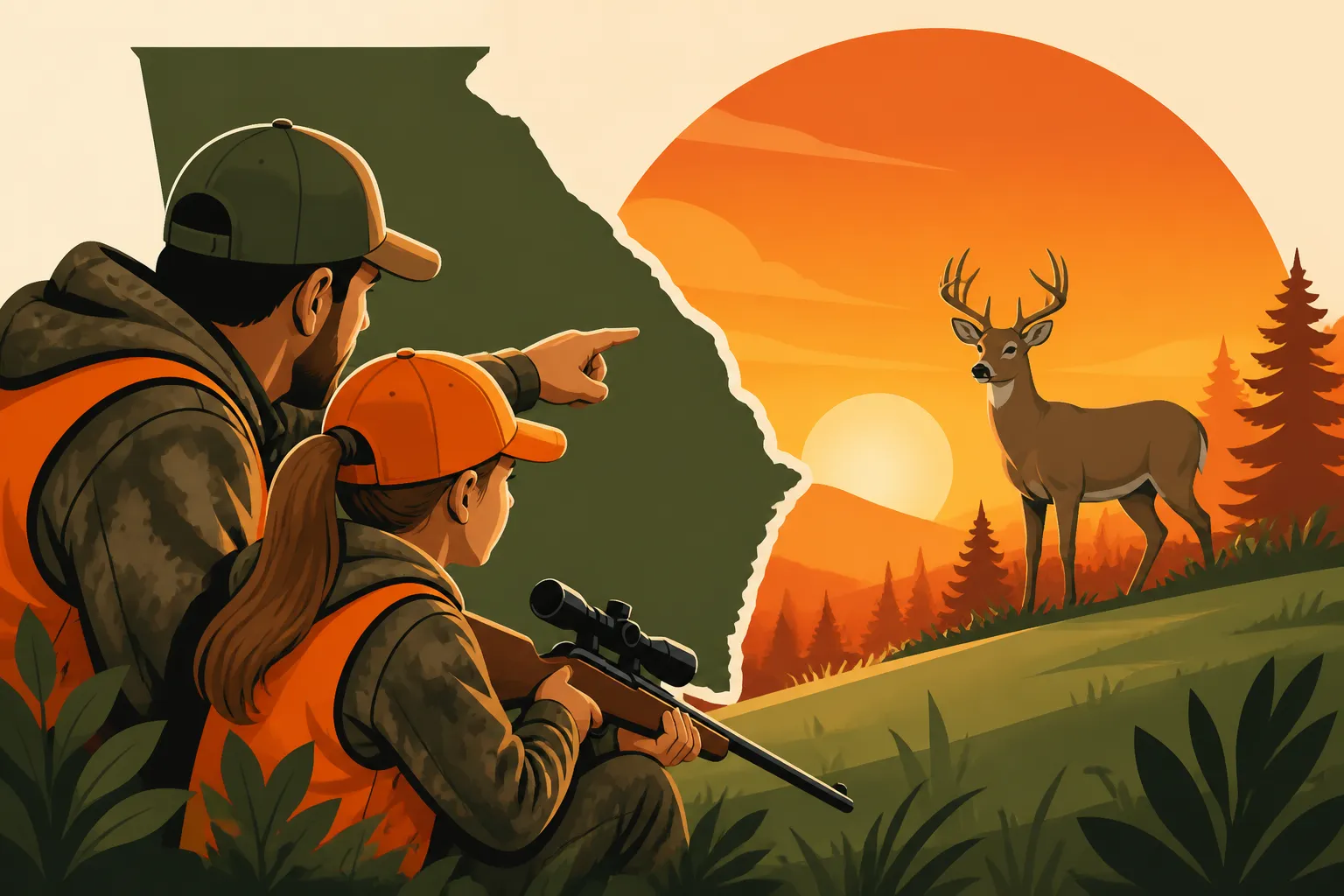
Being a mentor during the Youth Deer Weekend is about so much more than just supervising. You are the guide, the teacher, and the emotional support system. Your primary role is to ensure safety, provide guidance, and, most importantly, create a positive and memorable experience for the young hunter. This means being patient, keeping spirits high even if deer aren't moving, and focusing on the journey, not just the outcome.
The mentor is responsible for explaining safety rules, ensuring the youth understands their weapon, and assisting with decisions in the field. This might include helping with target identification, judging distances, or providing encouragement during a long sit. You're modeling ethical hunting behavior, teaching woodsmanship, and instilling a love for the outdoors. It's a fantastic opportunity to bond and pass down traditions, so embrace every moment. Your calmness and positive attitude will directly influence their experience.
Pre-Hunt Preparation for Young Hunters
Success on the Georgia Youth Deer Weekend starts long before you ever step foot in the woods. Thorough preparation, focusing on comfort, safety, and managing expectations, will lay the groundwork for a truly enjoyable experience for everyone involved. Rushing into a hunt with an unprepared young hunter can quickly turn a potential lifelong passion into a frustrating memory.
Essential Gear for Comfort and Safety
Georgia's weather can be notoriously unpredictable, especially in late October. One day might feel like late summer, the next could bring a surprising cold front. Layers are your best friend. Start with a moisture-wicking base, add an insulating layer, and top it off with a quiet, camouflage outer shell. Make sure everything fits well and doesn't restrict movement. For more advice, check out Warm-Weather Clothing for Georgia Hunters. Don't forget durable, waterproof boots that are broken in – nothing ruins a hunt faster than blisters or cold, wet feet.
Safety gear is non-negotiable. If using a firearm, hearing protection (earmuffs or plugs) is absolutely essential. Many youth firearms have substantial recoil, and protecting their hearing from the very first shot is paramount. For the accompanying adult, remember those blaze orange requirements; wear a hat, vest, or both to ensure visibility to other hunters, even if the youth is not required to wear it. A small first-aid kit, plenty of water, and some snacks will also go a long way in keeping everyone comfortable and focused. Bug spray is usually a good idea too, as those pesky gnats and mosquitoes can still be around in October, especially in bottomland areas.
Weapon Familiarization and Confidence
This is perhaps the most critical preparation step. Before any hunt, a young hunter needs to be intimately familiar and confident with their chosen weapon. This means significant time at the shooting range. Start with target practice at close ranges, gradually increasing the distance as their accuracy and comfort improve.
Choosing the right caliber is also important. While a seasoned hunter might use a .30-06, a lighter-recoiling caliber like a .243 Winchester, 6.5 Creedmoor, or even a .223 Remington (if legal for deer in Georgia, which it generally is for centerfire rifles) can be far more appropriate for a young shooter. The goal is accuracy and minimal flinching due to recoil. A good fit, especially with stock length, can also make a huge difference in managing recoil and comfort. Ensure the rifle is zeroed correctly and they understand how to safely load, unload, and handle it. You might find some excellent advice on this topic in Choosing a Rifle Caliber for Georgia Deer. Confidence comes from competence, and a successful shot often begins with countless hours of practice.
Smart Scouting for Deer Activity
Scouting isn't just for seasoned pros; it's an excellent way to involve youth and teach them about deer behavior. Before the Youth Weekend, take a few non-hunting trips to your chosen area. Look for fresh deer sign: tracks, droppings, rubs, and scrapes. Focus on areas with good cover near food sources like oak flats (if acorns are dropping) or agricultural fields (corn, soybeans, peanuts). Check out Scouting Georgia Public Land Before Season for general tips.
When scouting with kids, keep it fun and engaging. Teach them how to identify different trees and tracks. Use mapping apps like GoHunt to mark potential stand locations, food sources, and travel corridors. This hands-on approach helps them feel invested in the hunt and understand the "why" behind your choices. A pre-hunt scout not only increases your chances of seeing deer but also builds anticipation and knowledge for the young hunter. If you're hunting in the Piedmont region, learning to interpret topography and cover can be extremely helpful, so consider reviewing Reading Aerial Photos for Piedmont Deer.
Mental Preparation and Realistic Expectations
Hunting with youth is fundamentally different from hunting solo or with other adults. The most important lesson you can impart is that hunting isn't just about killing an animal; it's about the entire experience. Talk about the sights, sounds, and smells of the woods. Discuss patience and quietness. Explain that sometimes you don't see anything, and that's perfectly okay.
Manage expectations by emphasizing the small victories: seeing a squirrel, hearing an owl, identifying a new bird. Celebrate simply being outdoors together. If the goal is solely to harvest a deer, and it doesn't happen, it can be a devastating blow to a young hunter's enthusiasm. Frame the hunt as an adventure and a learning opportunity. This mental preparation is crucial for fostering a love for hunting that extends beyond just pulling a trigger.
Maximizing Your Chances on the Youth Deer Weekend
You’ve done the prep work, the gear is ready, and your young hunter is excited. Now, how do you translate that into a memorable hunt? Strategic choices in location and method, tailored to a youth hunter's capabilities and attention span, are key.
Choosing the Right Hunting Location
Selecting the perfect spot is paramount. For a youth hunter, "perfect" often means accessible, comfortable, and with a good chance of seeing deer without excessive pressure. Public lands, particularly Georgia's Wildlife Management Areas (WMAs), can offer fantastic opportunities, but you need to do your homework. Some WMAs have designated youth-only areas or hunts, which are excellent choices. Others might simply have less pressure during this special weekend. For details on local WMAs, refer to Finding a Georgia WMA Near You.
If you have access to private land, that can be even better, as it often means less competition and more control over the hunting environment. When seeking permission, approach landowners respectfully and explain your goal of introducing a young hunter to the sport. Being transparent about your intentions can often lead to a positive response. For tips on how to go about this, look into Getting Private Land Permission in Georgia. Regardless of public or private, use your GoHunt app or other mapping tools to identify pinch points, food sources, and natural funnels that deer are likely to use. Accessibility is key – don't choose a spot that requires a grueling hike if your young hunter isn't up for it.
Hunting Methods Geared for Youth Success
When hunting with a young person, comfort and stability are essential. They need to be able to sit still (mostly!) for a reasonable amount of time and make a confident shot.
- Ground Blinds: These are often the absolute best option for younger hunters. A pop-up ground blind offers a comfortable, enclosed space where a young hunter can move a little, stretch, or even whisper without completely ruining the hunt. It also helps contain scent and provides a stable rest for shooting. The novelty of being hidden in a blind can also be exciting. For more on setting up a ground blind, check out Using a Ground Blind on Georgia Public Land.
- Ladder Stands or Box Blinds: For slightly older or more experienced youth, a sturdy ladder stand or an enclosed box blind can provide excellent visibility and a safe, elevated shooting platform. Box blinds offer even more comfort and protection from the elements, which can extend a young hunter's patience. Safety harnesses are absolutely mandatory for any elevated stand use, regardless of age. Make sure the youth understands how to use it properly. You can find useful information on proper setups in Treestand Setups in North Georgia Mountains.
- Short Still-Hunts: If your young hunter is particularly patient and quiet, a very slow, deliberate still-hunt along a field edge or through an open timber stand can work. However, this is generally more challenging for beginners as it requires a high degree of stealth and situational awareness. Keep these hunts short and focused.
Strategic Setup and Patience in the Field
Once you've chosen your method, the setup itself needs careful consideration. Position your blind or stand with the wind in your favor, overlooking a known food source or a well-used trail. Think about the sun's position – you don't want it in your eyes or glaring off your scope at prime hunting times. Ensure there's a clear shooting lane and a safe backdrop.
Patience is a virtue, but it's often in short supply for kids. Plan shorter sits, especially in the mornings or evenings when deer activity is typically highest. Don't push it too hard. If boredom sets in, engage them with quiet activities: identify birds, listen for other animals, track squirrels, or point out different types of trees. Whisper stories about past hunts or share facts about deer. This keeps them engaged and fosters a deeper appreciation for the environment. Remember, the goal is to build a positive association with hunting, not to force them into prolonged discomfort.
Post-Shot Protocol and Involvement
Should your young hunter be successful, the moments immediately following the shot are critical for both recovering the animal and solidifying the hunting experience. Instill the importance of waiting patiently for a few minutes (or longer, depending on the shot) before attempting to track the deer. Teach them to mark the exact spot where the deer was standing and where it ran.
Involve them directly in the blood trailing process, teaching them how to look for signs, tracks, and blood. It’s an invaluable lesson in responsibility and respect for the animal. Even if the trail is difficult, persevere together. Having them participate in finding the deer they harvested is a powerful moment. For challenging tracking situations, our guide on Blood Trailing After Dark in Georgia might offer some helpful tips, though ideally, you'll recover the deer before nightfall.
After the Harvest: Completing the Experience
The hunt doesn't end when the shot is fired and the deer is on the ground. The post-harvest steps are just as important for completing the experience, reinforcing lessons in responsibility, and ensuring the meat is properly cared for. These are crucial teaching moments that round out the entire journey for a young hunter.
Field Dressing and Processing Together
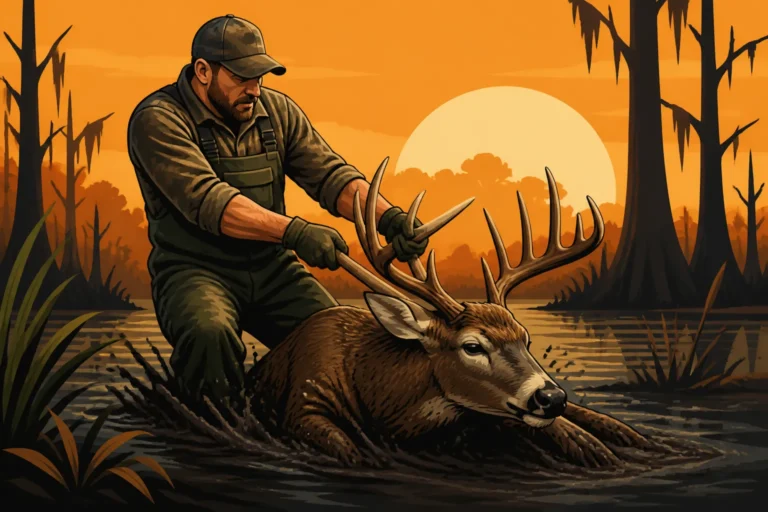
This might not be the most glamorous part of hunting, but it’s arguably one of the most important. Involve your young hunter in the field dressing process to the extent they are comfortable. Explain why you're doing what you're doing – removing heat to preserve the meat, showing respect for the animal, and preparing it for consumption. Even if they only hold a leg or hand you a knife, that involvement teaches them about the full cycle of harvesting an animal for food.
In Georgia's often warm October weather, quick field dressing and cooling are absolutely essential. If you’re far from a cooler or processing facility, consider taking measures to get the deer cooled down as soon as possible. Our article on Field Dressing a Deer in Warm Weather offers specific advice for these conditions. This is a practical lesson in food sourcing and responsibility that many kids today don't get to experience.
Mandatory Harvest Reporting
One of the non-negotiable aspects of hunting in Georgia is reporting your harvest. Make this a part of the celebration! After the deer is down and safely recovered, guide your young hunter through the process of reporting their deer via the Georgia Game Check system, either online or through the mobile app. This teaches them about compliance with wildlife regulations and the importance of data for wildlife management.
Explain that this information helps the Georgia DNR manage deer populations, set future seasons, and ensure sustainable hunting opportunities for everyone. It’s a direct link to conservation and civic duty. Making it a ceremonial part of the hunt reinforces its significance. Detailed instructions can be found in Georgia Deer Harvest Reporting Rules.
Celebrating the Achievement and Venison
Regardless of the size of the deer, celebrate your young hunter's achievement! This could be a special meal, a certificate, or simply sharing stories with family and friends. The emphasis should be on their effort, patience, and the experience itself. Cook the venison together. Having them help prepare the meat they harvested, and then eating it, creates a powerful connection to the entire process and reinforces the ethical aspect of hunting as a food source. This culmination of the hunt provides a tangible, delicious reward for their efforts.
Lessons Learned and Future Hunts
After the dust settles, take some time to debrief. Talk about what went well, what could have been done differently, and what they learned. Did they enjoy the experience? What was their favorite part? What challenges did they face? This reflective conversation helps them process the event and solidifies the lessons learned.
The Georgia Youth Deer Weekend is often just the beginning. Use this positive experience as a springboard for future hunts and continued outdoor education. Encourage them to keep practicing, keep scouting, and keep exploring. The goal isn't just a successful hunt; it's to ignite a lifelong passion for the outdoors, conservation, and the rich tradition of hunting that we cherish in Georgia. Every step of this journey, from preparation to harvest and beyond, is an opportunity to forge lasting memories and instill valuable life lessons.
Disclaimer
Hunting involves inherent risks, including but not limited to those associated with firearms, tree stands, and navigating outdoor environments. Always prioritize safety, adhere to all local and state regulations, and ensure proper training and supervision for young hunters. This guide is for informational purposes only and should not replace official Georgia Department of Natural Resources guidelines or professional instruction.