Getting Private Land Permission in Georgia
For many Georgia hunters, the dream of bagging a big buck or calling in a spring gobbler often collides with the harsh reality of limited access. Public land can be crowded, and finding good, consistent hunting spots on private property feels like searching for a needle in a haystack. This comprehensive guide is here to walk you through the ins and outs of securing private land permission in Georgia, offering practical advice, legal insights, and strategies to build lasting relationships with landowners.
Understanding Georgia's Land Access Laws and Ethics
Before you even think about approaching a landowner, it’s crucial to understand the legal landscape and the unspoken ethical rules that govern hunting on private land in Georgia. Misunderstanding these can lead to frustration, legal trouble, or simply burning bridges that could have led to great hunting opportunities. Georgia's laws are designed to protect private property rights, and ignorance is rarely an excuse.
The Legal Framework of Trespassing
In Georgia, hunting on private land without explicit permission from the landowner or leaseholder is considered trespassing. This isn't just a minor infraction; it can carry significant penalties, including fines and potential jail time, not to mention the loss of hunting privileges. It's not enough to assume that because a property isn't posted with "No Trespassing" signs, you have implied permission. The responsibility to secure permission rests entirely on the hunter.
Imagine you've been scouting a promising-looking timber tract right up against a public WMA. You see deer signs everywhere, and it looks like a perfect pinch point. You might think, "Well, there are no signs, so maybe it's okay if I just slip in for an hour." This line of thinking is a direct route to trouble. Even if you don't encounter the landowner, you could be spotted by a neighbor, another hunter, or even law enforcement. The consequences far outweigh any potential gain from an unauthorized hunt. Always err on the side of caution and assume permission is required. You can learn more about the specifics of Georgia Trespass and Permission Law to ensure you're always on the right side of the fence.
The Importance of Respect and Communication
Beyond the letter of the law, there's an unwritten code of ethics that every responsible hunter adheres to when seeking private land access. This code is built on respect – respect for the landowner, their property, their time, and their decisions. Good communication is the cornerstone of this respect, from your initial contact to every interaction you have thereafter.
Think about it from a landowner's perspective. Their property is often their home, their livelihood, or a place of peace and privacy. When a stranger asks for permission to hunt, they're essentially asking for access to a very personal space. A hunter who is polite, articulate, and clearly communicates their intentions immediately stands out positively. Conversely, a hunter who is demanding, vague, or disrespectful will likely get a quick "no" and permanently close the door to future opportunities. Building trust starts with acknowledging that you are a guest and acting accordingly. This goes for everything from your demeanor during the conversation to how you conduct yourself once you're given the privilege of hunting their land.
Written Versus Verbal Permission
A common question that arises is whether verbal permission is enough, or if something in writing is absolutely necessary. While verbal permission can be legally binding in Georgia, relying solely on it can lead to misunderstandings or disputes down the road. Memories fade, circumstances change, and sometimes a new family member might not be aware of a past agreement.
For instance, you might have a friendly chat with Farmer John over the fence, and he says, "Sure, go ahead and hunt my back forty for deer." That's great! But what if Farmer John falls ill, and his son, who doesn't know you, starts managing the property? Or what if a year later, Farmer John forgets the specifics of your conversation? Having a simple written agreement, even if it's just a note with signatures and dates outlining what you're allowed to hunt and when, can prevent headaches for everyone involved. It doesn't have to be a complicated legal document; often, a simple permission slip that states the names of the parties, the specific property, the dates of permission, and the type of hunting allowed is sufficient. This also helps clarify things if the question of Do You Need Written Permission in Georgia? ever arises. Always consult the Georgia Department of Natural Resources (DNR) guidelines for any specific recommendations on what to include.
The Art of Asking: Crafting Your Approach
Getting private land permission is often less about luck and more about strategy, persistence, and genuine relationship-building. It requires you to step outside your comfort zone and engage with people who might not know you from Adam. Approaching a landowner effectively can make all the difference between a polite refusal and a handshake opening up prime hunting ground.
Identifying Potential Properties and Landowners
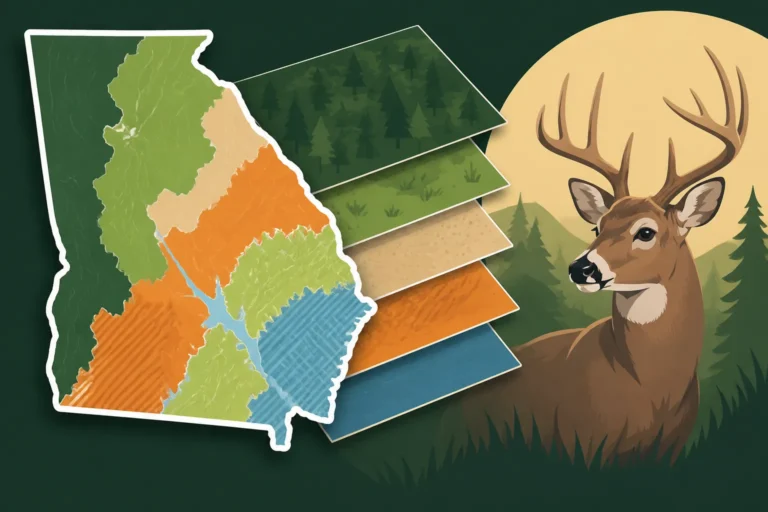
The first step is knowing who to ask. This involves a bit of detective work. Start by looking at maps—topo maps, aerial imagery, and property boundary maps. Identify tracts of land that look promising for hunting, especially those adjacent to public lands or known wildlife corridors. Look for features like agricultural fields, dense timber blocks, creek bottoms, and areas with diverse habitat.
Once you have a few promising parcels identified, the real work begins: finding out who owns them. Online mapping tools like onX Hunt are invaluable here. They allow you to overlay property lines with landowner names, tax parcel information, and even contact details in some cases. Other tools, like GoHunt, can provide similar data and insights. This saves you from knocking on every door in a rural area. Instead of just driving around hoping to see a "Hunting By Permission Only" sign, you can pinpoint specific properties and then research the owner. This research also helps you avoid properties that are clearly marked with Georgia Posted Land Rules or are already heavily leased. Understanding who you're approaching, even just their name, gives you a significant advantage and shows you’ve done your homework.
Making the Initial Contact
Once you've identified a landowner, the next challenge is making that initial contact. There are several ways to do this, and the best approach often depends on the situation and your comfort level.
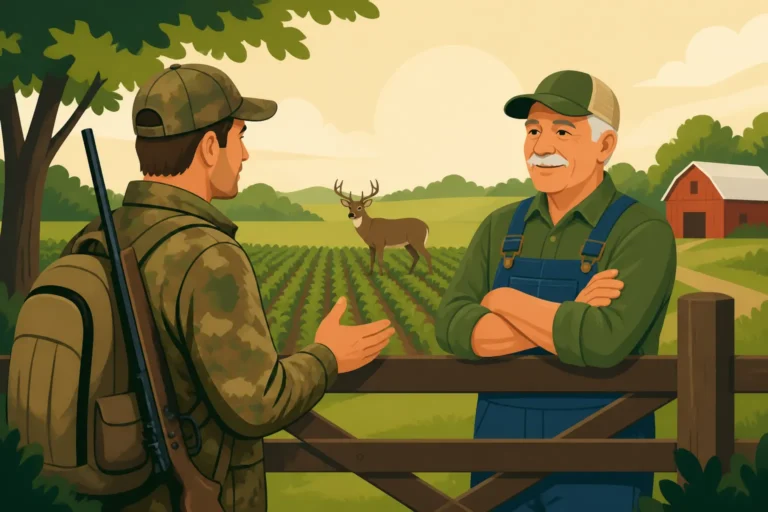
- In Person (The Best Option): If possible, a face-to-face meeting is almost always the most effective. It allows the landowner to put a face to a name, size you up, and build immediate rapport. Choose a time when they're likely to be home and not in the middle of a chore, like during the early evening or on a weekend morning. Dress respectfully, not in your hunting camo, and be prepared to introduce yourself clearly. Explain why you're there without being pushy. Keep it brief initially, expressing your interest and respect for their property.
- Phone Call: If an in-person visit isn't feasible, a phone call is the next best thing. Again, be polite, state your name and purpose, and ask if it's a good time to talk. Be prepared for them to say no or to be guarded; many landowners get unsolicited calls from strangers. Have your pitch ready, but also be ready to listen.
- Written Letter: A well-crafted letter can also be effective, especially for landowners who are harder to reach or prefer written communication. This approach allows you to present your case clearly and respectfully, providing your contact information and allowing them to respond at their convenience. Include a brief, sincere introduction, clearly state your request, and explain why you're interested in their property (e.g., "I've noticed excellent deer sign near your timber stand"). Highlight that you are a responsible hunter and would treat their land with respect.
No matter the method, always start by introducing yourself, stating your intentions clearly, and being prepared for a "no." Politeness and gratitude, even in the face of rejection, can leave a positive impression that might open doors later. This is particularly true when you are Asking a Georgia Farmer for Permission, as farmers are often busy and appreciate direct, respectful communication.
What to Say and What Not to Say
Your pitch to the landowner is crucial. It needs to be genuine, concise, and reassuring. Here's a table outlining what to emphasize and what to avoid:
| Do's (What to Say/Do) | Don'ts (What to Avoid) |
|---|---|
| Introduce yourself and your family (if applicable). | Assume you have permission because the land isn't posted. |
| Be polite and respectful of their time. | Show up in full hunting camo or muddy boots. |
| Clearly state your request (e.g., "I'm looking for a place to archery hunt deer"). | Be vague or evasive about your intentions. |
| Offer to help with chores, property maintenance, or nuisance animal control (hogs, coyotes). | Demand access or act entitled. |
| Mention your experience and commitment to safety. | Complain about public land crowds or other hunters. |
| Offer references (if available). | Overstay your welcome or talk excessively. |
| Explain how you'd be a good steward of their land (e.g., close gates, pick up trash). | Bring up past negative experiences with other landowners. |
| Ask about their concerns and listen attentively. | Try to haggle or negotiate if they initially say no. |
| Respect their decision, whatever it may be. | Mention hunting leases or payment unless they bring it up. |
When you're speaking with a landowner, focus on building trust. Talk about how you will treat their property as if it were your own. Offer to share venison if you're successful. Mention that you're interested in managing game responsibly. If you notice signs of feral hogs, offering to help control them can be a huge selling point, as many landowners are desperate for help with hog damage. It's about demonstrating value and showing that you're not just another hunter, but a responsible individual who will be a good neighbor.
Building Relationships: Beyond the First Hunt
Getting permission for one season is great, but the real goal is to cultivate a long-term relationship that benefits both you and the landowner. Consistent communication, demonstrated respect, and acts of gratitude are key to turning a one-time privilege into a lasting hunting opportunity.
Follow-Up and Gratitude
After you've had your first hunt, or even if permission was initially denied, following up is crucial. If you were granted access, send a thank-you note or make a quick phone call. Let them know how your hunt went, whether you were successful or not. This simple act of appreciation goes a long way. If you harvested an animal, offering to share some of the meat is a fantastic gesture that many landowners truly appreciate.
Even if you didn't get permission, a brief follow-up thank-you for their time can leave a positive impression. You never know when circumstances might change, or if they might remember your polite demeanor later on. A respectful rejection today doesn't mean a permanent closure. Think about it: a polite hunter who was told no might be remembered fondly, while a persistent, rude one will be forgotten or remembered negatively.
Offering Assistance and Stewardship
One of the most powerful ways to solidify your relationship with a landowner is by offering to help them maintain their property. This isn't just about hunting; it's about being a good neighbor and demonstrating your commitment to their land beyond just the hunting aspect.
Consider offering help with tasks like mending fences, clearing downed trees after a storm, mowing fields, or planting food plots if they're interested. Many landowners, especially those who are older or busy, genuinely appreciate an extra set of hands. If they have problems with nuisance animals like coyotes or feral hogs, offering to help control those populations can be a huge benefit to them. Remember, Feral Hog Hunting Year-Round in Georgia is permitted, and many landowners would welcome responsible hunters to help manage these destructive pests. This kind of mutual benefit turns you from "just a hunter" into a trusted partner in land stewardship. This deepens the relationship and often ensures you'll be among the first they think of when hunting season rolls around.
Respecting Boundaries and Rules
Once you have permission, it's absolutely vital to stick to the agreed-upon terms. This means hunting only the areas you were granted access to, during the specified times, and for the specific game animals. Never push the boundaries, whether literally by crossing into an unpermitted area, or figuratively by bringing extra guests without asking.
For instance, if you were given permission to bowhunt the south forty, don't show up with a rifle on opening day of firearms season without explicit, renewed permission. If the landowner asked you to only park in a certain spot, or to close all gates, follow those instructions to the letter. These rules aren't arbitrary; they often relate to livestock, privacy, or other property uses. Violating their trust even once can cost you the permission indefinitely. This commitment to respecting their specific requests is key to maintaining a good relationship, especially when it comes to shared resources or activities on the land. Always confirm details and never assume.
Leveraging Technology for Landowner Research
In today's digital age, finding and researching private land for hunting permission is significantly easier than it used to be. Gone are the days of relying solely on paper plat books or endless cold calls. Modern mapping and property ownership tools have become indispensable for the savvy hunter.
Utilizing Online Mapping Platforms
Online mapping platforms have revolutionized the way hunters scout and identify potential private land opportunities. Tools like onX Hunt and GoHunt provide detailed satellite imagery, topographic maps, and crucially, property boundary lines with landowner names. This allows you to "virtually" scout an area from your home, identifying promising habitat and immediately knowing who owns it.
Imagine you're interested in a particular creek bottom that looks like a great travel corridor for deer. With these apps, you can zoom in, see the exact property lines, and instantly pull up the landowner's name and often their mailing address or phone number. This focused approach is far more efficient than randomly knocking on doors. You can also use these tools to identify surrounding properties, understand potential access points, and note any physical barriers like roads, rivers, or significant elevation changes. These platforms also help you avoid accidental trespassing by clearly showing where public land ends and private land begins, which is invaluable when hunting areas like Chattahoochee-Oconee National Forest Hunting or Georgia Wildlife Management Areas.
Accessing Public Records and GIS Data
Beyond commercial apps, many county governments in Georgia offer free access to their Geographic Information System (GIS) data and property tax records online. While these interfaces might not be as user-friendly as a dedicated hunting app, they often provide the same underlying information: parcel numbers, owner names, mailing addresses, and property dimensions.
To access this, simply search for the county tax assessor's or GIS mapping website for the area you're interested in. You can often search by address, owner name, or even by drawing a shape on a map. This is a fantastic, free alternative if you don't subscribe to a premium mapping service. Combining this data with traditional aerial photos and topographical maps gives you a comprehensive understanding of the landscape and its ownership. Knowing how to Finding Georgia Property Lines is a foundational skill that pays dividends in responsible hunting access.
Digital Scouting and E-Scouting Ethics
While technology makes it easier to find landowners, it's important to remember that digital scouting still requires ethical conduct. Do not use these tools to harass landowners or infringe on their privacy. The goal is to obtain information to make a respectful, informed request for permission, not to stalk or bother individuals.
When researching, focus on publicly available information. Use the data to tailor your approach, making it clear that you've done your homework and respect their property. For example, you might say, "Mr. Smith, I noticed from public records that you own the parcel with the large pecan grove on Highway 17. I'm a responsible hunter and was hoping to speak with you about the possibility of archery hunting for deer there." This shows preparedness and respect. Always remember that while technology is a tool, the human element of respect and communication remains paramount. Another useful digital tool for general scouting, including understanding public land boundaries and features, is Scouting With the Georgia Outdoors App.
Alternative Private Land Access: Leases and Clubs
While directly asking a landowner for permission is a primary route, it's not the only way to gain access to private hunting ground in Georgia. Hunting leases and joining hunting clubs offer structured alternatives that can provide more consistent, long-term access, often with shared responsibilities and costs.
Hunting Leases
Hunting leases involve a formal agreement, usually in writing, where a landowner grants a hunter or a group of hunters exclusive hunting rights to a specific parcel of land for a set period, typically a year or more, in exchange for a fee. This is a common practice across Georgia, particularly in areas with good deer and turkey populations. Georgia Hunting Lease Costs can vary widely depending on the size of the property, its location, game quality, and amenities.
Leases offer several advantages: they provide exclusive access, reducing crowding and ensuring you have consistent hunting grounds. They also often come with clearly defined rules and responsibilities for both parties, minimizing misunderstandings. However, they also come with a financial commitment and require a more formal relationship. When considering a lease, look for properties that match your hunting interests, are easily accessible, and have a clear legal agreement. It's often beneficial to have a lease agreement reviewed to ensure all terms are understood. Many leases also specify what kind of land management practices, if any, the lessee can undertake, such as planting food plots or timber stand improvements.
Joining Hunting Clubs
Hunting clubs are another popular option for accessing private land. These clubs typically lease large tracts of land from private landowners, and then members pay annual dues to share hunting rights. Clubs can vary widely in their structure, rules, and amenities. Some are very formal, with strict guidelines on game harvest, stand locations, and workdays, while others are more relaxed.
Joining a club can be a great way to gain access to quality land without the full financial burden or management responsibilities of an individual lease. It also provides a built-in community of fellow hunters, which can be beneficial for sharing knowledge, doing deer drives, and enjoying camp life. However, you'll need to be comfortable with sharing the land and adhering to club rules, which might include specific harvest quotas or designated hunting zones. When looking to join, inquire about the club's history, its management philosophy, the average number of members, and whether there are any work day requirements. The social aspect can be a huge draw, and many hunters find lifelong friendships within their clubs. Information on Finding a Georgia Hunting Lease or Joining a Georgia Hunting Club can often be found through online forums, local sporting goods stores, or word-ofmouth.
Considerations for Leases and Clubs
Whether you choose a lease or a club, it's important to do your due diligence. Visit the property, understand the terms of the agreement, and clarify expectations with the landowner or club president. Ask about game populations, habitat quality, and any existing easements or shared access points.
Leases:
- Pros: Exclusive access, ability to manage the land for game, more control over hunting pressure.
- Cons: Higher cost, full responsibility for maintenance and liability, potential for disputes with landowners if not clearly defined.
Hunting Clubs:
- Pros: Shared cost, access to larger tracts, camaraderie, shared workload.
- Cons: Less individual control, potential for crowding, adherence to club rules, personality conflicts among members.
Regardless of your chosen path, always ensure any agreement is clear and understood by all parties to prevent future conflicts. This is particularly important for managing expectations regarding game harvest, property improvements, and liability.
Respecting the Land and the Landowner's Trust
Once you've secured permission, whether through a casual handshake or a formal lease, your true test begins. Respecting the land and the landowner's trust is paramount to maintaining that privilege for future seasons. Your actions on their property speak volumes, not just for you, but for all hunters.
Leave No Trace Ethics
This is a fundamental principle for any outdoor enthusiast, but it's especially critical on private land. "Leave No Trace" means exactly that: when you leave, the property should look exactly as it did when you arrived, or ideally, even better. This encompasses everything from trash to your physical impact on the land.
Never leave behind trash, spent cartridges, food wrappers, or any other debris. Pack out everything you pack in. Be mindful of your scent control products and other consumables. Avoid creating excessive trails or damaging vegetation unnecessarily. If you're setting up a treestand, use methods that minimize tree damage, and always remove your stands at the end of the season unless explicitly permitted otherwise. If you're using a ground blind, ensure it's well-camouflaged and doesn't interfere with any agricultural operations or landowner views. Remember, your goal is to be an invisible guest. This diligence reinforces the landowner's positive perception of you and the hunting community.
Property Damage and Maintenance
Accidents happen, but how you handle them defines your character. If you inadvertently damage a fence, gate, or any other property, report it immediately to the landowner and offer to repair it or pay for the damages. Trying to hide it will only erode trust and likely lead to revoked permission.
Beyond reporting damage, being proactive in property maintenance is a huge bonus. Did you notice a downed limb blocking a road? Clear it. A gate latch broken? Fix it. These small acts of stewardship demonstrate your genuine care for their property. Remember the offer of helping with chores we discussed earlier? This is where it really shines through. If you're hunting in an area with cattle, ensuring all gates are closed behind you is not just polite, it's critical to preventing livestock from escaping. If you find something out of place, communicate it. This might mean reporting fallen trees, broken equipment, or even suspicious activity from other individuals. Being an extra set of eyes and ears on their property is a valuable service.
Ethical Hunting and Game Retrieval
Your hunting practices directly reflect on the landowner. Always adhere to all hunting regulations, including season dates, bag limits, and legal methods. This means no poaching, no hunting out of season, and no taking more than your legal limit. Violating game laws on private property can lead to severe penalties for you and a major headache for the landowner.
Furthermore, make every effort to ethically harvest and retrieve game. A wounded animal wandering onto a neighboring property or dying unrecovered is a terrible outcome. If you make a shot, spend every effort to track that animal. This might mean asking for assistance if you can't locate it, or even needing to ask the landowner for help with game retrieval. If an animal runs onto an adjacent property where you don't have permission, you must Retrieving Game From Private Land in Georgia by obtaining explicit permission from that neighboring landowner before pursuing the animal. Never assume you can just cross a property line. Your commitment to a clean, ethical harvest and diligent recovery demonstrates your professionalism and respect for the animal and the property.
Common Challenges and How to Overcome Them
Even with the best intentions and strategies, seeking private land permission isn't always smooth sailing. You'll encounter challenges, but understanding them and preparing your responses can significantly increase your chances of success.
Dealing with Rejection
Perhaps the most common challenge is hearing "no." It's easy to get discouraged, especially after putting in effort to find the landowner and make your pitch. However, rejection is a natural part of the process. Not every landowner will be open to allowing hunting, for a variety of reasons.
When faced with a "no," the most important thing is to remain polite and gracious. Thank them for their time and respect their decision. Do not argue, badger, or try to guilt-trip them. A polite exit leaves the door open for a future attempt, or at least ensures you don't leave a negative impression. Sometimes a "no" today isn't a "no" forever. Their circumstances might change, or they might hear positive things about you from a neighbor. Keep a log of properties and landowners you've contacted, including their responses, so you don't repeatedly ask the same person if they've clearly stated they're not interested. Remember, there are many fish in the sea, and a polite hunter is more likely to be remembered favorably.
Land Already Leased or Hunted
You might put in all the effort to track down a landowner only to discover their property is already leased to a hunting club or used by family and friends. This is a common scenario, especially for prime hunting ground.
When you encounter this, acknowledge their existing arrangements. You could politely ask if they ever have openings or if they know of any neighboring properties that might be available. Sometimes, a landowner might even keep your name and number on file in case their current leaseholders don't renew or if a family member moves away. This is where your earlier efforts to build rapport pay off. If the landowner knows you're a responsible individual, they might be more inclined to recommend you to others or keep you in mind for future opportunities. The key is not to view existing arrangements as a permanent dead end, but as a potential networking opportunity.
Concerns About Liability and Safety
Many landowners' primary concern, and often the reason for a "no," is liability. They worry about hunters getting injured on their property and holding them responsible. They may also have concerns about safety for their family, pets, or livestock, especially if they live on the property.
Address these concerns head-on. Explain that you carry personal liability insurance (many homeowner's policies include this) or that you'd be willing to sign a liability waiver. Emphasize your commitment to safety, adherence to all hunting regulations, and careful firearm handling. Discuss your hunting style—for example, if you primarily bowhunt, highlight the quieter nature and shorter effective range compared to firearms. If they have livestock, assure them you'll be extra vigilant and keep gates closed. If they have children or pets, promise to only hunt in designated areas away from their immediate living space. Offering to limit your hunting to specific areas or times when they are not present can also alleviate their worries. Some states even have "recreational use statutes" that limit landowner liability, but it's important to understand Georgia's specific laws regarding this.
Safety and Responsibility on Private Land
Your conduct on private land is a direct reflection of your character as a hunter and can make or break future opportunities. Beyond simply following the law, operating with an elevated sense of safety and responsibility demonstrates respect and professionalism.
Adhering to Blaze Orange Requirements
Even on private land, Georgia has specific requirements for wearing blaze orange or blaze pink during certain hunting seasons, particularly during firearms deer season. This isn't just a suggestion; it's a legal mandate designed to enhance hunter safety by making individuals highly visible to others.
Always check the current Georgia DNR regulations to understand when and where blaze orange is required. Typically, during daylight hours of firearms deer season, hunters on private land are required to wear at least 500 square inches of visible blaze orange or blaze pink above the waist, as an outer garment. This applies even if you are the only one hunting on the property. Failing to comply can result in fines and, more importantly, puts you and others at risk. Showing the landowner that you're aware of and follow all safety regulations will further build their trust in your responsible conduct. Knowing How Much Blaze Orange Georgia Requires is essential for any hunter in the state.
Firearm Safety and Discharge Setback Rules
Safe firearm handling is paramount, especially on private property where landowners, their families, and possibly neighbors are in close proximity. Always treat every firearm as if it's loaded, keep the muzzle pointed in a safe direction, keep your finger off the trigger until ready to shoot, and be sure of your target and what's beyond it.
Georgia also has laws regarding the discharge of firearms near residences or public roads. Generally, you cannot discharge a firearm within a certain distance of a public road or a dwelling without the owner's permission. These "setback rules" are critical to understand, as violating them can lead to serious legal consequences and, understandably, deeply upset a landowner. Before hunting, discuss with the landowner any specific areas to avoid due to nearby homes, barns, or livestock pastures. Even if not legally mandated, using a ground blind or stand that directs your shot into a safe backstop (like a hill or thick timber) is always a smart and considerate practice. Being transparent about your safety practices will reassure any landowner with concerns about your presence. Understanding Georgia Legal Firearms for Deer Hunting and other restrictions is also part of being a responsible hunter.
Communication with Landowner During the Hunt
Effective communication doesn't end once you've been granted permission. It extends throughout your hunting activities. Inform the landowner when you plan to be on their property and when you've left. This allows them to know who is on their land and when, providing them with peace of mind.
A simple text message or phone call before you arrive and after you depart can be incredibly helpful. "Hey Mr. Johnson, just wanted to let you know I'm headed out to the timber stand now. I'll text you when I leave this afternoon." This small courtesy can prevent unnecessary worries or even accidental encounters. If you happen to encounter anyone else on the property (another hunter, a hiker, a neighbor), politely identify yourself, state you have permission, and report the encounter to the landowner. This level of transparency reinforces your trustworthiness and ensures you are working with the landowner, not just on their land. Remember, you're a guest, and good guests communicate their movements.
Disclaimer
This article is for general informational purposes only and does not constitute professional advice. Laws, prices and regulations vary by location and change over time. Consult a qualified professional for guidance on your specific situation.