Running Dogs on Georgia Feral Hogs
If you've spent any time in Georgia's wild places, you know that feral hogs aren't just a nuisance; they're a full-blown ecological and agricultural disaster. Their relentless rooting destroys crops, damages sensitive ecosystems, and their populations seem to explode overnight. For many hunters, trapping and stand hunting offer solutions, but when you're facing down a relentless tide of these destructive creatures, sometimes you need a more aggressive, hands-on approach. That's where running dogs on Georgia feral hogs comes into its own, offering an exhilarating, effective, and deeply traditional method for tackling this pervasive problem. This guide will walk you through everything you need to know to pursue hogs with a pack of hounds in the Peach State.
The Enduring Problem of Feral Hogs in Georgia
It's tough to overstate the impact of feral hogs across Georgia. They are everywhere, from the mountain slopes to the coastal plain, and their presence is felt by farmers, landowners, and native wildlife alike. Dealing with them isn't just a sport; it's often a necessity for managing land and protecting natural resources.
Why Hogs Are Such a Menace Here
Georgia's mild climate and abundant food sources make it a paradise for feral hogs, which is terrible news for everything else. These animals are prolific breeders, with sows capable of farrowing multiple litters of piglets each year. This means that even if you take out a significant number of hogs, their populations can rebound with alarming speed. You might clear out a sounder from a private woodlot one season, only to find them back in full force a year later, as if you'd barely scratched the surface.
Their destructive habits are widespread and easily visible. You'll see fields that look like they've been rototilled, their rich soil churned up as hogs search for roots, tubers, and insects. This isn't just an aesthetic issue; it leads to massive crop loss for farmers and degrades crucial habitat for native species like Bobwhite Quail in Georgia. Beyond agriculture, their rooting disturbs native plant communities, compacts soil, and can even compromise infrastructure like levees and dams. There's also the very real concern about disease. While CWD is primarily a deer issue (and Georgia has its own Georgia's Chronic Wasting Disease Management Area to contend with), hogs can carry diseases like brucellosis and pseudorabies, which can impact livestock and, in some cases, even humans. These animals are a constant, insidious threat.
The Unrestricted Nature of Hog Hunting in Georgia
One of the few silver linings, if you can call it that, is that Georgia recognizes the severity of the feral hog problem and has taken a very liberal stance on their hunting. Unlike almost every other game animal in the state, there are virtually no restrictions on hunting feral hogs on private land. This means you can hunt them year-round, day or night, with no bag limits, and using pretty much any legal method you deem effective.
This lack of restriction is a direct response to their sheer numbers and destructive potential. When you're dealing with a species that reproduces so quickly and causes so much damage, traditional season frameworks and bag limits simply don't make sense. It's an open season, every day of the year, which actively encourages aggressive and highly effective tactics like running dogs. This contrasts sharply with the tightly regulated seasons for deer, turkey, or even small game, highlighting just how seriously the state views this invasive species. While you can also engage in Thermal Hunting Georgia Hogs at Night or set up elaborate trap systems, bringing dogs into the mix offers a unique blend of tradition, excitement, and effectiveness that appeals to many serious hog hunters.
Understanding the Dog Hunting Approach for Hogs
Running dogs on feral hogs is a dynamic, fast-paced method that requires skill, teamwork, and an intimate understanding of both canine and porcine behavior. It's not just about letting dogs loose; it's a carefully orchestrated pursuit designed to locate, corner, and dispatch hogs efficiently and humanely.
Bay Dogs Versus Catch Dogs
When you talk about hog dogs, you're usually referring to two distinct, but often complementary, types of canines: bay dogs and catch dogs. Each plays a crucial role in the hunt, and a good team will often incorporate both.
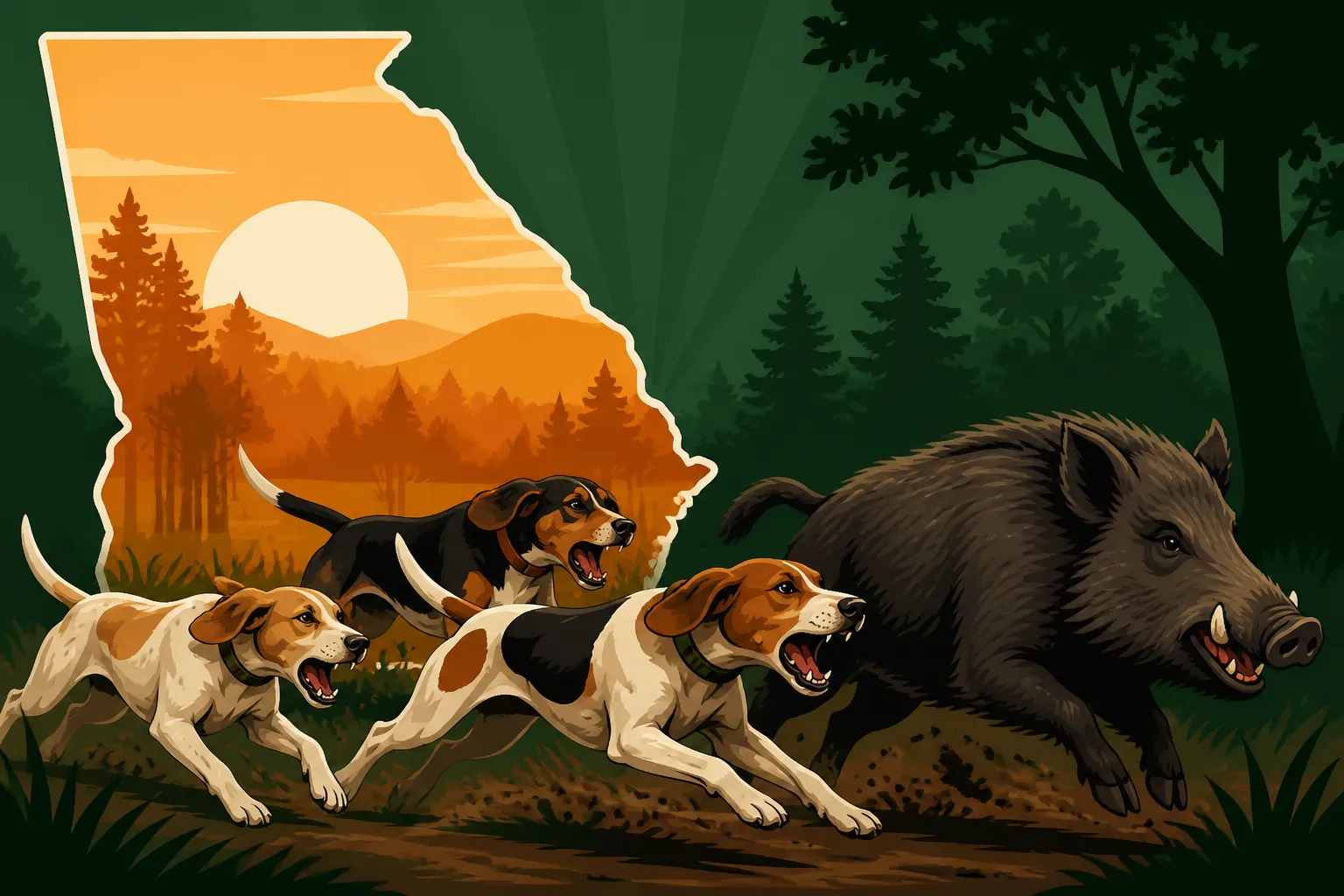
Bay dogs are the initial contact specialists. Their job is to find the hogs, pursue them, and then "bay" them – meaning they surround the hog, keeping it in one place by barking relentlessly but staying just out of reach of the hog's tusks. These dogs are selected for their agility, endurance, and vocal nature. They need to be smart enough to harass the hog without getting too close, creating a safe perimeter while alerting the hunters to the hog's location. A good bay dog will keep a hog focused on them, giving the hunter time to close the distance and assess the situation. Breeds often used as bay dogs include Catahoula Leopard Dogs, Black Mouth Curs, and various hound mixes known for their keen noses and strong drive. Their primary value lies in their ability to locate and hold a hog, preventing it from escaping into thicker cover before the hunters arrive. This phase of the hunt is critical, as it allows hunters to approach cautiously and determine the best course of action. Without effective bay dogs, the hunt would often devolve into a chaotic chase where hogs could easily evade capture.
Catch dogs, on the other hand, are the closers. Once the bay dogs have a hog cornered, the catch dogs move in to physically restrain it. These dogs are typically larger, stronger, and possess an incredible bite strength. They often wear protective vests (more on that later) because their job puts them in direct contact with a dangerous animal. Their role is to grab the hog, usually by the ear or neck, and hold it firmly until the hunters can arrive to dispatch it. Breeds commonly used as catch dogs include American Bulldogs, Pit Bulls, and various mastiff mixes. These dogs are absolutely essential for a quick and humane dispatch, as they prevent the hog from breaking free and potentially injuring themselves, other dogs, or even the hunters. The synergy between bay dogs and catch dogs is a thing of beauty: the bay dogs find and hold, and the catch dogs move in for the secure take-down. This coordinated effort not only makes the hunt more effective but also reduces the stress and risk for all involved by minimizing the struggle once the hog is engaged.
The Thrill and Challenges of Dog Hunting
There's an undeniable adrenaline rush that comes with dog hunting for feral hogs. The sound of the dogs striking a track, the building intensity of their baying as they close in, and the final confrontation with a wild hog is an experience unlike any other in the woods. It's raw, primal, and deeply engaging, connecting you to a centuries-old hunting tradition.
However, it's not a walk in the park. Dog hunting for hogs is physically demanding, both for you and your canine companions. You'll be covering ground quickly, often through thick brush, tangled swamps, and over uneven terrain, trying to keep up with fast-moving dogs and even faster hogs. Imagine busting through a dense patch of palmettos in South Georgia, or scrambling up a steep incline in the Piedmont, all while listening intently to the changing barks of your hounds. The danger element is also very real. Feral hogs, especially large boars with sharp tusks, are incredibly formidable opponents. They can inflict severe injuries on dogs and, if cornered or panicked, can turn on hunters. This is why proper training, robust gear, and quick, decisive action are paramount. It’s not a method for the faint of heart, but for those who embrace the challenge, it offers an immense sense of accomplishment and contributes directly to mitigating a serious wildlife issue. The combination of intense physical exertion, strategic thinking, and the ever-present potential for a dangerous encounter makes it one of the most exciting forms of hunting available in Georgia.
Essential Gear and Canine Companions for the Hunt
Success in hog dogging isn't just about having good dogs; it's about having the right dogs, properly trained, and equipping both them and yourself with the necessary gear to stay safe and effective.
Dog Breeds and Training for Hog Hunting
The choice of dog breed is crucial, as each brings different strengths to the table. As mentioned, breeds like Catahoulas, Black Mouth Curs, and various hound mixes excel as bay dogs due to their keen noses, stamina, and vocal nature. They are relentless trackers and have the intelligence to keep a hog at bay without rushing in foolishly. For catch dogs, you'll often see powerful breeds like American Bulldogs, Pit Bulls, or mixes with strong protective instincts and formidable strength. These dogs need to be fearless but also controllable, understanding when to engage and when to hold.
Beyond breed, rigorous training is non-negotiable. This isn't just about obedience commands; it's about developing specific hunting instincts and teaching safety protocols. Dogs need to learn to track a hog's scent, to bay effectively, and, for catch dogs, to hold a hog securely without needlessly escalating aggression. They must also learn to differentiate between hogs and other wildlife, ensuring they're only pursuing the intended quarry. Training often starts young, with exposure to smaller, less dangerous hogs or even training aids to build their confidence and teach them their roles. This foundational training can be time-consuming, sometimes taking a year or more, but it’s absolutely vital for their safety and the success of the hunt. Without proper training, you risk injury to your dogs, a lost hog, or a dangerous situation for yourself. Many serious hog hunters are part of clubs or communities that share knowledge and even help train dogs, understanding that a well-trained dog is a valuable asset.
Hunter Gear for the Pursuit
Your dogs might be the stars of the show, but you, the hunter, need to be just as prepared. Safety for your dogs starts with protective vests. These heavy-duty vests, often made from ballistic nylon, Kevlar, or a combination of rugged materials, shield the dogs' vital organs from tusks. A boar's tusks can inflict horrendous, often fatal, wounds, and a good vest is arguably the most important piece of gear for a catch dog. You can find these vests from specialized hunting dog gear manufacturers like GoHunt, ensuring your dogs are as protected as possible during the engagement.
Beyond canine protection, you'll need a range of personal gear. A reliable GPS collar system is indispensable, allowing you to track your dogs' movements in real-time, especially when they disappear into dense cover or across vast tracts of land. Many modern GPS collars integrate with smartphone apps, offering detailed maps and tracking data. This is where a robust mapping and tracking tool like GoHunt's platform could be invaluable, helping you pinpoint your dogs' exact location and navigate directly to them, even in remote areas without cell service.
You'll also need a sturdy knife for dispatching the hog, and many hunters carry a sidearm as a backup for safety. A comprehensive dog first-aid kit is crucial, containing items for puncture wounds, cuts, and dehydration. Don't forget human first aid either! Good communication devices, like two-way radios, are important if you're hunting with a team. And, of course, durable clothing, snake boots, and ample water are essential for traversing the often-rugged Georgia terrain.
Here's a quick overview of essential gear:
| Category | Item | Purpose | Considerations |
|---|---|---|---|
| Dog Safety | Protective Vests (for catch dogs) | Shields vital organs from tusks | Ballistic nylon, Kevlar, proper fit is crucial |
| Tracking | GPS Collars & Handheld/App Device | Real-time location tracking of dogs | Range, battery life, integration with mapping apps like GoHunt |
| Dispatch | Sturdy Knife | Humane and quick dispatch of hog | Fixed blade, sharp, easily accessible |
| Backup Firearm (sidearm) | Personal safety, backup dispatch | Legal to carry, proper holster | |
| First Aid | Canine First-Aid Kit | Treating dog injuries (punctures, cuts) | Antiseptics, bandages, pain relief, saline, veterinary contact |
| Human First-Aid Kit | Treating minor hunter injuries | Basic essentials for cuts, scrapes, insect bites | |
| Communication | Two-Way Radios | Team communication, especially in dense cover or without cell service | Range, battery life, channel clarity |
| Personal | Durable Clothing & Snake Boots | Protection from brush, thorns, snake bites | Layering for changing weather, waterproof |
| Water / Hydration Pack | Staying hydrated during strenuous activity | Sufficient capacity for duration of hunt | |
| Headlamp (for night/early morning) | Navigation and visibility in low light | Bright, hands-free |
Strategies for a Successful Dog Hunt in Georgia
Going out with dogs for hogs isn't just about releasing them and waiting. It's a strategic process that involves careful scouting, active dog management, and safe, decisive action once a hog is bayed or caught.
Scouting and Locating Hog Sign
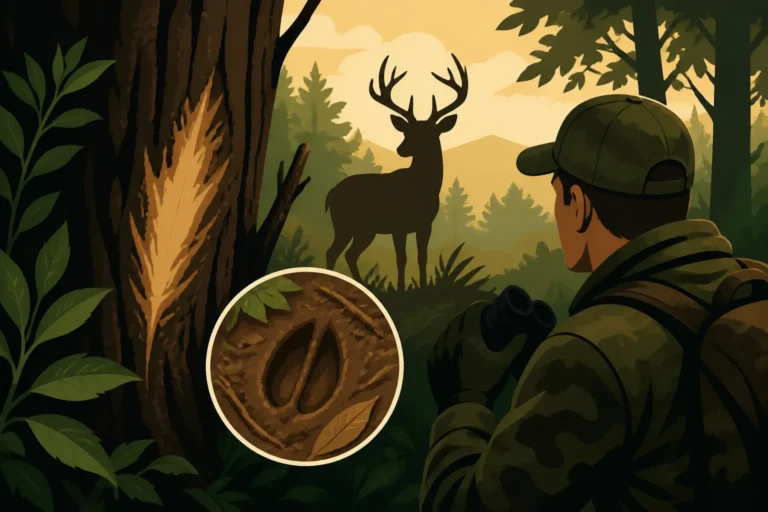
Before you even think about releasing your dogs, you need to have a good idea of where the hogs are. This means thorough scouting. Hogs are creatures of habit, often moving between bedding areas, water sources, and feeding grounds. Look for fresh rooting, where they've tilled up the ground searching for food. Pay attention to wallows, which are muddy depressions where hogs cool off and remove parasites. Tracks in soft soil or along creek bottoms can tell you how recently they've been in the area and in what direction they were headed. Rubs, where hogs have scratched against trees, can also indicate their presence.
Understanding the habitat is also key. In South Georgia, hogs often frequent swampy areas and river bottoms, finding refuge in the dense cover. In the Piedmont, you might find them in creek drainages or the edges of agricultural fields. A good hunting app, like one that integrates with the GoHunt platform, can provide detailed aerial imagery and topographic maps, helping you identify potential hog hotspots and plan your approach. This proactive scouting is vital; you don't want your dogs wasting energy on cold trails or getting into areas where hogs are scarce. Look for consistent patterns of activity, as these areas are more likely to hold a sounder. Knowing where to start your dogs can save hours of fruitless searching and increase your chances of a successful encounter.
Working the Dogs and Managing the Chase
Once you've identified a promising area, it's time to release the bay dogs. They'll fan out, using their superior noses to pick up a fresh track. When a dog strikes a scent, their bark will change, signaling they're on to something. Listen intently to the pack; different barks can indicate the intensity of the trail or if they've already jumped a hog. Modern GPS collars are invaluable here, allowing you to monitor their speed and direction as they pursue the hog.
Your job as the hunter is to stay as close as possible without hindering the dogs. This often means moving quickly and quietly through challenging terrain, trying to intercept the hog or get to the bayed animal as swiftly as possible. Hogs will often try to run into the thickest, nastiest cover they can find to escape the dogs. You need to be able to anticipate their movements and use the terrain to your advantage. If the dogs are baying fiercely in a particular spot, that's your cue to move in. Managing the chase also means knowing when to pull a dog off a bad track or when to introduce a catch dog once a hog is firmly bayed. It's a constant read-and-react scenario, where your understanding of your dogs' behavior and the hog's evasive tactics dictates your movements. Without a clear understanding of Running Dogs on Georgia Feral Hogs techniques, a chase can quickly become disorganized and unproductive.
Safe Engagement and Dispatch
This is the most critical and potentially dangerous part of the hunt. Once the bay dogs have a hog cornered, or the catch dogs have moved in, you need to approach with extreme caution. Hogs are powerful, wild animals, and even a smaller hog can inflict serious injury when agitated. Assess the situation quickly: How many hogs are there? What's the size of the animal? Are your dogs safe?
The goal is a quick, humane dispatch. For single hogs, a well-placed knife thrust is the most traditional and effective method, but a firearm can also be used if the situation allows for a safe shot without endangering dogs. Speed and precision are key to minimize the hog's suffering and reduce the risk to your dogs and yourself. It's not a prolonged fight; it's a swift, decisive action. If you're working with catch dogs, they will be holding the hog, making the dispatch easier and safer. Once the hog is down, immediately secure your dogs to prevent them from becoming overstimulated or accidentally injuring another hog if there's a sounder nearby. After the dispatch, take a moment to check your dogs for any injuries, even minor ones. Early detection and treatment can prevent more serious complications down the line. Remember, the entire point is effective pest control, and a quick, clean dispatch respects the animal and the effort put in by your canine team.
Legal and Ethical Considerations for Dog Hunters
While Georgia's regulations on feral hog hunting are quite liberal, it's crucial to understand the rules and uphold ethical hunting practices, especially when dogs are involved.
Georgia Regulations on Hog Dogging
On private land, the rules for running dogs on feral hogs are straightforward: it's perfectly legal year-round, with no bag limits, and no time restrictions. You don't need a specific license beyond your standard Georgia hunting license and big game license, if applicable, to pursue hogs. However, even on private land, you absolutely must have permission from the landowner. Do You Need Written Permission in Georgia? The last thing you want is to be trespassing, especially when your dogs are pursuing a hog that crosses property lines. Always clarify boundaries and ensure you have explicit consent to hunt with dogs.
When it comes to public land, the situation is much more restrictive. Generally, using dogs to hunt hogs is prohibited on Georgia Wildlife Management Areas (WMAs) and National Forests, unless specifically stated as part of a managed hunt or special regulation. These specific hunt dates and methods are typically published by the Georgia Department of Natural Resources (DNR). It's crucial to consult the current Georgia Hunting Regulations prior to any public land hunt, as rules can change. For most hunters pursuing hogs with dogs, private land is the primary and often only legal option. If you are ever unsure, a quick call to your local DNR office can clear up any confusion regarding Georgia Feral Hog Regulations in a specific area.
Responsible Dog Ownership and Welfare
Beyond the legalities, ethical dog hunting means being a responsible dog owner and prioritizing the welfare of your animals. These dogs are working animals, and they deserve the best care possible. This means providing them with proper nutrition, regular exercise, and consistent veterinary care. Vaccinations, deworming, and preventative flea/tick medication are non-negotiable for dogs that spend so much time in the woods.
Training is also an ongoing process. You're constantly reinforcing commands and ensuring your dogs are performing safely and effectively. It's also vital to ensure they are adequately hydrated and rested, especially during strenuous hunts in Georgia's heat and humidity. After every hunt, a thorough check for injuries, ticks, and exhaustion is essential. Never abandon a dog in the woods, even if it's not performing as you'd hoped; there are resources and rescues available if you find yourself unable to care for a dog. Responsible dog ownership extends beyond the hunt itself and reflects on the entire sport. By treating your dogs well and ensuring their safety and health, you uphold the ethical standards of hog dogging and contribute to a positive image for the hunting community.
Maximizing Your Efforts: Beyond the Hunt
Taking down a feral hog with dogs is certainly a victory, but the effort shouldn't end there. Maximizing your efforts means properly processing the animal and considering how your hunting contributes to broader conservation goals.
Processing and Utilizing Harvested Hogs
Once a hog is dispatched, the work of processing begins. Given Georgia's often warm climate, quick field dressing is critical to preserving the meat. Remove the entrails as soon as possible to allow the carcass to cool down internally. If you're deep in a swamp, this can be a messy but necessary task. Transporting the hog out of tough terrain might require a deer cart or even quartering the animal in the field.
Feral hog meat is lean and delicious, but it's crucial to handle it properly. Wild hogs can carry parasites like Trichinella, so always cook the meat thoroughly to at least 160°F. Unlike farm-raised pork, wild hog meat varies greatly in flavor and texture depending on the hog's diet and age. Younger, smaller hogs tend to be milder and more tender. While CWD is not a concern for hogs, proper handling and cooking are still essential for food safety. Many hunters enjoy wild hog in various ways, from sausages and roasts to ground meat. Utilizing the meat is a key part of ethical hunting, ensuring that the animal's life contributes to sustenance rather than simply being left to waste. For tips on proper handling and preparation, you might find guides on Butchering a Deer at Camp helpful for general field dressing techniques applicable to other large game.
Collaboration and Community Impact
Hog dogging, while often a personal pursuit, can also be a community effort that has a significant positive impact. Many hog hunters work closely with local landowners who are plagued by hog damage, offering their services as a form of pest control. This collaboration is mutually beneficial: landowners get relief from the destruction, and hunters gain access to prime hog territory. Building these relationships is key, as much of the best hog hunting takes place on private properties.
Beyond individual landowners, your efforts contribute to the larger goal of controlling an invasive species. Every hog removed, especially breeding sows, helps to curb the exponential growth of their populations. Sharing your knowledge and experiences with other hunters, especially those new to hog dogging, helps to foster a responsible and skilled community. Whether you're working with farmers to protect their crops or participating in large-scale mitigation efforts, running dogs on Georgia feral hogs is more than just a hunt—it's an active role in managing Georgia's challenging wildlife landscape. This collective action is crucial in combating a problem that no single hunter or method can fully resolve on its own.
Disclaimer
Please remember that hunting regulations, seasons, and licensing requirements can change. Always consult the latest Georgia Department of Natural Resources (DNR) guidelines and regulations before heading afield. Safety should always be your top priority when hunting with firearms and especially when working with animals as powerful as feral hogs and highly driven hunting dogs.