Opening Weekend Tactics for Georgia Firearms Season
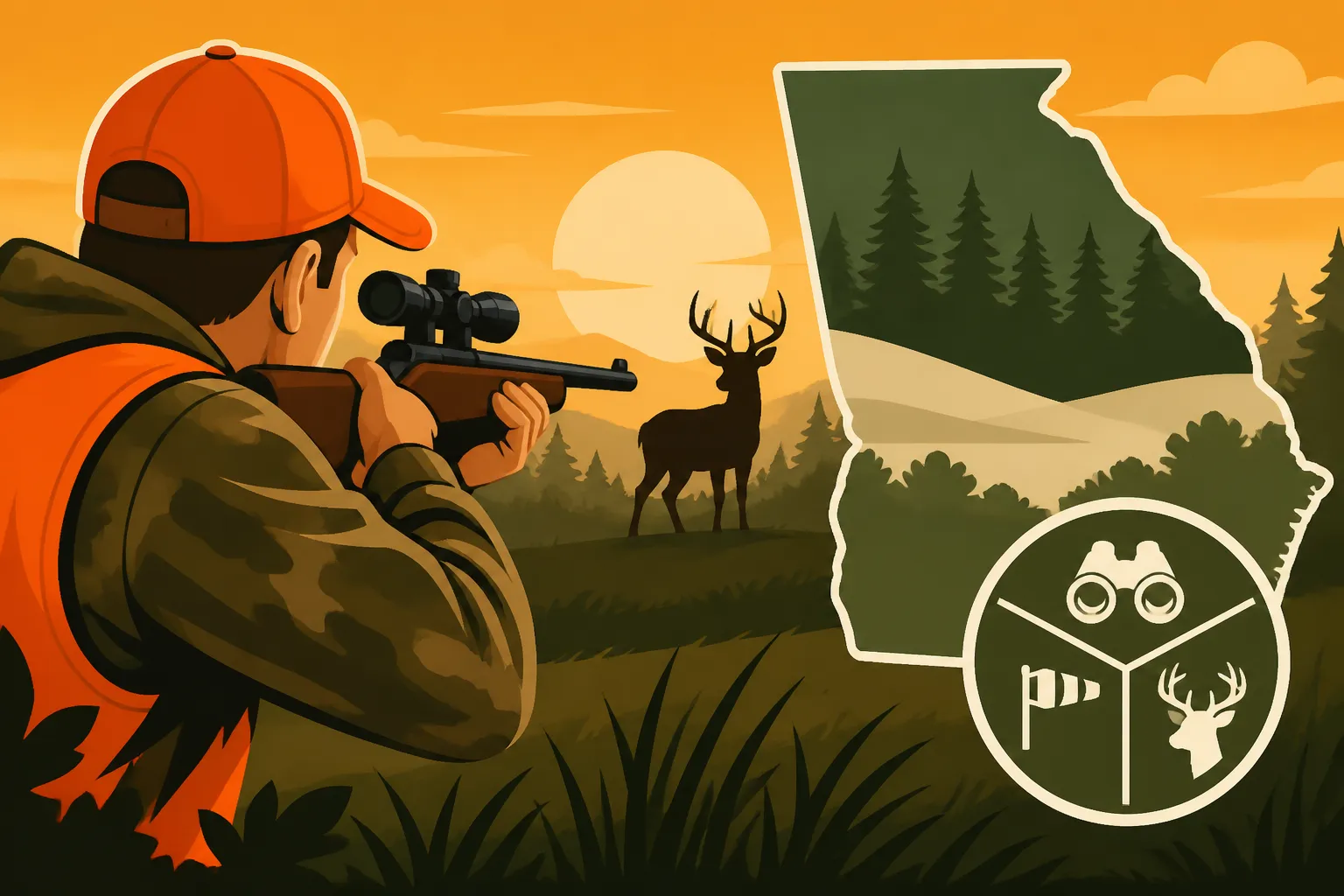
The opening weekend of Georgia's firearms deer season is an electrifying, yet often overwhelming, experience. Hunters pour into the woods, transforming once tranquil landscapes into a flurry of activity, and deer, suddenly under immense pressure, become masters of evasion. This guide aims to equip you with robust, field-tested tactics to navigate the chaos and boost your chances of success during this high-stakes weekend.
Understanding the Opening Weekend Environment
The very first day of Georgia's firearms season is unlike any other day you'll hunt all year. It's a unique blend of excitement, tradition, and intense hunter pressure that fundamentally changes how deer behave. If you go into it expecting deer to act like they do in late archery season, you're going to be frustrated.
The Surge of Hunter Pressure
There's no sugarcoating it: opening weekend means crowds, especially on public land. From the Chattahoochee National Forest in the mountains to the vast Wildlife Management Areas (WMAs) and even smaller private tracts, hunters are out in force. This sudden influx of human presence, vehicles, and scent sends a clear signal to deer: it's time to adapt or die. Many hunters are only out for the opener, making it a high-traffic, high-energy event.
Deer, being incredibly intelligent and sensitive creatures, quickly learn to avoid areas with heavy human activity. They'll shift their patterns, becoming more nocturnal, seeking refuge in the thickest cover, or moving to property lines where they feel safer. This isn't just about avoiding a direct encounter; it's about avoiding the perception of danger. The sound of distant gunshots, the scent of breakfast cooking at a nearby camp, or even the crunch of leaves underfoot from another hunter walking in can put them on high alert. Understanding Why Georgia's Gun Opener Draws the Biggest Crowds is the first step to counteracting its effects.
Deer Behavior Shifts
With the sudden spike in hunter pressure, deer in Georgia undergo a drastic change in behavior. That big buck you've been watching on trail camera photos, casually strolling through an open food plot during daylight in early archery season, likely won't be doing that on opening morning of firearms season. They become masters of stealth and cover.
Deer will retreat to thick cover – the nastiest, most overgrown clear-cuts, briar patches, deep swamps, or dense pine thickets that most hunters avoid. They'll bed down early and move very little during daylight hours, opting instead for nocturnal activity. If they do move, it will often be quickly, silently, and always with an escape route in mind. They'll use topography to their advantage, slipping along creek bottoms or behind ridges, and often sticking to fringes and transitional areas rather than wide-open spaces. This makes it challenging to predict their movements, forcing hunters to adjust their tactics dramatically. The general structure of Georgia Deer Season Structure Explained helps illustrate how these changes fit into the larger hunting calendar.
Weather Realities in Early Fall Georgia
Don't let the calendar fool you into thinking Georgia's opening weekend will be crisp and cool. While we all dream of those chilly mornings, the reality is that late October and early November in Georgia can often still be quite warm, even humid. Temperatures can easily climb into the 70s by midday, especially in the central and southern parts of the state.
Warm weather profoundly impacts deer activity. Just like us, deer aren't keen on running around in the heat. They'll move less during the day and seek shade and water. This means their peak activity might be concentrated in the first hour or two of daylight and the last hour before dark. Midday can be particularly slow. This also impacts game care; a deer left in warm temperatures for too long will spoil quickly. Dressing for Warm-Weather Clothing for Georgia Hunters is crucial to staying comfortable and alert in the stand.
Pre-Season Scouting for Success
The groundwork you lay before opening weekend is often more critical than the actual hunting itself. With the amount of pressure deer will face, knowing the lay of the land, understanding deer movement patterns, and having backup spots are paramount. Don't wait until the day before to start your homework.
Locating Unpressured Sanctuaries
Finding areas that other hunters overlook is key. On public land, this usually means going deeper, harder, or into terrain that's difficult to access. Look for thick, nasty cover that people are less willing to push through. This could be a dense swamp edge, a tangled clear-cut, or a steep, rocky ridge face that deters casual walkers. These are the places deer will retreat to when the shooting starts.
Using mapping apps like GoHunt to study aerial photography can reveal these hidden gems. Look for pinch points, hidden creek bottoms, or small, isolated islands of cover within larger tracts that might offer a sense of security. Pay attention to property lines, too; sometimes, a small sliver of public land bordering a large, unpressured private property can be a goldmine, as deer will often push right up against that boundary when disturbed. This ties into the broader concept of Scouting Georgia Public Land Before Season.
Identifying Key Food Sources
Even under pressure, deer still need to eat. On opening weekend, food sources that offer cover are preferable. While open food plots might be hot in the archery season, they often become no-go zones during the gun opener, especially during daylight. Instead, focus on natural browse, acorns (if it's a good acorn year), or small, secluded patches of green browse within thick timber.
Look for mast crops, like white oak or red oak acorns, especially if they're still dropping. Deer will hit these areas, but they'll do it cautiously. Find the oak flats that are deep within cover or offer an easy escape route. If acorns are scarce, shift your focus to browse, identifying preferred forbs and tender shoots in regeneration areas. A good understanding of Hunting After a Poor Acorn Year can be invaluable here.
Pinpointing Travel Corridors
Deer on the move, particularly pressured deer, will utilize the path of least resistance that also provides cover. This means creek bottoms, dense draws, saddles between ridges, and thick fencerows become superhighways. They're trying to move from bedding to feeding, or simply from one bedding area to another, with as much concealment as possible.
During your scouting, focus on identifying these natural funnels. Look for fresh tracks, rub lines, and scrape lines that indicate regular travel. These funnels become especially important if other hunters are moving deer around. A deer pushed from one bedding area will often instinctively follow a familiar, safe travel route to another. Knowing how to interpret Reading Georgia Mud for Fresh Deer Movement can give you a significant edge in these situations.
Stand and Blind Strategies
Your choice of stand or blind, and its placement, can make or break your opening weekend hunt. You're not just trying to intercept deer; you're trying to do it without being detected in an environment where deer are highly alert.
Treestand Setups for High Traffic
When hunting from a treestand on opening weekend, concealment and strategic placement are paramount. Consider setting up deeper in the woods, along pinch points or travel corridors that deer will use when avoiding hunters. Instead of focusing on open food plots, look for those thick transition zones between bedding and secondary food sources.
Aim for a stand that offers multiple shot opportunities but also prioritizes escape routes for deer. This means they'll likely move quickly past you. High-traffic areas, like property lines or funnels connecting different blocks of cover, are prime locations. Be mindful of your entry and exit routes; you want to get in and out undetected. Setting up a stand to capitalize on Hunting a Funnel Between Two Swamps can be incredibly effective. Consider using lightweight climbing sticks and a saddle or portable stand to remain mobile and adjust as needed, as deer patterns can change rapidly with pressure.
Ground Blind Placement for Concealment
Ground blinds offer excellent concealment, especially in areas with dense cover, but they require careful placement and preparation. If you plan to use a ground blind, set it up well in advance of opening day, if possible, to allow deer to get accustomed to its presence. Brush it in thoroughly with natural vegetation from the area to help it blend seamlessly with its surroundings.
Ideal locations for ground blinds during opening weekend include the edges of thick clear-cuts, dense pine thickets, or deep in creek bottoms where visibility is limited, and deer expect cover. You're trying to ambush deer moving through heavy cover, not necessarily across open fields. Brushing In a Blind on a Field Edge is a good starting point, but adapt it to more secluded, thicker spots for opening weekend. Make sure your blind offers a clear line of sight for shooting, but also blocks your silhouette effectively.
Adapting to Different Terrain
Georgia offers an incredible diversity of terrain, from the steep, rugged mountains of the north to the flat, sprawling pine forests and swamps of the south. Your stand or blind strategy must adapt to these unique landscapes.
In the North Georgia Mountains, focus on saddles, ridge lines, and steep draws that create natural funnels for deer movement. Deer will often skirt around the highest peaks, using the slightly lower, less strenuous saddles. Understanding Reading a Ridge for North Georgia Deer is crucial. In the Piedmont region, creek bottoms, field edges with good cover, and small woodlots bordering agricultural fields are key. Deer here often travel between these islands of cover. Down in the Coastal Plain, especially in South Georgia pine flats, deer will bed deep in the thickest pine plantations and only move through the densest cover. Hunting the fringes of swamps and river bottoms is also highly effective in this region. Knowing Where South Georgia Pine Flat Bucks Bed will give you a significant advantage.
Tactical Approaches for Gun Hunters
With firearms in hand, you have different options compared to bowhunting. The opening weekend's high pressure often calls for aggressive, mobile tactics, or finding the absolute sneakiest stand locations.
Still-Hunting in Overlooked Areas
Still-hunting is perhaps one of the most underutilized, yet effective, tactics for opening weekend, especially in areas with high pressure. Instead of sitting stationary for hours, still-hunting involves moving slowly and deliberately through the woods, taking a few steps, then pausing for several minutes to scan for deer. This method works particularly well in thick cover or areas that other hunters tend to avoid.
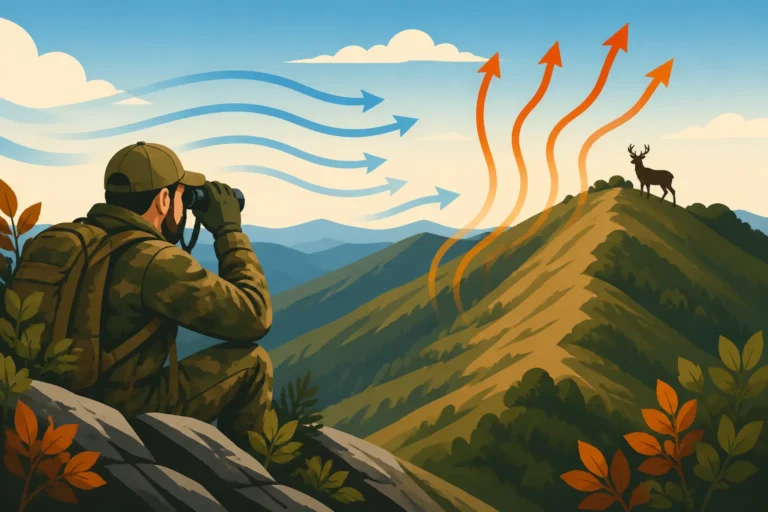
Focus your still-hunt on areas identified during scouting as potential sanctuaries or escape routes. Think about dense pine thickets, overgrown clear-cuts, or the fringes of swamps. The idea is to move quietly enough not to spook deer that are already on edge, but also to cover ground and potentially bump deer that are bedded down tight. It’s not about covering miles, but about seeing deer before they see you. Paying attention to your wind direction and the thermals, especially in varied terrain, is absolutely vital. This kind of nuanced movement is part of what makes Still-Hunting South Georgia Pine Flats so successful.
The Strategic Deer Drive
Deer drives can be incredibly effective on opening weekend, especially if you're hunting with a group. The sheer volume of hunters on opening day means deer are already on the move, and a coordinated drive can push them into known escape routes or past waiting standers. It's about capitalizing on the deer's natural tendency to avoid pressure.
A successful drive requires careful planning. First, identify a block of cover where deer are likely to be bedded. Next, determine the natural escape routes they'd use to get out of that cover. Place your standers (shooters) along these escape routes, positioned safely and with clear lanes of fire. The drivers then slowly and methodically push through the cover, making enough noise to encourage deer movement without sending them into a full sprint. Safety is paramount here, with clear communication and established shooting lanes. This tactic is often employed as part of Deer Drives With Three or Four Hunters or even larger groups.
Comparison of Opening Weekend Tactics
| Tactic | Hunter Pressure Suitability | Terrain Best Suited For | Deer Movement Expected | Group Size | Advantages | Disadvantages |
|---|---|---|---|---|---|---|
| Still-Hunting | High | Thick cover, diverse terrain | Slow, cautious, or bedded | 1 | Highly adaptable, can find hidden deer | Slow pace, requires extreme stealth |
| Stand Hunting | Moderate to High | Funnels, edges, dense cover | Directed, escaping | 1-2 | Patient, ambush, covers escape routes | Can be boring, dependent on deer movement |
| Deer Drive | High | Blocks of thick cover, swamps | Fast, fleeing, pushed | 3+ | Actively moves deer, good for large groups | Requires coordination, safety concerns, less selective |
Calling and Decoying Strategies
While less common during the chaotic opening weekend of firearms season compared to the rut's peak, calling and decoying can still have a place, particularly if you're targeting areas with lower hunter pressure or specific stages of the rut that might coincide with the opener in your area.
For calling, focus on subtle grunts or doe bleats. Aggressive rattling or loud calls can often scare off pressured deer. A soft grunt might just pique the curiosity of a cruising buck trying to determine if it's a new deer in the area, especially if the Hunting the Rut in Mid-October is kicking off in your specific county. Decoys, if used, should be placed in open areas where they are highly visible, but always with a safe shooting lane. A single doe decoy can sometimes draw in a curious buck, but ensure you have full confidence in your shot and can clearly identify your target. Be aware that other hunters might also see your decoy, so blaze orange is even more critical when using one.
Gear Considerations for the Firearms Opener
Your gear choices on opening weekend are crucial. You need reliable equipment that can handle Georgia's varied conditions and the intensity of the hunt.
Rifle and Ammunition Choices
For firearms season, your rifle is obviously your primary tool. A reliable deer rifle in a common caliber like .270, .30-06, .308, or 6.5 Creedmoor is ideal for Georgia's diverse terrain and deer sizes. These calibers offer a good balance of power, range, and availability. Be sure your rifle is sighted in perfectly and you are confident in your shooting at realistic hunting distances for your chosen location. Rifle Setups for Georgia Deer Hunting goes into much more detail on this topic.
Ammunition choice is equally important. Use quality hunting ammunition designed for deer, featuring controlled expansion to ensure clean, ethical kills. Carry enough extra rounds, but don't overpack; space and weight are at a premium. Always check your local regulations, as some WMAs or special zones might have specific restrictions on ammunition types or rifle calibers.
Essential Clothing for Variable Weather
As mentioned, Georgia's opening weekend weather can be unpredictable. Layering is your best friend. Start with a moisture-wicking base layer, add an insulating layer, and top it off with a scent-controlling or camouflage outer layer. Be prepared to shed layers as the day warms up, and put them back on if a cold front pushes through or as evening approaches.
Don't forget your blaze orange! Georgia requires hunters to wear a minimum amount of blaze orange (or pink) during firearms season, typically 500 square inches above the waist, visible from all sides. This is non-negotiable for safety, especially with the increased hunter presence. Good quality rain gear is also a must, as pop-up showers are common in early fall.
Navigation and Safety Gear
On opening weekend, navigating busy hunting grounds and ensuring your safety takes on added importance. A reliable GPS unit or a smartphone with a mapping app like GoHunt is essential. Download offline maps of your hunting area, especially if you’re heading into public land where cell service can be spotty. Knowing your precise location relative to property lines and other hunters is critical. This is particularly useful for Finding Property Lines.
Beyond navigation, always carry a small first-aid kit, a sharp knife, a headlamp for walking in or out in the dark, and a fully charged cell phone. Inform someone of your hunting plans and expected return time. If hunting with a group, consider two-way radios for communication, especially if conducting a deer drive.
Post-Shot Protocol and Recovery
The moment of truth arrives, and you've made a good shot. What happens next, especially in warm Georgia weather, is crucial for both recovery and meat quality.
Tracking in Tough Georgia Conditions
Even with a perfect shot, deer rarely drop in their tracks. Waiting before tracking is often the best advice, but the amount of time depends on the shot placement and weather conditions. If it's warm, waiting too long can jeopardize the meat. For a solid lung or heart shot, waiting 30-60 minutes might be sufficient. For a gut shot, a minimum of 4-6 hours, or even overnight if temperatures are cool, is typically recommended.
Georgia's dense undergrowth, pine straw, and often swampy terrain make tracking a challenge. Look for blood, hair, bone fragments, and disturbed ground. Mark your last known blood spot with flagging tape or a bright marker. If you lose the trail, back out and reassess. If the trail is completely gone, consider calling a reputable tracking dog service. Don't push a marginally hit deer, especially if it's warm, as you'll only push it further and make recovery harder. This ties into the strategies for Blood Trailing After Dark in Georgia.
Processing and Game Care in Warm Weather
Warm weather is the enemy of venison quality. Once a deer is down, the clock starts ticking. Field dress the animal as quickly as possible to begin the cooling process. Removing the entrails allows the body cavity to cool, preventing bacterial growth that can spoil meat.
If you're far from your vehicle, consider breaking the animal down into smaller, more manageable pieces if you can safely do so. Get the deer out of the woods and into a cooler filled with ice as soon as possible. Even if it's a short drag, putting ice packs inside the body cavity can significantly help. Once home, either take it to a reputable processor immediately or begin butchering it yourself, ensuring the meat is cooled quickly and efficiently. Neglecting immediate game care can ruin what would otherwise be excellent table fare.
Managing Expectations and Enjoying the Experience
Opening weekend is often hyped, but it's important to keep a realistic perspective. The challenges are real, but so are the rewards of being out in Georgia's beautiful wild places.
Public vs. Private Land Realities
The experience on public land versus private land during opening weekend can be drastically different. On public land, expect crowds, pressure, and deer that are incredibly wary. Success often comes from outworking other hunters, going deeper, or finding those small, overlooked pockets. You'll likely need to adjust your tactics more frequently as deer patterns shift due to continuous pressure. Understanding Hunting Pressure on Georgia Public Land is key to setting appropriate expectations.
Private land can offer a less pressured environment, especially if it's managed for deer. However, even private land deer will feel the surrounding pressure from adjacent properties. The tactics might be slightly less extreme, but awareness of wind, scent, and careful entry/exit routes remains essential. Whether public or private, the goal is always to minimize your impact and maximize your stealth. For those who lack private land, exploring options like Hunting Small Private Tracts in Georgia can be beneficial.
The Social Aspect of Deer Camp
Beyond the hunting itself, opening weekend is a time-honored tradition for many, often centered around deer camp. It's a chance to gather with friends and family, share stories, good food, and make memories. While the pursuit of a deer is the primary goal, don't underestimate the value of these social connections.
Embrace the camaraderie, the early mornings, the shared meals, and the post-hunt discussions. Even if the deer aren't cooperating, the experience of being outdoors and sharing it with loved ones is a significant part of what makes opening weekend so special. It's about more than just pulling a trigger; it's about continuing a tradition and fostering a love for the outdoors. Georgia Deer Camp Traditions are a rich part of the state's hunting heritage.
Disclaimer
Please ensure you are fully aware of and comply with all current Georgia hunting regulations, license requirements, and WMA-specific rules. Regulations can change, so always check the Georgia Department of Natural Resources (DNR) Wildlife Resources Division website or current hunting guide before heading afield. Safety should always be your top priority.