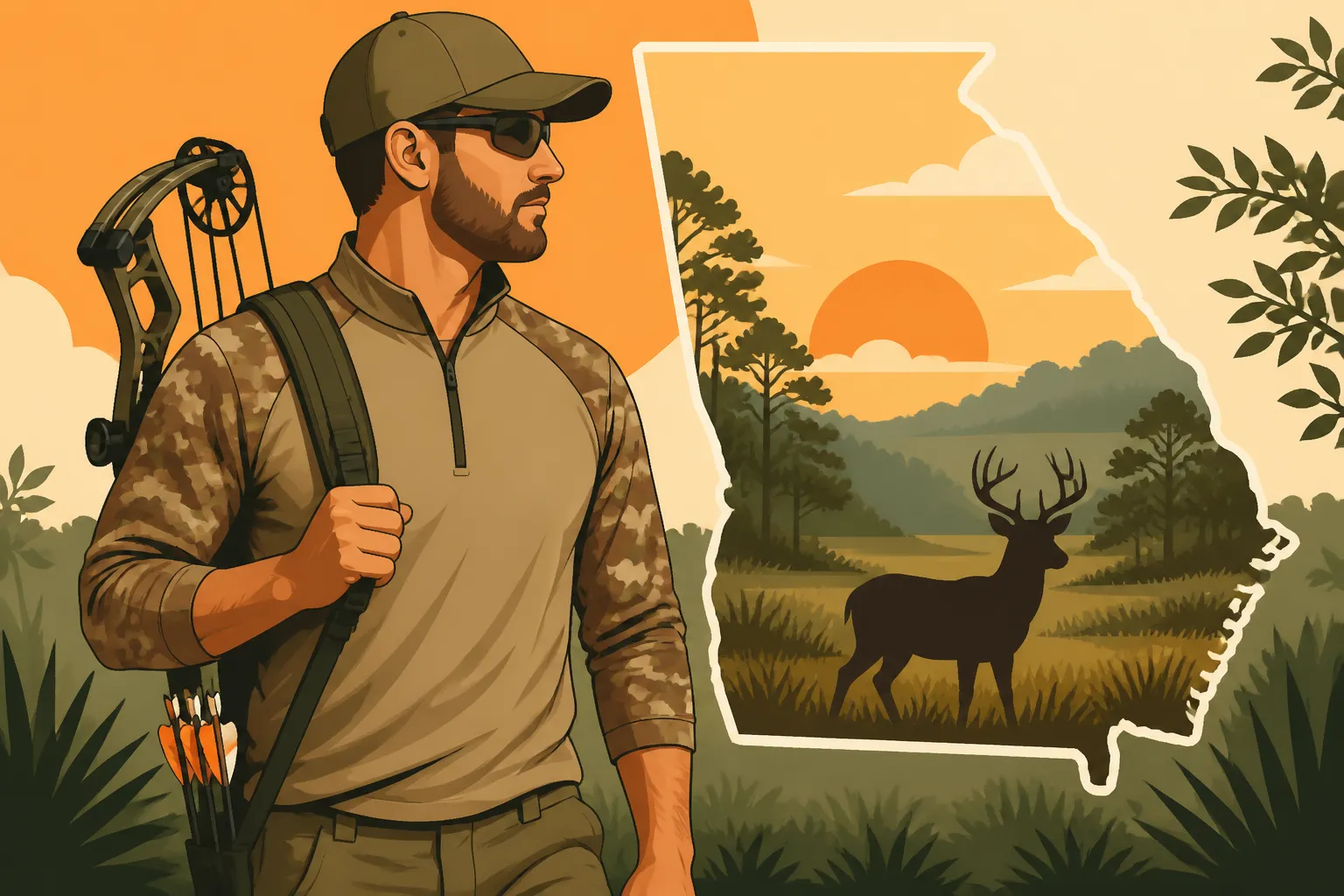
Warm-Weather Clothing for Georgia Hunters
Alright, let's talk about something every Georgia hunter battles: the heat and that soul-sucking humidity. There’s nothing worse than getting to your stand before dawn, already sweating through your layers, knowing the sun hasn't even begun to beat down. Trying to stay comfortable, scent-free, and effective in our notoriously warm climate can feel like an impossible task, often leading to shortened hunts, frustrated efforts, or just plain misery. This guide is dedicated to equipping you with the knowledge and strategies to choose the right warm-weather clothing, helping you stay cooler, dryer, and ultimately, more successful in the Georgia woods.
Understanding Georgia's Warm-Weather Challenge
Hunting in Georgia is a unique beast, largely thanks to our climate. Unlike states further north, where crisp autumn air is the norm by early deer season, we often find ourselves wrestling with temperatures that feel more like summer well into October, and sometimes even November. This isn't just about comfort; it impacts everything from your stamina and focus to your scent profile and safety. Ignoring these challenges can quickly turn a promising hunt into a miserable ordeal.
The Relentless Humidity
If you've spent any time outdoors in Georgia, you know the humidity is often the biggest villain. It's not just the temperature, it's the sheer amount of moisture in the air that prevents sweat from evaporating, leaving you feeling sticky, clammy, and utterly drained. This high humidity permeates everything, making even slightly cool mornings feel oppressive once you start moving. It saturates your clothing, adding weight and insulating properties you absolutely don't want when the mercury is climbing.
Imagine still-hunting through a thick bottomland swamp in late September, the air so thick you can almost chew it. Every step generates heat, and your body tries to cool itself by sweating, but the humidity means that sweat just sits on your skin, trapped by non-breathable fabrics. You're not just uncomfortable; you're creating a massive scent cone, radiating human odor that quickly alerts any wary buck to your presence. Understanding this pervasive humidity is the first step to dressing smarter.
Early Season Heat
The early archery season in Georgia, often kicking off in early to mid-September, can be brutal. We’re talking daytime highs frequently in the upper 80s or even 90s, with nights that barely dip below 70 degrees. This heat isn't just a concern for your comfort; it’s a genuine safety issue if you’re not properly hydrated and dressed. Hunters often underestimate how quickly heat exhaustion can set in, especially when combined with strenuous activity like hauling a stand or tracking game.
Think about scouting new ground or setting up a treestand in August or early September. The sun beats down, the air is still and heavy, and you're expending a lot of energy. Your clothes become soaked almost immediately, not just from exertion but from simply existing in the environment. Choosing the wrong fabrics for Bowhunting Georgia's Early Archery Season can turn a potentially exciting hunt into a lesson in overheating, making it nearly impossible to sit still for long periods or maintain the stealth required for close-range bowhunting.
Unexpected Cold Fronts
While warm weather is our primary adversary, Georgia's weather can be notoriously fickle. You might start a hunt in glorious sunshine, only for a sudden cold front to blow through, dropping temperatures by 20 degrees or more in a matter of hours, often accompanied by a biting wind or unexpected rain. This variability means you can't just pack for heat; you need to be prepared for rapid shifts. The frustration of being underdressed for a sudden chill, especially after sweating, is a real bummer.
I remember one opening day in early October when it was 85 degrees at noon, and by 5 PM, a front rolled in, dropping the temperature to 55 with a fierce wind and steady drizzle. Hunters who had shed layers earlier in the day were suddenly shivering uncontrollably. Having versatile clothing that can be easily added or removed, or outer layers that offer immediate protection, is crucial. It’s about being adaptable to whatever curveball the Georgia skies decide to throw your way.
The Foundation: Base Layers for Hot and Humid Climates
When it comes to warm-weather hunting in Georgia, your base layer is the single most critical piece of clothing. It's the layer right against your skin, and its job is to manage moisture and scent, not to keep you warm. Many hunters make the mistake of wearing cotton t-shirts, which quickly become saturated with sweat, stay wet, and then become heavy, uncomfortable, and a breeding ground for odor. Investing in quality base layers designed for performance will change your entire hunting experience.
Moisture-Wicking Fabrics
The primary function of a warm-weather base layer is to move moisture (sweat) away from your skin and to the outer surface of the fabric, where it can evaporate. This process, known as wicking, helps regulate your body temperature, keeping you feeling cooler and drier. When sweat is effectively wicked away, you avoid that clammy, sticky sensation that is so common in Georgia's high humidity. Materials like synthetic polyester blends or lightweight merino wool excel at this.
Consider the difference: a cotton t-shirt absorbs sweat like a sponge and holds it there, staying wet for hours. A good synthetic base layer, however, will feel almost dry to the touch even when you’re sweating heavily because the moisture has been moved away. This not only keeps you more comfortable but also prevents the chill that can set in if temperatures drop slightly and your cotton layer is still soaking wet. It’s about active management of your body's cooling system, making your body more efficient.
Scent Control Technology
Managing your scent is paramount in hunting, and warm, humid conditions amplify the challenge significantly. Sweat itself isn't the primary cause of human odor; it's the bacteria that break down sweat on your skin and clothes. Many modern base layers incorporate scent control technologies, such as silver-ion treatments, activated carbon, or other antimicrobial agents, designed to inhibit bacterial growth and neutralize odors. These technologies are not magic bullets, but they make a noticeable difference.
When you're hiking into your stand on a warm morning, your body is working, and you're sweating. Without scent control, those bacteria start multiplying almost immediately, and by the time you settle in, you could be radiating a detectable odor. With a treated base layer, the growth of odor-causing bacteria is significantly reduced, helping you stay "fresher" for longer. While no system can eliminate all human scent, these technologies are a vital component of a comprehensive scent management strategy, especially when hunting in the thick Georgia hardwoods.
Proper Fit and Function
The effectiveness of your base layer hinges on its fit. It needs to be snug enough to maintain contact with your skin to wick moisture efficiently but not so tight that it restricts movement or circulation. A loose-fitting base layer won't be able to pull sweat away from your skin as effectively, defeating its primary purpose. Most performance base layers are designed with athletic cuts, allowing for a full range of motion without bunching or chafing, which is crucial for long sits or active hunting.
Think about how a poorly fitting shirt can rub under a backpack strap or bunch up uncomfortably in a treestand. A proper base layer should feel like a second skin, almost unnoticeable. It should allow for unhindered drawing of a bow or shouldering of a rifle. This attention to detail in fit also extends to its ability to work seamlessly with other layers, as part of an overall Lightweight Layering for Warm-Weather Sits system. The goal is to feel unencumbered, allowing you to focus entirely on the hunt, not on adjusting your clothes.
Mid-Layers and Outer Layers: Adapting to Microclimates and Conditions
While the base layer handles moisture, mid-layers and outer layers are your tools for adapting to the changing temperatures and conditions Georgia throws your way. These layers provide insulation, block wind, and repel rain, all while still prioritizing breathability. The key is choosing lightweight, packable options that can be easily added or removed as the day progresses or the weather shifts.
Lightweight Insulation Options
Even in warm-weather hunting, there are times you'll appreciate a touch of insulation. Early mornings before the sun hits, sitting in a shady spot, or after a sudden temperature drop can leave you feeling a chill, especially if you’ve been sweating. Forget heavy fleece or down; think thin, breathable options. Lightweight grid fleece or softshell jackets are perfect. They provide a surprising amount of warmth for their weight but are still highly breathable, allowing excess heat and moisture to escape during periods of activity.
Imagine you've hiked a mile into your stand on a coolish 60-degree early October morning. You worked up a sweat getting there, but now you're sitting still, and that initial warmth starts to fade. A lightweight fleece vest or jacket, easily pulled from your pack, can make all the difference between an uncomfortable shiver and a focused sit. The goal is just enough warmth to take the edge off, without causing you to overheat again once the sun rises or you start moving.
Wind and Rain Protection
Georgia weather isn't just about heat; it's also about unpredictable wind and rain. A light breeze might feel refreshing when it's hot, but after a chilly front, that same breeze can cut right through you, especially if your base layer is damp. Similarly, unexpected showers are a common occurrence. Your outer layer needs to be able to shed water and block wind without making you feel like you're wrapped in a plastic bag. Look for quiet, packable rain gear that breathes.
Many hunters opt for a lightweight softshell jacket that offers decent wind resistance and some water repellency for light drizzles, or they pack a dedicated rain jacket for heavier downpours. The ability to quickly deploy a waterproof layer can save a hunt, keeping you dry and preventing dangerous chills. It's not about being ready for a hurricane, but for those frequent pop-up showers or gusty fronts that can change the entire dynamic of your hunt, especially if you are working a Hunting a Ridge-Top Saddle for Rutting Bucks where wind exposure can be significant.
Camouflage Considerations
While the pattern itself is crucial for blending in, the type of outer layer carrying that pattern matters immensely for warm weather. You need camouflage that doesn't add unnecessary bulk or restrict airflow. Heavy, insulated camo jackets are fantastic for deep winter, but they’re a liability in a Georgia October. Instead, focus on lightweight, breathable outer shell fabrics that feature your chosen camouflage pattern.
Many companies offer uninsulated jackets and pants made from quiet, durable materials that are perfect for layering over your base and mid-layers. These allow for maximum air circulation while still providing the visual break-up needed to disappear into the Georgia foliage. The fabric should also be quiet when you move, avoiding that rustling sound that can spook a deer. Being seen less by game means being more effective, and that starts with quiet, breathable camo that fits the conditions.
Specialized Apparel: Headwear, Gloves, and Footwear
Beyond the main layers, specific accessories play a huge role in your overall comfort and success in Georgia's warm hunting conditions. These aren't just afterthoughts; they are critical pieces of your system that protect exposed skin, enhance dexterity, and keep you safe from the ground up. Overlooking these details can lead to discomfort, distraction, or even dangerous situations.
Headwear for Sun and Insects
Your head is a major source of heat loss (and gain), and it's also a prime target for insects and sun exposure. A good lightweight hat or cap is essential. It provides shade, protecting your face and neck from harmful UV rays, and helps absorb sweat from your brow, preventing it from running into your eyes. Look for breathable materials like mesh or lightweight synthetics, often in a camo pattern.
Beyond sun protection, a head net or a hat with an integrated bug mesh becomes indispensable during early season hunts. Georgia's mosquitoes, gnats, and ticks are relentless, and trying to focus on a deer while constantly swatting at bugs is impossible. A lightweight neck gaiter or bandana can also pull double duty, protecting your neck from the sun and offering a quick bug barrier for your face. Don't underestimate the mental and physical toll of constant insect harassment; good headwear is your first line of defense.
Gloves for Protection and Feel
Even in warm weather, gloves serve several purposes. They protect your hands from scrapes and thorns while navigating thick cover, offer a barrier against insects, and provide a slight warmth on chilly mornings. Crucially, they also help with scent control by minimizing direct skin contact with equipment and surroundings. Look for lightweight, breathable gloves with good grip and dexterity.
Many hunters prefer thin shooting gloves that allow for excellent trigger feel or bow release manipulation. The fabric should be moisture-wicking and quick-drying, as hands are also prone to sweating. Some gloves even come with integrated insect repellent. While you might be tempted to skip gloves when it's hot, the protection they offer from cuts, stings, and biting insects, combined with their scent-control benefits, makes them a valuable part of your warm-weather hunting kit.
Footwear for Varied Terrain
Your feet are your foundation, and choosing the right footwear for Georgia's diverse terrain and warm conditions is paramount. You need boots that offer support and protection but also breathe well. Heavy, insulated boots are a no-go for most of our season. Instead, focus on lightweight, waterproof or water-resistant boots with good ventilation, or specialized protection like Snake Boots for Coastal Plain Walking.
For upland hunting or areas with less water, breathable hiking boots with good ankle support are often ideal. In wetter areas, such as swamps or low-lying creek bottoms, waterproof boots or even knee-high rubber boots become necessary to keep your feet dry. The key is to find boots that wick moisture away from your feet, preventing blisters and discomfort caused by prolonged dampness. Socks are equally important; synthetic or merino wool socks, even thin ones, are far superior to cotton for moisture management.
Protection Beyond Clothing: Bugs, Sun, and Snakes
While your clothing system is foundational, the Georgia wilderness demands additional layers of protection that go beyond just fabrics and patterns. Our environment presents unique challenges from biting insects, intense UV radiation, and venomous reptiles. Integrating specific gear and strategies to counter these threats ensures not only a more comfortable hunt but a safer one too.
Integrated Insect Repellent Clothing
Georgia's insect population, especially mosquitoes and ticks, can be truly maddening, particularly during the warm early seasons. Constantly slapping at bugs isn't just annoying; it creates movement that can spook game and greatly diminishes your focus. This is where clothing treated with integrated insect repellent becomes a game-changer. These fabrics are impregnated with permethrin or similar repellents, offering a long-lasting, invisible shield against biting insects.
Many reputable brands offer full lines of hunting apparel, from base layers to outer shells, with this treatment. While it doesn't eliminate the need for skin-applied repellent on exposed areas, it significantly reduces the number of bugs landing on and biting through your clothes. Imagine sitting in a treestand during Georgia Archery Season Opening Day without the constant drone of mosquitoes in your ears or the worry of ticks crawling up your legs. This technology allows you to concentrate on the hunt, rather than being a human bug zapper.
Sun Protection Features
The sun in Georgia, even in fall, can be intense. Prolonged exposure without protection can lead to sunburn, heat exhaustion, and long-term skin damage. Beyond simply wearing a hat, look for clothing with specific sun protection features. Many warm-weather hunting shirts, for example, incorporate UPF (Ultraviolet Protection Factor) ratings, similar to SPF for sunscreen. A UPF 30 or 50+ shirt provides excellent protection, essentially blocking a high percentage of harmful UV rays.
Other features like convertible collars that can be popped up to protect the neck, longer sleeves with thumbholes to cover the backs of hands, and vented back panels to allow for airflow while maintaining coverage, all contribute to overall sun safety. Staying protected from the sun helps maintain your energy levels and prevents discomfort, allowing you to stay in the field longer. Don't forget high-quality sunglasses to protect your eyes from glare and UV, especially if you're glassing open areas or water.
Layering for Unexpected Encounters
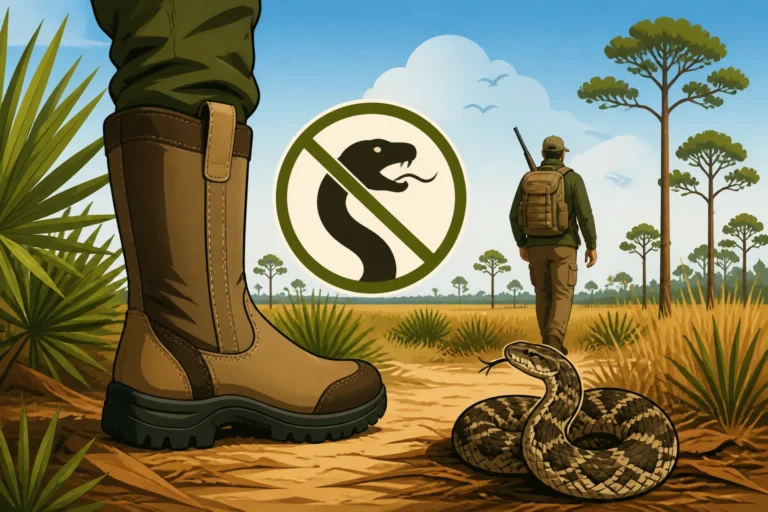
While clothing helps, dealing with wildlife encounters, especially snakes, requires specific gear. Georgia is home to several venomous snakes, and accidental encounters are a real risk, particularly when navigating dense cover, crossing logs, or stepping into tall grass. This is why many hunters, especially in the coastal plain and southern regions, opt for dedicated snake protection.
Snake gaiters or full snake boots are not just for peace of mind; they offer a crucial layer of physical defense against bites. These are often made from thick, puncture-resistant materials designed to stop a snake's fangs. While they might add a bit of weight, the trade-off for safety is immense. Pairing these with a reliable Bug Repellent That Holds Up in a Tree Stand for skin and an integrated repellent on your clothing means you're creating a comprehensive personal protective zone against multiple threats. Always be vigilant, but having the right gear provides a critical margin of safety.
Material Matters: Fabric Choices for Performance
The specific fabrics your hunting clothes are made from dictate their performance in warm, humid conditions. Knowing the properties of different materials helps you make informed choices that align with Georgia's unique climate, ensuring maximum comfort, breathability, and functional utility. Generic materials often fall short, leaving you soggy and uncomfortable.
Synthetic Fabrics for Quick Drying
Synthetic materials like polyester, nylon, and various proprietary blends are the workhorses of warm-weather hunting apparel. Their key advantage is their ability to wick moisture away from the skin and dry exceptionally quickly. Unlike cotton, which absorbs and holds onto water, synthetics are hydrophobic, meaning they resist water absorption. This makes them ideal for base layers and any clothing that will be subjected to sweat or sudden rain.
Modern synthetic fabrics are engineered to be lightweight, durable, and often incorporate stretch for ease of movement. They also maintain their insulating properties (if any) better when wet compared to natural fibers. For instance, a lightweight polyester hunting shirt can get soaked during a strenuous hike but will dry out significantly faster than a cotton shirt once you stop moving, preventing that chilling effect. Many also come with built-in scent control and UV protection, making them incredibly versatile for our climate.
Merino Wool's Surprising Benefits
While often associated with cold weather, lightweight merino wool is an unsung hero for warm-weather hunting in Georgia. Unlike traditional wool, merino fibers are much finer, softer, and non-itchy. Its natural properties make it an excellent choice for base layers, even in the heat. Merino wool excels at moisture management, wicking sweat away from the skin and continuing to insulate (or cool) even when damp.
One of merino's biggest advantages is its natural odor resistance. The lanolin in wool has antimicrobial properties, meaning you can wear it for longer periods without developing the strong body odor that synthetics can sometimes harbor after extended use. This is a huge benefit for multi-day hunts or when you need to minimize your scent profile. While it tends to be pricier and may not dry quite as fast as some synthetics, its comfort, breathability, and odor control make it a premium choice for serious warm-weather hunters.
Blends for Versatility
Often, the best solution combines the strengths of different materials. Fabric blends are increasingly common in performance hunting apparel, marrying the best characteristics of synthetics and natural fibers to create highly versatile garments. For example, a polyester-merino wool blend might offer the rapid drying of synthetics with some of the odor control and softer feel of merino.
These blends are designed to optimize performance across a range of conditions and activities. A garment that's, say, 70% synthetic and 30% merino wool can give you excellent moisture-wicking, good durability, decent odor resistance, and a comfortable feel against the skin. When you're facing Georgia's unpredictable mix of heat, humidity, and the potential for cooler temperatures or rain, versatile blends can simplify your packing and ensure you're well-equipped for whatever the day throws your way. It's about finding that sweet spot where different materials complement each other for peak performance.
Here's a quick comparison of common warm-weather fabric choices:
| Fabric Type | Pros | Cons | Best Use Case |
|---|---|---|---|
| Polyester | Excellent wicking, very quick-drying, durable, often affordable, good base for scent treatments | Can retain odor over time (if untreated), not as soft as wool | Base layers, active hunting, any situation with high sweat |
| Nylon | Very durable, good abrasion resistance, dries quickly, lightweight | Less common for base layers, can be less soft | Outer shells, pants, areas needing high durability |
| Merino Wool | Excellent odor resistance, comfortable, wicks well, insulates when damp, quiet | More expensive, slower drying than synthetics, can be less durable | Premium base layers, multi-day hunts, varied temps |
| Cotton | Soft, common, inexpensive | Holds moisture, dries slowly, heavy when wet, poor insulator when wet, retains odor badly | Avoid for active hunting in warm, humid conditions |
Practical Considerations for the Georgia Hunter
Choosing the right clothing is one thing; actually making it work for you in the field is another. Effective warm-weather hunting in Georgia requires more than just smart fabric choices; it demands a strategic approach to layering, camouflage, and how you manage your gear before, during, and after the hunt. These practical tips can elevate your comfort and increase your chances of success.
Layering Strategies for Variable Days
The cornerstone of effective warm-weather hunting is a flexible layering system. You need to be able to add or shed layers quickly to adapt to temperature fluctuations, activity levels, and changes in the environment. Start with a thin, moisture-wicking base layer. For most early to mid-season hunts, this might be all you wear during periods of high activity or peak heat.
Pack a lightweight mid-layer, like a thin fleece or softshell, that you can throw on for chilly pre-dawn walks or when sitting still in the shade as temperatures drop. An outer shell, preferably quiet and water-resistant, should always be accessible for unexpected rain or wind. When planning your route or Scouting Georgia Public Land Before Season, consider the terrain and elevation changes, as these will directly impact how you heat up and cool down, informing your layering needs. The ability to manage your layers proactively rather than reactively is what keeps you comfortable and focused.
Color and Camouflage Patterns
While your preferred camouflage pattern is often a personal choice, the color palette and overall break-up are important for blending into Georgia's specific environments. Early season often means a lot of green foliage, so patterns with more green and brown tones tend to work well. As leaves begin to turn and fall, patterns with more subdued browns, grays, and even hints of bare limb take over.
Beyond the pattern itself, ensure that any "solid" colors you wear, such as your base layer if it's visible, are earth tones that don't stand out. Many hunters neglect the small details: zippers, logos, or even the inside of a hat brim can reflect light or appear as an unnatural block of color. Some also prefer disruptive patterns that break up the human silhouette, rather than highly detailed photographic patterns, as they often blend better in varied cover. Choose patterns that match the natural color and texture of the Georgia woods you'll be hunting.
Storage and Organization
Once you have the right clothes, how you store and organize them, both in your pack and at home, impacts their effectiveness. For hunting, especially scent-sensitive game, keeping your clothes clean and scent-free is paramount. Store your clean hunting clothes in airtight bags or containers, away from everyday odors like detergents, food, or gasoline.
When packing your Packs for a Day on Public Land, arrange your layers so that items you might need quickly (like a rain jacket or a lightweight mid-layer) are easily accessible without rummaging and making noise. Consider using compression sacks for bulkier items to save space. Having a dedicated system for your hunting clothing ensures it's always ready, clean, and performing at its best when you step into the woods. A messy gear bag often leads to forgotten items or clothes that pick up unwanted odors, undermining all your careful preparations.
Post-Hunt Care and Maintenance
The life and performance of your warm-weather hunting apparel don't end when the hunt does. Proper post-hunt care and maintenance are crucial for extending the lifespan of your garments, preserving their specialized features like scent control and waterproofing, and ensuring they are ready for your next adventure. Neglecting these steps can lead to diminished performance and premature wear.
Washing and Drying Techniques
Washing your technical hunting apparel correctly is vital. Avoid harsh detergents that contain brighteners, dyes, or strong scents, as these can compromise scent control treatments, leave behind residues, and attract game. Instead, opt for scent-free, specifically formulated hunting detergents. Wash items on a gentle cycle with cold water, and avoid overloading the machine to ensure thorough cleaning and rinsing.
After washing, skip the fabric softener, as it can clog the pores of technical fabrics, reducing their wicking and breathability. Air drying is often the best method, especially for items with specialized coatings or elastic components. If you must use a dryer, tumble dry on the lowest heat setting or use an air-only cycle. High heat can damage synthetic fibers, melt glue in waterproof seams, and degrade specialized treatments. Properly washed and dried clothes will retain their performance properties for many seasons.
Storing Scent-Free
After cleaning, storing your warm-weather hunting clothes in a scent-free environment is just as important as washing them correctly. The goal is to prevent them from absorbing any foreign odors before your next hunt. Many hunters use airtight containers, heavy-duty scent-free bags, or dedicated totes with carbon liners. Store these containers in a garage or shed away from household odors, pets, or vehicle exhaust.
Some hunters even go as far as to store a few natural elements, like pine needles or local dirt, inside their scent-free containers to help their clothes take on a subtle, natural aroma. The key is consistency. Any lapse in your scent-free storage regimen can negate the benefits of carefully chosen clothing and diligent washing. Remember, a deer's nose is its primary defense, and minimizing your scent footprint starts long before you even step foot in the woods, extending to how you put your gear away after you've completed Field Dressing a Deer in Warm Weather.
Repairing and Extending Lifespan
Hunting is tough on gear, and even the highest quality clothing can suffer wear and tear. Instead of immediately replacing a garment with a small tear or a broken zipper, consider repairing it. Many hunting apparel brands offer repair services, or you can find specialized outdoor gear repair shops. For minor tears, patch kits designed for technical fabrics can provide a durable, discreet fix.
Learning basic sewing skills or carrying a small repair kit with needle, thread, and fabric adhesive can also be invaluable for field repairs. Taking the time to mend a tear or replace a zipper not only saves money but also extends the life of your investment. By being proactive with repairs and following proper care instructions, your warm-weather hunting clothing can reliably serve you through many seasons of challenging Georgia hunts, keeping you comfortable, concealed, and ready for action.
Disclaimer
This article is for general informational purposes only and does not constitute professional advice. Laws, prices and regulations vary by location and change over time. Consult a qualified professional for guidance on your specific situation.