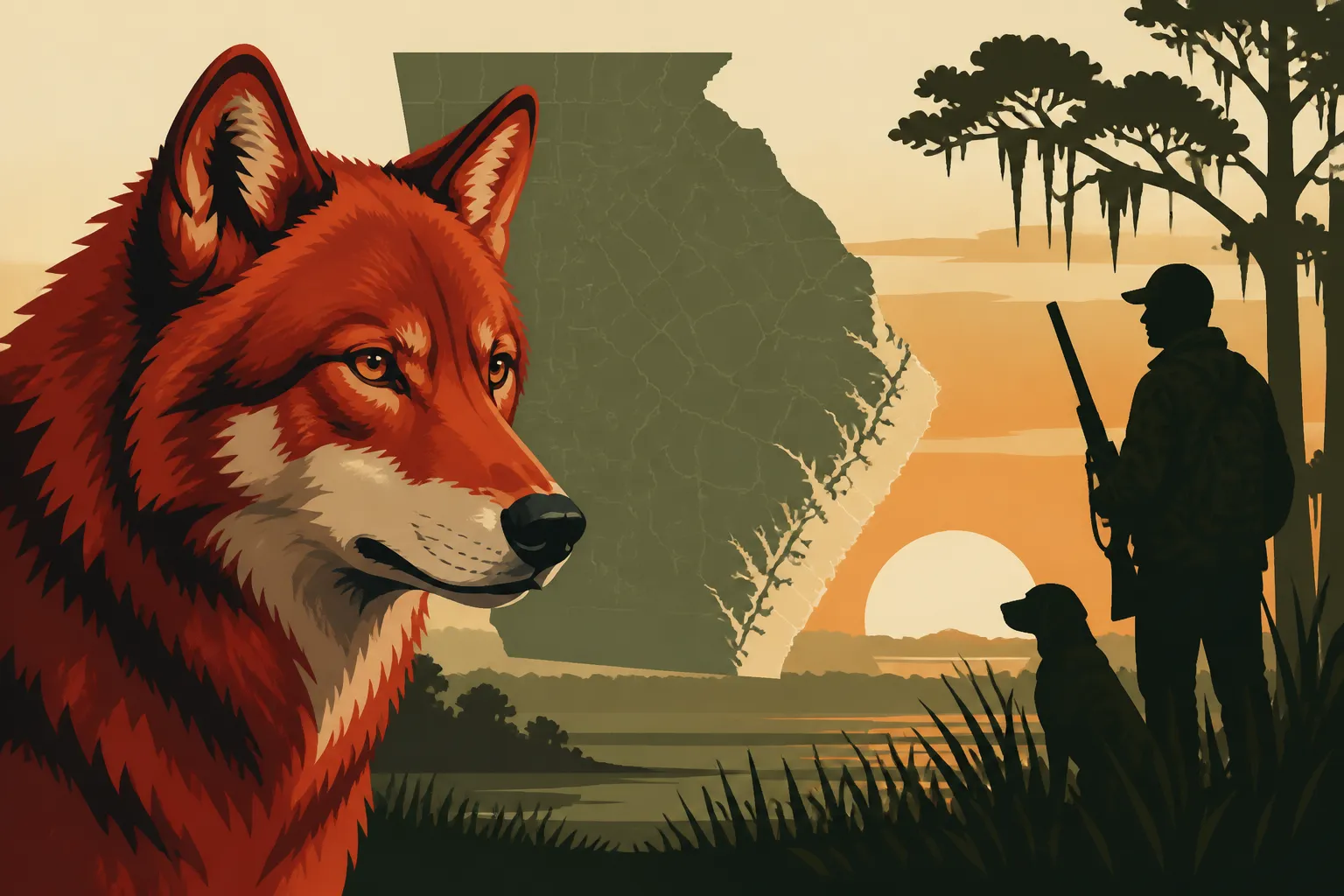
Why Red Wolves Vanished From Coastal Georgia
It’s a thought that might seem almost mythical now: imagine the haunting howl of a red wolf echoing through the vast, dark swamps and pine forests of coastal Georgia. For generations of Georgians, this sound has been lost to history, leaving many to wonder what happened to these magnificent native predators. This guide will take a deep dive into the compelling, and unfortunately tragic, story of how red wolves vanished from the very landscape they once dominated, exploring the historical, ecological, and human factors that led to their extirpation from our state.
A Ghost in the Georgia Woods: Understanding the Red Wolf's Historical Range
Before the arrival of European settlers and the dramatic changes that followed, the red wolf (Canis rufus) was a quintessential part of the southeastern American wilderness. Their presence shaped the very fabric of the ecosystems they inhabited, from the dense mountain forests to the expansive coastal plains. Understanding their historical footprint helps us truly grasp the extent of their loss in Georgia.
The Southeast's Original Predator
The red wolf wasn't just a casual inhabitant of Georgia; it was an apex predator, a critical component of the food web across the entire southeastern United States. In Georgia, their primary range stretched across the Coastal Plain, weaving through the rich bottomland hardwoods, vast longleaf pine savannas, and impenetrable cypress-tupelo swamps. Areas like the Okefenokee Swamp region and the sprawling river systems would have been prime hunting grounds, offering a diverse array of prey from deer to smaller mammals and birds. They were truly adaptable, making a living wherever dense cover and a consistent food supply could be found.
Imagine a time when the balance of nature in Georgia was profoundly influenced by these creatures. They played a vital role in keeping prey populations healthy and in check, culling the weak and the sick, and ensuring a robust ecosystem. Their disappearance didn't just remove a species; it removed a fundamental force that had sculpted the region's wildlife for millennia. Their territory extended even to the barrier islands and the Golden Isles, indicating their incredible adaptability and presence throughout what we now call Hunting Coastal Georgia and the Golden Isles.
Early Encounters and Misconceptions
When European settlers first pushed into the Georgia frontier, they encountered a landscape teeming with wildlife, including abundant red wolves. Initially, these encounters might have been rare or viewed with a mix of awe and caution. However, as settlement intensified, and livestock became a critical part of the agricultural economy, the perception of the red wolf rapidly soured. Wolves, by their very nature, were seen as competitors and threats to livelihoods. A single wolf preying on a farmer's calf or pig represented a tangible economic loss, and fear quickly gave way to a campaign of eradication.
Unlike some other wildlife, the red wolf’s secretive nature and elusive habits made direct observation difficult, fueling myths and misunderstandings. This lack of accurate knowledge only solidified the public and governmental view that they were vermin to be eliminated. This period marked the beginning of a relentless, systematic effort to remove red wolves from the Georgia landscape, an effort that would tragically prove all too successful.
The Relentless Pressure: Factors Leading to Their Decline
The vanishing act of the red wolf from coastal Georgia wasn't a sudden event, but rather a slow, grinding process driven by multiple, interconnected pressures. It's a complex story of human expansion, misjudgment, and unintended consequences that ultimately pushed a resilient species to the brink of extinction.
Habitat Loss and Fragmentation
One of the most devastating blows to Georgia's red wolf population was the wholesale destruction and fragmentation of their natural habitat. As settlers cleared land for agriculture, built towns, and harvested timber, the vast, unbroken expanses of forest and swamp that red wolves relied upon began to shrink. The sprawling longleaf pine ecosystems that were once common across the Coastal Plain, providing cover and hunting grounds, were systematically cut down and converted.
Think about the sheer scale of change: what was once an interconnected mosaic of woodlands, swamps, and open savannas became a patchwork of farms, plantations, and burgeoning communities. This fragmentation had a dual impact. First, it directly reduced the available territory for wolves to hunt and raise their young. Second, it created isolated "islands" of habitat, trapping small, vulnerable wolf populations. These smaller populations became more susceptible to disease, inbreeding, and the direct pressures of human activity. Even areas that might resemble modern public lands, like some Georgia Wildlife Management Areas, were once part of a much larger, wilder expanse that red wolves traversed freely.
Predator Control and Eradication Programs
Beyond habitat loss, red wolves faced a direct and systematic assault through predator control programs. For centuries, across the South, wolves were actively hunted, trapped, and poisoned. Bounties were often placed on their heads, incentivizing their extermination. These weren't just isolated incidents; they were widespread, government-sanctioned efforts rooted in the belief that removing predators would protect livestock and increase game species like deer for human hunters.
These eradication campaigns were incredibly effective, perhaps too effective. Hunters and trappers, often working for state or federal agencies, were highly skilled, and their methods left little room for the red wolf to recover. The pressure was constant, year-round, and relentless. It created an environment where survival for a large, visible predator became increasingly difficult, accelerating their decline across the entire state. This intense historical hunting pressure contrasts sharply with today's carefully managed hunting seasons and conservation efforts for species like Georgia's Black Bear Population.
Genetic Dilution: The Coyote Factor
Perhaps the final, most insidious blow to the genetically pure red wolf population in Georgia, and indeed across its entire range, came with the arrival and proliferation of coyotes. Coyotes are not native to Georgia but expanded their range eastward as native predators like wolves were eliminated. They filled the ecological void left by the disappearing red wolf.
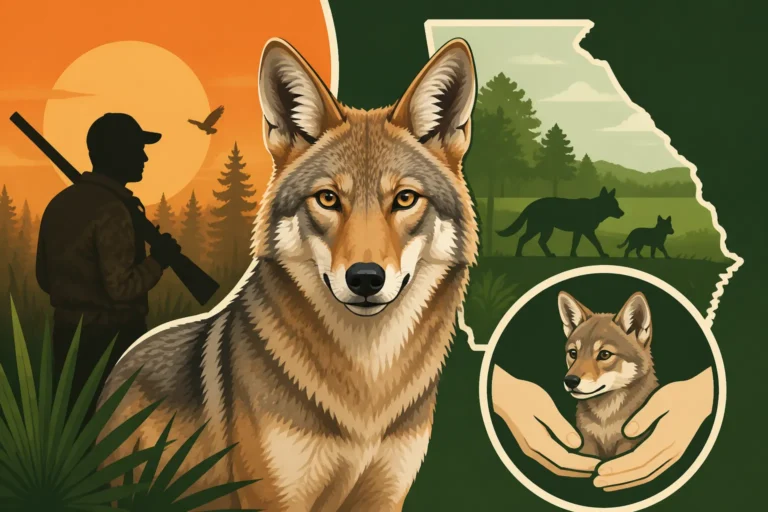
As red wolf numbers dwindled due to habitat loss and eradication, their ability to find mates of their own species became increasingly difficult. In a desperate bid to reproduce, the remaining red wolves began interbreeding with the more numerous and rapidly expanding coyote population. This process, known as hybridization, introduced coyote genes into the red wolf gene pool. While the offspring might have physically resembled red wolves, they were no longer genetically pure red wolves. The problem compounded over generations, leading to a phenomenon where true red wolves essentially disappeared, their unique genetic signature diluted beyond recognition. The arrival of Coyotes and Predators in Georgia was a tipping point, ultimately sealing the fate of the genetically distinct red wolf in the wild.
The Final Stand and Extirpation from Georgia
By the mid-20th century, the picture for the red wolf was grim. The species was in a critical state, and its disappearance from Georgia was an early indicator of a much larger, regional crisis.
Last Sightings and Regional Disappearance
The exact date of the "last" pure red wolf sighting in coastal Georgia is murky, lost to the annals of history and fragmented records. However, by the 1960s and 70s, it was clear that the species was functionally extinct across almost all of its historic range, including Georgia. The few remaining individuals were scattered in isolated pockets, primarily in the marshlands and coastal prairies of Texas and Louisiana, areas that were simply too remote and unappealing for intensive human settlement to complete the eradication.
The silence that fell over the Georgia woods where their howls once resonated was profound. A species that had been an integral part of the natural heritage of Hunting the Okefenokee Swamp Region and other wild areas was simply gone, leaving a void that would take decades to even acknowledge, much less attempt to address.
The National Effort to Save a Species
Recognizing the dire situation, the U.S. Fish and Wildlife Service launched a monumental conservation effort in the 1970s. The goal was audacious: to capture the last remaining genetically pure red wolves from the wild, establish a captive breeding program, and eventually reintroduce them. This program, focusing on those final individuals primarily from Louisiana and Texas, was the last hope for the species.
Sadly for Georgia, this effort came long after the red wolf had been extirpated from the state. The reintroduction efforts have focused on other states, most notably North Carolina, where a small, wild population now exists, battling new challenges like continued hybridization with coyotes and human-wildlife conflicts. While the national effort is a testament to conservation dedication, it highlights the irreversible loss that Georgia experienced years earlier. It’s a stark reminder that once a species is gone from a landscape, bringing it back is an immense, often insurmountable, challenge. For those interested in current wildlife trends, tools like GoHunt can help track data on extant species, but for the red wolf, it's a look back at what was lost.
The Echo of the Howl: Why Their Absence Matters Today
The story of the red wolf's disappearance from coastal Georgia isn't just a historical footnote. It carries significant ecological lessons and offers profound insights into the importance of conservation in our modern world. The absence of such a pivotal creature creates a ripple effect that touches many other aspects of the ecosystem.
Ecological Ripple Effects
When an apex predator like the red wolf vanishes, the ecosystem doesn't simply continue as before. It undergoes a series of changes, often referred to as trophic cascades. Without the red wolf, the populations of its primary prey animals, such as white-tailed deer, can potentially increase unchecked in certain areas. This might seem good to some hunters aiming for their Georgia Deer Population Estimate goals, but it can lead to overbrowsing of vegetation, impacting forest regeneration and the health of other species that rely on those plants.
Moreover, the absence of a top predator can lead to an increase in mesopredators – medium-sized predators like raccoons, opossums, and even Feral Hogs Across Georgia. These mesopredators, without the pressure of a larger wolf population, can exert greater predation pressure on ground-nesting birds, small mammals, and even fawns, affecting Georgia Predator Impact on Fawn Recruitment. The subtle, yet significant, role of the red wolf in maintaining a healthy, balanced ecosystem is truly understood only in its absence. It reminds us of the delicate interconnectedness of all living things.
Lessons for Conservation
The tragic saga of the red wolf in Georgia serves as a powerful and enduring lesson for contemporary conservation efforts. It underscores several critical points:
- The Importance of Proactive Protection: Waiting until a species is on the brink of extinction makes recovery exponentially more difficult and costly. Early intervention and habitat preservation are paramount.
- Understanding Predator Roles: The historical demonization of predators was based on incomplete understanding. We now recognize their vital role in maintaining ecosystem health. This shift in understanding guides modern wildlife management.
- The Threat of Hybridization: The coyote factor is a unique and challenging aspect of red wolf conservation. It teaches us about the unforeseen consequences of range expansions and the complexities of genetic integrity.
- Value of Public Lands: The remaining wild spaces, including our National Forests and WMAs (like those accessible through Public Hunting Land in Georgia), are more critical than ever for the survival of countless species. Conserving and managing these areas is a direct lesson from past losses. GoHunt's mapping capabilities, for example, can show us where these vital public lands are today, helping modern hunters and conservationists alike understand critical habitat areas.
Ultimately, the ghost of the red wolf in coastal Georgia is a reminder of the preciousness of our natural heritage and the ongoing responsibility we have to protect it. While we may never hear their howls again in the Georgia swamps, their story continues to inform and inspire efforts to ensure that no other native species suffers the same fate.
Disclaimer
This article is for general informational purposes only and does not constitute professional advice. Laws, prices and regulations vary by location and change over time. Consult a qualified professional for guidance on your specific situation.