Hunting Coastal Georgia and the Golden Isles
Hunting in coastal Georgia and the Golden Isles isn't your typical deer hunt in the pine woods or a turkey chase in the Piedmont. It presents a whole different set of challenges and, frankly, a unique kind of magic. The relentless humidity, the biting insects, the ever-changing tides, and the sheer density of cover can make it feel like you're fighting the landscape as much as hunting it. But for those willing to embrace the salt marsh, the palmetto thickets, and the ancient live oaks, this guide will unlock the secrets to a truly unforgettable experience in Georgia's stunning lowcountry.
The Coastal Georgia Hunting Frontier: More Than Just Marshes
When most folks think of hunting in Georgia, their minds often drift to the rolling hills of the Piedmont or the vast timberlands of South Georgia. But the coastal plain, with its intricate network of estuaries, salt marshes, barrier islands, and dense maritime forests, offers a hunting frontier unlike any other in the state. This unique environment shapes not only the game species you'll encounter but also the tactics and gear you'll need to succeed. It's a place where the air hangs heavy with humidity, the ground can be soft and unpredictable, and the rhythm of the tides dictates much of the wildlife movement.
The Dynamic Estuaries and Salt Marshes
The estuaries and salt marshes are the lifeblood of coastal Georgia. These vast, nutrient-rich ecosystems are where freshwater rivers meet the Atlantic, creating a dynamic zone of brackish water that teems with life. Imagine miles upon miles of Spartina grass, cut by countless tidal creeks and channels, stretching towards the horizon. For the uninitiated, it can look like an impenetrable green wall, but for the savvy hunter, it's a highway for waterfowl and a dense refuge for other game. The water levels here are constantly shifting with the moon's pull, revealing mudflats at low tide and submerging vast tracts at high tide. This ever-changing landscape means that what was dry ground this morning could be impassable water by afternoon. Understanding these tidal shifts is paramount, whether you're stalking a marsh hen or setting up decoys for a morning duck hunt.
Navigating these areas requires specialized knowledge and equipment. A shallow-draft boat, like a Jon boat or even an airboat, becomes your trusted steed, allowing you to access remote pockets that land-based hunters can only dream of. However, it also means staying keenly aware of your surroundings, as getting stranded by a receding tide is a real possibility and a common frustration for newcomers. The salt environment is also tough on gear, so preparation for corrosion and wear is a must. This unique habitat is home to a robust population of wood ducks, teal, and other migratory birds, making it a prime destination for Georgia Waterfowl Hunting on Coast and Swamp.
Barrier Islands: Unique Challenges and Rewards
Georgia's Golden Isles—a chain of beautiful barrier islands including places like St. Simons, Jekyll, Sapelo, and Cumberland—offer some truly unique, albeit often challenging, hunting experiences. These islands are characterized by ancient maritime forests, dense palmetto thickets, and pristine beaches. The hunting opportunities here are often limited, with many islands being protected or offering highly regulated quota hunts. But for those lucky enough to draw a tag, the reward can be an unforgettable adventure. Deer on these islands often exhibit different behaviors due to their isolated environments and specific food sources. They might be smaller-bodied but can carry impressive racks, shaped by genetics and diet.
The logistics of hunting a barrier island can be complex. Access might be restricted to certain days, requiring boat travel, and once you're on the island, the terrain can be incredibly dense. Think thick undergrowth, sandy soil that makes walking a workout, and omnipresent insects. These hunts are truly an immersive experience, demanding a high level of preparedness and physical stamina. They're also prime examples of how Georgia manages specific wildlife populations through controlled access. For more specific insights into these unique opportunities, check out Coastal Georgia Barrier Island Hunts.
Targeting Coastal Georgia's Diverse Game
Coastal Georgia isn't just about pretty scenery; it's home to a rich variety of game species that challenge and reward hunters in equal measure. From the cunning whitetails that navigate dense hammocks to the swift waterfowl darting through marsh grass, and even the ancient, formidable alligator, the lowcountry offers a diverse hunting portfolio. Each species demands a distinct approach, adapting to the unique environmental factors of this region.
Whitetails of the Wiregrass and Hammocks
The whitetail deer found in coastal Georgia, particularly in the wiregrass flatlands and maritime hammocks, are creatures of immense adaptability. Unlike their mountain cousins, these deer often live in incredibly dense cover, where visibility can be measured in yards rather than dozens of yards. This makes still-hunting or methodical stand hunting the most effective tactics. You won't often find wide-open food plots like you might see in the Piedmont; instead, deer here rely on natural browse, acorns from live oaks, and agricultural crops in the interior. Their movements are often subtle, dictated by bedding areas deep in thickets and travel corridors along slight elevation changes or swamp edges.
Hunting these deer requires patience and a keen understanding of their environment. Scouting is critical to identify those hidden travel routes, bedding areas, and overlooked food sources. Often, the biggest challenge isn't finding deer, but getting a clean shot through the maze of palmetto, yaupon, and Spanish moss. Scent control is paramount, as the air often hangs heavy and still, allowing deer to pick up human odor from surprising distances. Don't underestimate the physical toll of pushing through this dense vegetation; it's a workout in itself. Hunting a Funnel Between Two Swamps offers tactical advice that can be adapted for the numerous water-edged funnels found in coastal deer country.
Waterfowl: From Ponds to Tidal Flats
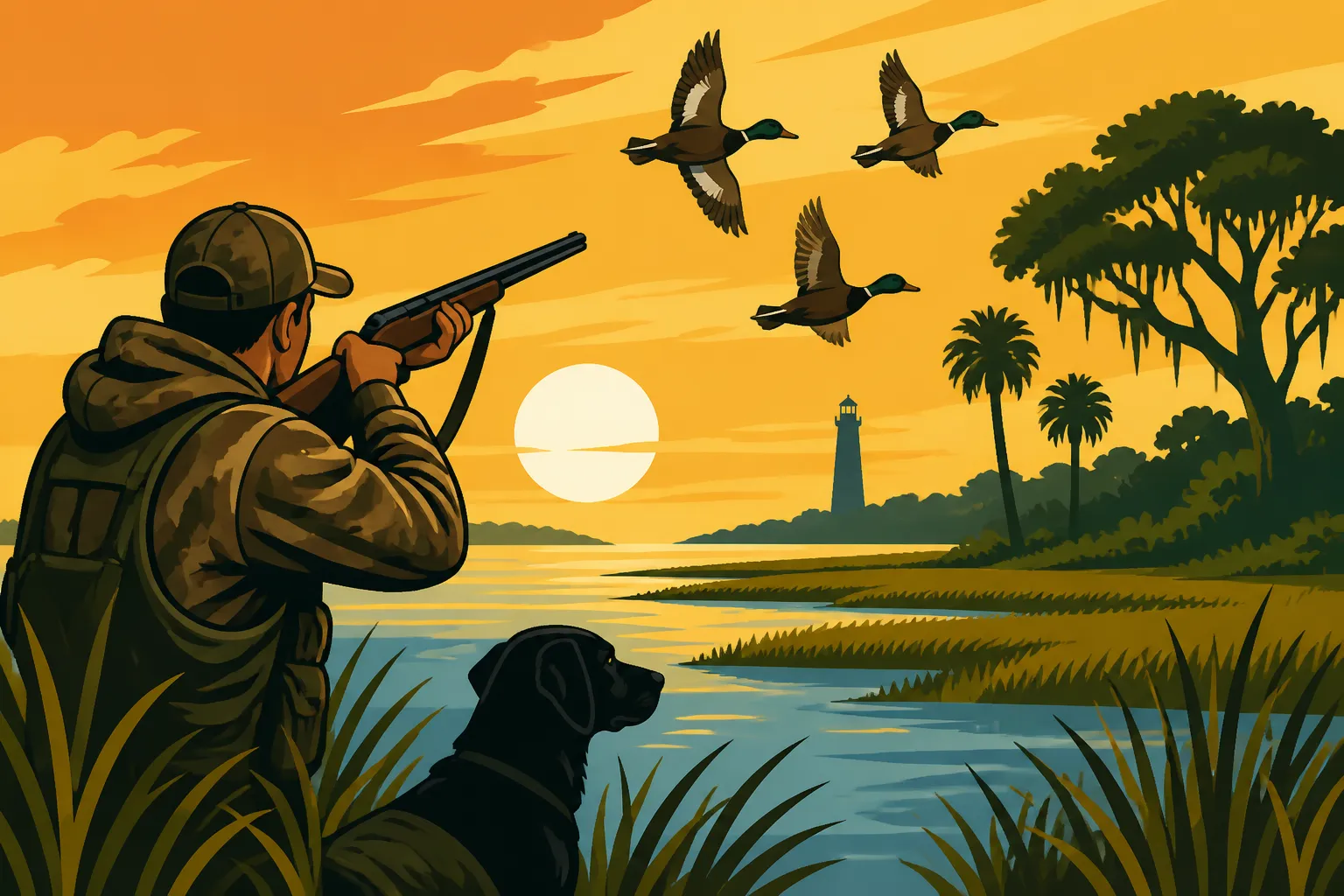
For many, waterfowl hunting is the quintessential coastal Georgia experience. The state's position on the Atlantic Flyway means a good variety of ducks, geese, and other migratory birds pass through or winter in these wetlands. You'll find opportunities ranging from jump-shooting wood ducks on small, hidden beaver ponds in the interior to setting massive decoy spreads for divers and dabblers on expansive tidal flats or managed impoundments closer to the coast. The tidal marshes are particularly productive, offering phenomenal teal and gadwall hunting during the right migrations.
Success in coastal waterfowl hunting often hinges on intimately understanding bird behavior, scouting regularly to identify current feeding and roosting patterns, and, crucially, knowing the tides. A perfect spread at high tide can become completely useless as the water recedes, leaving your decoys high and dry. Hunting Coastal Georgia Marsh Waterfowl delves deeper into the specifics of this exciting pursuit. Layout blinds, marsh boats, and plenty of effective decoys are standard gear for those targeting the larger, more open water bodies. Don't forget your federal duck stamp and Georgia Migratory Bird Certification!
Alligators: A Unique Coastal Hunt
Few hunting experiences in Georgia are as primal and exhilarating as an alligator hunt. The coastal region, with its extensive network of rivers, swamps, and marshes, is prime alligator country. This isn't a walk-in-the-woods type of hunt; it's typically a night affair, often conducted from a boat, and requires specialized gear and nerves of steel. Hunters usually spot alligators using bright lights, then approach to dispatch them with specific methods like a bangstick or harpoon, often permitted only after the animal is secured.
Georgia's alligator hunting is managed through a quota hunt system, meaning you'll need to apply for a tag and be selected to participate. This ensures sustainable management of the population while offering a challenging opportunity for hunters. These hunts are highly regulated regarding legal lengths, take methods, and reporting. If you're considering this incredible adventure, you'll want to thoroughly research Alligator Hunting in Georgia and especially Georgia Alligator Quota Hunt Rules. It’s a hunt that demands respect for the animal and strict adherence to safety protocols.
Other Small Game and Predators
Beyond the primary big game and waterfowl, coastal Georgia also offers opportunities for various small game and predator hunting. Feral hogs are a ubiquitous presence throughout the region, offering year-round hunting opportunities with very few restrictions, which is a blessing for landowners dealing with crop damage and a thrilling challenge for hunters. Feral Hog Hunting Year-Round in Georgia is a must-read if you're looking to target these destructive but delicious animals.
Coyotes are also prevalent, offering a chance to hone your predator calling skills. Their presence is felt across the landscape, and reducing their numbers can indirectly benefit other game species. For those who enjoy a faster-paced hunt, squirrel and rabbit populations thrive in the bottomland hardwoods and dense brush rows, providing excellent opportunities for a fun day afield with a .22 or a shotgun.
Unlocking Access: Public and Private Opportunities
Finding a place to hunt in coastal Georgia, with its mix of private plantations, expansive marshes, and numerous federal and state lands, can sometimes feel like solving a complex puzzle. However, with the right approach and a little perseverance, there are abundant opportunities for every type of hunter. It’s a matter of understanding the different land designations, application processes, and local customs.
Navigating Georgia's Wildlife Management Areas
Georgia's Wildlife Management Areas (WMAs) are critical resources for public land hunters, and the coastal region boasts several excellent options. These areas are specifically managed by the state for wildlife habitat and public recreation, including hunting. WMAs like Altamaha River, Sansavilla, and Griffin Ridge offer diverse habitats, from river bottomlands and swamps to pine forests, providing opportunities for deer, turkey, hogs, and even waterfowl. Each WMA has its own specific regulations, season dates, and sometimes even unique drawing requirements, so always consult the Georgia Department of Natural Resources (DNR) guidelines for the specific area you plan to hunt.
Using modern mapping tools like onX Hunt can be a game-changer when navigating WMAs. These apps allow you to see property boundaries, identify public versus private land, locate access points, and even scout terrain from your phone or computer. Given the dense and often confusing nature of coastal WMA boundaries and interior roads, a reliable GPS and mapping system is invaluable for staying safe and on track. Remember, some WMAs might require a Georgia WMA Access Stamp Requirement in addition to your regular hunting license.
Federal Lands and National Wildlife Refuges
In addition to state WMAs, coastal Georgia is also home to several National Wildlife Refuges (NWRs) that offer hunting opportunities. Places like the Okefenokee National Wildlife Refuge, while not strictly coastal, are a stone's throw away and share many ecological similarities. Others, like the Wassaw NWR or Harris Neck NWR, are directly on the coast or very near it, and sometimes offer special quota hunts for deer or waterfowl. These federal lands often have very specific and sometimes more stringent regulations than state lands, including special permits, hunt dates, and approved methods of take.
Access to NWRs often involves an application process and might be limited to specific hunt units or dates to minimize impact on sensitive ecosystems. It's crucial to research each refuge individually and apply well in advance if you're interested. These areas represent some of the most pristine habitats on the coast, offering a truly wild hunting experience, but they demand meticulous planning and respect for their conservation mission. For a more detailed look at a prominent nearby federal area, consider Hunting the Okefenokee Swamp Region.
The Allure of Quota Hunts and Special Draws
Many of the most sought-after hunting opportunities in coastal Georgia, particularly for species like alligators or on specific barrier islands, are allocated through quota hunts or special draws. This system allows the state to carefully manage harvest numbers and hunter pressure, ensuring sustainable populations and quality experiences. The application periods for these hunts are often specific and occur well in advance of the actual season.
Applying for a quota hunt often involves accumulating preference points over several years to increase your chances of drawing a desirable tag. Websites like the state's official wildlife resources division site or even research platforms like GoHunt can be invaluable for understanding the application process, deadlines, and success rates for various hunts. Don't get discouraged if you don't draw a tag on your first try; persistence and understanding the preference point system are key. For instance, successfully Applying for a Georgia Alligator Quota Permit often takes careful planning and knowing the application window.
Seeking Private Land Permission
While public lands offer fantastic opportunities, much of coastal Georgia's prime hunting ground remains in private hands, often as large timber tracts, agricultural fields, or historic hunting plantations. Gaining access to private land can unlock incredible hunting experiences, but it requires diligence, respect, and often, good old-fashioned networking.
Approaching landowners with a respectful demeanor, offering to help with property maintenance, or inquiring about leasing opportunities can sometimes open doors. Always ensure you have explicit permission before stepping foot on private property. Do You Need Written Permission in Georgia? is a question often asked, and while not always legally required for hunting, having it is always a good idea and shows respect to the landowner. Building a positive relationship with a landowner can lead to long-term access and a deeper connection to the land.
Essential Gear and Savvy Tactics for Coastal Hunting
Hunting coastal Georgia is a different beast compared to hunting in the mountains or the rolling hills of the Piedmont. The unique environment—characterized by high humidity, abundant water, dense vegetation, and a multitude of insects—demands specific gear choices and adaptable tactics. Ignoring these factors can quickly turn an exciting hunt into a miserable ordeal.
Beat the Heat, Humidity, and Bugs
The most immediate challenge for many hunters in coastal Georgia is the weather. Early archery season, for instance, often sees temperatures soaring into the 90s with humidity levels that make the air feel thick enough to chew. This isn't just uncomfortable; it's a safety concern, increasing the risk of heat exhaustion and affecting game preservation. Lightweight, moisture-wicking clothing is absolutely essential. Forget heavy cotton; think breathable synthetics or merino wool that will dry quickly and help regulate your body temperature. Layering is still important, even in warmer weather, for those early morning chills or unexpected cool fronts.
Beyond the heat, the insect population can be relentless. Mosquitoes, no-see-ums, and ticks are a constant presence, especially in swampy areas. Effective bug repellent, preferably with high DEET concentration or permethrin-treated clothing, is not just recommended but necessary for any extended sit or walk. Headnets and gloves can provide crucial relief, allowing you to focus on the hunt instead of swatting at bugs. And, of course, Snake Boots for Coastal Plain Walking are highly advisable, offering protection against the various venomous snakes that call these environments home.
Waterfowling and Alligator Specific Equipment
Different game calls for different gear, and nowhere is this truer than in coastal Georgia. For waterfowl, a good set of waders is non-negotiable. Whether you're setting decoys in a shallow tidal creek or pushing through flooded timber, reliable, leak-free waders that can withstand abrasive marsh grass and oyster shells are paramount. Lightweight marsh boats or even kayaks can be invaluable for accessing remote areas and transporting decoys. Decoy spreads should match the local bird populations and conditions; sometimes a small, simple spread is all you need for wary coastal ducks, while other times a large, diverse spread is key.
Alligator hunting, as mentioned, is in a league of its own for gear. Beyond a sturdy boat suitable for night navigation, you'll need powerful spotlights, harpoons with strong lines, and a means to dispatch the animal ethically and safely once secured. Specialized fishing tackle, including heavy-duty rods and reels, can also be part of the arsenal for snagging larger gators. The sheer power of these animals means every piece of equipment needs to be robust and well-maintained. Always have a thorough checklist and ensure everything is in working order before heading out.
Reading the Tides and Understanding Coastal Movements
Understanding the tides is arguably the most critical tactical element for many types of coastal hunting. The ebb and flow of the water dictate everything from animal movement to access points. For waterfowl, timing your hunt with the tides can mean the difference between birds landing in your decoys and being stuck on distant mudflats. Knowing when the water will be high enough to access certain creeks or when low tide will expose crucial feeding grounds for wading birds is vital. Many mapping apps, including onX Hunt, often incorporate tide charts or can be used in conjunction with them to plan your movements.
Deer and hogs in coastal areas also respond to tidal movements, particularly in marshy river bottoms or on islands. High tides can push animals out of low-lying cover onto higher ground, concentrating them in more accessible areas. Conversely, a rapidly receding tide can leave you stranded or make tracking difficult. Learning to "read" the water and the land for subtle signs of animal movement in relation to tidal stages will give you a significant edge. This often means waking up well before dawn to observe or scouting extensively during different tidal cycles. Reading a Tidal Marsh for a Morning Flight offers some excellent principles for understanding these dynamics.
Understanding Georgia's Coastal Hunting Regulations
Just like the tides, hunting regulations in Georgia, especially in specialized coastal environments, can ebb and flow. Staying informed and compliant is not just about avoiding fines; it's about being a responsible hunter and ensuring the continued health of our wildlife resources. The unique characteristics of coastal hunting often mean specific rules apply that might differ from inland hunting.
Licenses, Stamps, and Reporting Requirements
Before you even think about setting foot in a marsh or a maritime forest, you need to ensure your paperwork is in order. Every hunter in Georgia needs a valid hunting license. For residents, there are various options, from annual licenses to comprehensive Sportsman's Licenses that bundle multiple permits. Non-residents also have options, including short-term and annual licenses. Understanding Georgia Hunting Licenses and What They Cost is your first step.
Beyond the basic license, migratory bird hunters (which includes doves, ducks, and geese) must obtain a Georgia Migratory Bird Stamp and complete the Harvest Information Program (HIP) certification annually. This data is vital for wildlife management. For big game like deer, successful harvest often requires reporting through Georgia Game Check, typically within 24 hours of the kill. Alligator harvests have very specific checking and tagging requirements due to their quota nature. It's crucial to understand the reporting deadlines and methods for each species you pursue.
Specific Rules for Alligators and Migratory Birds
Alligator hunting is one of the most heavily regulated activities on the Georgia coast. As a quota hunt, not only do you need a permit drawn through the application system, but there are strict rules regarding the minimum legal length of the alligator, the methods of take (e.g., snagging, harpooning, with firearms only after securing the animal), and the specific zones and dates for the hunt. These regulations are designed to ensure hunter safety and the long-term sustainability of the alligator population. Always carry your permits and tags, and understand the immediate tagging requirements upon harvest.
Migratory bird hunting, while more common, also comes with its own set of detailed rules. Season dates, daily bag limits, and possession limits vary by species (ducks, geese, doves, marsh hens, etc.) and by zone. Baiting regulations are extremely strict for migratory birds, and ignorance is no excuse. Always check the current year's Georgia hunting regulations booklet, available online through the Georgia DNR, for the most up-to-date information on zones, dates, and limits. Additionally, non-toxic shot is required for hunting waterfowl, as lead shot can be harmful to birds that ingest it.
Blaze Orange, Safety, and Ethics
While not always required for archery-only seasons or for waterfowl hunting from a blind, knowing Georgia's blaze orange requirements is crucial, especially during firearms deer season. If you're on public land during firearms season, you'll generally need to wear a minimum amount of blaze orange (or blaze pink) visible from all sides. This is a critical safety measure, particularly in areas with dense cover where visibility can be limited. Always err on the side of caution when it comes to safety apparel. How Much Blaze Orange Georgia Requires provides the specifics.
Beyond regulations, ethical considerations are paramount in coastal hunting. This includes respecting private property boundaries, handling game humanely, and adhering to fair chase principles. In areas with high hunter pressure, such as some WMAs, leaving no trace, retrieving all your garbage (including spent shotgun shells), and being courteous to fellow hunters helps maintain a positive image for all. The fragile coastal ecosystems also demand a heightened sense of responsibility; avoid damaging sensitive habitats and always strive to leave the area better than you found it.
Conservation and Sustainable Practices
Hunting in coastal Georgia isn't just about the thrill of the chase; it's deeply intertwined with the responsibility of conservation. The unique and often delicate ecosystems of the lowcountry require thoughtful stewardship to ensure that these rich hunting opportunities endure for future generations. Understanding and participating in conservation efforts is a fundamental part of being a coastal Georgia hunter.
Protecting Sensitive Coastal Habitats
Coastal habitats—salt marshes, maritime forests, barrier islands, and estuaries—are incredibly productive but also highly vulnerable to environmental changes and human impact. These areas provide critical breeding grounds, nurseries, and feeding areas for countless species, not just the game we pursue. As hunters, we have a vested interest in protecting these places. This means being mindful of our footprint, avoiding disruption of sensitive nesting sites or fragile vegetation, and supporting initiatives that protect coastal lands.
Many state and federal agencies, along with private conservation organizations, work tirelessly to restore and maintain these habitats. This can involve prescribed burns to manage forest health, planting native vegetation, or controlling invasive species. By purchasing hunting licenses and special stamps, hunters directly contribute funds to these vital programs. Understanding how your hunting dollars support habitat work helps connect your individual pursuits to the broader conservation mission.
Ethical Hunting in High-Density Areas
Some coastal hunting areas, especially popular WMAs or public access points, can experience higher hunter densities. In these situations, practicing impeccable ethical behavior becomes even more important. This includes giving fellow hunters ample space, respecting their setups, and minimizing disturbance. If you see someone already set up in an area you were planning to hunt, politely move on to find another spot. Communication and courtesy go a long way in fostering a positive hunting community.
It also means being extra cautious with shot placement and thoroughly tracking wounded game. In dense coastal cover, a poorly placed shot can lead to a lost animal, which is an ethical failure. Patience and careful shot selection are paramount. Retrieving all spent shells and leaving no trash behind, even in remote areas, reinforces our role as responsible outdoors enthusiasts. This helps ensure continued access and acceptance of hunting as a valuable management tool.
Disease Monitoring and Wildlife Health
Maintaining healthy wildlife populations is a cornerstone of sustainable hunting. In Georgia, like many other states, ongoing monitoring for wildlife diseases is a constant effort. Chronic Wasting Disease (CWD) is a significant concern for deer populations, and while Georgia was fortunate to avoid a confirmed case for a long time, understanding Georgia's Chronic Wasting Disease Management Area and its implications is vital. This area, once established due to a confirmed case, has specific regulations regarding carcass movement and mandatory testing to prevent further spread.
Hunters play a crucial role in disease monitoring. If you harvest an animal that appears sick or exhibits unusual behavior, reporting it to the Georgia DNR is incredibly important. They can collect samples for testing, which helps track the health of the herd and implement necessary management strategies. Knowing Georgia CWD Testing for Hunters locations and procedures, especially if you hunt in or near a management area, contributes directly to the collective effort to keep our deer healthy and our hunting future secure.
Coastal Georgia offers a hunting experience that is as rich and diverse as its landscape. It demands respect, patience, and a willingness to adapt, but in return, it provides unparalleled opportunities for unique challenges and unforgettable memories. From the salt-laced air of the marshes to the ancient live oaks of the barrier islands, the lowcountry is a hunter's paradise, waiting to be explored by those who understand its rhythms.
| Game Species | Primary Coastal Habitat | Best Time to Hunt | Key Challenges |
|---|---|---|---|
| Whitetail Deer | Maritime forests, hammocks, wiregrass, river bottoms | Fall/Winter | Dense cover, humidity, insect pressure, heat |
| Waterfowl | Tidal marshes, estuaries, managed impoundments, beaver ponds | Late Fall/Winter | Tides, weather, decoy setup, access |
| Alligator | Rivers, swamps, marshes, canals | Late Summer/Early Fall | Night hunting, specialized gear, quota permit |
| Feral Hog | Anywhere with cover and food (ubiquitous) | Year-round | Nocturnal habits, intelligence, dense cover |
| Small Game | Bottomland hardwoods, brush rows, field edges | Fall/Winter | Dense cover, quick shots |
Disclaimer
This article is for general informational purposes only and does not constitute professional advice. Laws, prices and regulations vary by location and change over time. Consult a qualified professional for guidance on your specific situation.