How Many Feral Hogs Georgia Has
Feral hogs are a genuine menace across Georgia, damaging crops, tearing up sensitive habitats, and posing a constant threat to native wildlife populations. Many hunters and landowners often wonder just how many of these destructive animals roam our state, but arriving at a precise figure is incredibly difficult due to their elusive nature and rapid breeding cycles. This guide will delve into the challenges of estimating their population, highlight where they tend to concentrate, and discuss the significant impacts these resilient invaders have on our beautiful Georgia landscape.
Understanding Georgia's Feral Hog Population Estimates
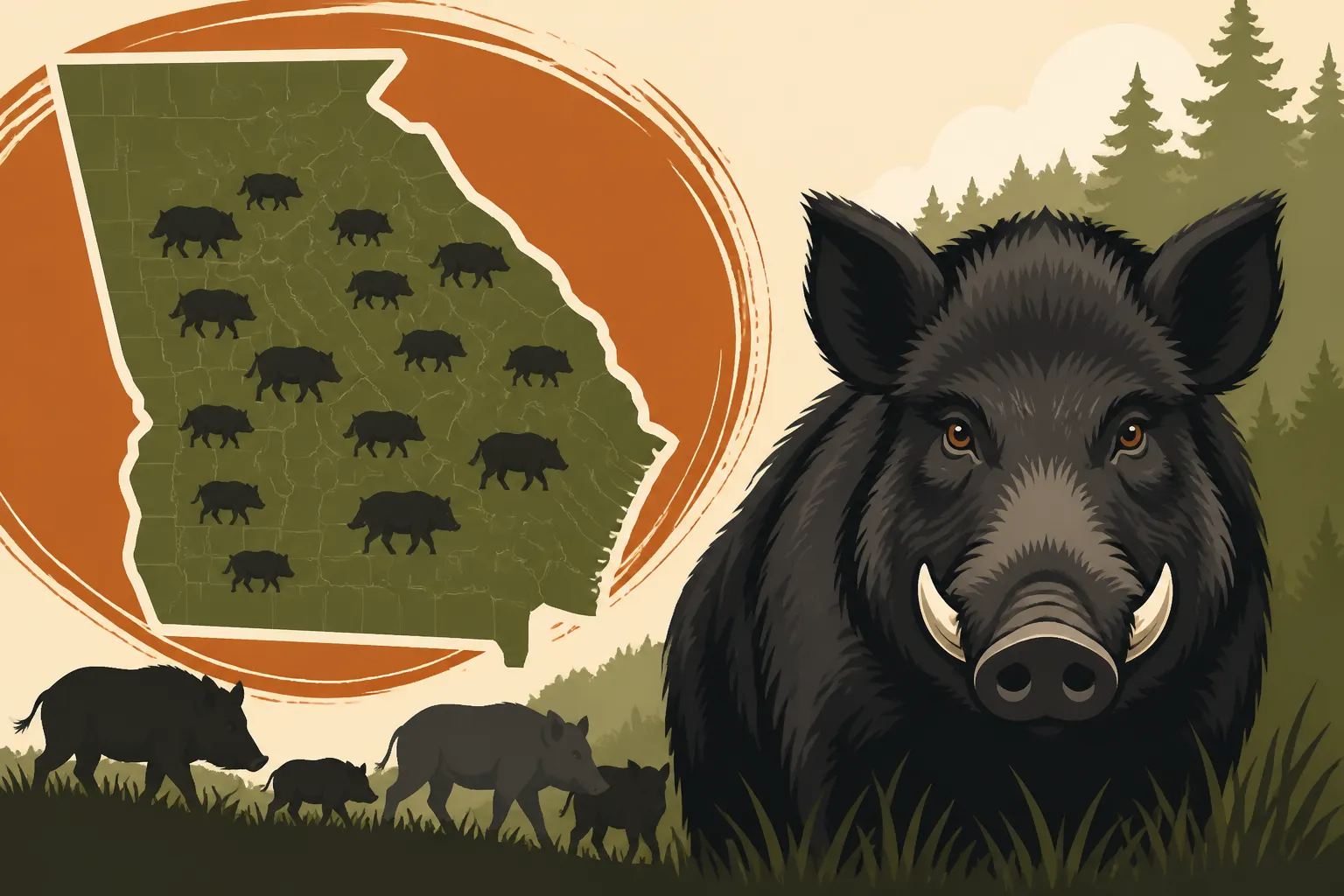
When we talk about how many feral hogs are in Georgia, we're not dealing with a neat, static number like a census count for people. Instead, we're looking at estimates, often ranging into the hundreds of thousands, if not more. These aren't just wild pigs; they're an invasive species that thrives in our state's diverse environments, from dense river bottoms to vast agricultural fields. Their populations are dynamic, constantly shifting based on food availability, hunting pressure, and, most significantly, their incredible reproductive capacity.
One of the biggest hurdles in getting an exact number is that there isn't a single, definitive statewide count. Wildlife agencies often rely on a combination of methods, including hunter harvest data, landowner reports, damage assessments, and specific research studies. These individual pieces of information are then pieced together to form a broader picture. For instance, if harvest numbers rise in a particular area, it suggests the population there is robust, but it doesn't tell you how many were left behind or how many went undetected. It's like trying to count raindrops in a thunderstorm – you can get a sense of the intensity, but an exact tally is practically impossible.
What we do know with certainty is that the number is substantial and has been growing for decades. Georgia's mild climate, abundant food sources, and expansive tracts of rural land provide an ideal environment for feral hogs to flourish. They've become so widespread that they're practically ubiquitous in many parts of the state, leaving a trail of destruction wherever they go. The sheer scale of the problem is something that impacts almost every corner of our state with huntable land, from the mountains to the coast.
The Challenges of Accurate Hog Census Taking
Pinpointing an exact figure for Georgia's feral hog population is a monumental task, riddled with complexities that traditional wildlife surveys simply can't overcome. These aren't animals that stand still for an aerial count or readily show up at bait stations for camera traps in consistent numbers. Their behavior, intelligence, and adaptability make them one of the most challenging species to track and quantify.
Firstly, feral hogs are incredibly secretive and nocturnal. While you might spot them rooting up a field at dawn or dusk, much of their activity occurs under the cover of darkness, making visual counts extremely difficult. They also have an uncanny ability to learn and avoid traps or areas with human presence. Hunters know this all too well; a sounder might disappear from an area for weeks after initial hunting pressure, only to reappear later. This makes consistent data collection for population estimates nearly impossible.
Secondly, their reproductive rate is astounding. A sow can breed as young as six months old and can have two litters a year, with an average of four to eight piglets per litter. Do the math, and a small group can explode in numbers in a very short amount of time. Even if you could get an accurate count today, that number would be outdated within months, if not weeks. This rapid turnover means that any population estimate is a snapshot in time that quickly loses its accuracy. This exponential growth is a primary reason for Why Feral Hogs Spread So Fast in Georgia.
Finally, the vast and varied terrain of Georgia contributes to the difficulty. From the dense pine plantations of south Georgia to the rugged river bottoms of the Piedmont and the thick forests of the mountains, feral hogs inhabit almost every habitat type imaginable. Each environment presents its own unique challenges for surveying, making a uniform, statewide methodology impractical. This constant movement and adaptation also mean that local populations can fluctuate wildly, further complicating any attempt at a definitive count.
Where Feral Hogs Concentrate Across the State
While feral hogs can be found in all 159 counties to some degree, their distribution isn't uniform. There are definite "hotbeds" where populations are denser and their impact more pronounced. Understanding these concentration areas is key for hunters and landowners looking to manage these animals effectively. Generally, these areas align with rich food sources, dense cover, and proximity to water.
South Georgia's Agricultural Belt and Swamplands:
This region is arguably where Georgia's feral hog problem is most acute. The expansive agricultural fields, particularly those growing corn, peanuts, and soybeans, provide an endless buffet for hogs. They can cause catastrophic damage to crops, often destroying entire fields overnight. Coupled with this, the vast network of swamps, river bottoms, and dense pine plantations offers ideal bedding and escape cover. Areas around the Altamaha River, the Flint River, and the Okefenokee Swamp are known strongholds. Hunters targeting these areas often find success focusing on Hunting Georgia Swamp and River Bottom Deer where hog activity will also be high. Farmers often grapple with Damage Feral Hogs Cause Georgia Farms in this region, making hog control a year-round battle.
Piedmont Region's Creek and River Drainages:
In the Piedmont, while large-scale agriculture might be less prevalent than in the Coastal Plain, the network of creeks, rivers, and mixed hardwood/pine forests provides excellent habitat. Hogs tend to follow these water corridors, using them for travel, water, and cover. Areas with a mix of timber and small agricultural plots or abandoned fields are particularly susceptible. You'll often find them rooting along creek banks or in low-lying areas. Landowners and hunters in these areas frequently report consistent hog activity. Scouting these creek bottoms, perhaps with mapping tools like GoHunt, can reveal prime locations for setting traps or ambushing hogs.
North Georgia's Mountain Foothills and Valleys:
While traditionally less associated with widespread hog problems compared to the southern and central parts of the state, feral hog populations are steadily growing in North Georgia. They tend to stick to the lower elevations, particularly in valley bottoms, around agricultural fields, and along the numerous small streams and rivers that flow through the mountains. Feral Swine Sightings in North Georgia are becoming more common, and while the terrain can be challenging, hogs are proving remarkably adaptable even to these environments. They may not be as dense as in the Coastal Plain, but their presence is certainly felt, especially by those trying to protect native habitats.
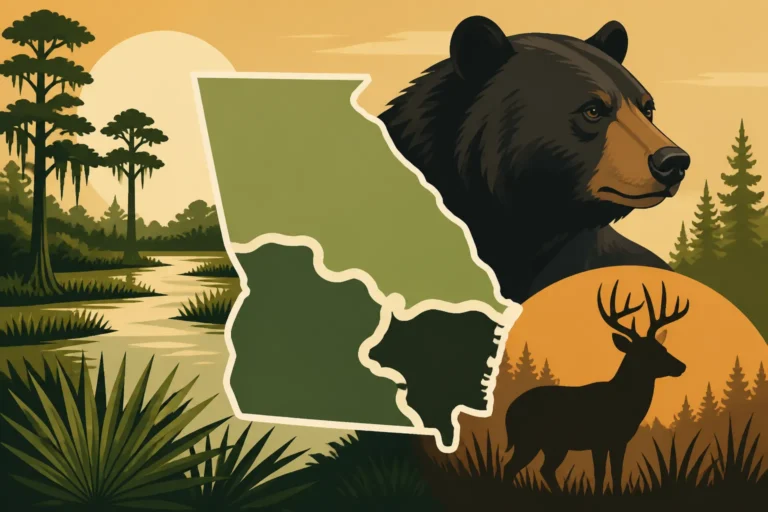
Here’s a general overview of regional concentrations:
| Georgia Region | Estimated Hog Presence | Typical Habitat | Common Impacts |
|---|---|---|---|
| Coastal Plain | Very High | Agricultural fields, vast swamps, pine forests | Severe crop damage, ecosystem disruption |
| Piedmont | High | River bottoms, creek drainages, mixed woodlands | Pasture damage, habitat destruction, property issues |
| Blue Ridge | Moderate (increasing) | Mountain valleys, stream corridors, remote forests | Forest floor disruption, limited crop damage |
| Upper Coastal Plain | High to Very High | Mixed agriculture, extensive river systems | Significant crop and habitat damage |
As you can see, the hog problem is truly a statewide issue, albeit with varying degrees of intensity. Knowing Which Georgia Counties Have the Most Hogs can help focus your efforts if you're looking to help control their numbers.
The Far-Reaching Impact of a Booming Feral Hog Population
The sheer number of feral hogs in Georgia isn't just an interesting statistic; it represents an ecological and economic crisis with far-reaching consequences. These animals are not native to North America, and as such, they lack natural predators that can keep their populations in check. This allows them to run rampant, fundamentally altering the landscapes they inhabit and causing billions of dollars in damage nationwide, with Georgia certainly taking a significant hit.
Ecologically, feral hogs are an absolute disaster. Their constant rooting behavior, where they use their powerful snouts to dig for food, turns over vast swathes of soil. This destroys plant communities, degrades water quality by increasing erosion and runoff into streams, and even impacts the growth of valuable timber species. This rooting can decimate the food sources of native wildlife, like white-tailed deer, turkeys, and even small game such as rabbits and squirrels. They're also known predators of ground-nesting birds and their eggs, including our beloved wild turkeys. The impact on delicate ecosystems, especially in sensitive wetlands and longleaf pine savannas, is profound and often irreversible.
Economically, the agricultural industry bears the brunt of the damage. Feral hogs consume or destroy millions of dollars worth of crops annually, from corn and peanuts to pecans and vegetables. They can tear through fences, damage irrigation systems, and contaminate water sources for livestock. For a farmer, a sounder of hogs can wipe out a season's worth of hard work in a single night. This financial burden is passed down through the food chain, ultimately affecting consumers. Beyond agriculture, property owners, even those in suburban-fringe areas, often deal with rooted-up lawns, gardens, and golf courses, leading to costly repairs.
Furthermore, feral hogs are notorious carriers of diseases and parasites that can be transmitted to livestock, wildlife, and even humans. While thankfully not highly prevalent in Georgia, diseases like brucellosis and pseudorabies are concerns for swine operations, and other pathogens like leptospirosis and E. coli can affect water sources. Managing these numbers is therefore not just about protecting nature or crops, but also about safeguarding public and animal health. Given these extensive issues, understanding and engaging in efforts to control these animals, perhaps through methods like Hunting Feral Hogs Over Bait at Night or Running Dogs on Georgia Feral Hogs, is more crucial than ever. Resources like GoHunt can help you understand the landscape and local regulations for control.
Strategies for Feral Hog Management
Given the immense challenges posed by Georgia's feral hog population, a multifaceted approach to management is essential. There's no single silver bullet, but rather a combination of strategies that, when implemented consistently, can help mitigate their numbers and reduce their destructive impact. These efforts require cooperation between wildlife agencies, landowners, hunters, and agricultural producers.
Hunting as a Control Method:
Recreational hunting plays a significant role in managing feral hog populations, primarily because Georgia has very liberal regulations concerning them. They can be hunted year-round, day or night, and with few weapon restrictions. This is a crucial distinction from regulated game species. Hunters contribute by removing individual animals, disrupting sounders, and creating pressure that can encourage hogs to move out of an area. While hunting alone cannot eradicate feral hogs due to their high reproductive rate, it can certainly help keep local populations in check, especially when combined with other methods. Many hunters consider Hunting Hogs Alongside Any Other Georgia Season an excellent way to make the most of their time afield, and with tools like thermal optics, Thermal Hunting Georgia Hogs at Night is a growing and effective method.
Trapping for Effective Removal:
For landowners and professional wildlife managers, trapping is often the most effective method for significantly reducing feral hog numbers, especially for removing entire sounders. Modern traps, often called "smart traps," can be remotely monitored and triggered via smartphone, allowing for the capture of multiple animals at once. The key to successful trapping lies in consistent baiting (often with fermented corn) to habituate hogs to the trap site before deploying and triggering the trap. This requires patience and careful observation, but the payoff in terms of animals removed is usually much higher than hunting alone. Learning about Baiting a Feral Hog Trap Site is a critical first step for this strategy.
Coordinated Regional Efforts and Education:
Effective management goes beyond individual efforts; it requires a coordinated approach across larger landscapes. This means neighboring landowners working together, sharing information, and potentially synchronizing their control efforts. Wildlife agencies often provide educational resources and workshops on best practices for hog control. Furthermore, understanding Georgia's specific Georgia Feral Hog Regulations is vital for anyone engaging in management activities, ensuring compliance and maximizing effectiveness. While the complete eradication of feral hogs from Georgia is an unlikely prospect, continuous, adaptive management through a combination of hunting, trapping, and coordinated regional efforts remains our best defense against this persistent and destructive invasive species.
Disclaimer
This article is for general informational purposes only and does not constitute professional advice. Laws, prices and regulations vary by location and change over time. Consult a qualified professional for guidance on your specific situation.