Hunting the Okefenokee Swamp Region
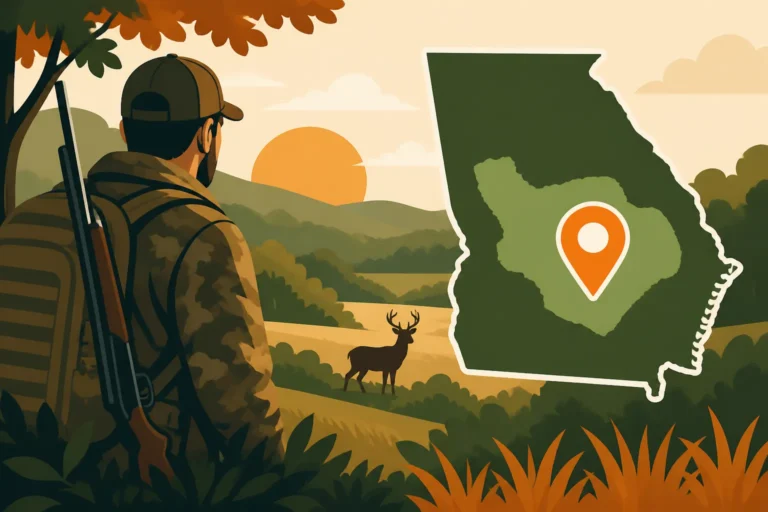
Hunting in Georgia's vast Okefenokee Swamp Region presents a unique and often daunting challenge, far removed from the typical deer woods or open fields many hunters are accustomed to. The sheer scale, the intricate waterways, the dense vegetation, and the ever-present wildlife can make even planning a trip feel overwhelming. This comprehensive guide is here to demystify the Okefenokee, offering you a realistic look at what to expect, how to prepare, and the best strategies for successfully pursuing game in one of Georgia's most wild and untamed landscapes.
Understanding the Okefenokee Swamp Region
The Okefenokee, often called the "Land of the Trembling Earth," is a truly remarkable natural wonder that sprawls across southeastern Georgia and into northern Florida. This immense freshwater swamp is unlike almost any other hunting ground in the state, demanding a different mindset, different gear, and a deep respect for its raw, untamed nature. It's a place where the landscape itself dictates the rules, and hunters must adapt to its rhythms.
Geography and Habitat
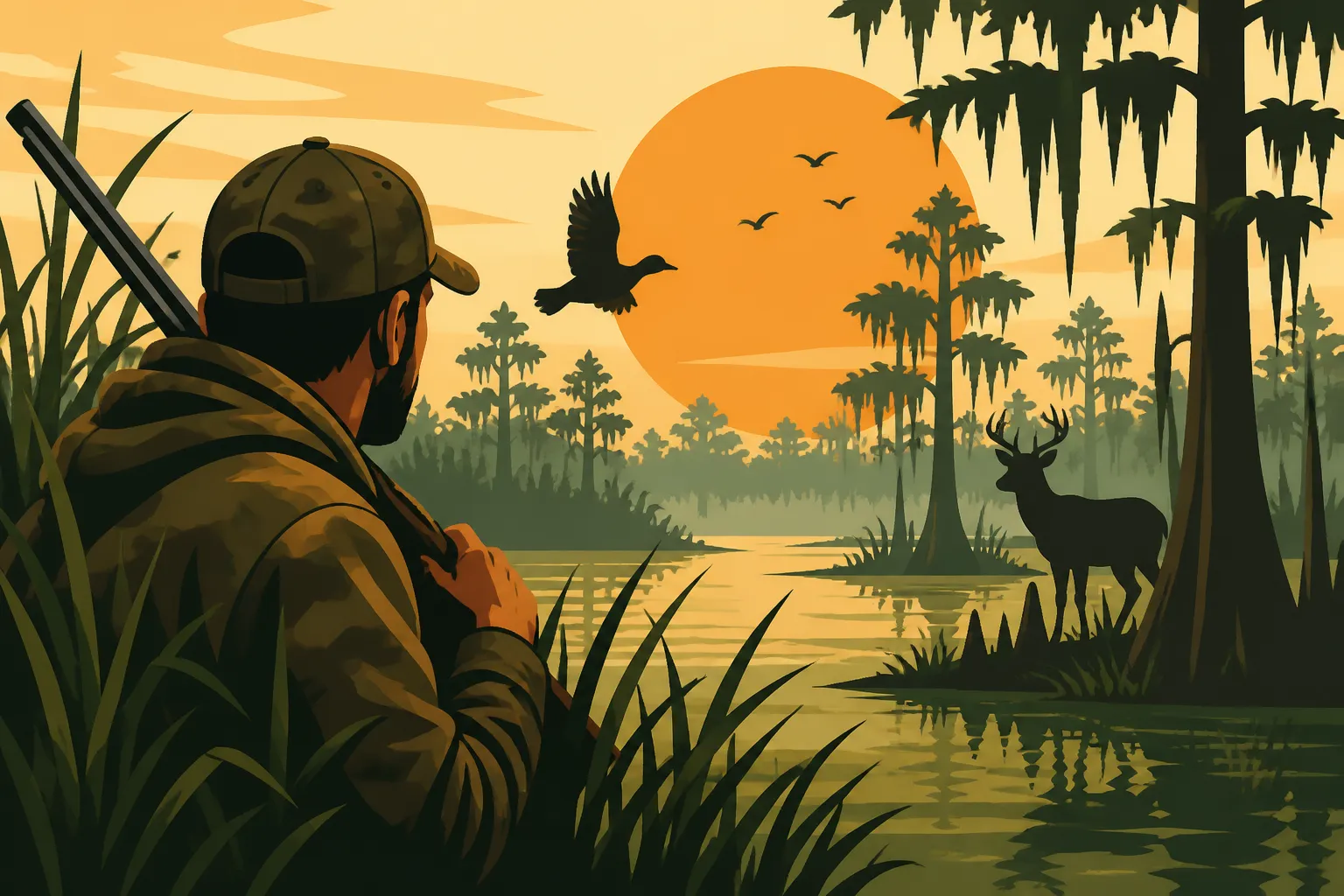
Imagine a mosaic of cypress forests, pine uplands, vast open prairies of sawgrass, and an intricate web of 'gator holes, sloughs, and blackwater creeks. That's the Okefenokee. Much of the swamp floor is actually peat, which can be surprisingly unstable, giving rise to its famous nickname. You'll find "islands" – some large enough to hold significant timber and wildlife, others mere hummocks barely rising above the waterline – that serve as crucial high ground for animals seeking refuge from floods or simply looking for a dry bed. These islands are often key targets for hunters, as they concentrate game in accessible areas. The dark, tannin-stained waters are home to an abundance of life, from the smallest insects to the largest alligators, creating an incredibly rich ecosystem. The fringes of the swamp often feature pine flatwoods, which transition into the deeper cypress and gum swamps, each presenting its own challenges and opportunities for the observant hunter. Navigating this complex terrain means you'll spend as much time pushing a boat or wading through water as you will walking on solid ground, if you find any at all.
Climate and Conditions
If you're planning a hunt in the Okefenokee, be prepared for extremes. Georgia's early archery season can see temperatures soaring, with intense humidity making every physical exertion feel magnified. The air hangs heavy, and the omnipresent mosquitoes and biting flies are a constant companion, especially during the warmer months. These aren't just a nuisance; they can be a real impediment to focus and comfort, making effective bug repellent and head nets an absolute necessity. As the seasons progress into fall and winter, the temperatures cool, offering a more comfortable hunting experience, but never underestimate the potential for a sudden cold snap or persistent rain. Water levels are another critical factor. Heavy rains can cause the swamp to swell, flooding traditionally dry areas and making access even more difficult. Conversely, prolonged dry spells can lower water levels significantly, creating new challenges for boat navigation but potentially concentrating game near remaining water sources. Always check forecasts and water reports before you head out, because the Okefenokee is a dynamic environment that can change dramatically in a short period.
Game Species and Hunting Opportunities
The Okefenokee's diverse habitat supports a surprisingly wide array of game species, though hunting them successfully here requires specialized knowledge and tactics. It's not a place for the faint of heart, but for those willing to embrace the wilderness, it offers some truly unique hunting experiences that are hard to replicate anywhere else in Georgia.
White-tailed Deer
Deer in the Okefenokee are a different breed. They tend to be smaller-bodied than their Piedmont or mountain cousins, a likely adaptation to the nutrient-poor soils and challenging environment. However, what they lack in size, they often make up for in cunning and adaptability. Finding deer sign here can be tricky, as the soft, wet ground rarely holds clear tracks, and dense undergrowth can obscure trails. Hunters often focus on the slightly elevated islands and hammocks within the swamp, as these provide crucial bedding and feeding areas. During high water events, deer will flock to these patches of dry ground, creating choke points and increasing the chances of an encounter. Scouting for these "high spots" and understanding how deer move between them is paramount. Hunting Georgia Swamp and River Bottom Deer will give you some valuable insights into the tactics that translate well to this watery environment. Patience is key, as is a willingness to penetrate the thickest cover where these swamp deer thrive.
Black Bear
Georgia actually has three distinct bear hunting zones, and the Okefenokee region falls within the Southern Bear Zone. Bear hunting here is typically done through specific quota hunts, which means you'll need to apply and be drawn for a permit. These hunts are highly sought after because the Okefenokee supports a robust population of Georgia's Black Bear Population. Bears thrive in the dense, remote reaches of the swamp, finding abundant food sources like palmetto berries, gallberries, and various nuts and tubers. Hunting bears in this environment is a true wilderness experience. Hunters often use still-hunting or spot-and-stalk tactics on the drier edges or pine islands, looking for fresh sign like scat, tracks, and rubbed trees. The cover is incredibly thick, so shots can be close and quick. Understanding the specific regulations for Hunting the Altamaha and Okefenokee Bear Zone is crucial, as they can differ significantly from other parts of the state.
American Alligators
Perhaps the most iconic species of the Okefenokee, American alligators are a highly regulated game animal in Georgia, hunted exclusively through a limited quota hunt system. If you're lucky enough to draw one of these coveted permits, you're in for an unforgettable adventure. American Alligators in Georgia are plentiful in the swamp, and hunting them often involves night expeditions from a boat, using a light to spot their glowing red eyes. The challenge lies in accurately estimating size – a legal alligator must be a minimum of 48 inches from snout to tip of tail – and then closing the distance to make a successful harvest. Methods typically involve harpoons, snatch hooks, or bowfishing gear to secure the animal before dispatching it. This is not a hunt for the faint of heart; it requires specialized equipment, a sturdy boat, and a strong crew. Make sure you're intimately familiar with Georgia Alligator Quota Hunt Rules before even thinking about applying.
Feral Hogs
If there's one species that hunters can pursue year-round in the Okefenokee, it's the feral hog. These destructive animals thrive in the swamp, reproducing rapidly and causing extensive damage to the fragile ecosystem. They are prolific, cunning, and tough as nails. Feral Hogs Across Georgia are found throughout the Okefenokee, often rooting up vegetation on the edges of islands or along sloughs. The year-round season offers incredible flexibility, allowing hunters to target them when other seasons are closed. Tactics can include still-hunting, ambushing them at water sources or rooting areas, or even using dogs in certain areas. Thermal imaging and night vision equipment have become popular for nighttime hog hunting, providing a distinct advantage in the dense cover. Be prepared for a challenging recovery if you drop a hog deep in the swamp; they are notoriously heavy and difficult to extract from the thick muck.
Waterfowl and Other Small Game
While deer, bear, and gators often steal the spotlight, the Okefenokee also offers opportunities for waterfowl and small game. The vast open prairies and numerous sloughs attract various duck species, particularly wood ducks, during migration. Georgia Waterfowl Hunting on Coast and Swamp can be incredibly productive, especially if you know where to set up. Jump-shooting beaver ponds or setting out decoys in hidden pockets of water can yield good results. For small game, squirrels and rabbits can be found on the drier islands and around the swamp's edges, offering a different pace of hunting. These hunts can be a great way to experience the Okefenokee without the intense preparation required for bigger game, and they're perfect for introducing new hunters to the unique environment.
Accessing Hunting Areas in and Around the Okefenokee
Gaining access to huntable land in and around the Okefenokee Swamp is often the first significant hurdle for many hunters. Due to its unique status as a protected wetland and national wildlife refuge, combined with surrounding private lands, understanding the regulations and entry points is crucial. Forget about just driving up and walking in; the Okefenokee demands careful planning and adherence to specific rules.
Okefenokee National Wildlife Refuge
The heart of the Okefenokee is primarily managed as the Okefenokee National Wildlife Refuge (NWR). This means that traditional hunting access is highly restricted and, in many areas, completely prohibited. The refuge's primary mission is conservation, so general public hunting seasons common elsewhere in Georgia do not apply. However, there are very limited, highly regulated quota hunts that take place within certain designated areas of the refuge, primarily for black bear and alligator. These hunts are incredibly competitive to draw a permit for, reflecting the unique opportunity they offer. If you are fortunate enough to be drawn, you will be given extremely specific rules regarding access points, methods of travel, and areas open to hunting. It's imperative to respect these regulations, as the refuge is actively patrolled, and violations carry serious penalties. Always check the official U.S. Fish and Wildlife Service website for the most current information regarding these specific hunt opportunities and application periods.
Nearby Wildlife Management Areas
While the Okefenokee NWR itself has limited access, the surrounding region of southeastern Georgia is home to several Wildlife Management Areas (WMAs) that offer excellent hunting opportunities, often mimicking the swampy conditions of the Okefenokee fringes. These WMAs are managed by the Georgia Department of Natural Resources (DNR) and provide public access for a variety of game species. The Altamaha River Wildlife Management Area, for example, offers similar river bottom and swamp hunting experiences, with deer, hogs, and waterfowl often being targeted. Other WMAs in the broader coastal plain region might feature pine flatwoods, cypress stands, and small swamps that share ecological characteristics with the Okefenokee. These WMAs require a Georgia hunting license and a WMA stamp, and hunters must adhere to specific WMA regulations, which can include sign-in requirements, designated parking, and unique season dates. Always consult the Georgia DNR's official hunting regulations booklet or their website for the most up-to-date WMA information, including maps and any special rules for specific hunts.
Private Land Considerations
Beyond the public land options, securing permission to hunt on private land surrounding the Okefenokee can open up additional opportunities. Many large timber companies and private landowners hold extensive tracts that abut the swamp or contain swampy features themselves. These lands can hold significant game populations, especially deer and hogs, which often move between the deep swamp and more accessible uplands. Gaining access to private land usually involves knocking on doors, forming relationships with landowners, or joining hunting clubs that lease these properties. When asking for permission, always be respectful, clearly state your intentions, and be prepared to offer assistance with property management in exchange for hunting privileges. If granted access, ensure you understand the landowner's specific rules, boundaries, and any expectations they may have. Always carry written permission if possible, to avoid any misunderstandings. Hunting private land near the Okefenokee offers a chance to escape some of the public land pressure and potentially find less disturbed game.
Essential Gear and Equipment for Swamp Hunting
Hunting the Okefenokee isn't like hunting anywhere else in Georgia. The environment itself demands specialized gear that can withstand constant moisture, thick mud, and intense heat or cold. Your packing list will look quite different from a mountain deer hunt, and scrimping on quality here can quickly lead to a miserable, or even dangerous, experience.
Watercraft and Navigation
A reliable form of watercraft is non-negotiable for serious Okefenokee hunting. Small jon boats, canoes, or kayaks equipped with a push pole are essential for navigating the shallow, cypress-choked waterways and sloughs. An airboat is ideal but largely out of reach for most recreational hunters. Your chosen craft needs to be durable, maneuverable, and quiet. Remember that motors are often restricted or prohibited in certain areas of the Okefenokee National Wildlife Refuge and some WMAs, so a sturdy push pole, and the strength to use it, will be your primary propulsion.
Beyond propulsion, navigation is paramount. The swamp is a labyrinth, and getting lost is a very real danger. A robust GPS unit or a reliable smartphone app with downloaded offline maps, like onX Hunt, is absolutely critical. These tools allow you to mark your entry and exit points, plot routes, and identify high ground or specific hunting locations. Always carry extra batteries or a power bank. A physical compass and paper map, protected from water, should also be part of your kit as a backup. The ability to pinpoint your exact location, especially in low light or heavy fog, can be a literal lifesaver. Before you head out, familiarize yourself with how to use GPS Units Versus Phone Apps effectively for navigating unfamiliar terrain.
Clothing and Protection
Your clothing choices must address the swamp's challenging conditions head-on. In warmer seasons, lightweight, breathable, and quick-drying layers are essential. Long sleeves and pants, even in scorching heat, offer critical protection against both the sun and the relentless insect hordes. Speaking of insects, a high-quality insect repellent, preferably with DEET or picaridin, is not just recommended, it's mandatory. You'll want Bug Repellent That Holds Up in a Tree Stand for those longer sits. Head nets, gloves, and gaiters can also provide an extra layer of defense against biting insects.
For footwear, traditional hunting boots simply won't cut it. Knee-high or even hip waders are often necessary, especially for traversing deeper sloughs or accessing islands. Rubber Boots for Swamp Walking are a good option for wet but not excessively deep conditions, offering protection and traction in the muck. Look for models designed for comfort during long walks. Snake boots are also a wise investment, as venomous snakes like cottonmouths are common throughout the swamp. Layering is important for cooler weather, focusing on synthetic materials that insulate even when damp and shed water quickly. Blaze orange, where required, should be highly visible and easily donned.
Firearms and Archery
Reliability is the name of the game when it comes to your weapon in the Okefenokee. Moisture, mud, and humidity can wreak havoc on firearms and bows. For rifles, stainless steel or corrosion-resistant finishes are highly recommended. A robust, simple action is often preferred over overly complex designs. Keep your optics protected with caps or covers, and consider a scope with good low-light performance for the dim conditions under the cypress canopy. For archery, ensure all moving parts of your bow are well-maintained and protected from moisture. Broadheads should be sturdy and reliable, capable of penetrating thick hide.
Carrying your weapon safely through dense brush and deep water is another consideration. A good quality sling for a rifle or shotgun is essential, allowing you to free your hands for pushing a boat or navigating obstacles. For bows, a bow case or cover will protect strings and cams from snags and mud. Whatever weapon you choose, practice with it in similar conditions if possible, understanding how the humidity and strenuous movement might affect your shot. And always, always ensure your firearm is unloaded and pointed in a safe direction when traversing difficult terrain or loading and unloading from a boat.
Hunting Strategies and Tactics for the Okefenokee
Successfully hunting the Okefenokee Swamp demands a strategic approach that acknowledges its unique challenges. You can't just apply generic hunting tactics here; you have to think like a swamp creature, adapting to the water, the cover, and the relentless humidity. This is a place where preparation meets improvisation, and humility is your best friend.
Scouting in a Wetland Environment
Forget long-distance glassing from a ridge top; scouting in the Okefenokee is an intimate, on-the-ground (or in-the-water) affair. Aerial maps, especially those found on apps like onX Hunt, are your first line of defense, helping you identify potential islands, sloughs, and high-ground corridors. Look for subtle changes in elevation, even a foot or two can make a massive difference for wildlife seeking dry ground. Once you're in the field, scouting involves looking for the most subtle signs: disturbed leaves where hogs have rooted, fresh rubs on cypress trees, droppings that haven't been washed away by the last rain, or faint trails leading to a water source or bedding area.
Water levels dictate everything. A small drop can expose new feeding grounds, while a rise can push game onto higher islands. Understanding these fluctuations, often by observing vegetation lines on trees or simply wading through the area, is critical. Focus your efforts on the edges of the swamp where uplands meet wetlands, or on the larger, more stable islands deep within. These "islands" become natural funnel points and sanctuaries. Keep an eye out for natural food sources like acorns, palmetto berries, or gallberries that can concentrate game. Remember, your boots (or waders) on the ground are irreplaceable for truly understanding the current conditions.
Still-Hunting and Stand Placement
Still-hunting in the Okefenokee is often a slow, methodical process, much like Still-Hunting South Georgia Pine Flats but with added water obstacles. The dense vegetation and soft ground can work to your advantage, muffling your footsteps and allowing for closer approaches. Move slowly, stopping frequently to listen and scan. The sounds of the swamp – croaking frogs, chirping birds, buzzing insects – can mask your approach, but also the sounds of game. Use the wind to your advantage, as thermals can be tricky in the dense canopy and along water bodies. Focus on navigating quietly through the least disturbed areas, always expecting an encounter around the next bend.
For stand placement, traditional treestands are certainly used on the larger, stable islands. However, portability and adaptability are key. Lightweight climbing stands or even saddle hunting setups work well if you can find suitable trees. Ground blinds, either natural or pop-up, can be incredibly effective when brushed into thick cover along a game trail or near a food source on a dry hummock. The challenge lies in finding trees sturdy enough to support a stand, especially in the deeper swamp where many trees are cypress or gum with irregular shapes. Always prioritize safety, especially when installing a stand over soft, uneven ground. Consider using permanent stands only on private land where you have landowner permission and can secure them properly.
Safety Considerations
Hunting the Okefenokee carries inherent risks, and a casual approach to safety can have severe consequences. Navigation is paramount: always know where you are and how to get back. Carry multiple navigation aids and communicate your plans with someone reliable who isn't with you. Wildlife encounters aren't limited to game; alligators are plentiful and demand respect. Maintain a safe distance, especially from nesting females or large males. Venomous snakes are common, making snake boots a crucial piece of gear.
The environment itself poses threats. The soft peat can be deceptively deep, leading to falls or becoming mired. Always test the ground ahead of you with a stick or push pole. Dehydration and heatstroke are real concerns during warmer hunts, so carry ample water and electrolytes. Hypothermia can set in quickly during cooler months if you get wet and the temperatures drop. A small, dry bag with essentials like a first-aid kit, fire starter, emergency blanket, and extra communication devices is a must. Hunting with a partner is highly recommended in this environment; there's safety in numbers when faced with the Okefenokee's wild grandeur.
Regulations and Permitting
Navigating the rules and regulations for hunting in the Okefenokee Swamp Region can feel like a maze, given its status as a unique ecological area with varied management. It's not a one-size-fits-all situation, and understanding the specific requirements for different game species and hunting areas is absolutely critical to a legal and ethical hunt. Never assume; always verify with official sources.
General Georgia Hunting License Requirements
Before you even dream of setting foot in the Okefenokee or its surrounding areas with a weapon, you'll need the appropriate Georgia hunting licenses. For most resident hunters, this will involve a basic hunting license, often bundled with a big game license if you plan to pursue deer or bear. A WMA stamp is required if you'll be hunting on any Wildlife Management Areas. For non-residents, the costs are higher, and there are various options ranging from annual licenses to shorter-term permits. Georgia Hunting Licenses and What They Cost can vary, so it's always best to check the current rates on the Georgia Department of Natural Resources (DNR) website or through the Go Outdoors Georgia platform. You can purchase licenses online or by phone. Remember, proof of your license must be carried on your person while hunting, whether that's a physical copy or an electronic version on your phone.
Specific Okefenokee Quota Hunts and Applications
As mentioned, hunting within the Okefenokee National Wildlife Refuge is primarily limited to special quota hunts for specific species like black bear and alligator. These hunts are a completely different animal (pun intended) than general season hunts. To participate, you must apply during a designated application window, and successful applicants are then drawn for a limited number of permits. This process is designed to manage harvest levels and minimize human impact on the fragile ecosystem.
Quota Hunt Application Process:
- Application Period: These typically occur well in advance of the actual hunt dates, so keep an eye on the Georgia DNR and U.S. Fish and Wildlife Service websites. Platforms like GoHunt often track these application windows and deadlines, which can be invaluable for planning.
- Preference Points: Some quota hunt systems utilize a preference point system, where unsuccessful applicants gain a point for future draws, increasing their odds over time.
- Permit Fees: If drawn, there will be a fee for the specific quota permit, in addition to your general hunting licenses.
- Specific Rules: Each quota hunt will have its own unique set of rules regarding dates, legal weapons, access points, and harvest reporting. For example, Georgia Alligator Quota Hunt Rules are very precise, covering everything from minimum legal length to acceptable harvest methods. It's your responsibility to read and understand every detail of these specific regulations.
Special Regulations
Beyond general licenses and quota hunt specifics, there are often additional regulations particular to hunting in a sensitive environment like the Okefenokee.
Table: Overview of Key Okefenokee Hunting Regulations & Considerations
| Game Species | Typical Hunting Method | Key Regulatory Aspect | Special Considerations |
|---|---|---|---|
| White-tailed Deer | Still-hunting, stand hunting | General state deer season rules, WMA-specific dates | Focus on high ground/islands; difficult tracking. |
| Black Bear | Quota Hunt only (Southern Bear Zone) | Strict application process, limited permits & dates | Check Hunting the Altamaha and Okefenokee Bear Zone for details. |
| American Alligator | Quota Hunt only (specific zones) | Highly regulated size, weapon, time, and location | Requires specialized gear and often night hunting. |
| Feral Hogs | Year-round, various methods | No closed season, no bag limit statewide | Can be hunted opportunistically during other seasons. |
| Waterfowl | Jump-shooting, decoy spreads | Federal migratory bird rules, HIP certification | Check federal duck stamp requirements; WMA specific rules. |
- Weapon Restrictions: Be aware of any specific weapon restrictions for certain areas or hunt types. For instance, some refuge areas might be archery-only, or there could be limitations on firearm calibers. Crossbow Versus Vertical Bow in Georgia might be a consideration, but always check if crossbows are allowed during all archery seasons in specific areas.
- Access Rules: Vehicle access is often highly restricted, especially within the refuge. You may need to utilize specific boat launches, and some areas may be designated for non-motorized access only.
- Harvest Reporting: All harvested game, particularly deer, bear, and alligator, must be reported according to Georgia DNR guidelines. For deer, this typically means reporting through the Georgia Game Check system within 24-72 hours. Bear and alligator harvests usually involve specific check-in stations or procedures due to biological data collection needs.
- Blaze Orange: Ensure you understand Georgia's How Much Blaze Orange Georgia Requires rules, even if you are archery hunting. During any firearms season, or even during certain archery seasons on WMAs, a minimum amount of blaze orange is often mandatory for hunter safety.
Always do your homework. The Okefenokee is a magnificent place to hunt, but it demands respect for its rules as much as for its wildness.
Disclaimer
This article is for general informational purposes only and does not constitute professional advice. Laws, prices and regulations vary by location and change over time. Consult a qualified professional for guidance on your specific situation.