Georgia’s Black Bear Population
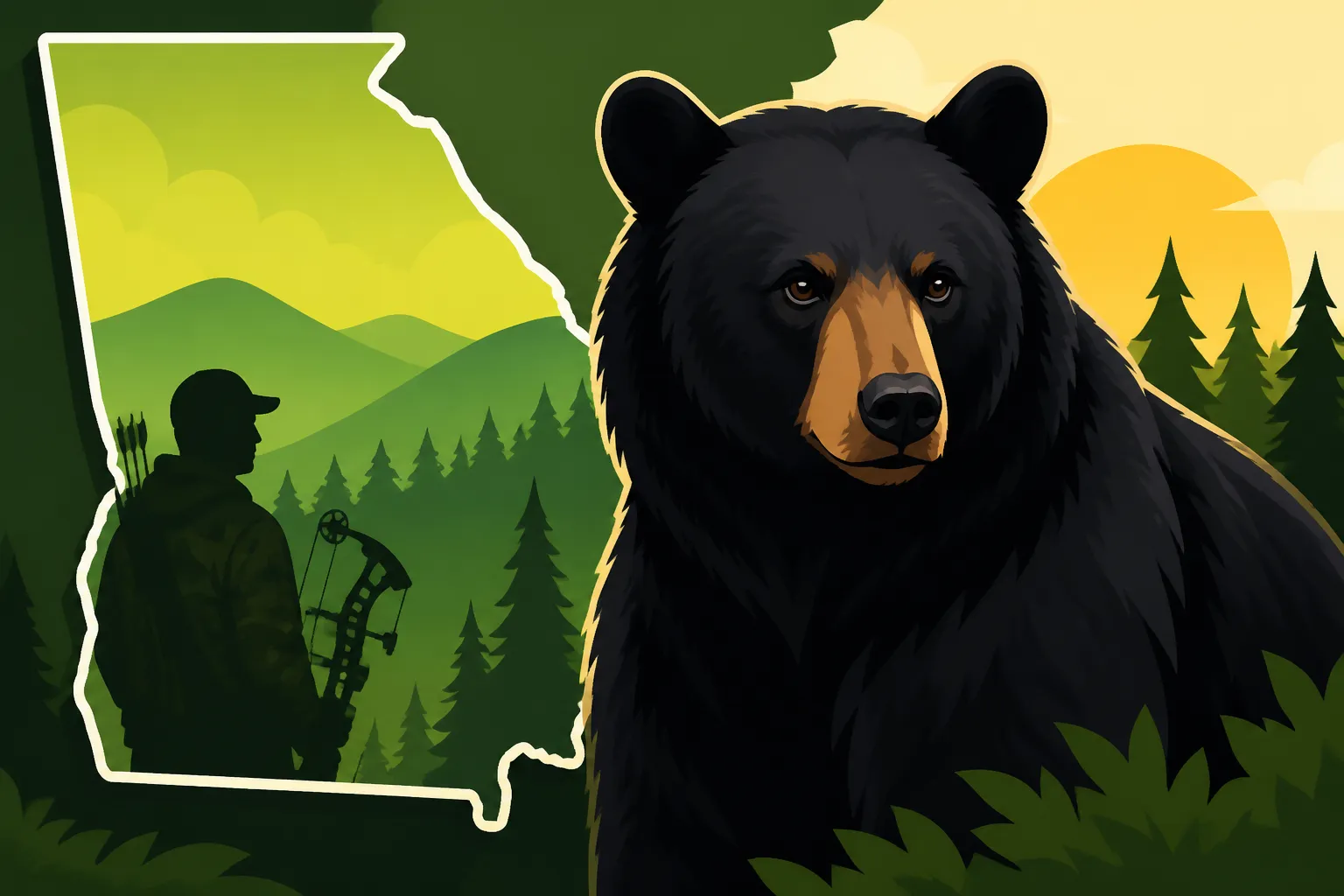
It can be incredibly challenging to understand the full picture of Georgia's black bear population, especially when their numbers are growing, and they're expanding into new areas. Many folks only hear about bear sightings on the news or stumble upon one unexpectedly, leading to a lot of questions about where they live, how many there are, and what it all means for both bears and people. This comprehensive guide will peel back the layers on Georgia's fascinating black bear population, from their historic comeback to their current distribution and the critical management efforts underway.
A Growing Presence: Understanding Georgia's Black Bear Population
For many years, black bears in Georgia were largely a ghost of the past, confined to the most remote corners of the state. It's tough to imagine now, but there was a time when encountering a bear was an incredibly rare event outside of the deepest mountains. Yet, thanks to dedicated conservation efforts and natural regrowth of critical habitats, these magnificent animals have made a remarkable comeback.
Historical Context and Recovery
Go back far enough in Georgia's history, and black bears were present in almost every county, from the mountains to the coast. However, rampant habitat destruction, unregulated hunting, and human encroachment through the 18th and 19th centuries pushed them to the brink. By the early 20th century, their numbers had plummeted drastically, and they were essentially extirpated from much of their historical range. Many Georgians alive today can remember a time when seeing a bear, even in the North Georgia mountains, was considered a once-in-a-lifetime experience. It wasn't just Georgia; this was a trend across much of the southeastern United States.
The tide began to turn in the mid-20th century with a growing conservation ethic and the establishment of wildlife management areas and national forests. As vast tracts of timber were replanted and allowed to mature, and as hunting regulations became more protective, bears slowly but surely started to reclaim their ancestral lands. The Chattahoochee National Forest in North Georgia, for instance, became a critical refuge and a cornerstone for their recovery, providing expansive, undisturbed habitat.
This slow but steady regrowth of forested areas, particularly in the northern reaches of the state, offered bears the dense cover, diverse food sources, and reduced human disturbance they needed to thrive. It wasn't an overnight success story, but rather a testament to decades of careful management and the inherent resilience of black bears. Comparing Georgia's current robust bear numbers to the dire predictions of a century ago is a powerful reminder of what dedicated conservation can achieve.
Current Population Estimates and Trends
Today, Georgia boasts a healthy and growing black bear population. While it's nearly impossible to get an exact headcount, the Georgia Department of Natural Resources (DNR) Wildlife Resources Division conducts extensive research, including telemetry studies and various sampling methods, to estimate population figures. These estimates confirm that bear numbers are on a significant upward trend, with the population not only growing within established ranges but actively expanding into new territories.
The most notable growth has been observed in the traditional strongholds like the mountains, but surprisingly, the coastal plain and even parts of the Piedmont have seen exciting increases. DNR studies indicate a stable to increasing trend across all three designated bear zones in the state: the Northern, Central, and Southern zones. This expansion isn't uniform; some areas are seeing more rapid colonization than others, often dictated by habitat availability and human population density.
Several factors contribute to this sustained growth. Abundant natural food sources, like acorns and berries, often provide a boom-and-bust cycle that bears adapt to. Critically, large expanses of suitable habitat remain, particularly in the national forests and vast swamp ecosystems. Furthermore, carefully managed hunting seasons ensure that harvest levels are sustainable, allowing the overall population to continue its upward trajectory. Of course, this growth isn't without its challenges, as expanding bear populations inevitably lead to more interactions with human communities.
Where the Bears Roam: Geographic Distribution Across Georgia
Georgia's landscape is incredibly diverse, and so too is its black bear distribution. You won't find bears everywhere, but where you do find them, their presence often speaks volumes about the unique habitat characteristics of that region. The DNR has specifically delineated three distinct bear zones to better manage these populations, each with its own quirks and challenges.
The North Georgia Mountains
When most Georgians think of black bears, their minds immediately drift to the rugged, heavily forested mountains of the northern part of the state. This region is the undisputed primary stronghold for Georgia's black bear population, boasting the densest concentrations of bears within the state. The continuous canopy of the Chattahoochee-Oconee National Forest provides an ideal, sprawling habitat for these animals, stretching across dozens of counties.
Counties like Rabun, Fannin, Union, and Towns are particularly renowned for their healthy bear populations. Here, bears navigate steep terrain, dense timber, and remote wilderness areas, making them elusive yet present. They thrive on the abundant food sources offered by the diverse mountain ecosystem, from early spring greens and berries to a crucial fall diet of acorns from oak species and hickory nuts. This consistent food supply, coupled with vast areas of undisturbed forest, allows the bear population to flourish.
The behavior of mountain bears is often characterized by their extensive movements through forested ridges and deep valleys. They are adept at finding refuge in remote pockets, but they will readily descend into lower elevations and even suburban fringes in search of food, especially during lean mast years. Encounters with bears are increasingly common for hikers, campers, and cabin owners in these areas, highlighting the need for vigilance and proper food storage. Learning about Hunting the North Georgia Mountain Bear Zone can offer deeper insights into this specific habitat.
The Central Georgia Ocmulgee Bear Zone
Moving south from the mountains, you encounter a truly unique and often overlooked segment of Georgia's black bear population: the Ocmulgee Bear Zone. This population is somewhat isolated, primarily concentrated along the Ocmulgee River corridor and its associated bottomland swamps and adjacent uplands. Unlike the contiguous forests of the north, this central population exists in a more fragmented landscape, surrounded by agriculture and developing communities.
Despite its more confined nature, the Ocmulgee population is a testament to the adaptability of black bears. Their numbers here are significantly smaller than in the northern zone, and their existence is heavily reliant on the protection offered by the Ocmulgee River National Wildlife Refuge and various state wildlife management areas within the corridor. Managing this population presents specific challenges due to habitat fragmentation and the proximity to human settlements and agricultural lands.
Bears in the Ocmulgee Zone are highly dependent on the river bottoms and swamps for cover and natural food. However, they are also known to venture into surrounding agricultural fields, particularly corn and pecan orchards, which can lead to increased human-bear conflicts. For hunters, opportunities in this zone are typically very limited, often relying on quota hunts due to the smaller population size and specific management goals aimed at sustaining this isolated group. Understanding Hunting the Ocmulgee Bear Zone is key for anyone interested in this distinct population.
The Southern Georgia Altamaha and Okefenokee Swamp Bears
The third major bear population in Georgia thrives in the vast wetlands and coastal plain of the southern part of the state, primarily encompassing the Altamaha River drainage and the sprawling Okefenokee Swamp region. This Southern Bear Zone represents a robust and expanding population, with bears continuing to spread into new counties across the lower coastal plain.
The sheer scale of the Okefenokee National Wildlife Refuge, a mosaic of cypress swamps, pine uplands, and blackwater rivers, provides an unparalleled habitat for bears. The Altamaha River corridor, a major blackwater river system, offers another crucial artery for bear movement and sustenance. These areas provide dense cover, abundant water sources, and a diverse array of plant and animal foods adapted to warm, humid environments. Interestingly, bears here often face unique challenges, such as interactions with alligators and adapting to extreme summer heat.
This southern population is perhaps the most dynamic in terms of expansion, with bear sightings becoming more common further east and west of their traditional swamp strongholds. As agriculture encroaches on the edges of these wild areas, bears learn to exploit crops like peanuts and corn, leading to a rise in human-bear interactions. For hunters, this zone often provides more liberal hunting opportunities than the Ocmulgee, but still requires careful planning and knowledge of the terrain. More detailed information on Hunting the Altamaha and Okefenokee Bear Zone can guide those interested in this unique hunting experience. These distinct regions underscore the importance of Georgia's Three Bear Hunting Zones in state wildlife management.
Life in the Peach State: Bear Behavior and Biology
Understanding the behavior and biology of black bears is crucial for appreciating their resilience and for fostering coexistence. These intelligent and adaptable animals have finely tuned their lives to the rhythms of Georgia's diverse landscapes, from the mountain forests to the coastal swamps.
Diet and Seasonal Foraging
Black bears are true omnivores, meaning their diet is incredibly diverse and changes dramatically with the seasons. This adaptability is a major reason for their success across such varied habitats in Georgia. They are opportunistic eaters, constantly searching for the most nutritious and readily available food sources.
In the spring and early summer, as bears emerge from their dens, they primarily seek out tender new vegetation, grasses, and forbs. This is also a critical time for protein, and they will readily consume insects, grubs, and even carrion. Spring can be a lean time, so bears are often seen turning over logs or rocks to find hidden snacks. They are also known to prey on vulnerable fawns and turkey poults during this period, contributing to their diverse diet.
As summer progresses, soft mast becomes a staple. Think blackberries, blueberries, wild cherries, and pawpaws. These sugary fruits provide essential calories as bears begin to put on weight for the colder months. Agricultural crops also become a major draw, especially in areas bordering farms. Bears will frequent cornfields, peanut patches, and pecan orchards, sometimes causing significant damage to crops.
The most critical foraging season for Georgia bears, however, is autumn. This is when hard mast, primarily acorns from various oak species and hickory nuts, ripens and falls. These high-calorie, high-fat foods are vital for bears to build up the thick layer of fat they need to survive winter denning. A poor mast year can have significant consequences for bear health, cub survival, and can also lead to increased human-bear conflicts as hungry bears venture closer to human settlements in search of food.
Reproduction and Denning Habits
The reproductive cycle of Georgia's black bears is a fascinating display of nature's efficiency. Breeding typically occurs in late spring to early summer, usually between May and July. However, black bears exhibit a unique biological phenomenon called delayed implantation. This means that after conception, the fertilized egg doesn't immediately implant in the uterus. Instead, it remains in a suspended state for several months.
Implantation only occurs in the late fall, usually around November, and only if the female bear has accumulated sufficient fat reserves during her intensive autumn foraging. If she hasn't gained enough weight, her body may reabsorb the embryo, ensuring that she doesn't expend energy on a pregnancy she can't sustain. This adaptation is crucial for survival in environments where food availability can fluctuate year to year.
Once implantation occurs, gestation is relatively short, and cubs are typically born in the winter den, usually in January or February. Born blind, helpless, and weighing only about half a pound, the cubs are entirely dependent on their mother. Typical litter sizes in Georgia range from one to three cubs, though two is common. Den sites vary widely but can include hollow logs, brush piles, rock crevices, or even simply a thick tangle of vegetation. The mother and cubs will remain in the den until spring, emerging when the cubs are larger and the weather is milder. Cub survival rates are highly dependent on the mother's health and the availability of food sources in the following spring and summer.
Movement Patterns and Home Ranges
Black bears are not static creatures; their movement patterns are driven by a complex interplay of factors, including food availability, mating opportunities, and pressure from human activity. Understanding these movements is critical for both conservation and public safety.
The size of a bear's home range can vary significantly. Generally, male bears tend to have much larger home ranges than females, often covering hundreds of square miles, especially during the breeding season as they search for mates. Female bears, particularly those with cubs, will typically maintain smaller, more defensible territories closer to reliable food sources. Habitat quality plays a huge role; in areas with abundant food and cover, home ranges might be smaller, while in sparser environments, bears may travel farther.
Young bears, particularly males, undertake a significant dispersal journey once they are pushed out of their mother's territory, usually around 1.5 to 2.5 years old. This dispersal is how new territories are established and how the bear population expands into new areas, often leading to surprising sightings in places where bears haven't been seen in decades. Tracking these movements, often through the use of GPS collars, provides invaluable data for wildlife biologists. When trying to understand bear movement across vast public lands or even smaller private tracts, tools like GoHunt can be incredibly valuable for overlaying habitat maps, identifying potential food sources, and even pinpointing likely travel corridors. Hunters looking for new opportunities, especially in the expanding zones, often turn to advanced mapping tools. Using platforms like GoHunt, you can analyze aerial imagery and topo maps to pinpoint areas of dense cover, water sources, and potential mast crop locations long before you ever step foot in the woods.
Managing Georgia's Black Bears: Conservation and Hunting
The healthy state of Georgia's black bear population is no accident; it's the result of decades of careful, science-based management by the Georgia DNR, balanced with the crucial role that regulated hunting plays in maintaining sustainable numbers.
Georgia DNR's Management Strategies
The primary goals of the Georgia Department of Natural Resources (DNR) in managing black bears are clear: to maintain a healthy, sustainable bear population across the state while simultaneously minimizing human-bear conflicts. This is a delicate balance, particularly as bears expand into areas with increasing human populations. DNR's approach is multi-faceted, combining research, habitat work, and public education.
Continuous research and monitoring are the backbone of this strategy. Biologists regularly conduct population surveys, use telemetry to track bear movements, study reproductive rates, and analyze harvest data to understand population trends and health. This scientific data informs all management decisions, ensuring they are based on the most accurate information available. Habitat protection and enhancement are also paramount, particularly in key bear ranges like the national forests and large swamp systems.
Beyond direct biological management, education and public awareness campaigns are critical. As bears move into new areas, educating residents on how to live responsibly with bears—by securing attractants, for instance—becomes increasingly important to prevent conflicts. The DNR actively collaborates with federal agencies like the U.S. Forest Service (USFS) and private landowners to ensure a holistic management approach that crosses jurisdictional boundaries.
Bear Hunting Seasons and Regulations
Regulated bear hunting is a vital tool in Georgia's bear management strategy, helping to control population growth and distribution, especially in areas where numbers are robust and expanding. Unlike deer season, which runs for several months, bear hunting seasons in Georgia are typically very short, often only a few days or weekends, reflecting the more conservative approach to managing this species.
The seasons are specifically tailored to the three bear zones: North, Central (Ocmulgee), and South (Altamaha/Okefenokee). The Northern Zone usually has both archery and firearms opportunities, often in the late fall. The Central Zone and Southern Zone hunts are much more limited, often just a single weekend or a few days, due to the smaller or more sensitive populations in those areas. It's crucial for hunters to be aware of the specific dates and regulations for each zone, as they can vary significantly year to year.
Regulations also dictate legal weapon types, with specific requirements for firearms calibers and archery equipment. All harvested bears must be reported to the DNR, and many require physical checking at designated stations or through the online Game Check system. This mandatory reporting provides critical data for population monitoring and helps the DNR assess the effectiveness of their management strategies. Strict adherence to Georgia Bear Checking Requirements ensures this vital data is collected accurately.
Understanding Bear Harvest Trends
Analyzing bear harvest data is a cornerstone of the Georgia DNR's management plan. This data provides invaluable insights into population health, distribution, and response to hunting pressure. Each year, the DNR compiles statistics on the number of bears harvested, their age, sex, and location of harvest.
Harvest numbers can fluctuate year to year, often influenced by factors such as the abundance of natural food sources (especially acorns), weather conditions during the hunting season, and the overall hunter effort. For example, a year with a bumper acorn crop might see bears less likely to move extensively, potentially leading to a lower harvest. Conversely, a poor mast year could drive bears to seek food more widely, potentially increasing their vulnerability to hunters.
Over time, these trends reveal the bigger picture. Sustained increases in harvest numbers, alongside other population indicators, signal a growing and healthy bear population capable of withstanding regulated hunting. Conversely, a decline might prompt biologists to adjust season lengths or bag limits. This adaptive management approach ensures that bear hunting remains sustainable and contributes positively to the overall conservation of the species. Reviewing data on Georgia Bear Harvest Trends can provide a deeper understanding of these population dynamics.
Human-Bear Interactions: Challenges and Coexistence
As Georgia's black bear population continues to expand and thrive, encounters between bears and humans are becoming more frequent. While often fascinating, these interactions can also pose challenges for both residents and wildlife managers.
Nuisance Bears and Property Damage
The expansion of Georgia's bear population inevitably leads to increased contact with human communities, and unfortunately, this can sometimes result in nuisance bear behavior. Bears are incredibly intelligent and opportunistic, and they quickly learn that human residences and farms can be easy sources of high-calorie food.
Common nuisance activities include raiding unsecured garbage cans, overturning bird feeders, consuming pet food left outdoors, and even tearing down beehives. On agricultural lands, bears can cause significant economic damage by feasting on corn, peanuts, and other crops. While these situations are typically non-aggressive, they can be unsettling for homeowners and costly for farmers. The primary driver for such behavior is usually hunger, especially during periods of natural food scarcity.
The increasing frequency of these encounters, particularly in suburban areas that were historically bear-free, highlights the need for a proactive approach to coexistence. Many residents find themselves unprepared for what to do when they have a bear in their yard. For those living in or near bear country, it's essential to understand how to prevent these issues before they start. Reports of Bear Encounters Around North Georgia Cabins are a prime example of such interactions where preventive measures are key.
Minimizing Conflicts: Best Practices for Residents and Hunters
Living with bears doesn't have to be a constant struggle. By adopting simple, proactive measures, both residents and outdoor enthusiasts can significantly reduce the likelihood of negative human-bear interactions. It's all about making your property and recreational areas less attractive to hungry bears.
For homeowners, "bear-proofing" your property is paramount. This means securing all garbage in bear-resistant containers or keeping it indoors until collection day. Bring in pet food, bird feeders, and even barbecue grills after use. Store livestock feed in secure sheds, and consider electric fencing for beehives or sensitive crops. These actions eliminate easy food rewards, discouraging bears from lingering near homes. If you do encounter a bear, remember to never approach it. Instead, make noise, wave your arms to appear larger, and back away slowly. If the bear doesn't leave, retreat into a building. Carrying bear spray is a good idea for those recreating in remote bear country.
Hunters also play a role in responsible coexistence. Proper disposal of gut piles away from public access points and trails is important. If you're camping while hunting, follow bear-safe food storage practices. By preventing bears from associating humans with easy food, we help maintain their natural wild behavior, which benefits both bears and people. Educating visitors, particularly in high-tourism areas of North Georgia, about these simple steps is also vital.
The Future of Georgia's Bear Population
Looking ahead, Georgia's black bear population is poised for continued growth and expansion. As their numbers increase and they push into new territories, wildlife managers anticipate that bears will continue to colonize areas previously thought to be outside their range, including more suburban fringes. This ongoing expansion may lead to discussions about adjusting hunting zones, season lengths, or bag limits to adapt to the changing demographics of the bear population.
The biggest challenge facing the long-term health of Georgia's bears is habitat fragmentation caused by urban sprawl and development. While bears are incredibly adaptable, they still require large, connected tracts of suitable habitat for foraging, denning, and dispersal. Protecting these critical corridors and educating new residents about coexistence will be paramount. Ongoing research by the DNR, coupled with adaptive management strategies, will be crucial for navigating these complexities.
Ultimately, the future of black bears in Georgia hinges on a collaborative effort. Continued public support for conservation initiatives, responsible land management practices, and a commitment from residents to minimize conflicts will ensure that these magnificent creatures remain a vibrant part of Georgia's natural heritage for generations to come. Whether you're an avid hunter utilizing tools like GoHunt to find prime bear habitat or simply a homeowner looking to secure your trash, your actions contribute to this shared future.
Georgia Black Bear Zone Overview
To help visualize the distinct characteristics of Georgia's black bear populations, here's a brief overview of each zone:
| Feature | North Georgia Mountains Zone | Ocmulgee River Corridor (Central) Zone | Altamaha/Okefenokee (Southern) Zone |
|---|---|---|---|
| Primary Habitat | Chattahoochee-Oconee National Forest, vast hardwood/pine forests, steep terrain. | River bottom swamps, isolated forest tracts, agricultural interfaces. | Expansive wetlands, cypress swamps, pine uplands, coastal plain. |
| Population Density | Highest in the state, well-established and robust. | Smallest and most isolated population, growing slowly. | Large and rapidly expanding population. |
| Hunting Season Length | Generally longer (archery/firearms), often several weeks/weekends. | Very limited, typically a short weekend quota hunt. | Limited, often a few weekends or a short period. |
| Key Food Sources | Acorns, hickory nuts, berries, insects, spring greens. | Acorns, swamp vegetation, agricultural crops (corn, pecans). | Palmetto berries, gallberries, acorns, agricultural crops (peanuts, corn). |
| Human Interaction | Increasing encounters near cabins, trails, and suburban fringes. | Occasional interactions, especially with agriculture. | Increasing encounters with suburban development and farms. |
| Management Focus | Sustainable harvest, conflict mitigation, habitat protection. | Population growth, habitat connectivity, limited harvest. | Population expansion, conflict mitigation, monitoring. |
Disclaimer
The information provided in this guide is for general informational purposes only and is not intended as legal advice or as a definitive interpretation of Georgia hunting regulations. Hunting laws and regulations, including those pertaining to black bears, can change frequently. Always consult the official Georgia Department of Natural Resources (DNR) Wildlife Resources Division website or current hunting regulations guide for the most up-to-date and accurate information before planning any hunting activity or making decisions based on this content.