Reporting a Sick Animal in Georgia
It's never a good feeling to stumble across a sick or deceased animal in the wild, especially when you're out enjoying Georgia's incredible natural spaces. Your first thought might be, "What happened?" but quickly that turns into, "What should I do now?" This guide is here to walk you through the proper steps for reporting sick or deceased wildlife in Georgia, ensuring you know how to contribute to the health of our animal populations and keep yourself safe.
Why Reporting Sick or Deceased Wildlife Matters
Seeing an animal that's clearly unwell or has passed away can be quite unsettling. Beyond the immediate concern for the individual animal, reporting these sightings is a crucial step in understanding and managing the broader health of Georgia's wildlife populations. It's not just about a single deer or turkey; it's about the bigger picture of disease transmission and ecological balance across the state.
Protecting Georgia's Healthy Wildlife Populations
When you report a sick or deceased animal, you're essentially providing a vital data point to wildlife biologists and health officials. This information helps them track the spread of diseases that could potentially decimate local populations. Imagine a highly contagious illness spreading through a deer herd; early reporting can lead to quicker intervention, potentially containing the outbreak before it becomes a widespread catastrophe. Your report could be the first clue that something is amiss, triggering investigations that safeguard the health of countless other animals. This collective effort is what helps keep our woods and waters thriving for future generations of hunters and outdoor enthusiasts.
Ignoring a sick animal could have cascading effects, impacting not only the target species but also other animals that prey on or scavenge the infected carcass. It's a complex web, and every piece of information helps biologists understand the dynamics at play. We all want to see healthy, robust game populations, and your diligence in reporting is a key part of that ongoing conservation work.
Understanding Disease Outbreaks and Their Spread
Wildlife diseases are a constant threat, and some, like Chronic Wasting Disease (CWD), can have devastating, long-term impacts. When an animal exhibits unusual behavior or dies without an obvious cause, it could be a sign of a disease that researchers need to monitor closely. Your report provides boots-on-the-ground intelligence that laboratory analyses can then confirm. This scientific understanding is vital for developing management strategies, such as specific hunting regulations or carcass movement restrictions, designed to slow or stop the spread of disease. Knowing what's happening where allows the Georgia Department of Natural Resources (DNR) to respond strategically.
For instance, understanding the spread of diseases like CWD is paramount. We've seen How CWD Reached South Georgia in recent times, and monitoring sick animals is a critical component of preventing further spread. Without regular reports from the public, wildlife agencies would be working with significant blind spots, making it far harder to protect our valuable natural resources. It's a collaborative effort between the public and scientific experts.
How to Report a Sick or Deceased Animal in Georgia
So you've found an animal that concerns you. Don't just walk away wondering what to do. Taking the right steps ensures your information is useful and that you stay safe. It's important to remember that direct contact with sick or dead animals can pose health risks to you, your pets, or livestock. Always prioritize your safety and observe from a distance.
Essential Information to Gather Before Reporting
Before you pick up the phone or send an email, take a moment to collect as much detail as you safely can. The more specific you are, the more helpful your report will be to wildlife officials. Here's a checklist of what to look for:
- Location, Location, Location: This is arguably the most critical piece of information. Provide the exact location. If you're on public land, note the WMA name, trail name, or forest road number. On private land, give the address or nearest crossroads. GPS coordinates are incredibly valuable if you have them from your phone or a device like a GoHunt app. Pinpointing the exact spot saves wildlife officers immense time and effort.
- Species of Animal: Is it a deer, a raccoon, a bird of prey, a turkey, or something else entirely? Different diseases affect different species, so identification is key.
- Condition of the Animal: Describe what you're seeing. Is it alive but acting strangely (stumbling, disoriented, aggressive, unresponsive)? Or is it deceased? If deceased, how long does it appear to have been dead? Are there any visible injuries, lesions, or unusual growths? Is there any discharge from its eyes or nose? Be as detailed as possible without touching the animal.
- Date and Time of Observation: This helps establish a timeline for potential disease progression or time of death.
- Your Contact Information: Provide your name, phone number, and email address so officials can follow up if they need more information or clarification.
| Information to Collect | Details to Note (Observe Safely) |
|---|---|
| Exact Location | GPS coordinates, street address, nearest intersection, WMA name and specific spot (e.g., "near mile marker 3 on Forest Road 107 in the Chattahoochee National Forest," or "back forty, third pine row from the south fence line"). |
| Animal Species | Deer (buck, doe, fawn?), turkey (gobbler, hen?), raccoon, fox, bird (what kind?), etc. |
| Animal Condition | Alive: Stumbling, disoriented, drooling, lethargic, aggressive, circling, paralyzed, unusual posture, visible tremors. Deceased: Apparent cause of death (if any), body condition (emaciated, bloated), visible injuries (trauma, bite marks), discharge, lesions, foaming at mouth, flies/maggots. |
| Date & Time of Observation | When exactly did you see it? |
| Your Contact Info | Name, phone number, email (for follow-up questions). |
Who to Contact and What to Expect
Once you have your information, it's time to make the report. In Georgia, the primary point of contact for sick or deceased wildlife is the Georgia Department of Natural Resources (DNR).
- Georgia DNR Wildlife Resources Division: This is your main resource. You can typically find regional office contact information on their website. It's often best to call during business hours if the situation isn't urgent. For an immediate, time-sensitive concern involving public safety (e.g., a visibly rabid animal near a populated area), you might need to use an emergency line.
- Ranger or Game Warden: If you're on a Wildlife Management Area (WMA) or other public land, you might have specific contact numbers for the local ranger or WMA manager. Checking the specific WMA page on the DNR website or using a mapping app like GoHunt to find contact info for that area can be efficient. These individuals are often on the ground and can respond quickly.
- Local Law Enforcement (in emergencies): If you encounter an animal that appears to be rabid or is acting aggressively in a populated area, and you cannot reach DNR immediately, contact your local sheriff's office or police department. They can assess the public safety risk and coordinate with wildlife officials.
- Georgia Wildlife Disease Monitoring: The DNR actively monitors several diseases. Knowing which diseases are currently a concern, such as Georgia's Chronic Wasting Disease Management Area or Avian Influenza in Georgia Birds, might help you understand the urgency of your report.
When you contact them, be prepared to calmly and clearly provide all the information you gathered. They will likely ask follow-up questions. Depending on the species, location, and nature of the illness, the response might vary. For example, a common deer illness like EHD might result in a data point being logged, while a suspected CWD case will trigger a more immediate investigation and carcass collection for testing. You might be asked to wait for an officer to arrive, or simply to note the location and let them handle it from there.
Common Wildlife Diseases Monitored in Georgia
The Georgia DNR keeps a close eye on various wildlife diseases that can impact both animal populations and, in some cases, human health. Your reports are invaluable in this ongoing monitoring effort. Understanding some of the more prevalent issues can help you recognize concerning signs.
Chronic Wasting Disease CWD Concerns
Chronic Wasting Disease (CWD) is a neurological disease affecting cervids, primarily deer, elk, and moose. It's always fatal and is a major concern for wildlife managers across North America. Georgia has been proactive in monitoring for CWD, and unfortunately, it has been detected in some areas. The concern with CWD is not only its fatality but also its ability to persist in the environment for extended periods. When you see a deer acting unusually—stumbling, drooling, showing extreme emaciation, or generally looking "sick"—especially in areas like Which Four Counties Sit in the CWD Zone, it's critical to report it immediately.
The DNR has established Georgia's Chronic Wasting Disease Management Area specifically to address and contain any outbreaks. Hunters in these areas have Mandatory Testing Inside Georgia's CMA for harvested deer. Your report of a sick or dead deer could be the first indication of a new CWD case, triggering vital responses from wildlife officials. It's a disease that demands our utmost attention and cooperation.
Rabies Risks and Public Safety
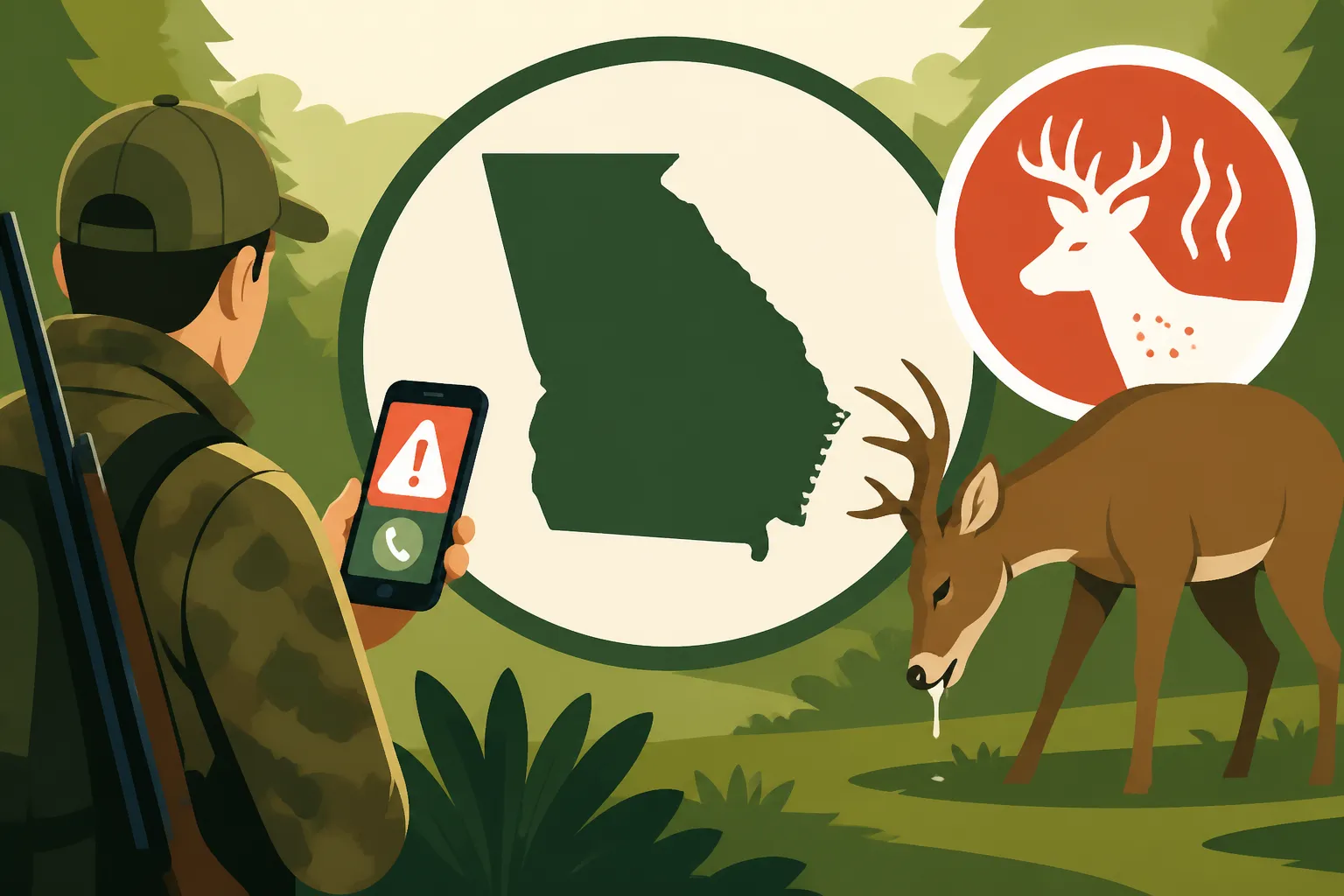
Rabies is a viral disease that affects the nervous system of mammals, including humans. It's almost always fatal once symptoms appear. While any mammal can contract rabies, wildlife species like raccoons, foxes, skunks, and bats are common carriers in Georgia. An animal displaying rabies symptoms might be unusually aggressive, disoriented, or unnaturally tame. They might also appear to be "drunk," stumbling or falling, or exhibiting excessive drooling or foaming at the mouth.
Encountering an animal exhibiting these signs should be treated with extreme caution. Never approach or attempt to handle a potentially rabid animal. This is a direct public safety concern. Your immediate call to the DNR or local law enforcement is crucial in these situations. They will assess the threat and take appropriate action to ensure public safety and test the animal if necessary. Keeping pets vaccinated against rabies is also a vital step in preventing its spread.
EHD and Other Deer-Specific Ailments
Epizootic Hemorrhagic Disease (EHD) is a common viral disease among white-tailed deer, particularly in the late summer and early fall. While often fatal to deer, it is not transmissible to humans. Deer with EHD may appear lethargic, develop a high fever, have swollen heads and tongues, and often seek water before succumbing to the disease. It can cause significant localized die-offs, especially during drought conditions when deer congregate around fewer water sources. If you notice several deceased deer around a pond or creek during warmer months, it's highly likely to be EHD. You can learn more about past occurrences and impacts in EHD Die-Offs in Georgia Deer.
Beyond EHD, deer can suffer from various other conditions, including external parasites, bacterial infections, or even injuries from vehicle collisions or fights during the rut. While not all are as urgent as CWD or rabies, any unexplained sickness or death contributes to the overall picture of deer health in Georgia. Reading Georgia Mud for Fresh Deer Movement can tell you a lot, but unusual tracks or behavior are another layer of information.
Avian Influenza and Waterfowl
Avian Influenza (AI), commonly known as bird flu, is a highly contagious viral disease that can affect wild birds, particularly waterfowl. While some strains can cause severe illness and death in birds, others might have milder effects. The concern with highly pathogenic avian influenza (HPAI) is its potential to spread rapidly through bird populations and, in rare instances, transmit to humans or domestic poultry, causing significant economic impacts. Avian Influenza in Georgia Birds is something the state continuously monitors.
If you encounter several dead or visibly sick waterfowl (ducks, geese, swans) or other water-associated birds, especially in a localized area, it warrants a report. Signs of AI in birds can include neurological symptoms (tremors, lack of coordination), respiratory distress, swelling of the head, or sudden death. Again, maintaining a safe distance and not handling the birds is paramount. Your observations can help wildlife and agricultural agencies track the virus and implement preventative measures to protect both wild and domestic bird populations.
What Happens After You Report a Sick Animal
You've made the call, provided the details, and now you might be wondering what comes next. Once your report is received by the Georgia DNR, it enters a system designed to assess and respond to wildlife health issues. It's not always a quick process, but every report is valuable.
First, your information is logged into a database. This allows wildlife biologists to track trends, identify hotspots for disease, and monitor specific areas. If the description of the animal or its location suggests a high-priority concern, such as a potential CWD case or a rabid animal in a populated area, the response will be more immediate. A game warden or wildlife technician might be dispatched to the location to investigate, confirm your observations, and potentially collect the animal for testing. This is especially true if the animal is a deer in or near the CWD Management Area, as Georgia CWD Testing for Hunters is a critical component of disease control.
For less urgent cases, such as a single deer believed to have died from EHD, the report might primarily serve as a data point. While the agency may not recover every carcass, knowing the location and species helps them map out disease prevalence. This data helps inform management decisions, habitat improvement projects, and even changes to hunting regulations, which is a big part of Georgia Wildlife Disease Monitoring. Your report directly contributes to the scientific understanding of our state's wildlife health.
It's also important to remember that wildlife agencies have limited resources, and they prioritize responses based on the severity of the threat, the potential for human exposure, and the impact on broad wildlife populations. Don't be discouraged if you don't see an immediate response team at the exact spot you reported. Rest assured, your contribution helps build a more complete picture of Georgia's wildlife health, helping experts make informed decisions to protect our cherished natural heritage. So keep those eyes open and those reports coming!
Disclaimer
This article is for general informational purposes only and does not constitute professional advice. Laws, prices and regulations vary by location and change over time. Consult a qualified professional for guidance on your specific situation.