Brush Pants for Georgia Fencerows
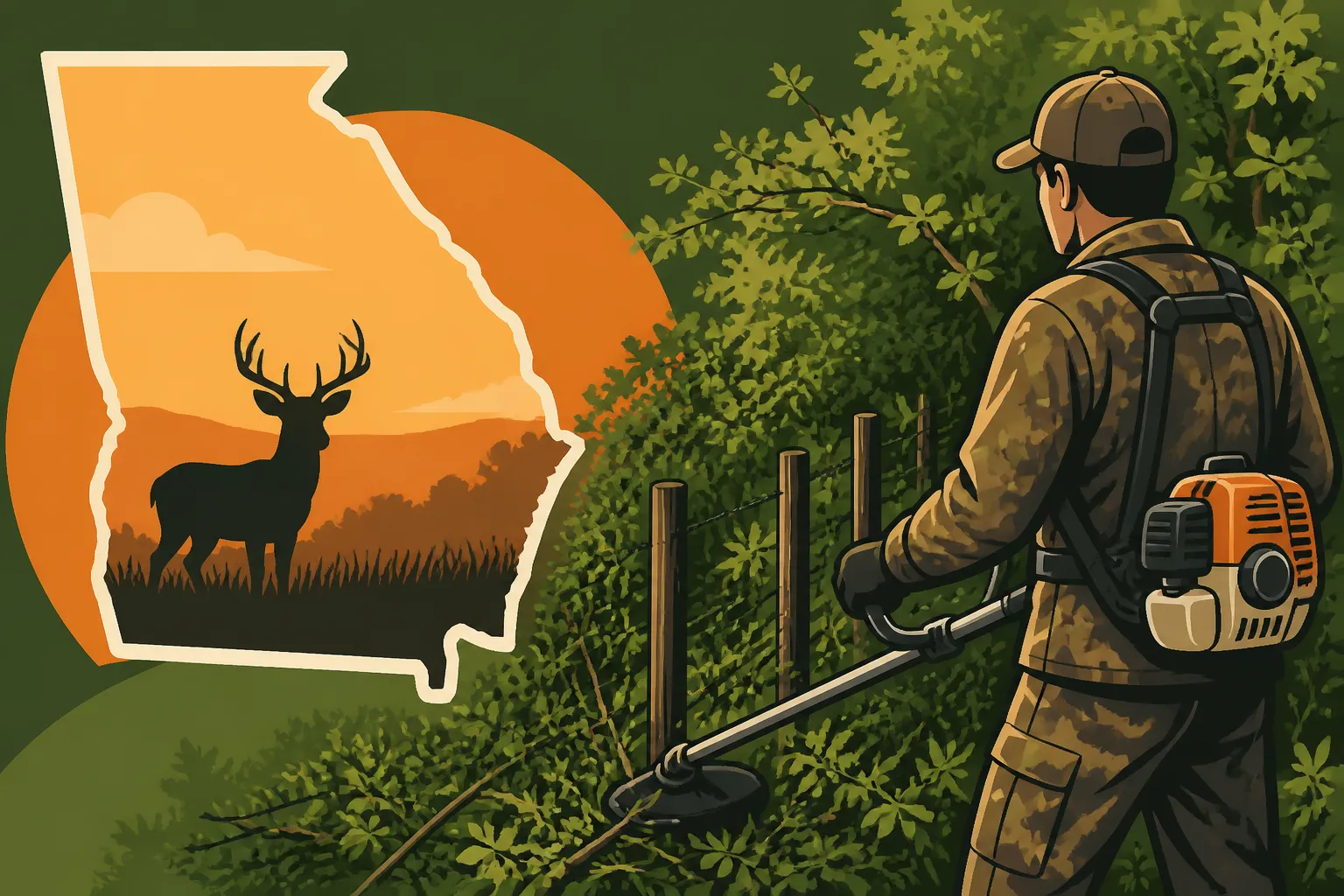
There's nothing quite like the feeling of chasing game through Georgia's diverse landscapes, but anyone who has spent time in our woods knows the unique challenge that fencerows and thickets present. They're often game highways, funneling deer, hogs, and rabbits, but they're also notorious for their dense, thorny vegetation that can tear ordinary hunting pants to shreds and leave your legs scratched and sore. This guide is all about finding the right brush pants to conquer those challenging Georgia fencerows, keeping you protected and comfortable so you can stay focused on the hunt.
Why Brush Pants Are a Necessity for Georgia Fencerows
Navigating a Georgia fencerow isn't like strolling through a manicured park. These linear strips of cover are often a tangled mess of wild rose, greenbrier, blackberry, and countless other thorny plants, not to mention the ever-present threat of venomous snakes and annoying insects. Regular hunting pants just don't stand a chance, and you'll quickly learn why specialized brush pants are considered essential gear for many of us.
When you're pushing through a thicket or trying to sneak along a property line that's grown up, the last thing you want is to be constantly battling your clothing or worrying about what might bite or sting you. Brush pants are designed specifically for this kind of abuse, offering a crucial layer of defense that lets you move with confidence and focus on the task at hand. Without them, you're not just uncomfortable; you're risking painful injuries and potentially ruining a perfectly good day afield.
Battling the Briars and Thorns
Georgia's fencerows are often natural magnets for wildlife, but they’re also prime real estate for some of the nastiest thorny vegetation you can imagine. We're talking about those devilish greenbriers that seem to reach out and grab you, the thick, woody stems of blackberry canes, and the insidious multi-flora rose that weaves impenetrable barriers. Trying to push through these without adequate leg protection is a quick lesson in pain. Your typical denim jeans or standard canvas hunting pants will be shredded in no time, leaving your skin exposed to scrapes, scratches, and punctures that can be deep and truly miserable.
The constant snagging and tearing also create noise, which is the enemy of any hunter. Every time your pants catch on a thorn, you're announcing your presence to every deer or turkey within earshot. Quality brush pants are built with materials and construction that allow you to slip through these thickets with far less resistance and significantly reduced noise. This not only saves your skin but can also be the difference between spooking game and getting a shot. Plus, who wants to spend the evening picking burrs and thorns out of their clothing when they could be relaxing after a successful Rabbit Hunting Georgia Fencerows excursion?
Protection Against Snake Bites and Pests
Beyond the thorns, Georgia's fencerows and thick cover are also prime habitat for some less-than-friendly critters. We all know the risk of a run-in with a copperhead or rattlesnake, especially when you're wading through tall grass and brush where they love to hide. While no pant is entirely "snake-proof" unless it's a dedicated snake gaiter, the heavy-duty, tightly woven fabrics and reinforced panels of good brush pants offer a significant deterrent and a crucial layer of protection against glancing strikes or smaller snakes. It's an added peace of mind that allows you to move more freely, knowing you've got some defense against an unexpected encounter.
Then there are the legions of insects that call Georgia home. Ticks, chiggers, and mosquitoes are more than just an annoyance; they can carry diseases. While pants can't stop every bug, the dense weave of quality brush pants, especially those treated with permethrin or similar repellents, can significantly reduce the number of bugs that make it to your skin. When paired with Bug Repellent That Holds Up in a Tree Stand on exposed skin, you create a much more effective barrier against these persistent pests. Whether you're tracking a wounded deer or just scouting new territory, minimizing bug exposure is key to a more enjoyable and safer time outdoors.
Key Features to Look for in Georgia Brush Pants
Choosing the right brush pants can feel a bit overwhelming with all the options out there, but for Georgia's specific challenges, a few key features rise to the top. You're looking for a blend of durability, protection, and comfort that can stand up to the briars, shed water, and still let you move freely. It's not just about what looks tough; it's about what performs best when you're truly putting them to the test in the field.
Think about the specific types of hunting you do most often. Are you constantly still-hunting through deep cover, or do you mostly sit on the edge of Hunting a Standing Soybean Field? Your needs might vary slightly, but the core principles remain the same: you need something that won't give up on you halfway through the season. Investing a little more upfront in quality will almost always pay dividends in longevity and performance, keeping you in the field longer and more comfortably.
Material Matters: Durability Meets Comfort
The heart of any good pair of brush pants lies in its material. For Georgia's rugged conditions, you'll typically find options made from heavy-duty cotton duck, canvas, or various synthetic blends like nylon or polyester. Each has its pros and cons. Cotton-based materials like canvas are incredibly tough and resistant to abrasion, making them excellent for busting through thorns. However, they can be heavy when wet and take a long time to dry, which isn't ideal in our often humid environment.
Synthetic blends, on the other hand, often offer better water resistance or quick-drying properties, lighter weight, and sometimes more flexibility. Many modern brush pants combine these, using a blend of cotton and nylon for a balance of durability, quick-drying performance, and reduced bulk. Look for fabrics that boast high denier counts or ripstop weaves, as these indicate a tougher material less prone to tearing. Some pants also incorporate a DWR (Durable Water Repellent) finish, which helps shed light rain and dew, keeping you drier as you push through wet brush. For brands like GoHunt, they often highlight the specific material blends and weaves engineered for extreme conditions, so pay attention to those details.
| Material Type | Pros | Cons | Best For |
|---|---|---|---|
| Heavy-Duty Canvas | Extremely durable, thorn-resistant | Heavy when wet, slow to dry, less flexible | Thickest briars, cooler weather |
| Synthetic Blends | Lightweight, quick-drying, flexible | Can be less abrasion-resistant than canvas | Warmer weather, active hunting, wet conditions |
| Canvas/Synthetic Blend | Balance of durability, drying, comfort | Can vary widely by blend and brand | All-around Georgia hunting, varied conditions |
Strategic Reinforcement and Design
Beyond the base material, how the pants are constructed and reinforced makes a huge difference. The most common and arguably most important feature for Georgia fencerows is a "double-front" or "face-forward" design. This means extra layers of material are sewn onto the front of the legs, from the thighs down to the ankles, specifically in the areas most exposed to brush. These reinforcements are often made from an even tougher material than the rest of the pant, sometimes even including ballistic nylon or Cordura for ultimate protection. This is where you get that crucial defense against thorns and even a measure of snake protection.
Another design element to consider is how pockets are constructed and placed. Flat, low-profile pockets are generally better for brush pants, as bulky cargo pockets can snag on thorns and fill with burrs. Some pants even feature "burr-proof" cuffs or gaiters built into the ankle, which is a game-changer when you're constantly picking hitchhikers off your socks. Look for robust stitching, especially in high-stress areas like seams and belt loops, and heavy-duty zippers and buttons that won't fail when you're deep in the woods. Brands like GoHunt often pay close attention to these functional design details, ensuring their gear holds up to real-world abuse.
Choosing the Right Brush Pants for Different Georgia Hunting Scenarios
Georgia's hunting seasons span a wide range of temperatures and conditions, from the sweltering heat of early archery season to the crisp, sometimes wet, chill of a January deer hunt. The "perfect" pair of brush pants might look a little different depending on when and what you're hunting. Understanding these nuances will help you select gear that keeps you both protected and comfortable throughout the year.
It's all about balancing protection with breathability and warmth. A heavy, insulated pair of brush pants that's perfect for a late-season sit might leave you drenched in sweat and miserable during an early October Hunting the Rut in Mid-October hunt. Conversely, lightweight pants designed for hot weather won't offer much thermal protection when the mercury drops. Tailoring your gear to the conditions is a mark of an experienced Georgia hunter.
Warm Weather Considerations: Breathability is Key
When Georgia's early archery season kicks off or you're pursuing Feral Hog Hunting Year-Round in Georgia in the summer heat, the challenge isn't just briars; it's staying cool. Heavy, non-breathable pants will quickly lead to overheating and discomfort, making you sweat excessively and draining your energy. For these warm-weather scenarios, look for brush pants that prioritize breathability while still offering adequate protection. This often means lighter-weight synthetic blends that wick moisture away from your skin and dry quickly.
Some manufacturers incorporate mesh panels in strategic areas or use perforated materials to enhance airflow. While you still want the reinforced front panels for thorn protection, a lighter overall fabric weight and a looser, more athletic fit can make a world of difference. Consider brush pants with adjustable leg openings or those that integrate well with Snake Boots for Coastal Plain Walking without adding excessive bulk or trapping heat around your ankles. The goal is to move efficiently and stay protected without feeling like you're wearing a sauna suit.
Cold Weather and Wet Conditions
As the season progresses into late fall and winter, and especially during Georgia's firearms season, the priorities shift. While thorns are still a concern, warmth and water resistance become equally important. You'll want brush pants that offer good insulation without being overly bulky, allowing for layering underneath if needed. Look for pants with a fleece lining or those made from thicker, more wind-resistant materials. The ability to shed water is also crucial, as cold rain or dew-soaked brush can quickly lead to hypothermia if your clothing gets saturated.
Brush pants with a waterproof or highly water-resistant membrane are excellent for these conditions. Pay attention to the DWR finish, which helps water bead up and roll off rather than soaking in. Paired with appropriate layers, these pants will keep you dry and warm whether you're pushing through a damp swamp or sitting patiently on a cold, frosty morning hoping to intercept deer moving to Late-Season Food Sources for Georgia Whitetails. Remember that while many hunting apparel companies offer different lines for various seasons, you might find a versatile pair of brush pants that, with smart layering, can serve you well from October through January.
Care and Maintenance for Longevity
You've invested in a good pair of brush pants, and just like your favorite rifle or bow, they deserve proper care to ensure they last for many seasons to come. Neglecting your gear can drastically shorten its lifespan, leading to premature wear, loss of water repellency, and uncomfortable buildup of dirt and grime. Regular cleaning and attention to small repairs will keep your brush pants performing their best and ready for whatever Georgia's fencerows throw at them.
Think of it as part of the hunting ritual. Just as you clean your weapon after a hunt, take a few minutes to inspect and care for your clothing. This proactive approach saves you money in the long run by delaying the need for replacements and ensures your gear is always in top condition when you head out the door.
Cleaning and Drying Tips
After a long day Working a Fencerow for Late-Season Deer, your brush pants are likely to be covered in mud, burrs, sweat, and maybe even some blood. Don't just toss them in the corner. Start by shaking off any loose dirt and brushing away as many burrs as you can. A stiff brush or even a lint roller can be surprisingly effective for this. For dried mud, let it thoroughly dry and then brush it off; trying to wash wet mud often just grinds it deeper into the fabric.
When it comes to washing, always follow the manufacturer's care instructions, which you can usually find on a tag inside the pants. Generally, cold water and a mild, scent-free detergent are best, especially if your pants have a DWR coating or insect repellent treatment, as harsh chemicals can degrade these. Avoid fabric softeners, as they can clog fabric pores and reduce breathability and water repellency. Tumble dry on low heat or, even better, hang them to air dry. High heat can damage synthetic fibers and coatings. For specific care details related to advanced fabrics, resources like GoHunt often provide helpful guidance on maintaining high-performance gear.
Small Repairs to Keep Them in the Field
Even the toughest brush pants will eventually show signs of wear. A small tear from a particularly aggressive briar or a loose stitch isn't the end of the world, and often, a quick repair can save you from buying a new pair. Keep a small sewing kit handy with some heavy-duty thread and needles. For minor tears, a simple patch sewn over the damaged area, or even iron-on patches designed for outdoor gear, can extend the life of your pants significantly.
Pay attention to stress points like seams around pockets or the crotch, and reinforce them with extra stitching if they start to fray. Zippers are another common point of failure; sometimes, a little lubrication with graphite or a specialized zipper lubricant can fix a sticky zipper, or a broken pull tab can be replaced easily. Don't underestimate the power of a little DIY maintenance. It not only saves you money but also gives you a deeper connection to your gear, knowing you've kept it going through thick and thin in the challenging but rewarding world of Georgia Hunting Licenses and What They Cost.
Disclaimer
This article is for general informational purposes only and does not constitute professional advice. Laws, prices and regulations vary by location and change over time. Consult a qualified professional for guidance on your specific situation.